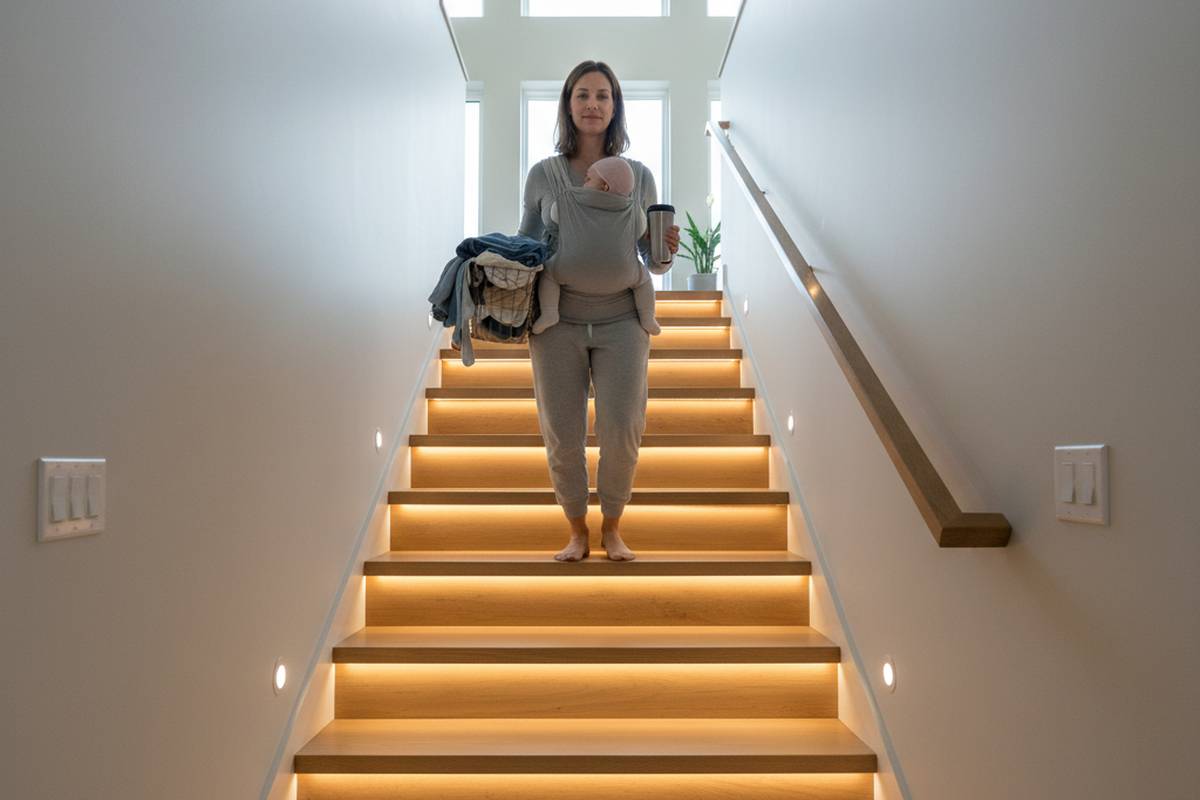
Stairs are where “mostly works” becomes a problem. People hit them half-awake at 6:30 a.m., carrying laundry, holding a baby, balancing coffee, stepping into a landing turn where the light changes and their body changes direction. If the light hesitates or times out there, it isn’t just an “annoying quirk.” It’s the exact moment people get angry—or worse, stop trusting the stairs entirely.
A lot of ugly stair stories start the same way: someone has a normal 3‑way (two locations controlling one light) and tries to “just replace one switch with a motion sensor.” In real houses—split-level half-landings, narrow townhome stairs, finished basements—that often buys a new kind of surprise. One end feels dead, the light goes out mid‑flight, or the system only works if you walk exactly how the sensor wants you to.
Make it feel like a dumb 3‑way.
That’s the standard this guide uses. Not “maximum automation.” Not “best range on the box.” Normal behavior first; PIR and settings are just implementation details.
Define “Normal 3‑Way Feel” Before Touching Settings
In a stairwell, “normal” is a behavioral contract, not a wiring diagram. The contract is simple enough that a tired homeowner can understand it in a minute, and strict enough to prevent the most common failures. A good multi-location PIR setup should feel like this:
From either end, a person can get light without thinking about it. From either end, a person can shut it off if they want it off. If someone pauses on the landing—because a kid is ahead of them, or they’re turning a laundry basket, or unlocking a door—the light doesn’t punish them with darkness. And if something in the system fails, it should bias toward “light stays on,” not “stairs go black.”
Those aren’t preferences; they’re risk priorities. Mid‑stair darkness is the worst outcome. Flicker or “disco” behavior is next, because it teaches people the stairs are unpredictable. A light staying on a little long is usually forgiven, especially in winter when dark mornings in places like the Pacific Northwest are exactly when stair complaints spike.
There’s a common adjacent problem that shows up early: people don’t hate motion sensing. They hate light spill. Bedroom doors opening to a stairwell, nursery light bleeding under a door, a basement stair that lights up a whole lower level. That’s real, and it tempts people into the shortest possible timeout. But timeout is not the first knob to touch. If the system can’t see a person reliably at the top step and the landing turn, shaving seconds off the delay turns a visibility problem into a safety problem. Spill gets handled, but only after the system’s “normal feel” is established.
Under the hood, the clean way to think about any multi-location motion setup is: detection → decision → light. “Detection” is who saw motion and when. “Decision” is who decided the circuit should be on or off and on what timer. “Light” is the actual load response. Most stair failures are a mismatch between those layers—usually multiple devices making decisions without agreeing on the same timer or the same definition of “still occupied.”
The Practical Spine: Placement + One “Decider”
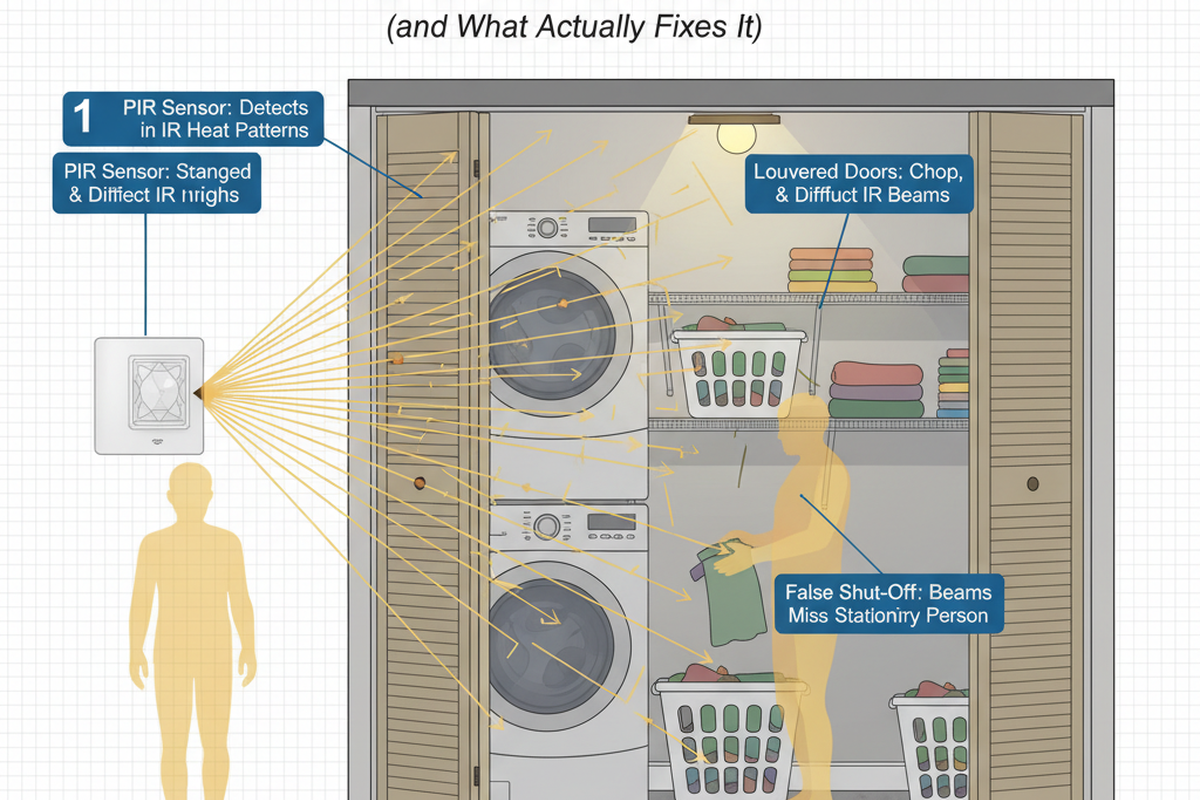
Mara Kline—an electrician who gets called when stairs become a callback—has a blunt bias here: sensor placement beats sensor spec sheets. In a Ballard townhouse, the problem wasn’t a cheap PIR “being cheap.” The problem was what the PIR could see: a narrow stairwell, a mirrored bifold closet door near the base, a forced-air register, and a hanging coat that moved just enough. Glossy surfaces made the sensor’s world noisy. Rotate the sensor a few degrees to change what it “watches,” and the so-called haunted triggers go away without swapping brands.
That story matters because stairs are almost never clean, straight test corridors. Picture a split-level in Kent, WA: a half-landing turn that breaks line-of-sight, a 3‑gang box at the top of the stairs because remodels stack controls where they fit, and a morning walk test in January where the light looks fine until it cuts out exactly at the turn. The datasheet coverage diagram doesn’t show that moment. The person turning their body on the landing does.
So placement starts with geometry and approach vectors, not marketing range. A straight run with clear sightlines is forgiving; an L‑turn, U‑turn, or half‑landing is not. People approach stairs from angles: from a hallway, a kitchen, a basement door, a bedroom doorway. They don’t enter like a technician walking squarely into the sensor’s centerline. They hug rails. They pivot. They carry objects that block a PIR’s view of the body’s motion.
For a stairwell that must feel normal, first detection has to happen before the first step on both ends, and it has to keep happening through the “quiet” moments: the landing pause, the turn, the moment someone slows down for the last step. On a half‑landing, a sensor aimed from the very top often creates a blind moment at the turn. The person’s movement becomes lateral relative to the sensor, and the sensor’s view gets cut by the wall or the landing geometry. The usual fix is not buying a magical “360°” unit. It’s moving the sensing point to where the human is actually visible: often a landing wall, sometimes lower than people expect, sometimes offset so the sensor sees the approach path instead of staring down the flight.
Looking For Motion-Activated Energy-Saving Solutions?
Contact us for complete PIR motion sensors, motion-activated energy-saving products, motion sensor switches, and Occupancy/Vacancy commercial solutions.
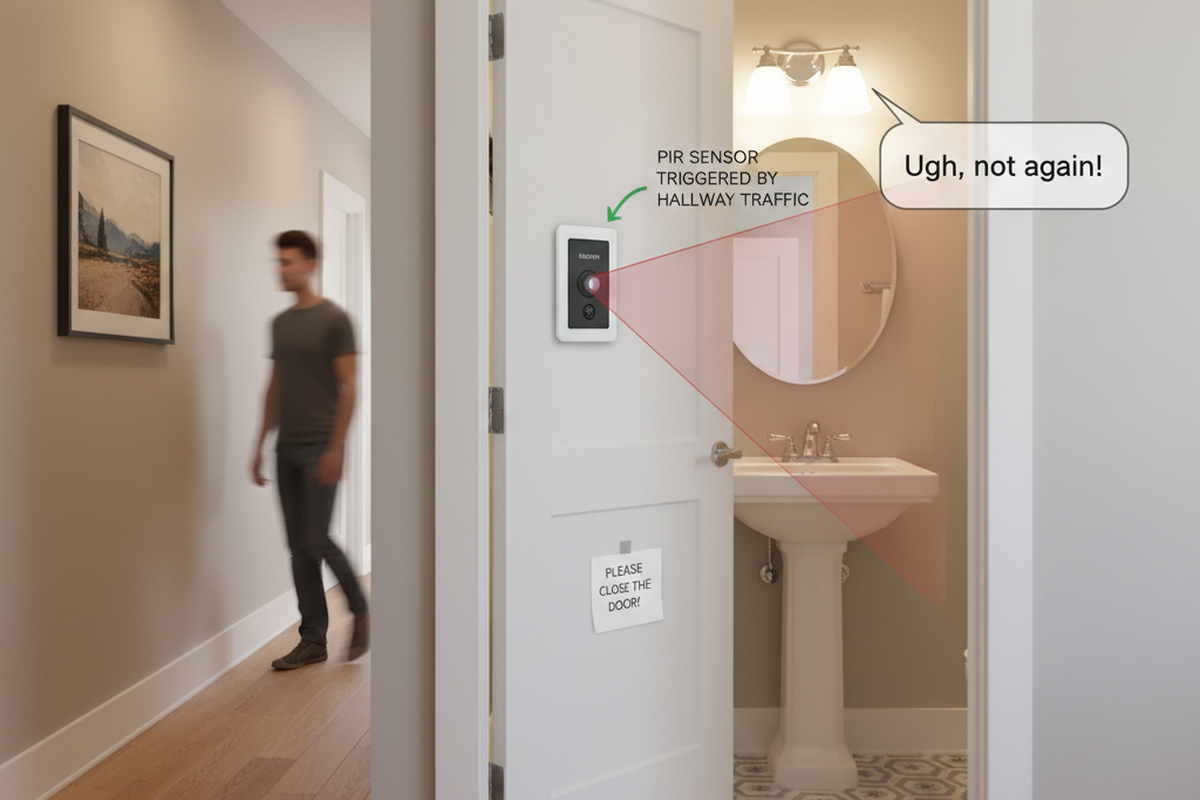
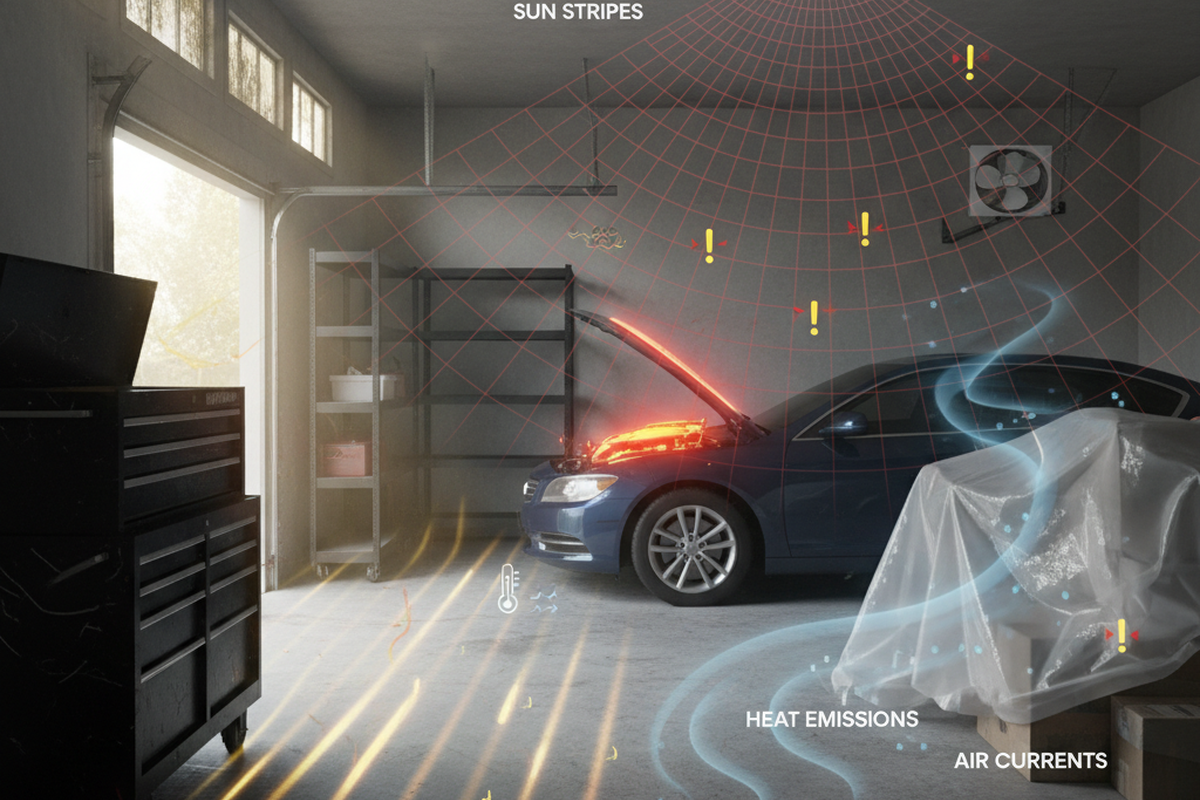
Now, the adjacent demand signal that wastes a lot of money: “the sensor is bad; it turns on by itself at night.” That’s the phrase that sends people shopping. In practice, false triggers are often environmental. Mirrors, HVAC vents, a door that swings into the sensor’s view, glossy paint, glass railings—even a heat register and a hanging coat can look like motion to a PIR depending on aim and the field of view. The right response is a quick environment audit—what changed at 2 a.m., what moves, what reflects—and then a placement/aim adjustment. Brand-swapping without changing what the sensor sees is how a “bad sensor” becomes three bad sensors.
Once placement is sane, the next spine piece is control roles. In multi-location stair control, two devices making independent decisions is where the “disco stairwell” is born. In Tacoma, a property manager’s complaint log and tenant emails had the same words over and over: “flicker,” “unpredictable,” “it goes off when I stop.” The on‑site reality was not mysterious. Multiple devices were retriggering each other, and timers were short enough that a pause on the landing created a dark gap. The maintenance tech kept “tuning sensitivity” like it was one device misbehaving. It wasn’t. It was multiple decision-makers disagreeing about when “occupied” ends.
That’s why Mara pushes a one‑decider principle. One device (or one control point) should be the decision authority for on/off timing. Other devices, if used, must behave in a subordinate, predictable way. The exact implementation depends on the specific Rayzeek model and how it supports multi-location wiring or companion controls, but the behavioral requirement is consistent: the household should never have to learn that “the top sensor wins unless the bottom one already timed out” or any other invisible rule. If the only way the system makes sense is a hidden rule, it will generate angry texts and return visits.
A simple timeline makes the problem obvious. At time zero, someone enters from the bottom, triggers PIR A, and the light turns on. The person reaches the landing, slows, pivots, and their motion is smaller. PIR A’s timer is counting down. PIR B (near the top) may or may not see the person during that pivot depending on aim and geometry. If PIR B is also allowed to decide off timing independently, it can shut the circuit off while PIR A thinks it’s still in charge, or it can retrigger in bursts if it’s seeing only fragments of motion. The human experience is flicker: light on, light off, light on again as they step, or darkness when they’re “still” but not absent.
Rayzeek PIR switches can be part of a clean solution here, but only if the setup remains explainable and testable. Because Rayzeek models and revisions can differ in how they label multi-location behavior, mode options, and time delay names, the safest approach is to treat the manual as authoritative for terminals and mode labels, while the house is authoritative for the actual outcome. Nobody cares if the installer picked the right menu item. They care if they can force the light on from both ends, if it stays on through a landing pause, and if it turns off without surprising anyone.
Practically, stair archetypes guide placement decisions:
- Straight run, no landing: A well-aimed sensor can work at one end if it truly sees both approaches, but the safer feel often comes from a sensing point that catches entry motion early and doesn’t miss a slow approach.
- L‑turn or half‑landing: A landing wall placement is frequently better than a top‑of‑stairs “aimed down” placement, because it reduces the turn blind spot.
- Open stairs with glass railing: Approach angles and reflections matter; test from the side people actually enter (walkthrough day in new construction is where “range claims” die).
All of that leads into a very unglamorous rule: fix placement and decision roles before touching advanced settings. Settings can’t rescue a sensor that can’t see the first step or a system where two timers fight.
Before Buying or Swapping: What’s Actually in the Box
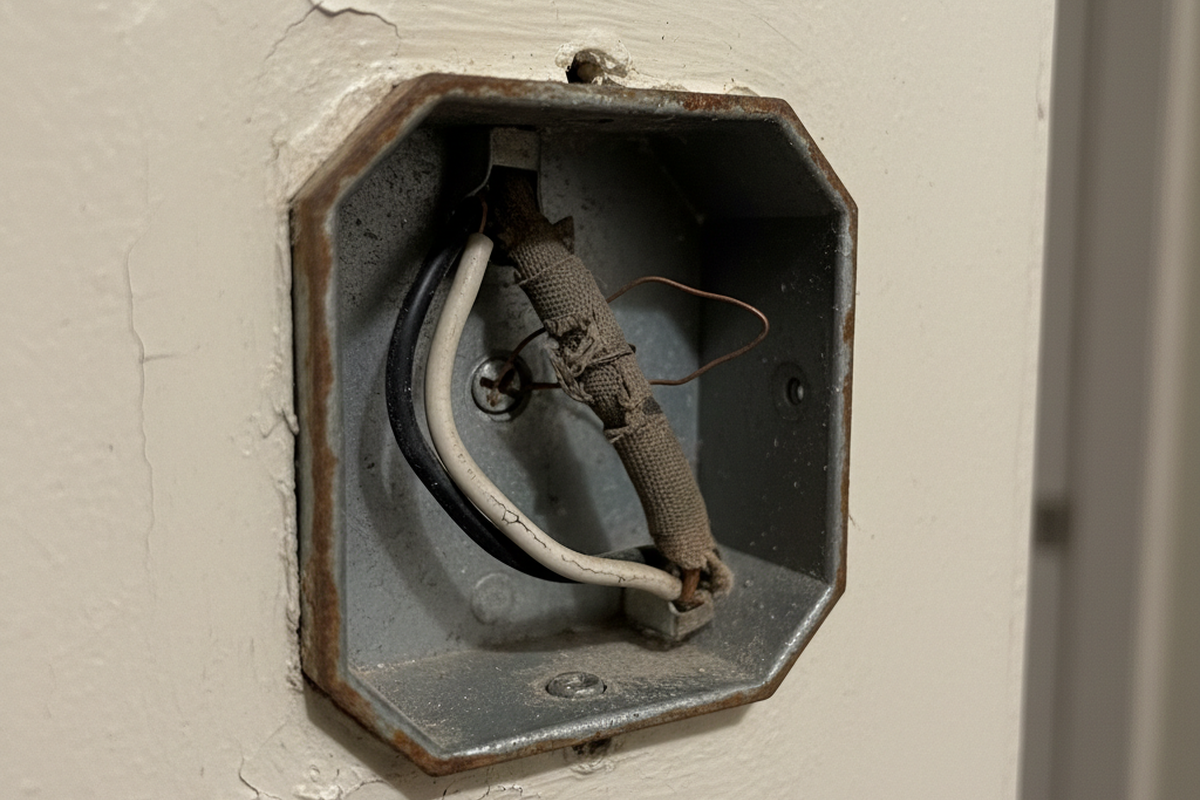
There’s a decision checkpoint that gets skipped because it’s not fun: open the box and verify the wiring reality. Older stair circuits (1920s–1970s stock, remodels-in-waves, crowded metal boxes) often don’t have a neutral in the box where someone expects it. A 1927 craftsman in the Portland metro is a typical example: cramped conductors, no neutral present, and a homeowner asking for a “hotel-style” occupancy switch swap like it’s a cosmetic upgrade. That’s where online workarounds show up, and that’s also where a pro will refuse to hack it.
If the box is overfilled, if the wiring is unknown, if a neutral is missing where the device requires one, or if traveler identification is unclear, the correct move is to change the plan—or hire a licensed electrician—rather than forcing a product into a wall that can’t support it. Local inspectors (AHJs) can also have opinions about stair and egress lighting controls; it’s not universal, and it’s not the place for confident legal claims. Verify what you have. If it’s not straightforward, stop.
Why Stair Sensors “Flicker”: A Simple Timeline
The “disco stairwell” failure mode isn’t magic and it isn’t usually fixed by sensitivity. It’s almost always a timeline problem: multiple detections creating multiple decisions with mismatched off-delays. In a painted cinderblock interior stairwell—exactly the kind of space where tenants complain loudly because there’s no natural light—one device triggers, another times out, a third retriggers, and the person on the landing experiences a sequence of bright/dim/dark that feels like the building is malfunctioning.
The fastest way to troubleshoot is to narrate the timeline out loud: who saw motion, who turned the circuit on, what the off-delay is, what counts as a retrigger, and what happens if someone pauses for five seconds. Then ask the uncomfortable question: is there one decider here, or are there two clocks arguing?
And yes, there’s a mini-rant that shows up every winter: 30-second timeouts on stairs are not a virtue. They read like “energy savings” in a spreadsheet and like “panic” in a stairwell. If someone has to wave an arm mid-flight to keep lights on, the system has already failed the normal 3‑way contract. The cost of a little extra on-time is usually less than the cost of complaints, callbacks, and the risk exposure of dark stairs.
The rebuild is boring on purpose: pick the decider, align the delay, and make sure manual control still works from both ends. In a house, boring is what survives the next owner.
Timeout Tuning That Doesn’t Turn Stairs Into a Strobe
Timeout tuning is where good installs become great or terrible. Mara’s default stance is safety-first: in stairwells, off-delay should generally be longer than in hallways. A reasonable starting band for many residential stairs is something like 2–5 minutes of on-time. The right number depends on geometry, speed of use (kids, elderly, anyone moving slowly), and light spill sensitivity. The point of a range is to keep people away from the danger zone of “so short it forces a second wave to re-trigger.”
A landing-pause test is the litmus test. The classic Kent half-landing failure happens when someone enters, triggers the light, and then pauses or pivots at the landing while the sensor is counting down. In daylight it looks fine. At 6:45 a.m. in January it reveals itself immediately: the light drops out at the turn. That is exactly why tuning should be validated under realistic conditions, not just while standing at the switch.
Bedroom spill is the real reason households sabotage timeouts. If a stair light floods a bedroom door, people will shorten the delay until the stairs are uncomfortable, because the sleep problem feels urgent. The better sequence is: mitigate spill first, then shorten carefully. Mitigation can be as simple as changing what the sensor sees (aim away from a doorway that triggers it constantly), relocating the sensor so it doesn’t catch adjacent-room motion, or addressing the light itself (lamp choice, shielding, or where the fixture throws light). Only after spill is reduced should someone try trimming from, say, 4 minutes down toward 2. And any move toward the low end should be tested with the landing pause and a slow walk, not with a fast daytime jog.
Get Inspired by Rayzeek Motion Sensor Portfolios.
Doesn't find what you want? Don't worry. There are always alternate ways to solve your problems. Maybe one of our portfolios can help.
Pets and nuisance triggers are a separate axis, and they’re highly house-specific. If a dog has a clear line through a stair sensor’s view, or a cat lives on the landing, sensitivity settings can matter—but the first move is still geometry: reduce the sensor’s view of the “noisy” zone, avoid mirrors and vents in its field of view, and don’t aim the sensor into a room where normal motion should not control stair lighting. In the Ballard mirror case, the fix wasn’t a settings deep dive; it was changing the sightline.
Once the baseline delay is set and the false triggers are controlled, the system is ready for the step that actually prevents callbacks: a structured walk test.
Maybe You Are Interested In
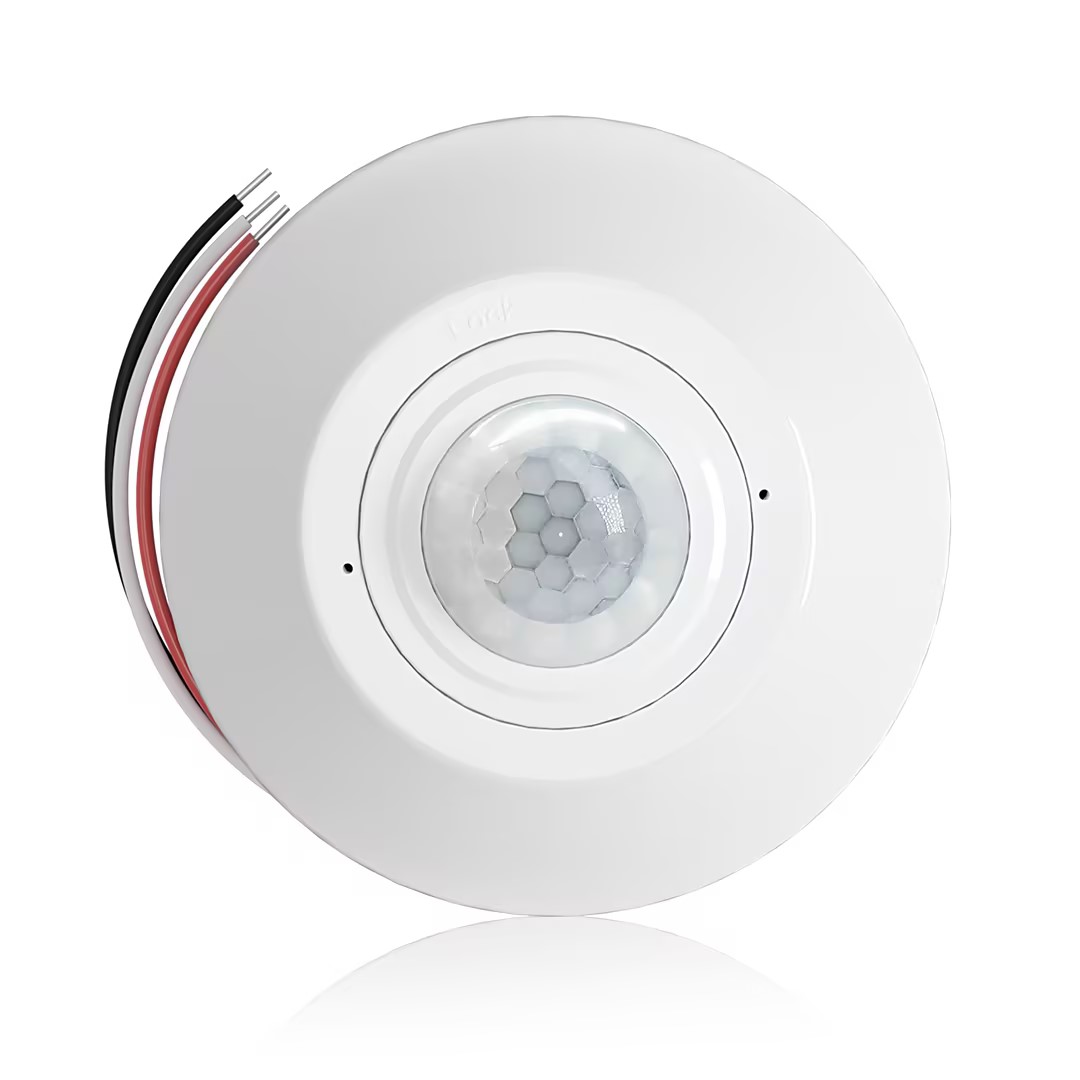
- Occupancy (Auto-ON/Auto-OFF)
- 12–24V DC (10–30VDC), up to 10A
- 360° coverage, 8–12 m diameter
- Time delay 15 s–30 min
- Light sensor Off/15/25/35 Lux
- High/Low sensitivity
- Auto-ON/Auto-OFF occupancy mode
- 100–265V AC, 10A (neutral required)
- 360° coverage; 8–12 m detection diameter
- Time delay 15 s–30 min; Lux OFF/15/25/35; Sensitivity High/Low
- Auto-ON/Auto-OFF occupancy mode
- 100–265V AC, 5A (neutral required)
- 360° coverage; 8–12 m detection diameter
- Time delay 15 s–30 min; Lux OFF/15/25/35; Sensitivity High/Low
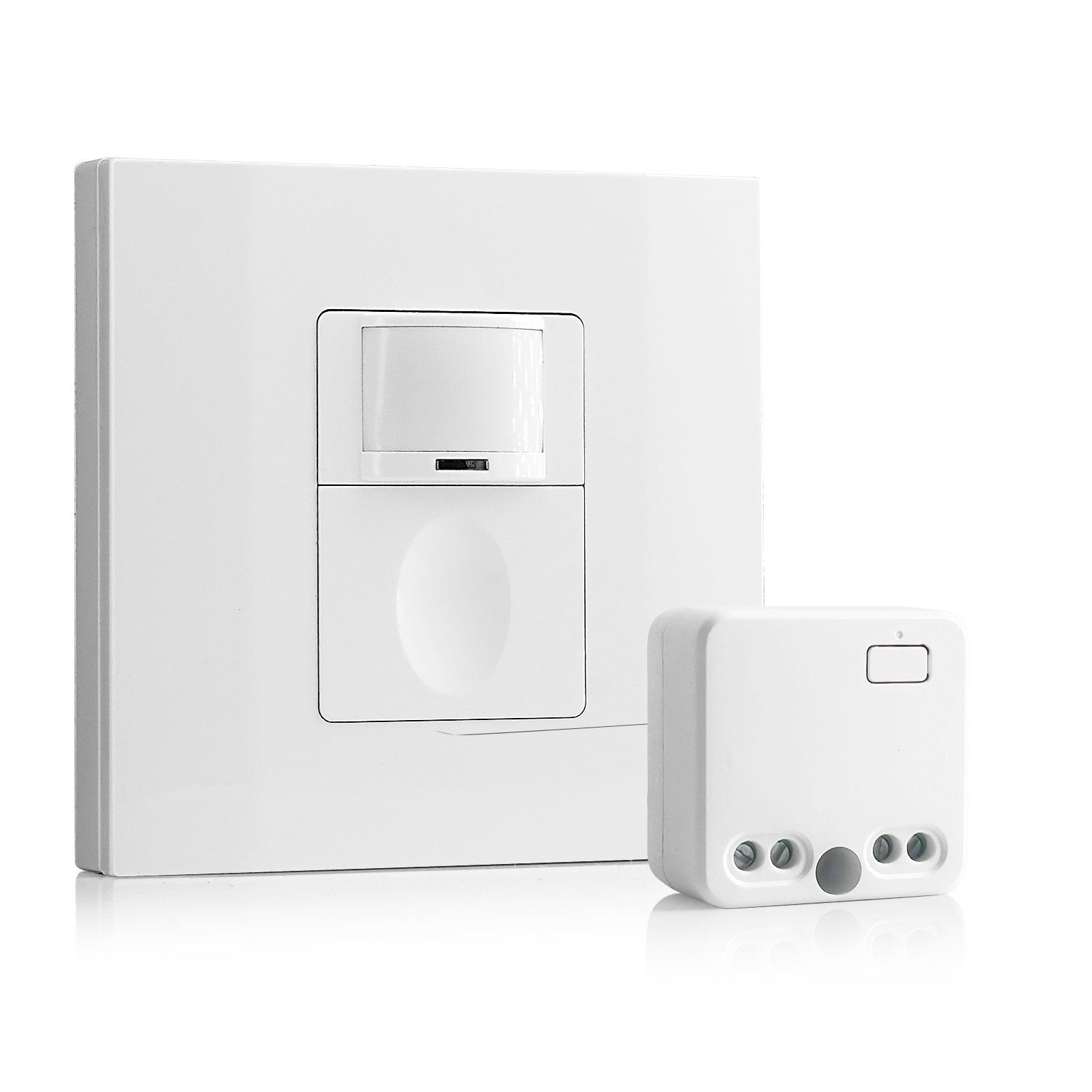
- 100V-230VAC
- Transmission Distance: up to 20m
- Wireless motion sensor
- Hardwired control
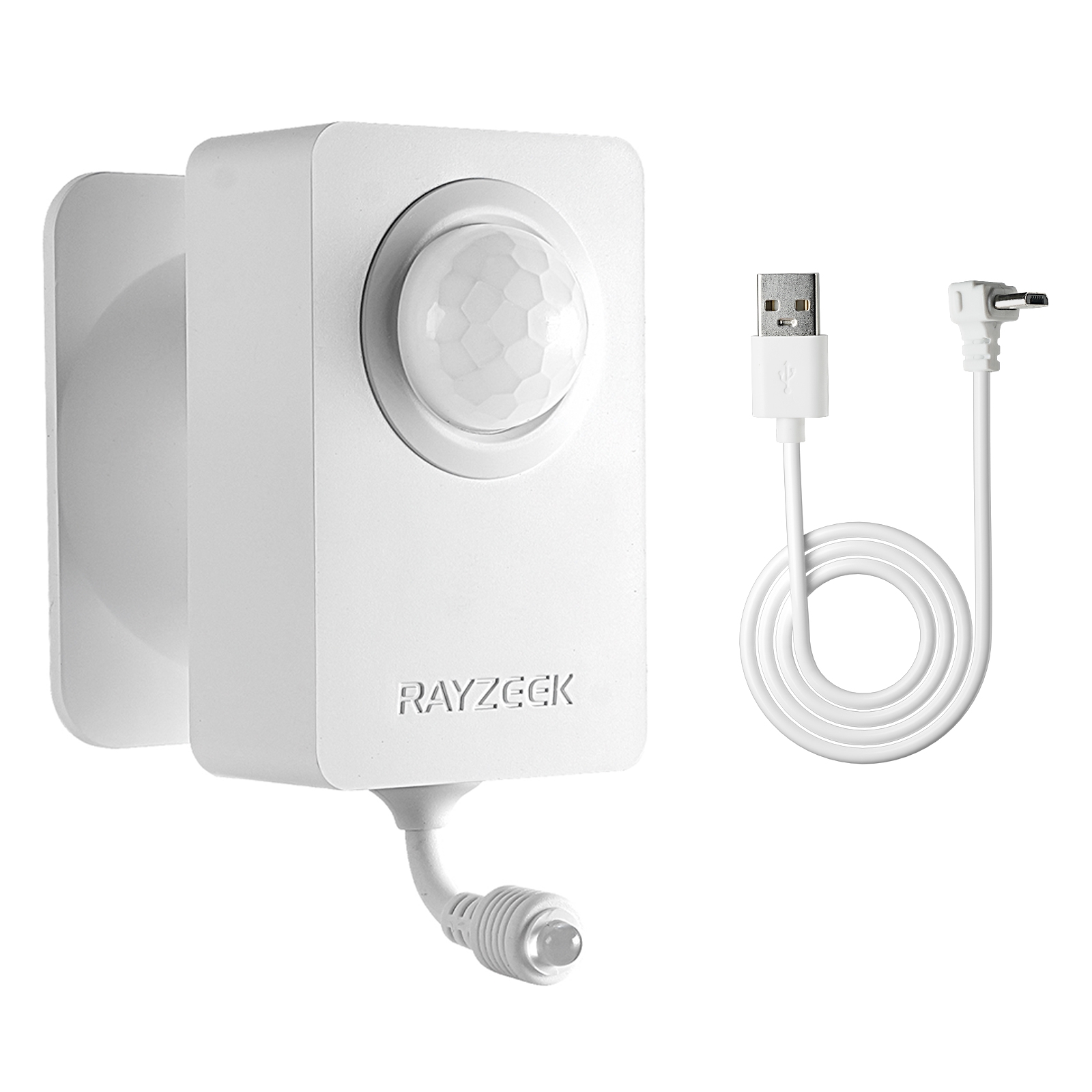
- Voltage: 2x AAA Batteries / 5V DC (Micro USB)
- Day/Night Mode
- Time delay: 15min, 30min, 1h(default), 2h
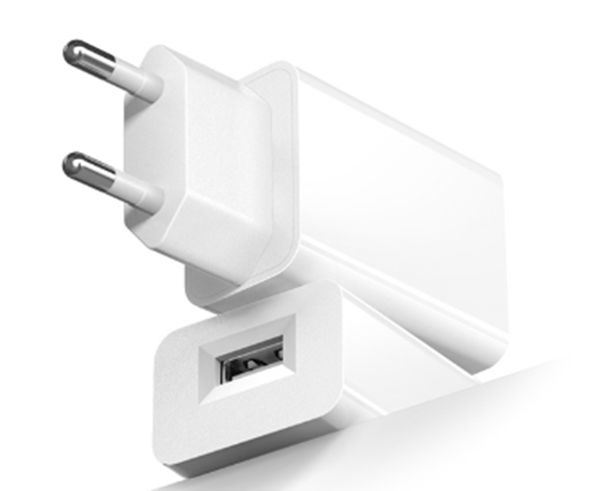
- EU plug power adapter
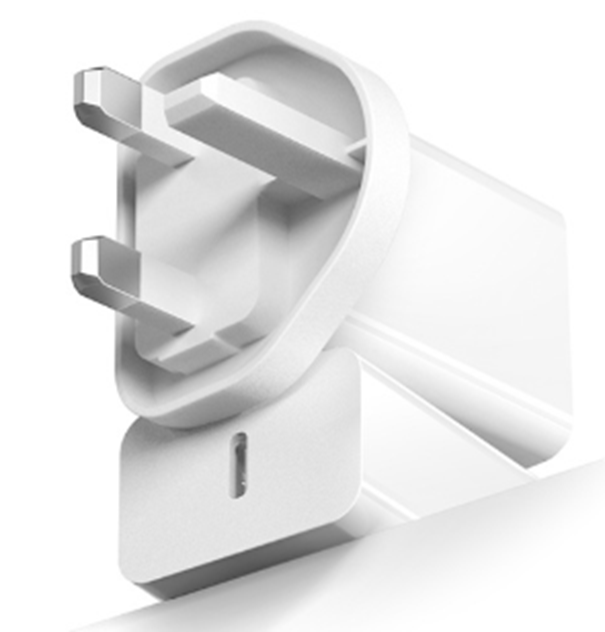
- UK plug power adapter
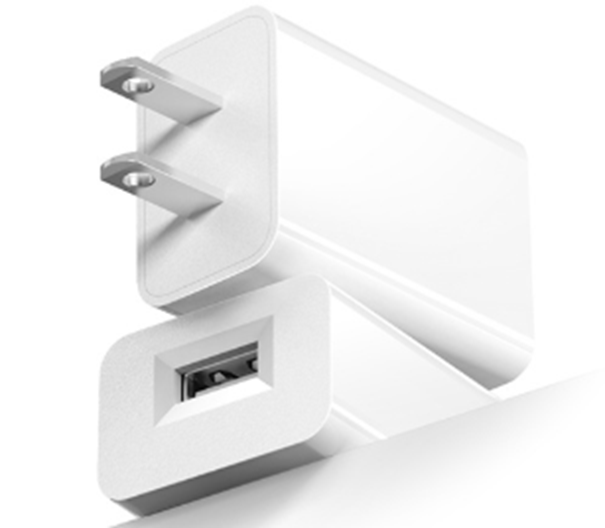
- US plug power adapter
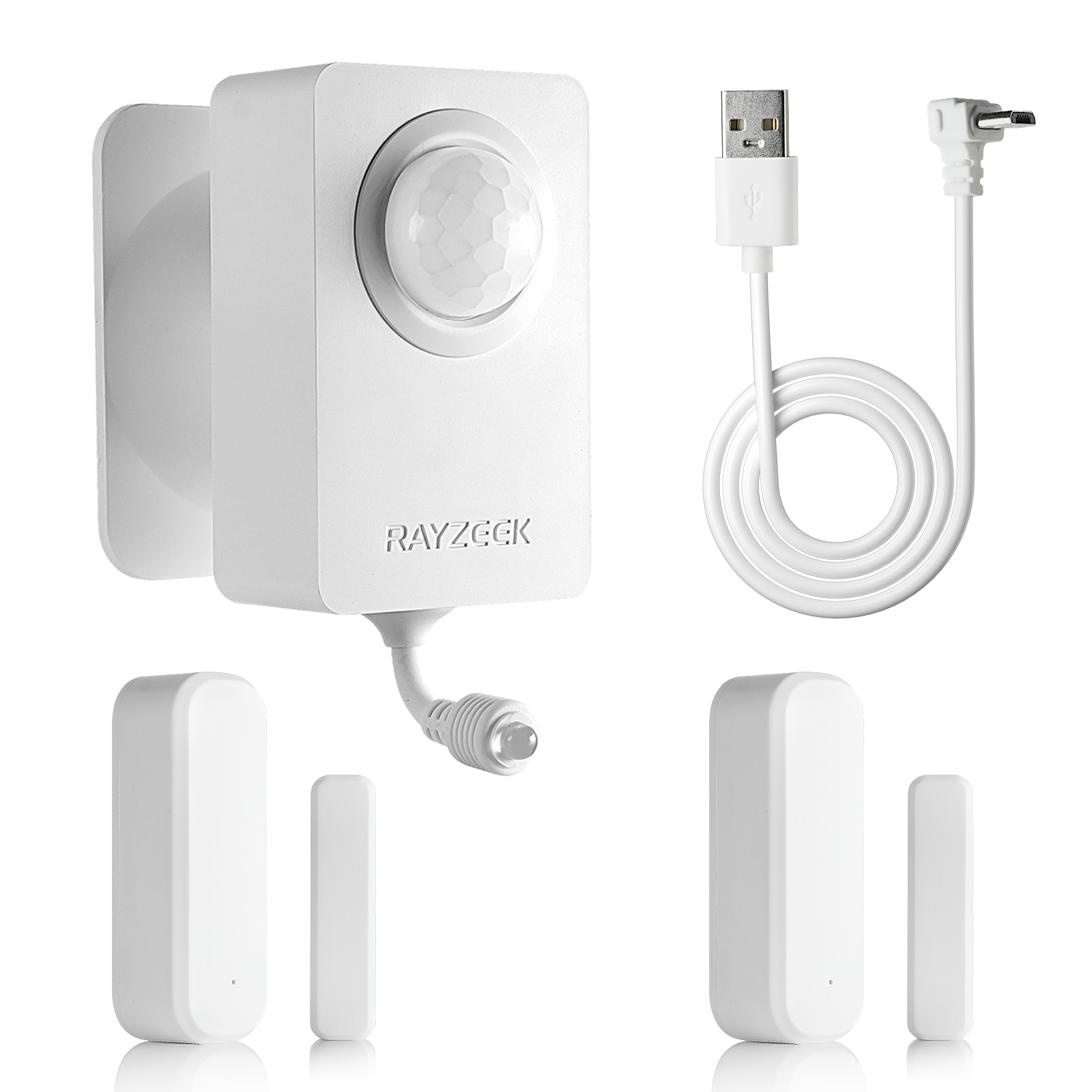
- 5V DC
- Transmission Distance: up to 30m
- Day/Night mode
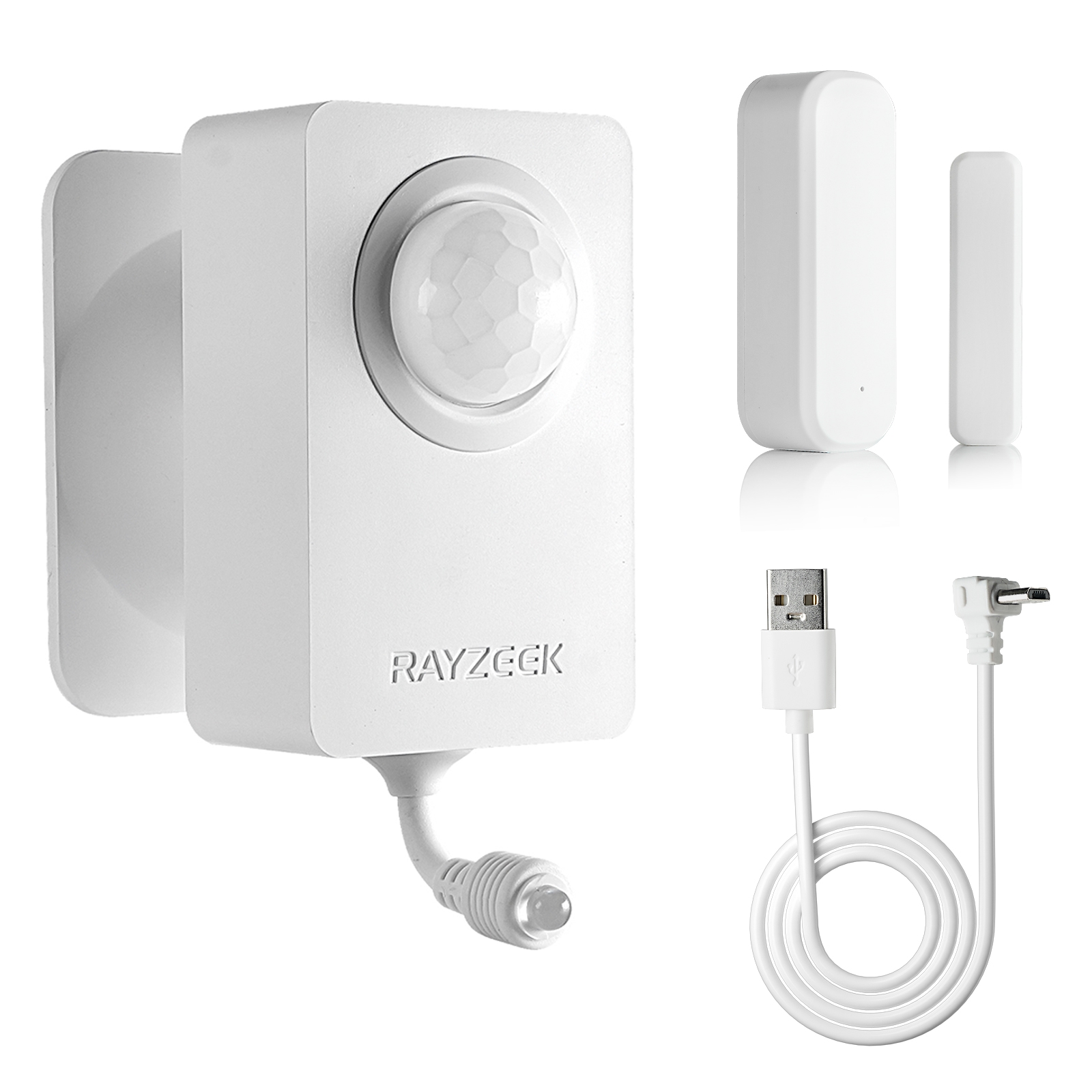
- 5V DC
- Transmission Distance: up to 30m
- Day/Night mode
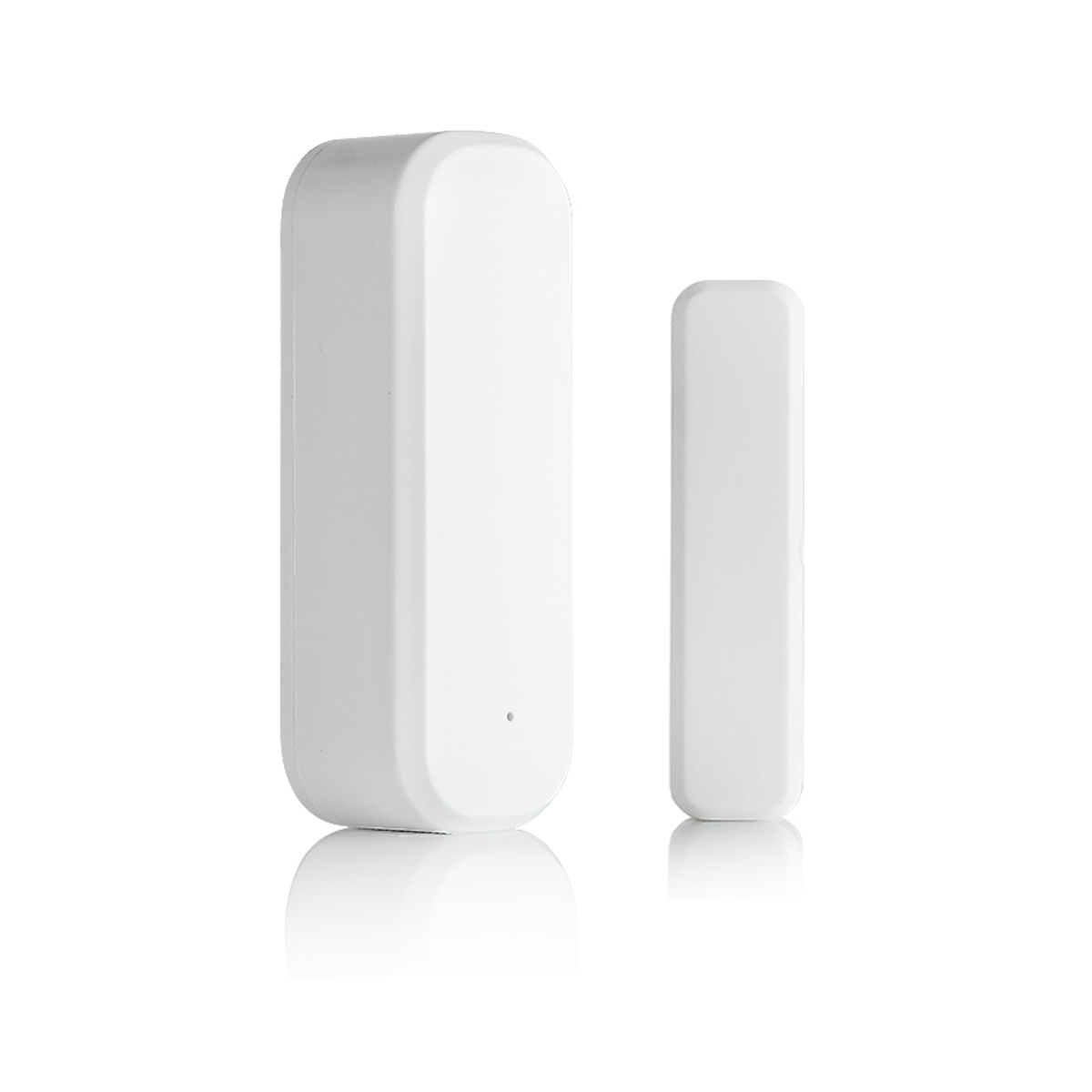
- Voltage: 2 x AAA
- Transmission Distance: 30 m
- Time delay: 5s, 1m, 5m, 10m, 30m
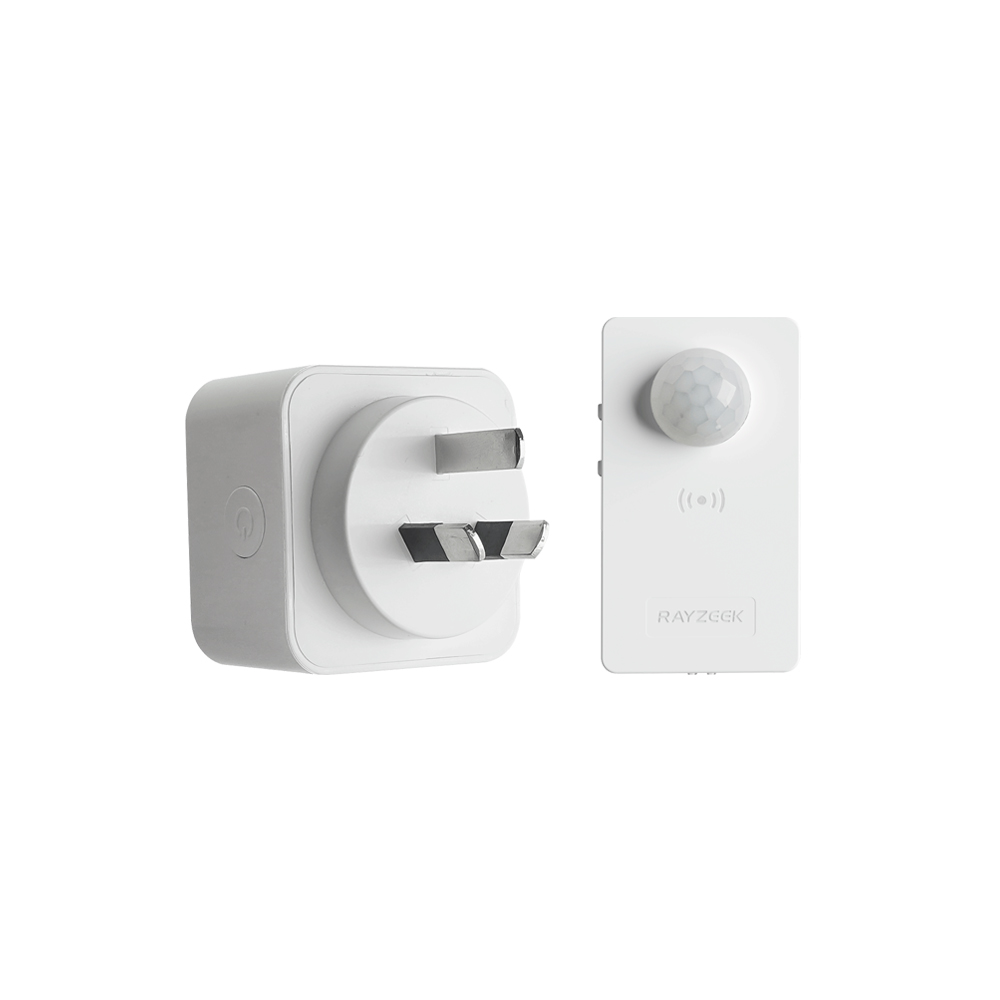
- Load Current: 10A Max
- Auto/Sleep Mode
- Time delay: 90s, 5min, 10min, 30min, 60min
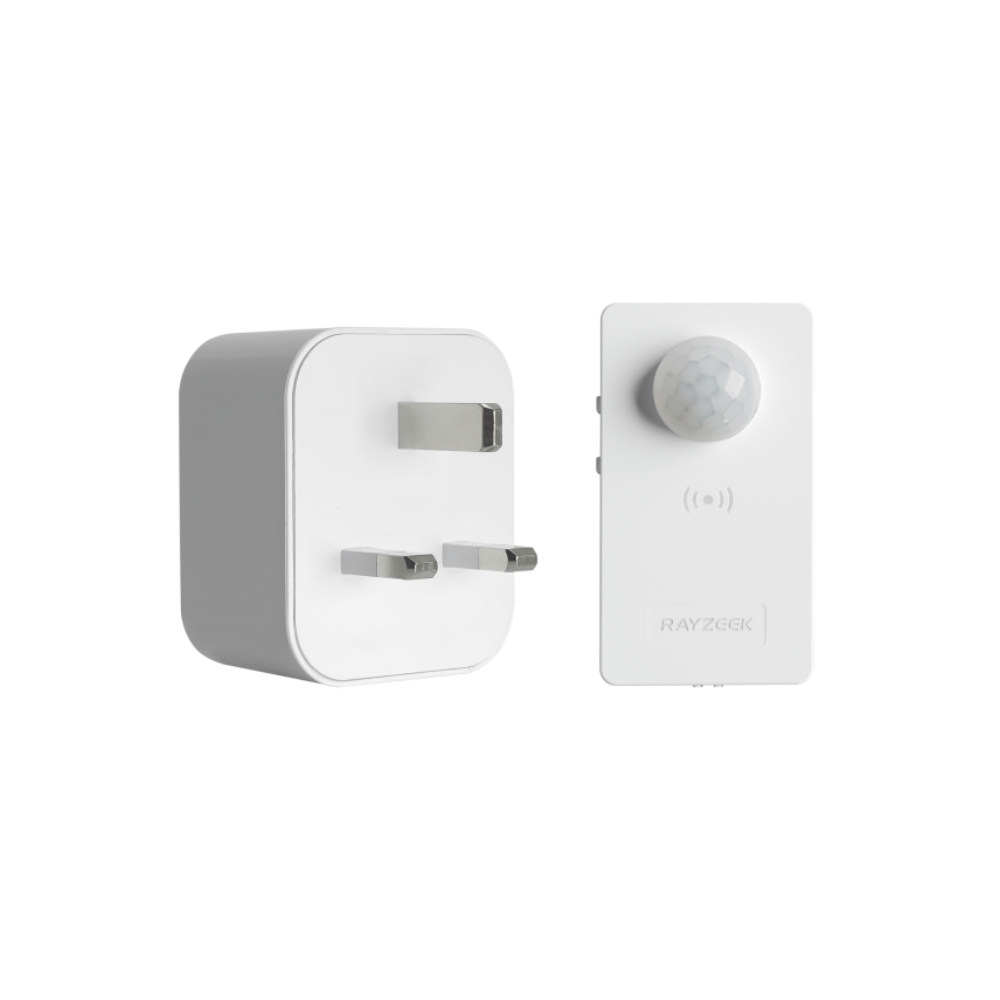
- Load Current: 10A Max
- Auto/Sleep Mode
- Time delay: 90s, 5min, 10min, 30min, 60min
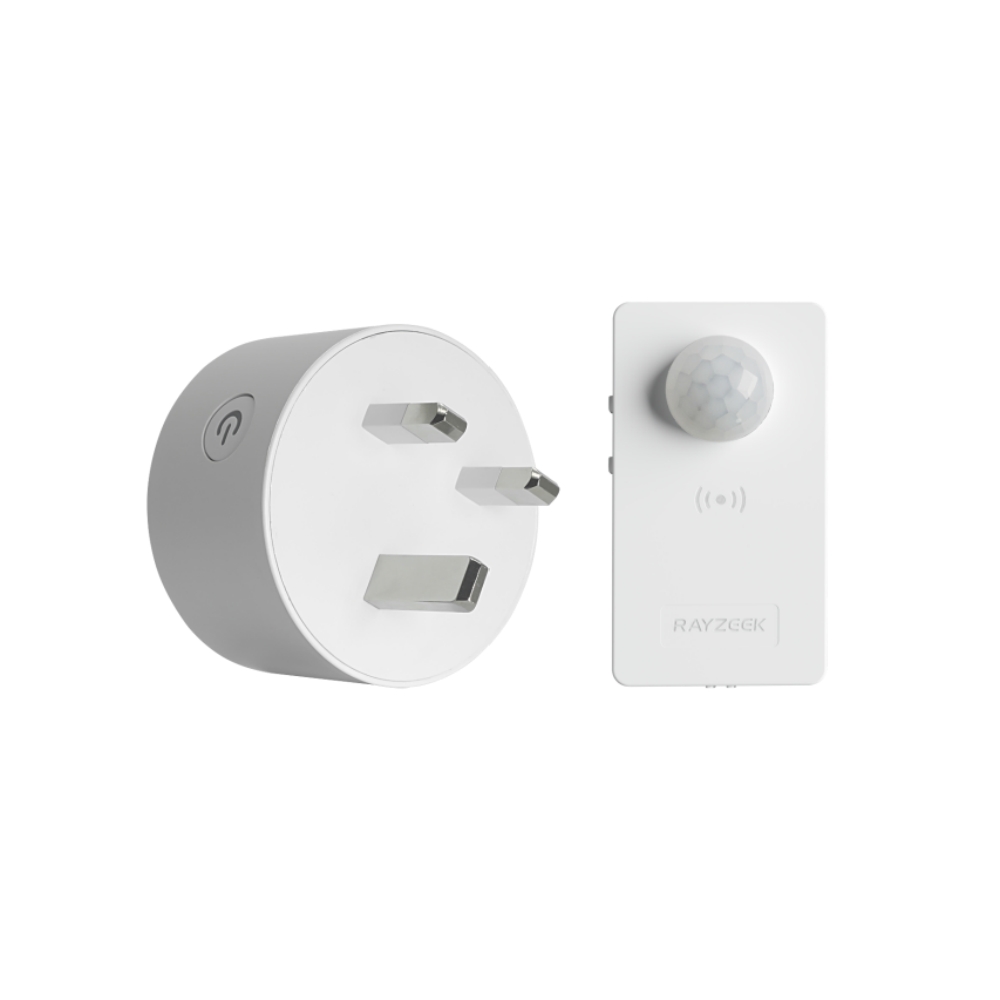
- Load Current: 10A Max
- Auto/Sleep Mode
- Time delay: 90s, 5min, 10min, 30min, 60min
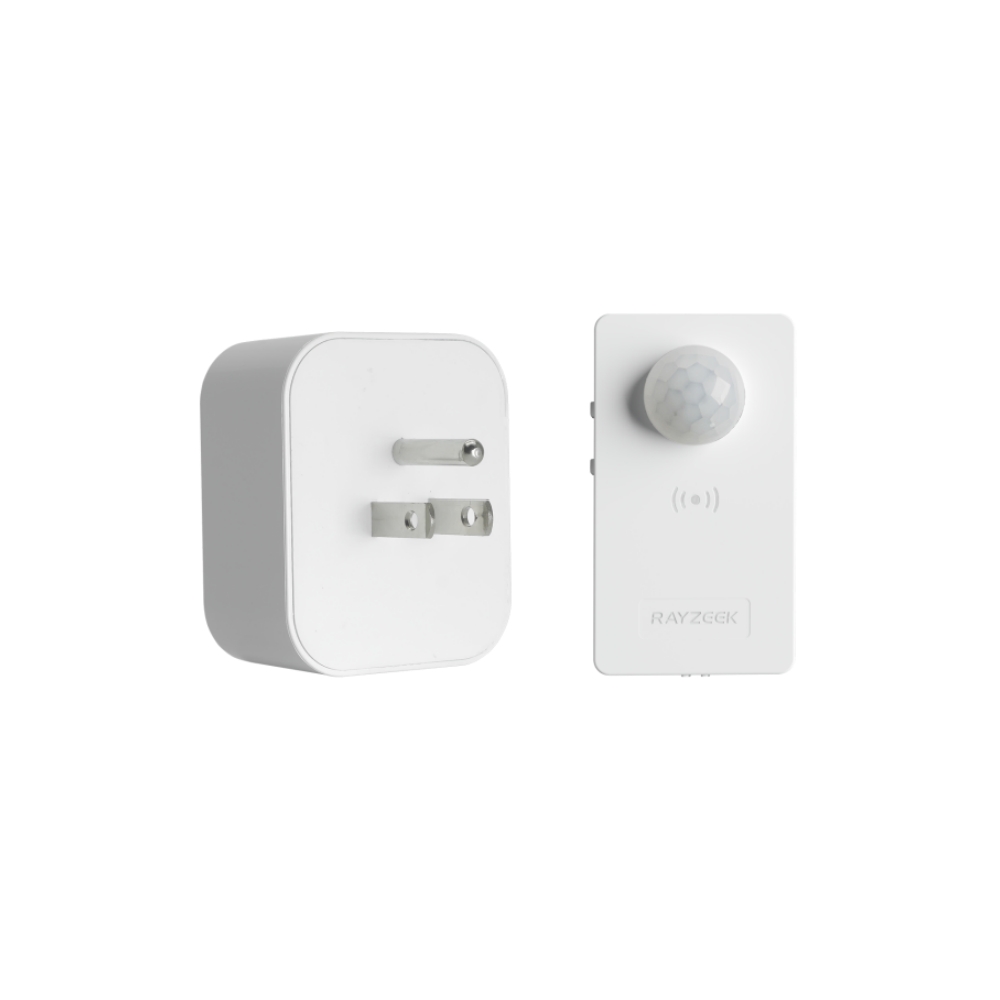
- Load Current: 10A Max
- Auto/Sleep Mode
- Time delay: 90s, 5min, 10min, 30min, 60min
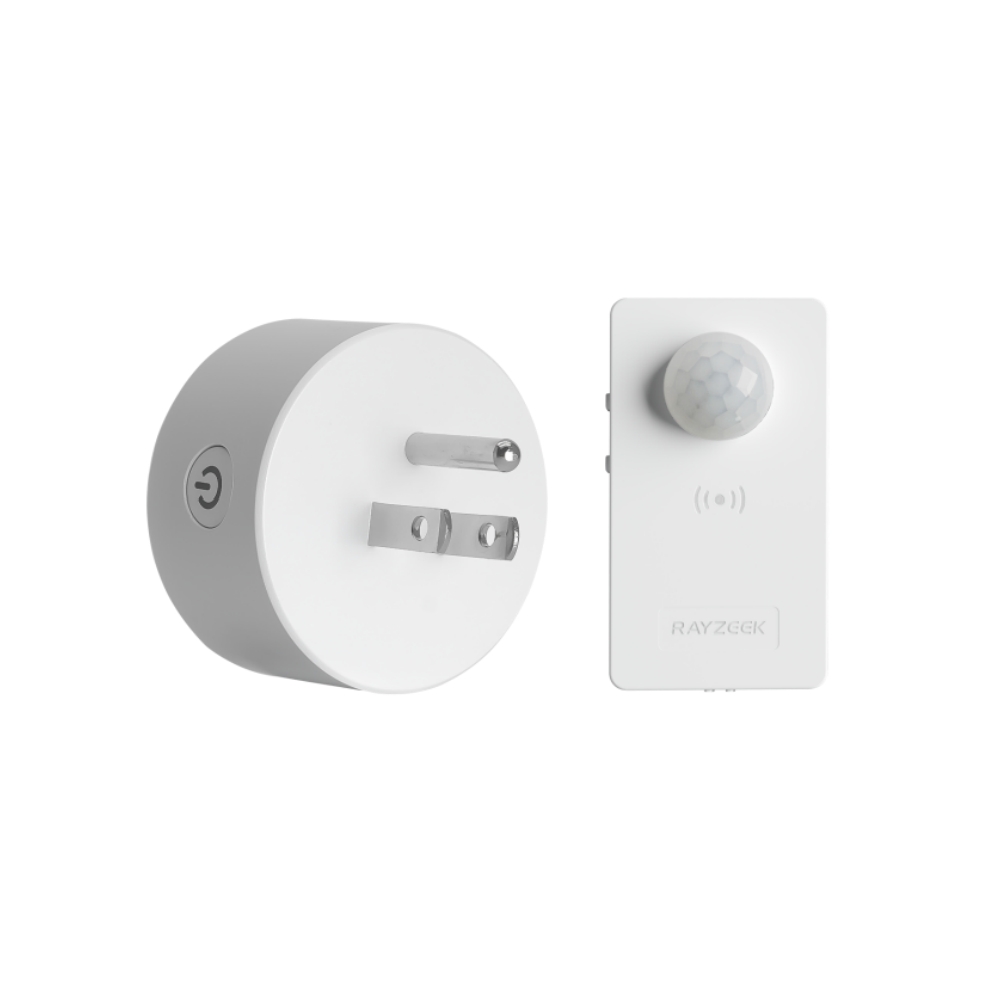
- Load Current: 10A Max
- Auto/Sleep Mode
- Time delay: 90s, 5min, 10min, 30min, 60min
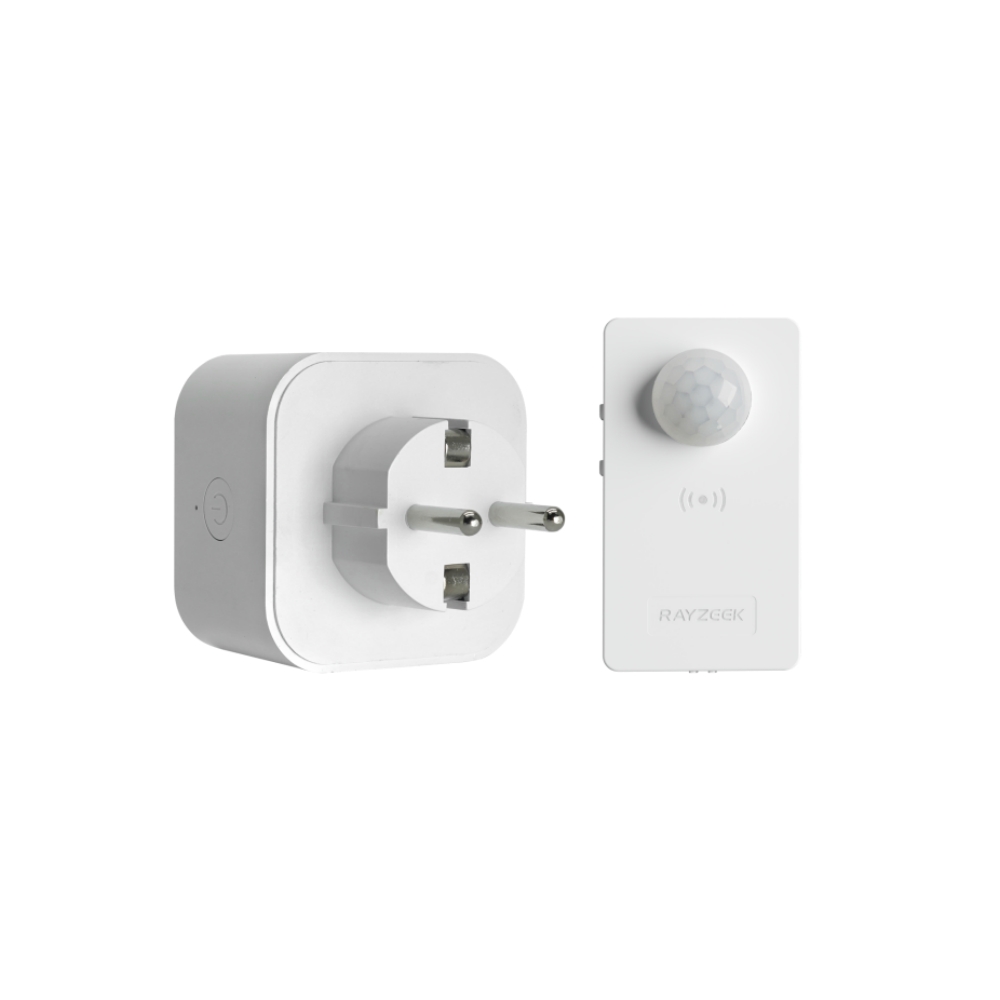
- Load Current: 10A Max
- Auto/Sleep Mode
- Time delay: 90s, 5min, 10min, 30min, 60min
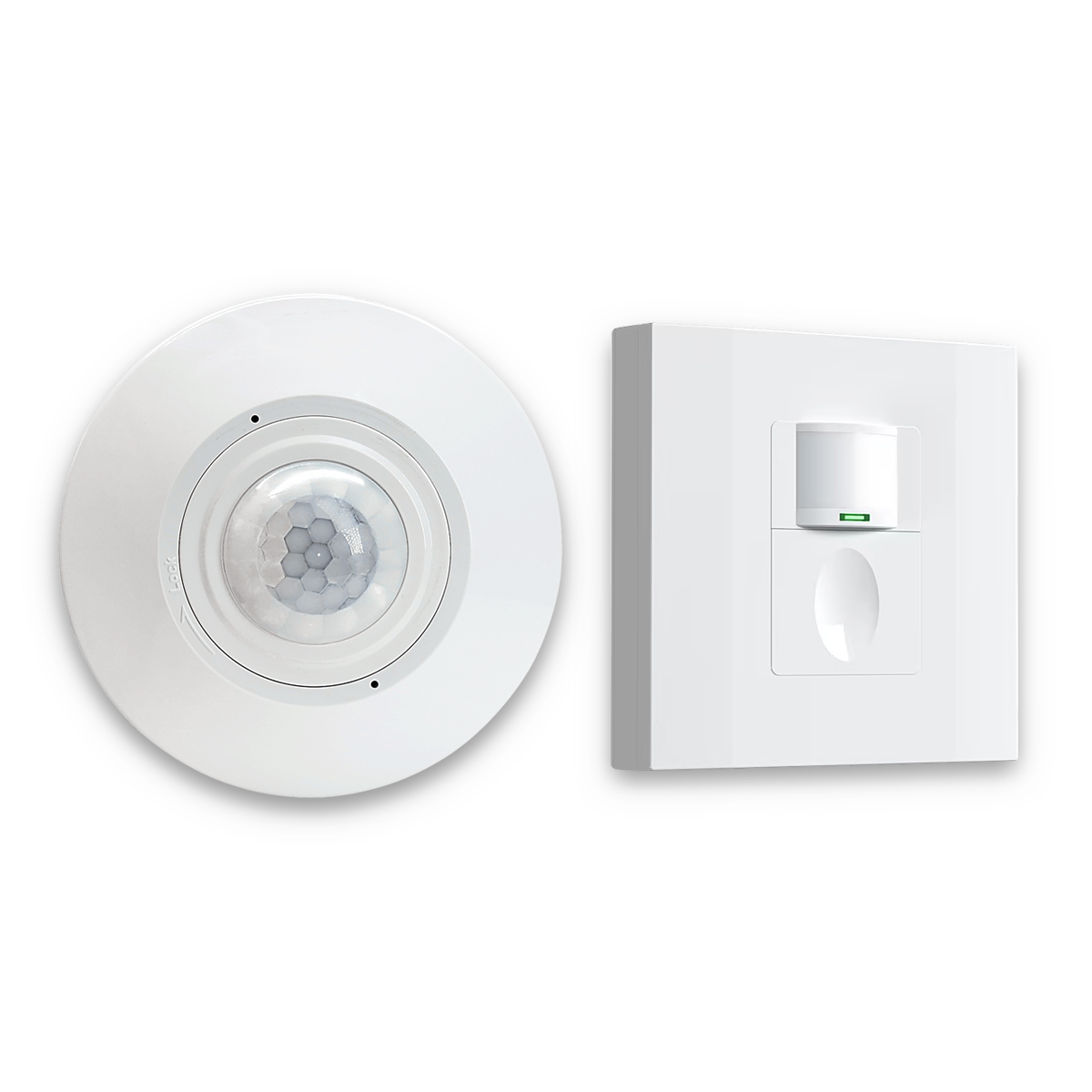
- Occupancy mode
- 100V ~ 265V, 5A
- Neutral Wire Required
- 1600 sq ft
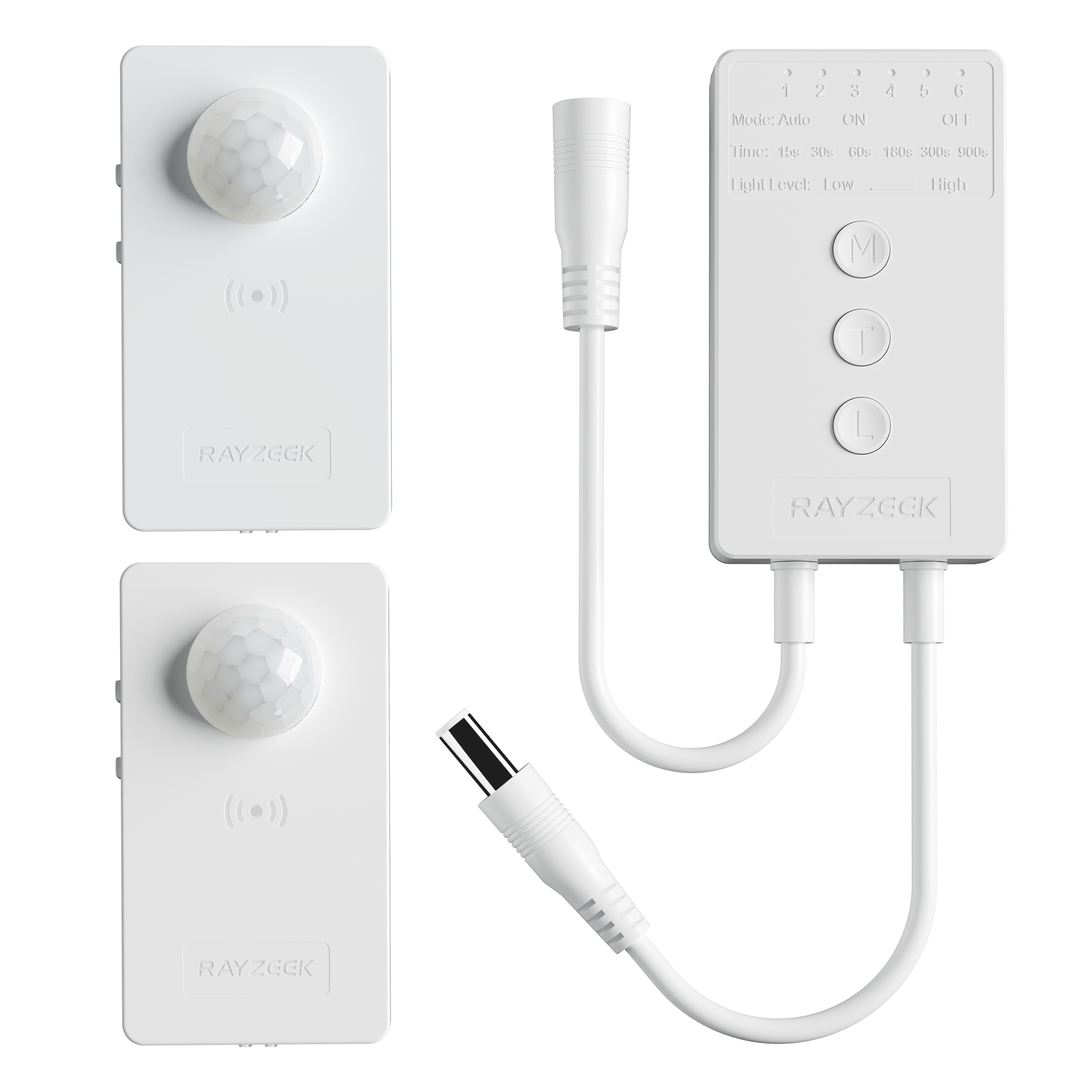
- Voltage: DC 12v/24v
- Mode: Auto/ON/OFF
- Time Delay: 15s~900s
- Dimming: 20%~100%
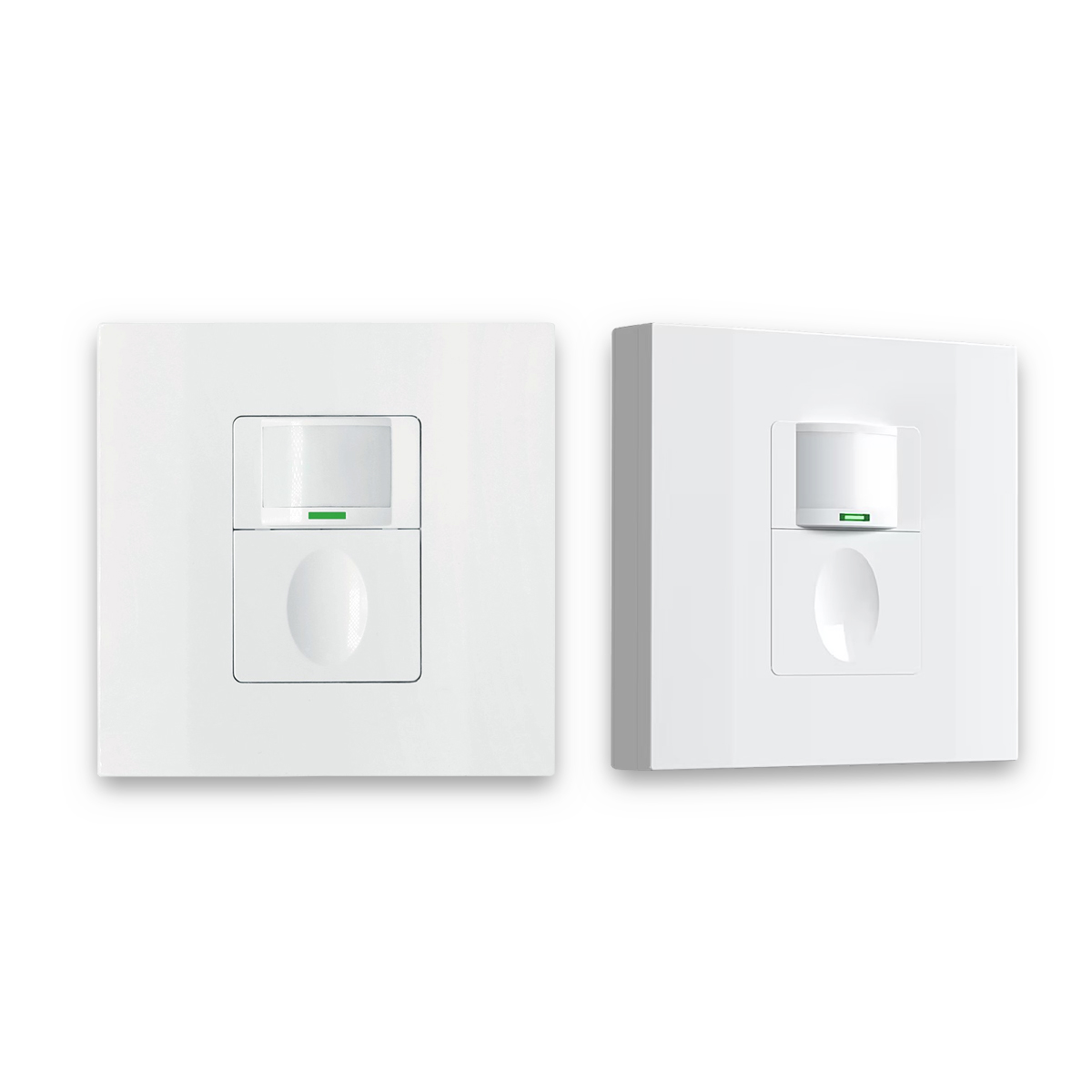
- Occupancy, Vacancy, ON/OFF mode
- 100~265V, 5A
- Neutral Wire Required
- Fits the UK Square backbox
Red-Team: The Three Pieces of Bad Advice That Create Callbacks
There are three popular fixes that reliably create stair callbacks.
One: “Set the shortest timeout to save energy.” This treats stairs like a hallway and people like lab subjects. In complaint logs, the KPI isn’t kilowatt-hours. It’s “tenants stop emailing” and “nobody trips” and “guests don’t ask how to turn on the stairs.”
Two: “Just add another sensor to cover the dead spot.” More coverage can mean more decision-makers and more conflicting timers. Without a single decider principle, extra devices often multiply failure modes.
Three: “Teach the household how it works.” That assumes guests, kids, renters, and future owners will get the memo. Houses don’t run on memos. They run on expectations.
This guide isn’t a wiring-diagram encyclopedia for every 3‑way variant across decades. The point is to keep the behavior normal and the maintenance future-proof, not to win a forum argument with clever relay logic hidden in a 3‑gang box.
If the system can’t be explained simply and tested simply, it’s not done yet.
Walk-Test Protocol + 60‑Second Handoff (Rayzeek Included, With Caveats)
A stair system should be tested the way it will be used: low light, distracted, hands full. The mental test condition Mara uses in classes is basically “January morning, jacket on, laundry basket in front of your body.” That’s the user the system has to satisfy.
Here’s a walk-test protocol that catches most failures before people live with them:
- Turn off overhead daylight assumptions: Test at night or early morning if possible.
- Approach from the bottom at a normal pace: Confirm the light comes on before the first step.
- Stop on the landing for 10–15 seconds: Do not wave arms. Confirm the light stays on.
- Continue up: Confirm it stays on through the turn and the last few steps.
- Approach from the top: Confirm it comes on before the first step down.
- Pause mid-flight or at the landing again: Confirm no mid-stair darkness.
- Try manual control from both ends: Confirm a person can force it on, and can turn it off.
- Walk past adjacent doors/rooms that shouldn’t control the stairs: Confirm the sensor isn’t “watching the wrong room.”
- If there are nuisance triggers (mirror, vent, pets): Recreate the trigger and confirm the fix is actually a geometry fix, not luck.
If the system fails any step, adjust in this order: placement/aim → decision roles (one decider) → timeout. Don’t lead with sensitivity or fancy modes.
A 60‑second homeowner handoff can be as straightforward as:
“This stair light acts like a normal 3‑way, but it can also come on automatically. From either end, you can always get the light. If you pause on the landing, it stays on long enough to get through safely. If you want it off, either switch location can turn it off. If it ever feels like it’s coming on at random, it’s usually seeing motion from somewhere it shouldn’t—doorway, mirror, vent—and that’s a placement/aim tweak, not a mystery.”
One uncertainty note belongs in any Rayzeek-specific conversation: Rayzeek PIR switch models and revisions can differ in setting names and exactly how multi-location behavior is configured. The safe move is to verify the manual for the exact unit in hand and then validate behavior with the walk test. The same goes for local code expectations around stair/egress lighting controls: it varies by AHJ, and anyone doing permitted work should confirm what their inspector expects.
The win condition is simple and not glamorous: guest-proof stairs, every day, without anyone needing instructions to avoid the dark spot on the landing.