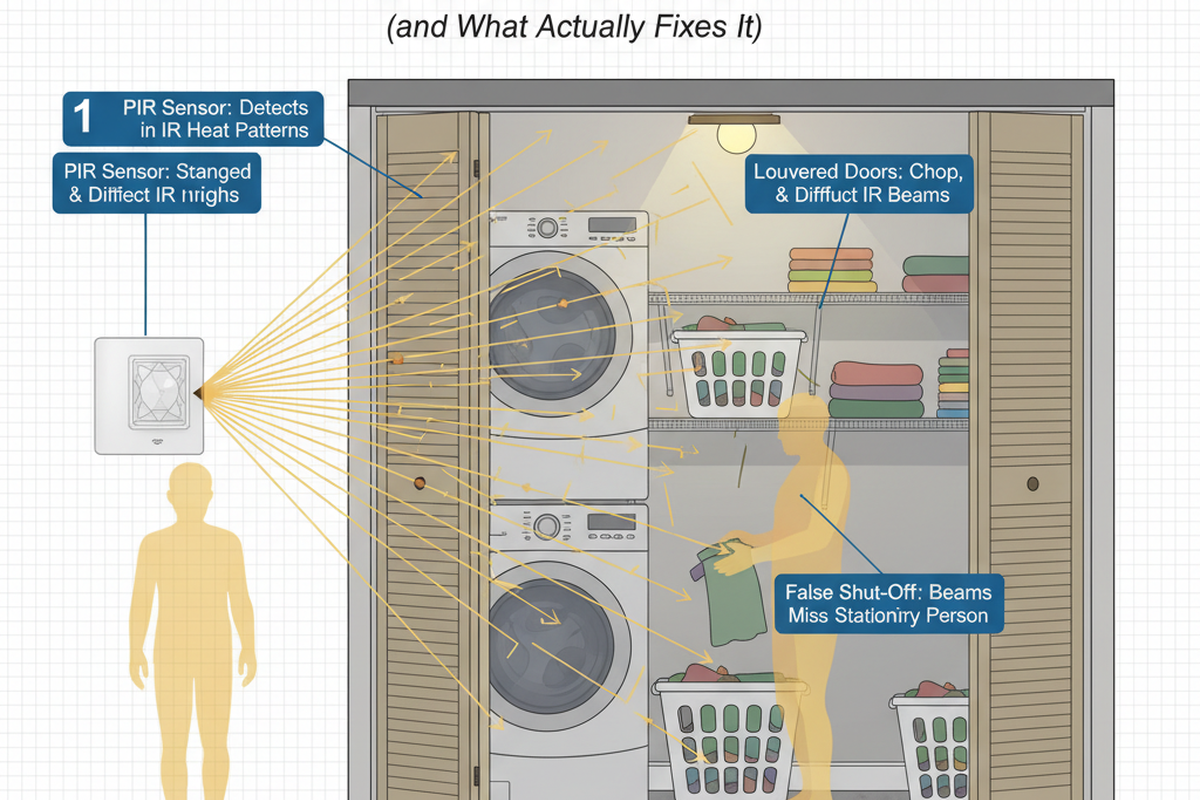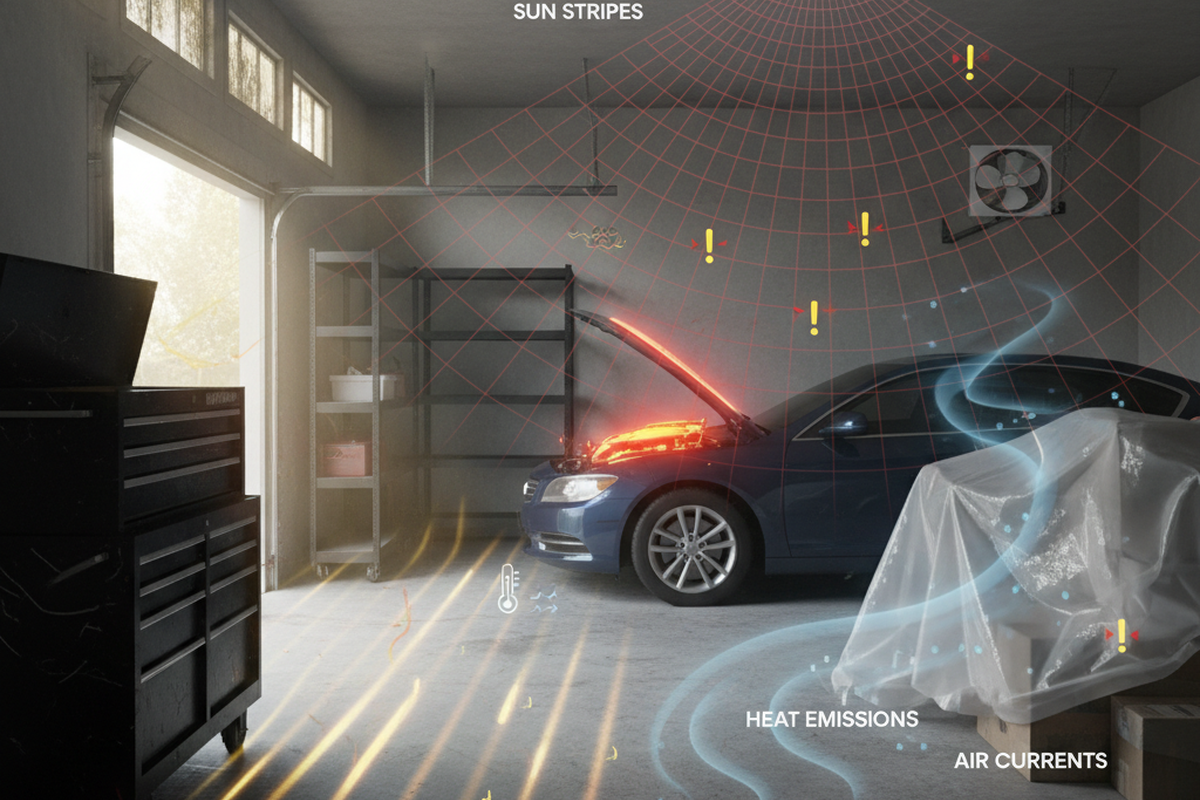
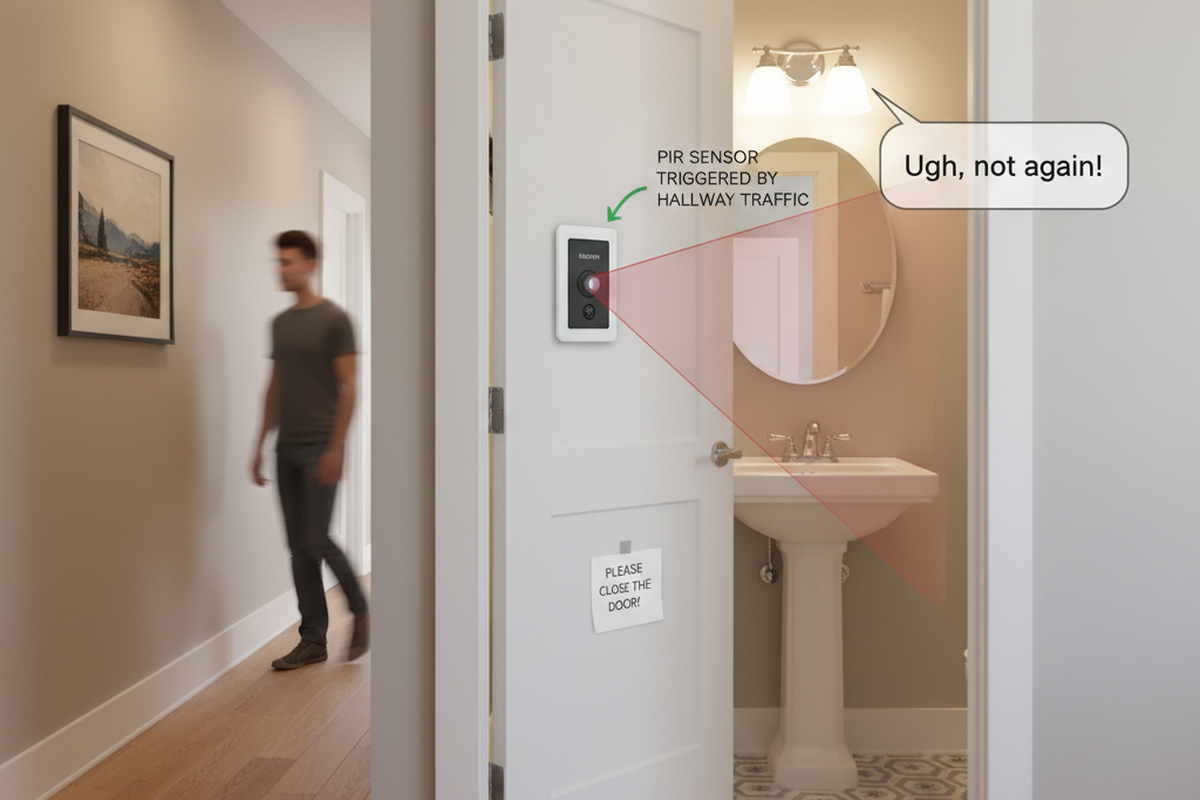
A bathroom PIR switch that turns on all day from hallway traffic is the kind of “small” annoyance that grinds a household down. It wastes light, defeats the purpose of an occupancy switch, and makes people feel like the bathroom is watching them. In Arvada in Spring 2023, one powder room with a Lutron Maestro MS-OPS2 became a daily complaint simply because the door lived open around 35–40°.
Sometimes the door is open out of habit. Sometimes the basement gets stuffy, the exhaust fan is weak, or kids just never close it. In a finished basement in Littleton (Fall 2024), a bathroom near the stairs stayed lit through most workdays because the door was propped for airflow, giving the sensor a clean view of the stair landing. The fix wasn’t a lecture about closing doors. It was a design change that treated “door open” as the permanent condition.
A PIR switch cannot respect a room boundary that does not exist in its field of view. The only way out of the “on all day” loop is to understand what the sensor is seeing and take that hallway slice out of its world.
One Sentence Mechanism (Then the Real Mechanism)
When the bathroom door is open, the PIR sees the hallway.
Get Inspired by Rayzeek Motion Sensor Portfolios.
Doesn't find what you want? Don't worry. There are always alternate ways to solve your problems. Maybe one of our portfolios can help.
That sounds too simple, but it matches what repeatedly shows up in lived-in houses: the door is not just a door; it is a moving boundary plane. In the Arvada powder room, the trigger happened at the same hallway tile seam during walk-bys when the door rested at its typical 35–40° angle. At night it “seemed fine,” tempting the homeowner to declare the device defective. But in daylight, with school-morning hallway traffic, that specific geometry turned the bathroom into a hallway-controlled light.
Once you view the mechanism as line-of-sight through a doorway slice, troubleshooting stops being mystical. The job is to ensure the sensor reliably catches the first step inside the bathroom while ignoring a normal hallway pass-by.
We need to address a common scapegoat here: the family pet. In Wheat Ridge (early 2022), a 70 lb Labrador was accused of triggering a bathroom sensor. The homeowners swapped two units (a Leviton device and a random Amazon unit) before anyone verified the trigger. When we reproduced the hallway trigger with the dog asleep, the pattern lined up with a human crossing a specific point in the hall with the door open. “Pet immune” marketing wasn’t the solution; excluding the hallway slice was.
The next step isn’t another purchase. It is a walk test that makes the trigger visible on purpose.
Mechanism Trace: Door–FOV–Trigger Chain
In that Littleton basement (Fall 2024), the complaint was framed as “it’s too sensitive” and “it’s on all day.” The actual chain was mechanical: the bathroom door was propped open for airflow, and the wall switch location gave the PIR a direct view of the stair landing. Every trip to laundry or storage became “motion in view.” If the switch was set to a typical timeout, the countdown kept getting refreshed by hallway movement. In a work-from-home context, that meant background light flicker during Zoom calls and steady irritation. The symptom (lights on constantly) looked like a timer behavior, but the cause was the main traffic corridor sitting inside the sensor’s world.
The Arvada powder room case (Spring 2023) showed the same chain in a smaller, more revealing way. A door that “usually stays open” around 35–40° turns the hallway into part of the PIR’s coverage. A Fresnel lens divides the world into detection zones that can extend through a doorway if the switch points that way. Once that hallway slice exists, a normal walk-by becomes “occupancy,” even though nobody entered the room. The tell is consistency: the trigger shows up at the same physical point (a tile seam, a doorway edge, the top of a stair) and appears during the household’s real routine, not in a theoretical “door closed” scenario.
Renovated bathrooms often introduce a “cousin” problem: mirrors and glass making the trigger feel spooky. In Aurora (2018), a large vanity mirror opposite the door coincided with triggers from people lingering in the hallway. The homeowner wanted a clean physics explanation (“reflecting infrared”). The practical explanation was simpler: the geometry was weird. The sensor had a usable line through the doorway that aligned with a segment that “felt” larger because of the reflective surface. Masking the mirror-facing segment and slightly aiming inward reduced the hallway triggers enough to stop the diagram emails. Mirrors and glass are complicators, not a single-cause story. You still have to identify the slice causing the hallway trigger and remove it.
Constraints decide which fixes are ethical and realistic. In a Denver Capitol Hill duplex rental (Summer 2020), the only accessible electrical box was in the hallway feeding the bathroom light, and the walls were plaster/lathe. In this situation, “just relocate it inside the bathroom” isn’t a quick suggestion; it is dust, patching, and budget conflict. Under a landlord budget cap of $150, the reliable path was to prototype a mask quickly with matte black gaffer tape while the tenant walked the hallway at night, then commit to a cleaner vinyl tape mask after proving the exact cut line. It wasn’t glamorous up close, but it was reversible and respected the constraint.
Smart-home logic can also turn a small geometry problem into a full-day failure. In a Denver bungalow (2019), a narrow hallway and a bathroom sensor were tied to an automation rule that extended on-time every time motion was detected. That “feature” amplified the hallway slice problem: false hallway motion refreshed the timer indefinitely, and the light effectively never timed out. Disabling the timer-extension rule and using a straightforward switch-level timeout helped, but the solution still depended on the physical fix. When the hallway slice is wrong, more automation just makes the wrong thing happen more confidently.
Finally, be careful with marketing claims regarding lens patterns. “Wide angle” coverage varies by model and mounting height, and packaging language does not predict doorway behavior in every layout. The way to beat that uncertainty isn’t arguing about degrees; it is doing a reproducible walk test and changing one variable at a time.
Walk-Test Protocol (5–10 Minutes That Saves $200)
The fastest way to stop guessing is to reproduce the false trigger on purpose. In the Arvada powder room, the door was set to its typical resting angle (about 35–40°), and a simple “walk past like a normal morning” test showed the light tripping at a consistent hallway tile seam. That single observation made the rest of the work obvious: the hallway was inside the sensor’s view, and the goal was to remove that view without losing the “first step inside” trigger.
A walk test isn’t a vibe check. It needs pass/fail criteria.
- Set the door to its normal position (closed, cracked, or propped—do not use the “ideal” position).
- Stand where the household actually walks (top of stairs, hallway pinch point, vanity approach).
- Do three passes: normal walk-by, slow walk-by, then an exaggerated arm-wave pass at the same distance.
- Mark the trigger point (a tile seam, the edge of a runner, a stair tread) and note the distance to the doorway.
- Then do “first step inside” tests: step across the threshold normally and confirm reliable turn-on.
- Change one variable at a time: aim direction if adjustable, masking a small slice, sensitivity if available, then timeout.
- After each change, repeat the hallway pass-by and the first-step-in test with the same door position.
- Stop when hallway pass-by stays off and first-step-in stays reliable.
There is also a safety boundary: any change that involves removing a switch from a box is electrical work. The responsible line is simple: breaker off, verify power is off, or hire a licensed electrician. You can still diagnose the geometry problem without touching wiring; masking tests can be done externally with temporary tape, and the behavioral tests (door angle + walk paths) provide the main evidence.
Once the walk test reveals the hallway slice, the fix options become a ranked ladder rather than a shopping spree.
Looking For Motion-Activated Energy-Saving Solutions?
Contact us for complete PIR motion sensors, motion-activated energy-saving products, motion sensor switches, and Occupancy/Vacancy commercial solutions.
Fix Options Ranked (Aim → Mask → Relocate → Settings)
The least invasive fix is aiming—changing what the sensor is “watching.” In many hallway-adjacent bathrooms, the failing pattern is a switch installed on a wall that gives it a view straight out of the doorway like a lighthouse. A more reliable pattern designs for the approach path inside the room: place or aim so the sensor catches the first step in, not the corridor outside it. In the Littleton basement case, moving the sensing perspective to the inside wall near the vanity shifted attention away from the stair landing. The primary traffic corridor stopped being relevant, and the “on all day” behavior disappeared without needing a new sensor.
Where aiming is possible, prove it; don’t assume it. In Arvada, a small rotation of the Lutron Maestro MS-OPS2—roughly 15–20°—plus a deliberate mask on the hallway-facing edge eliminated daytime hallway triggers while keeping the desired auto-on. The homeowner tried to break it by walking past repeatedly, and the light stayed off until someone actually crossed the threshold. That is the goal state: the sensor responds to entry, not to passing presence.
Masking deserves its own direct stance: it is not a hack when done deliberately and tested. In the Denver Cap Hill rental, masking was the ethical fix because relocation would have meant plaster/lathe damage beyond the budget cap. The responsible way to mask is to prototype quickly (matte black gaffer tape), verify the cut line with a real hallway walk path, and then replace the prototype with a cleaner, more durable mask (neat vinyl electrical tape or a manufacturer-provided insert). The failure mode here is over-masking, creating missed detection inside the bathroom. Always pair masking with a “first step inside” pass/fail test.
We need to address a common confusion that causes real harm: some households aren’t fighting false-ons; they are fighting lights turning off while someone is still in the bathroom. In Lakewood (late 2021), a master bath with a glass shower, ceiling fan, and heat lamp punished simplistic placement ideas. Steam, glass, and people being partially hidden produced inconsistent detection in the shower area. This is not the same problem as hallway snitching. A hallway-trigger fix is mostly geometry (exclude the hallway slice). A stillness fix is about comfort fail-safes: longer timeouts, reliable “first step in” detection, and sometimes a different sensing approach (like presence sensors/mmWave).
Bathrooms also deserve conservative defaults because the worst failure is lights off while occupied. In Lakewood (2019), an elderly client complained about lights turning off while she was seated. Extending the timeout and providing a manual override option (an always-on mode) stopped the complaints. That is the “max-min” framing: prevent the worst failure first, then reduce nuisance triggers. In practical terms, bathroom timeouts tend to land in a longer range than closets—often 10–20 minutes. The social cost of darkness in a bathroom is high, and the energy savings from shaving a few minutes is small compared to the damage to trust.
Only use settings as tuning after the geometry is correct. Sensitivity changes can reduce the chance of catching a hallway pass-by, but they can also reduce reliability inside the room. Timeouts can reduce the annoyance of a false-on, but they can also worsen the “on all day” pattern if hallway retriggers exist—especially when a smart automation refreshes the timer. Settings work best as secondary adjustments once the hallway slice is excluded. They do not fix a clean line-of-sight through an open doorway.
Maybe You Are Interested In
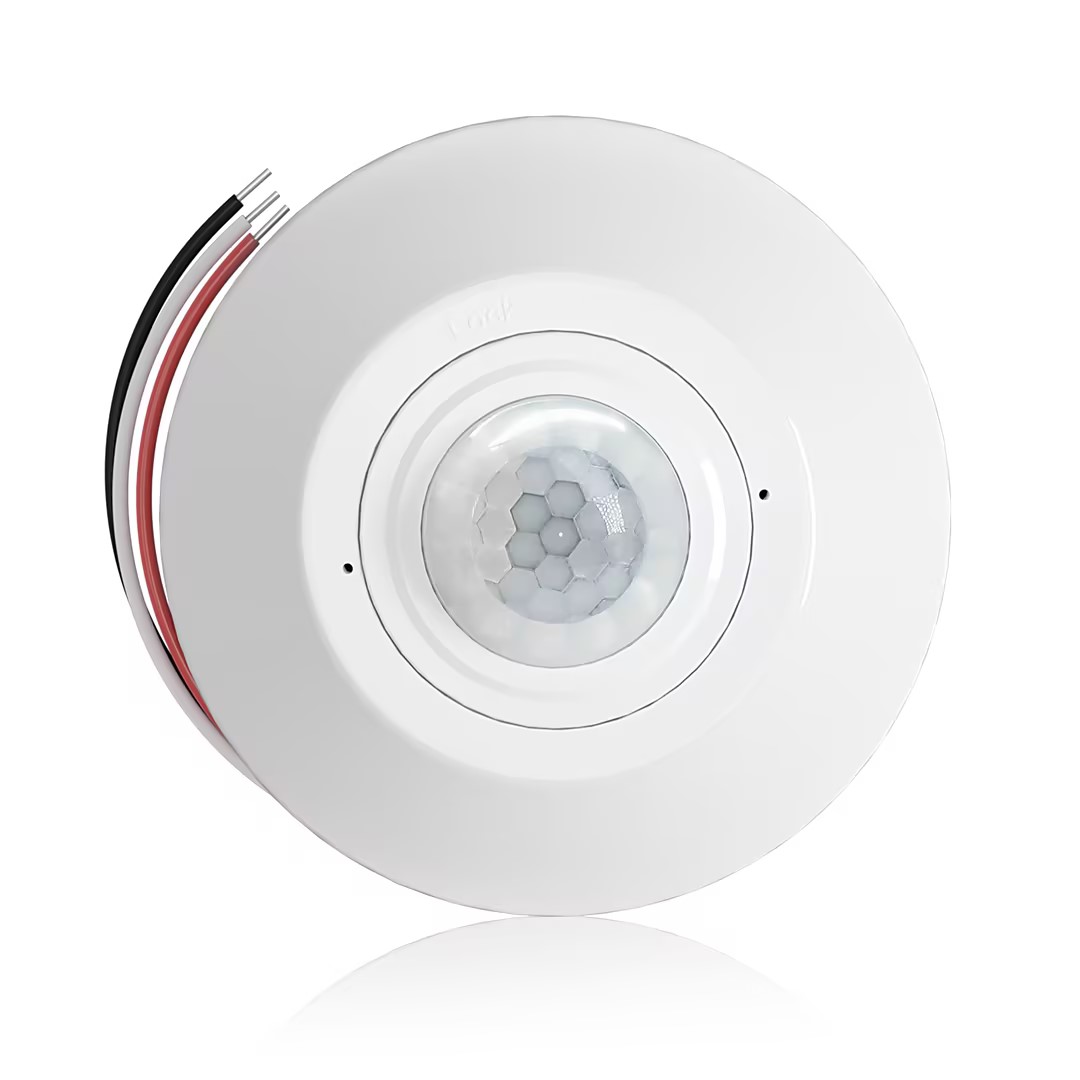
- Occupancy (Auto-ON/Auto-OFF)
- 12–24V DC (10–30VDC), up to 10A
- 360° coverage, 8–12 m diameter
- Time delay 15 s–30 min
- Light sensor Off/15/25/35 Lux
- High/Low sensitivity
- Auto-ON/Auto-OFF occupancy mode
- 100–265V AC, 10A (neutral required)
- 360° coverage; 8–12 m detection diameter
- Time delay 15 s–30 min; Lux OFF/15/25/35; Sensitivity High/Low
- Auto-ON/Auto-OFF occupancy mode
- 100–265V AC, 5A (neutral required)
- 360° coverage; 8–12 m detection diameter
- Time delay 15 s–30 min; Lux OFF/15/25/35; Sensitivity High/Low
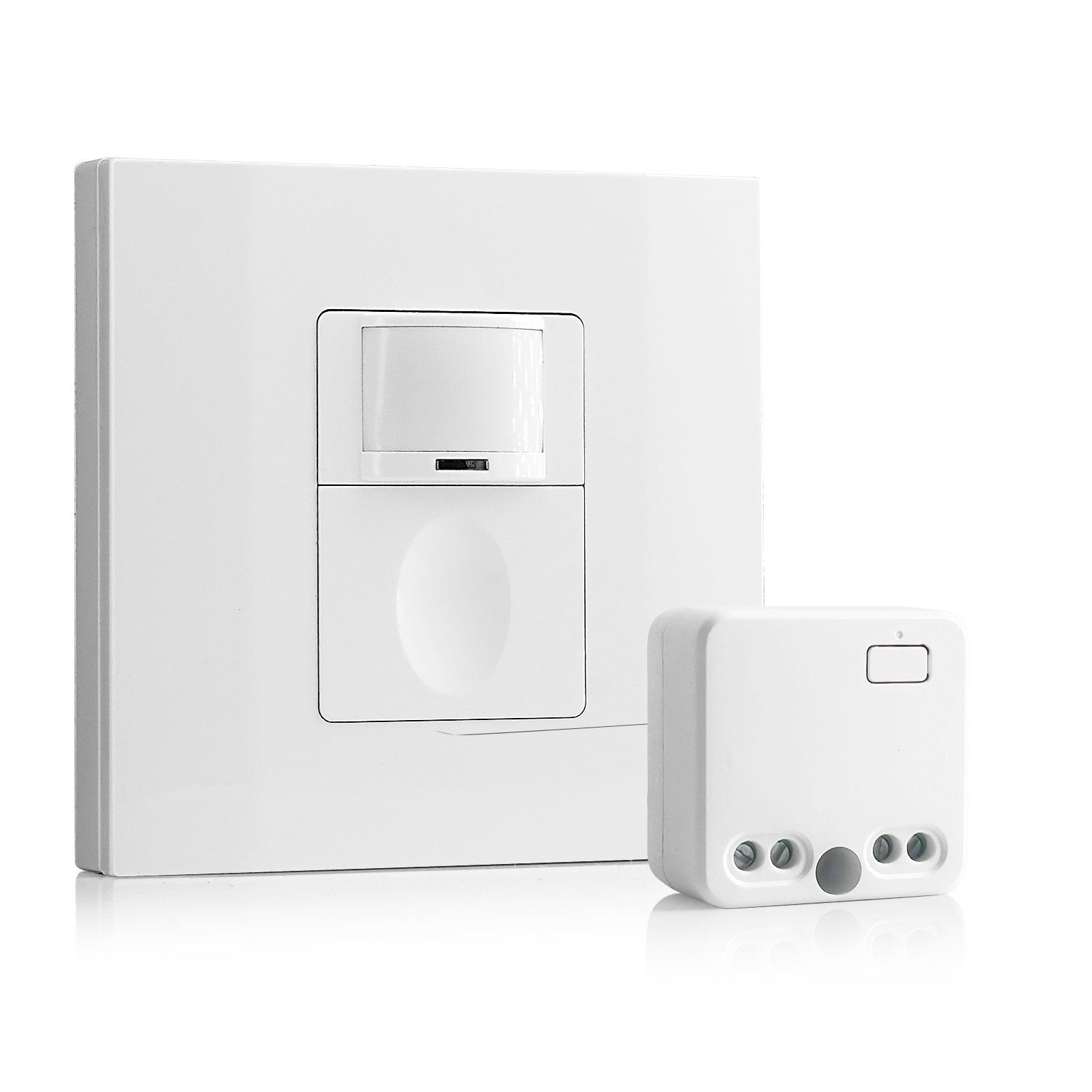
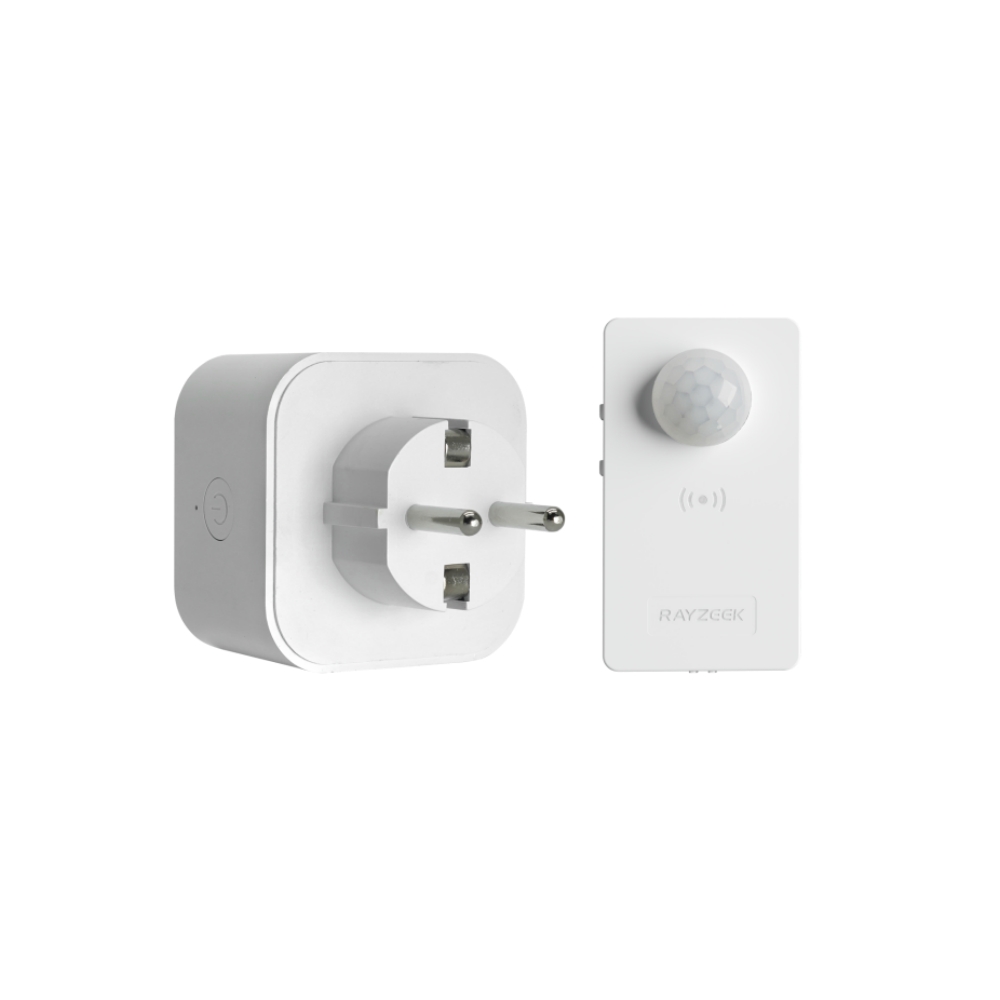
- 100V-230VAC
- Transmission Distance: up to 20m
- Wireless motion sensor
- Hardwired control
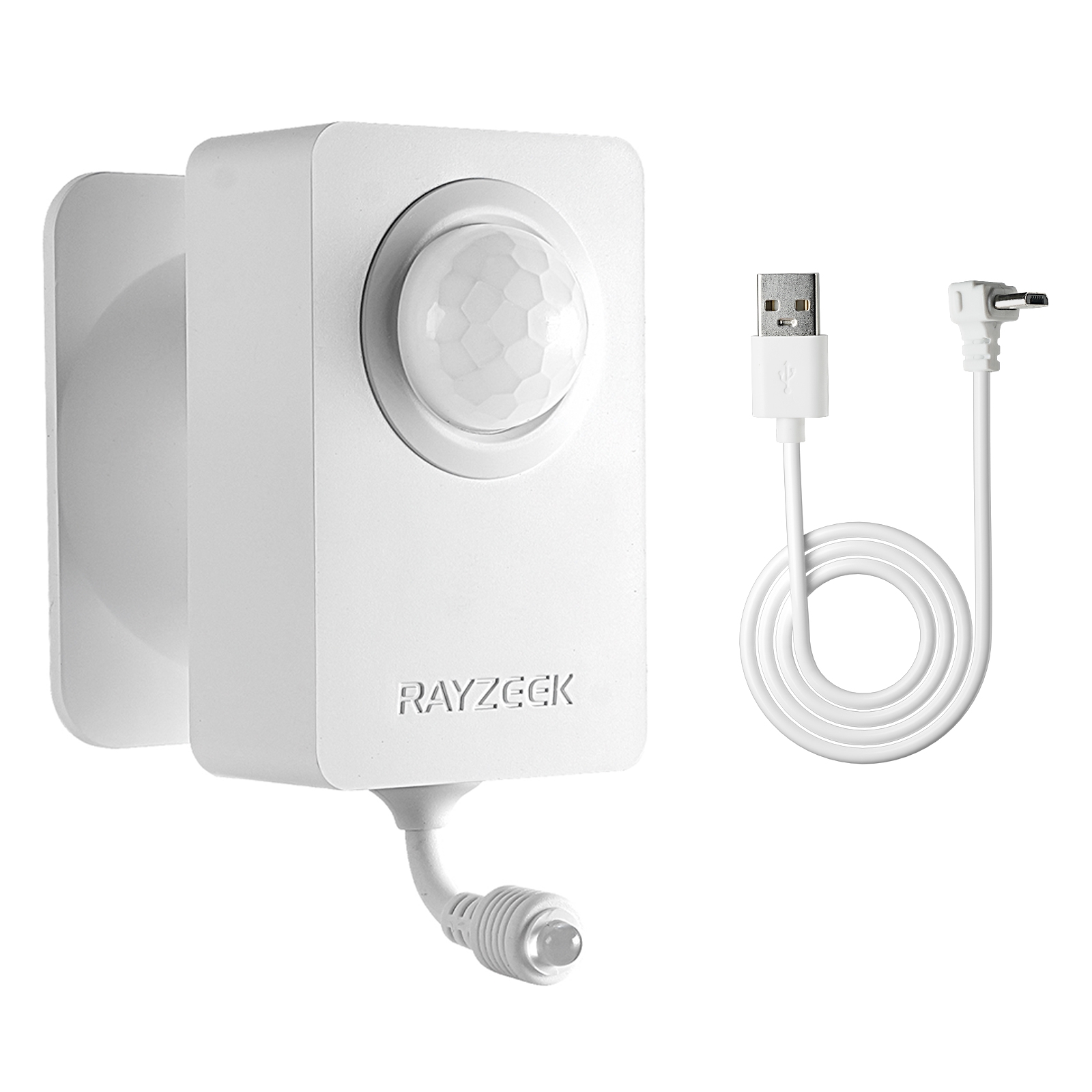
- Voltage: 2x AAA Batteries / 5V DC (Micro USB)
- Day/Night Mode
- Time delay: 15min, 30min, 1h(default), 2h
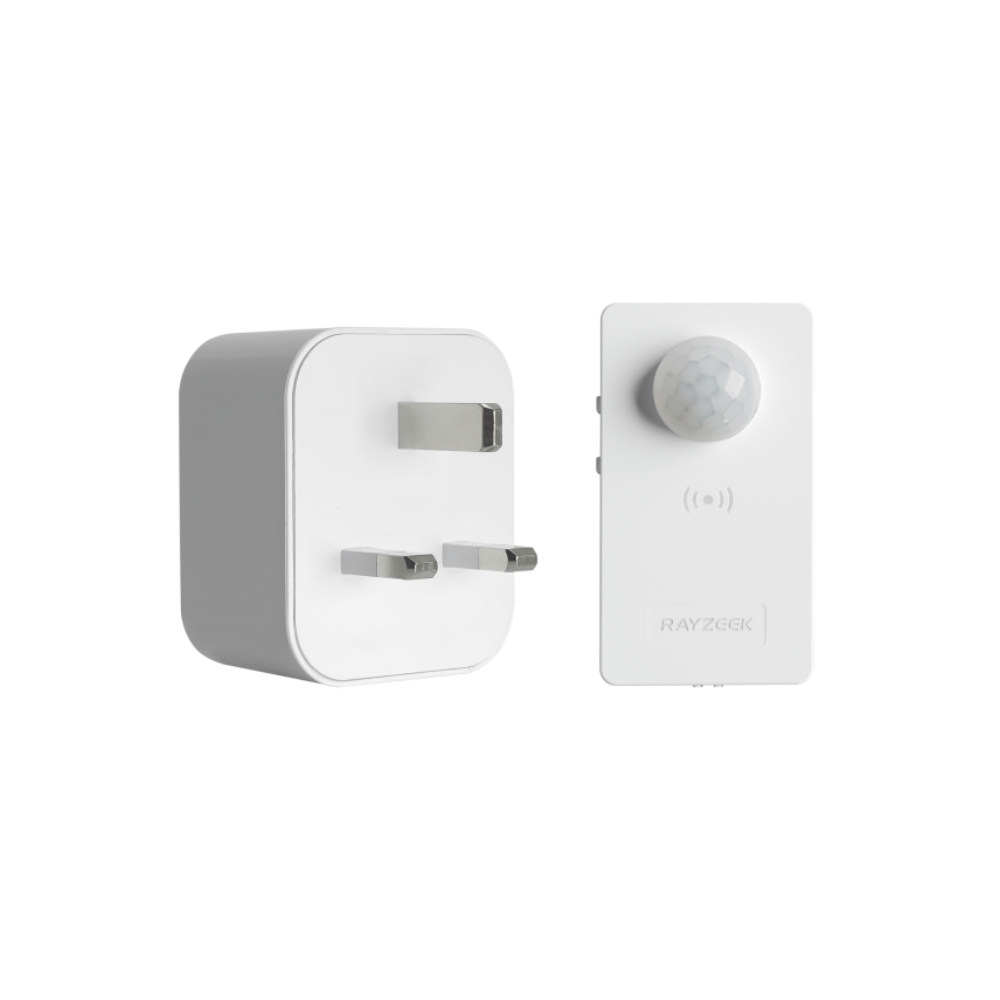
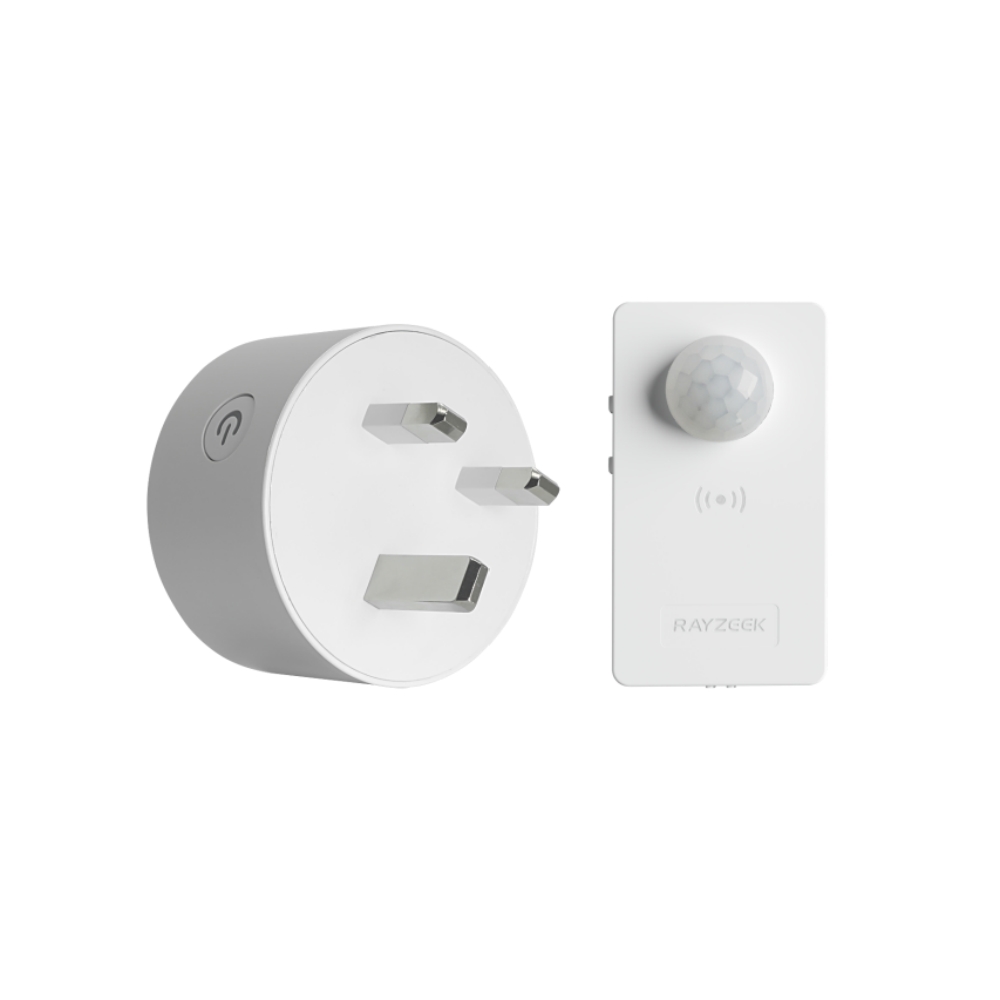
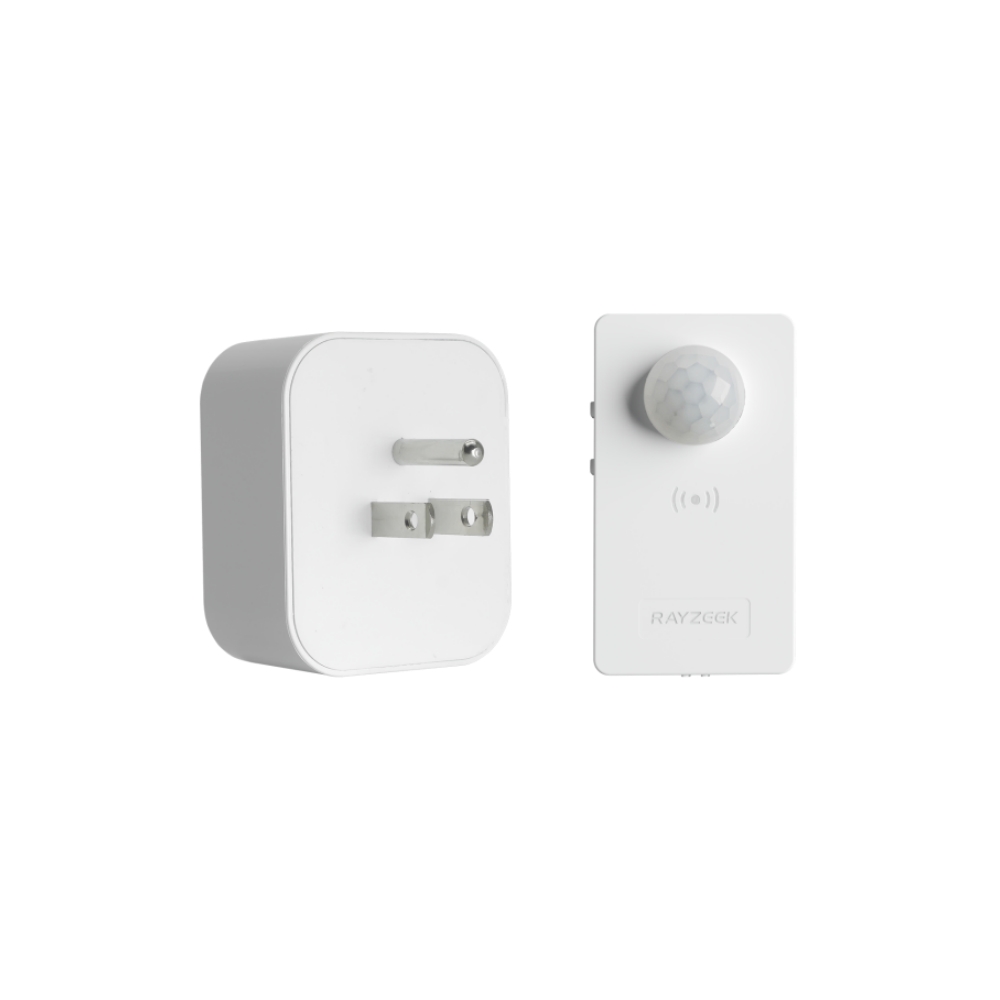
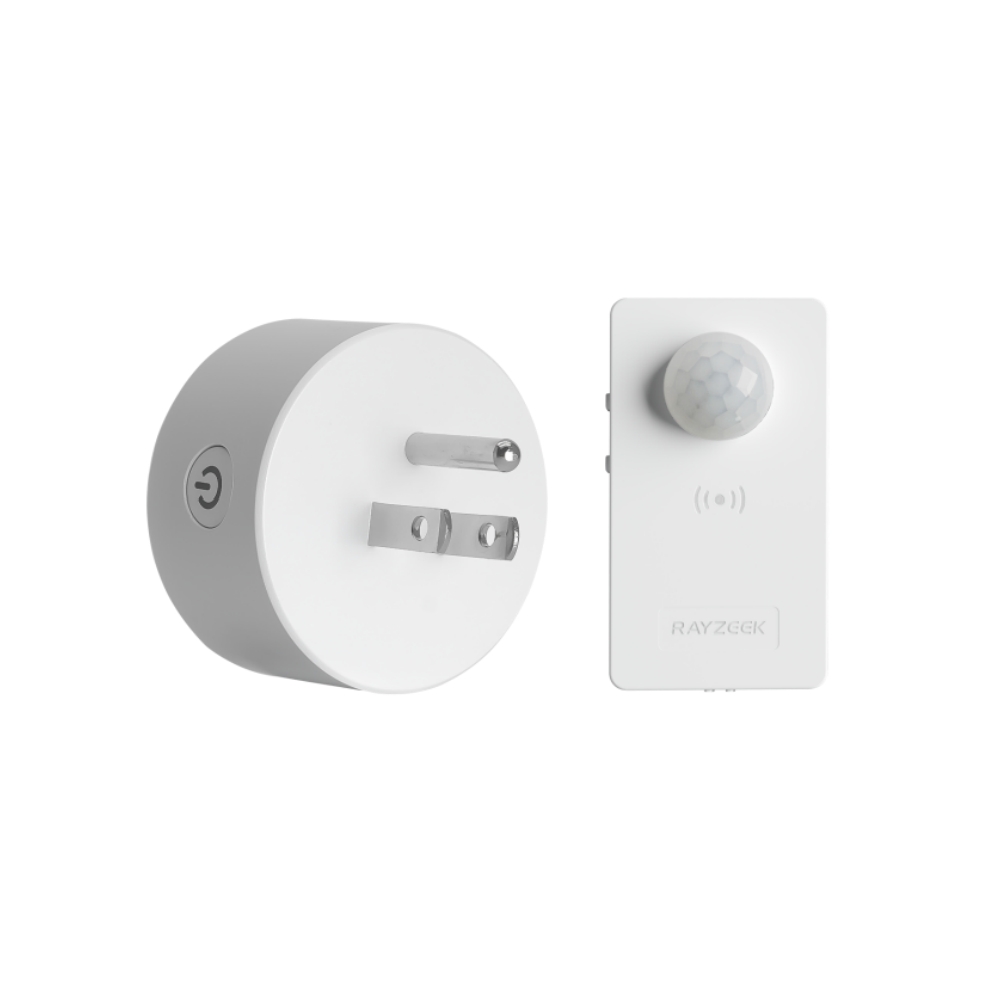
- EU plug power adapter
- UK plug power adapter

- US plug power adapter
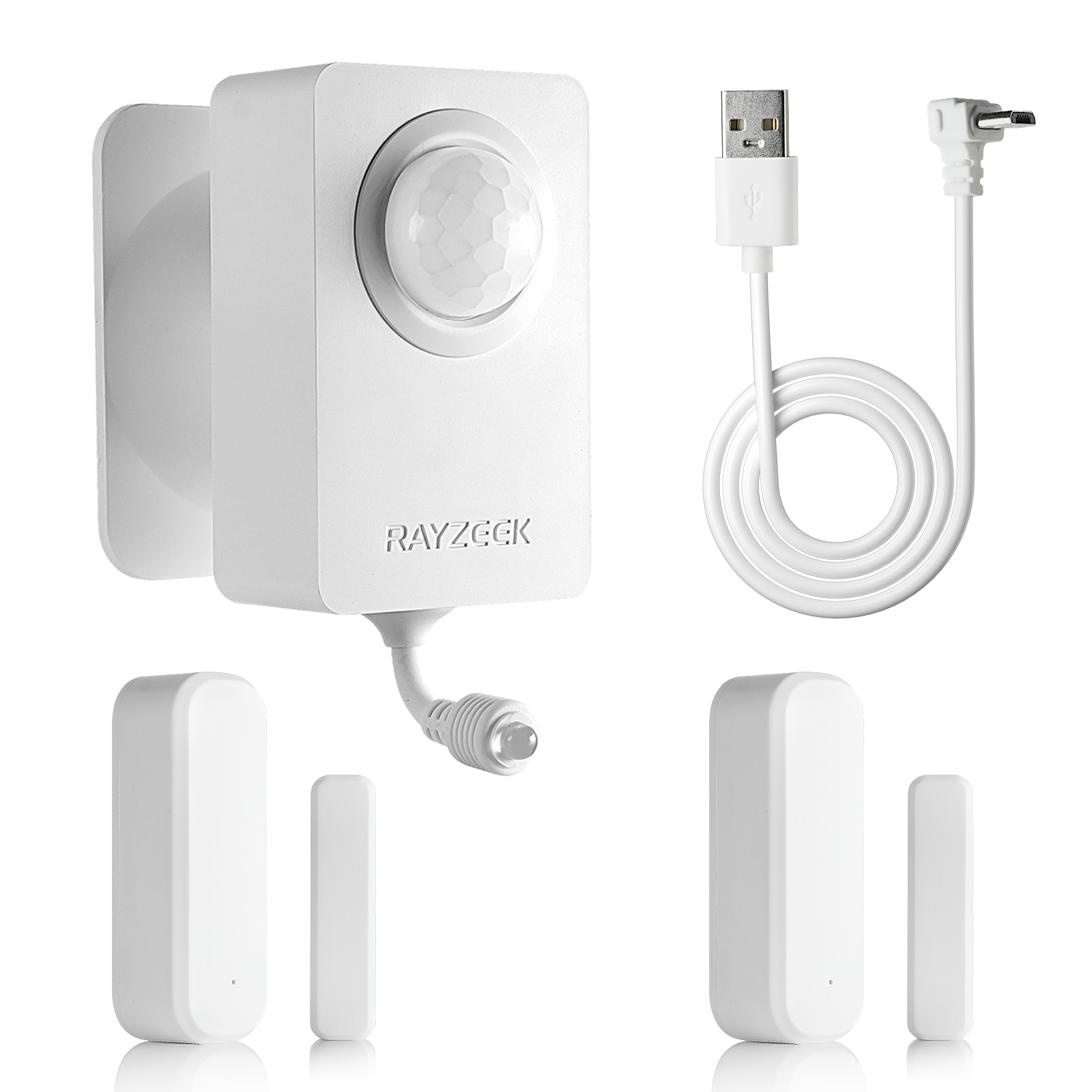
- 5V DC
- Transmission Distance: up to 30m
- Day/Night mode
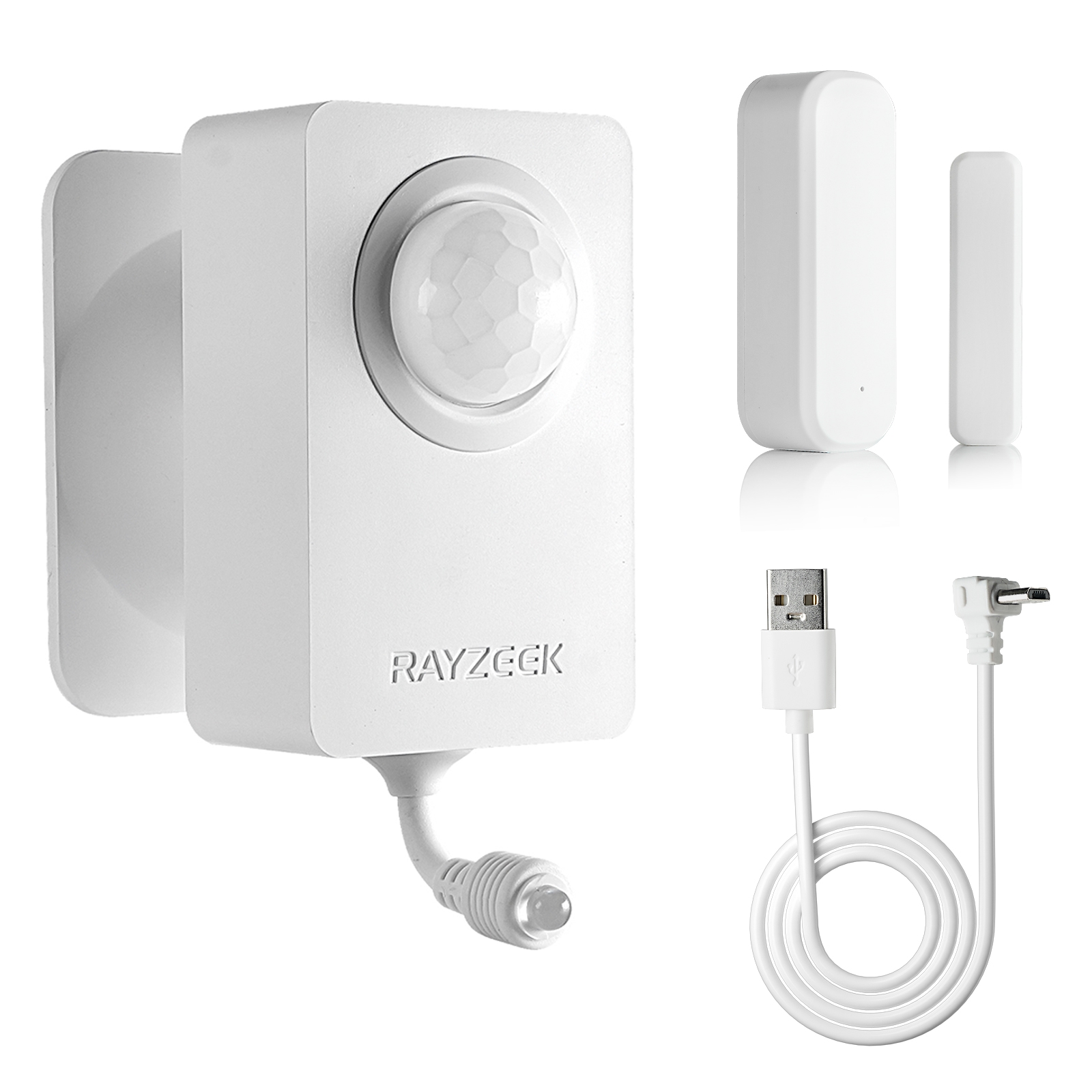
- 5V DC
- Transmission Distance: up to 30m
- Day/Night mode
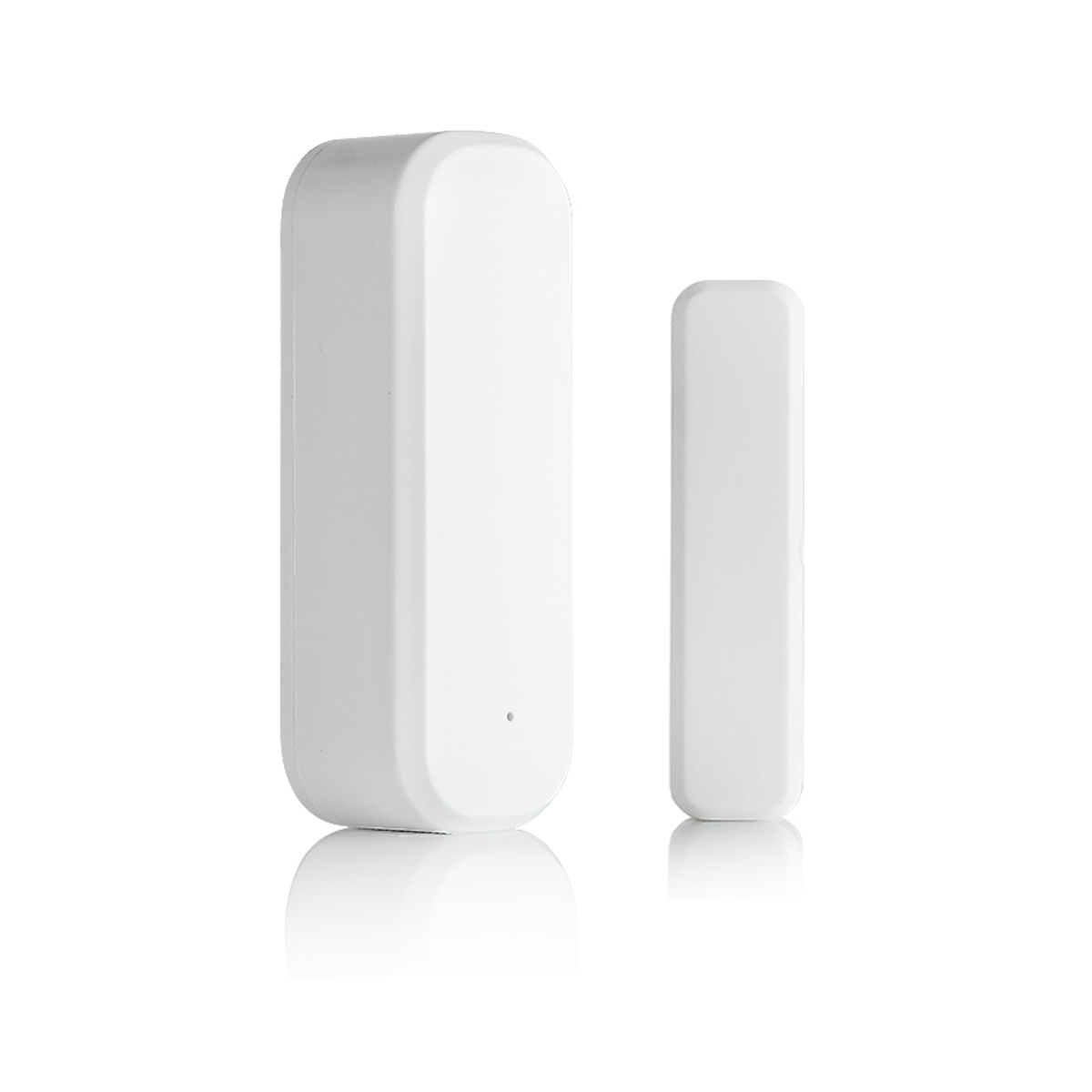
- Voltage: 2 x AAA
- Transmission Distance: 30 m
- Time delay: 5s, 1m, 5m, 10m, 30m
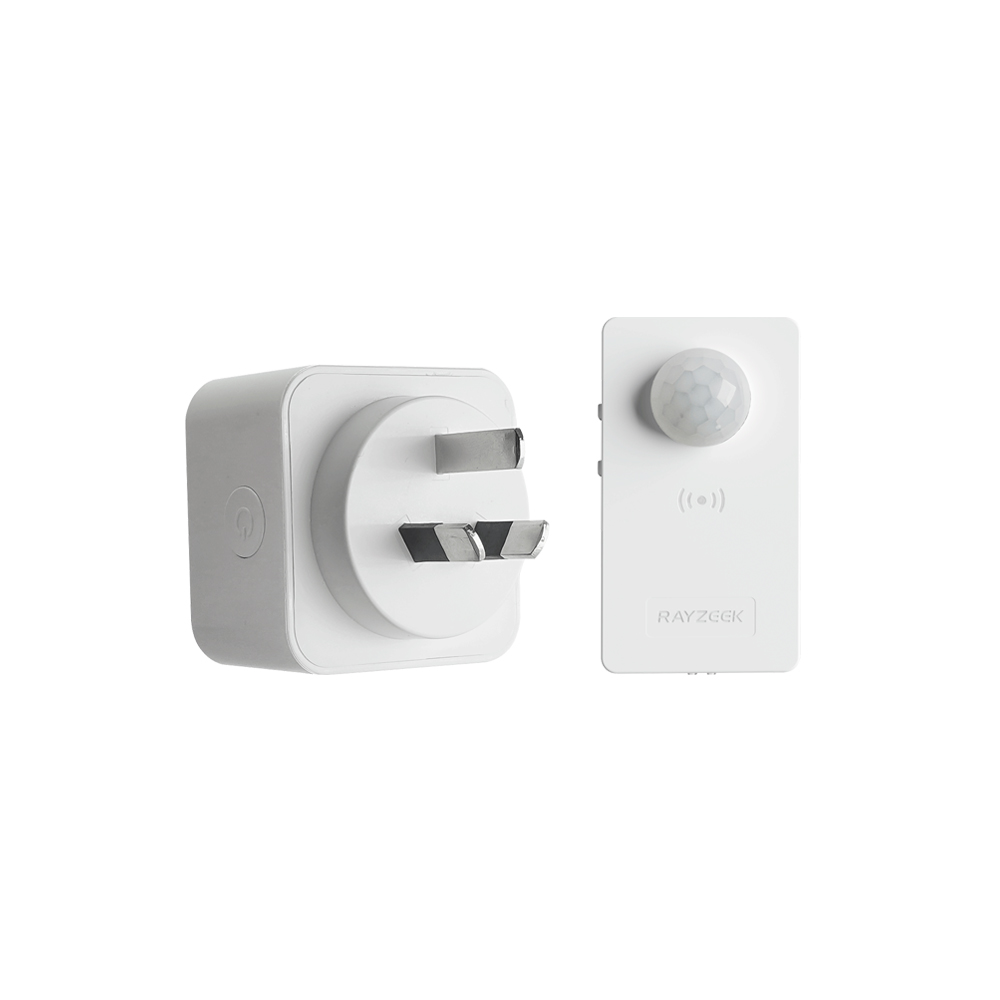
- Load Current: 10A Max
- Auto/Sleep Mode
- Time delay: 90s, 5min, 10min, 30min, 60min
- Load Current: 10A Max
- Auto/Sleep Mode
- Time delay: 90s, 5min, 10min, 30min, 60min
- Load Current: 10A Max
- Auto/Sleep Mode
- Time delay: 90s, 5min, 10min, 30min, 60min
- Load Current: 10A Max
- Auto/Sleep Mode
- Time delay: 90s, 5min, 10min, 30min, 60min
- Load Current: 10A Max
- Auto/Sleep Mode
- Time delay: 90s, 5min, 10min, 30min, 60min
- Load Current: 10A Max
- Auto/Sleep Mode
- Time delay: 90s, 5min, 10min, 30min, 60min
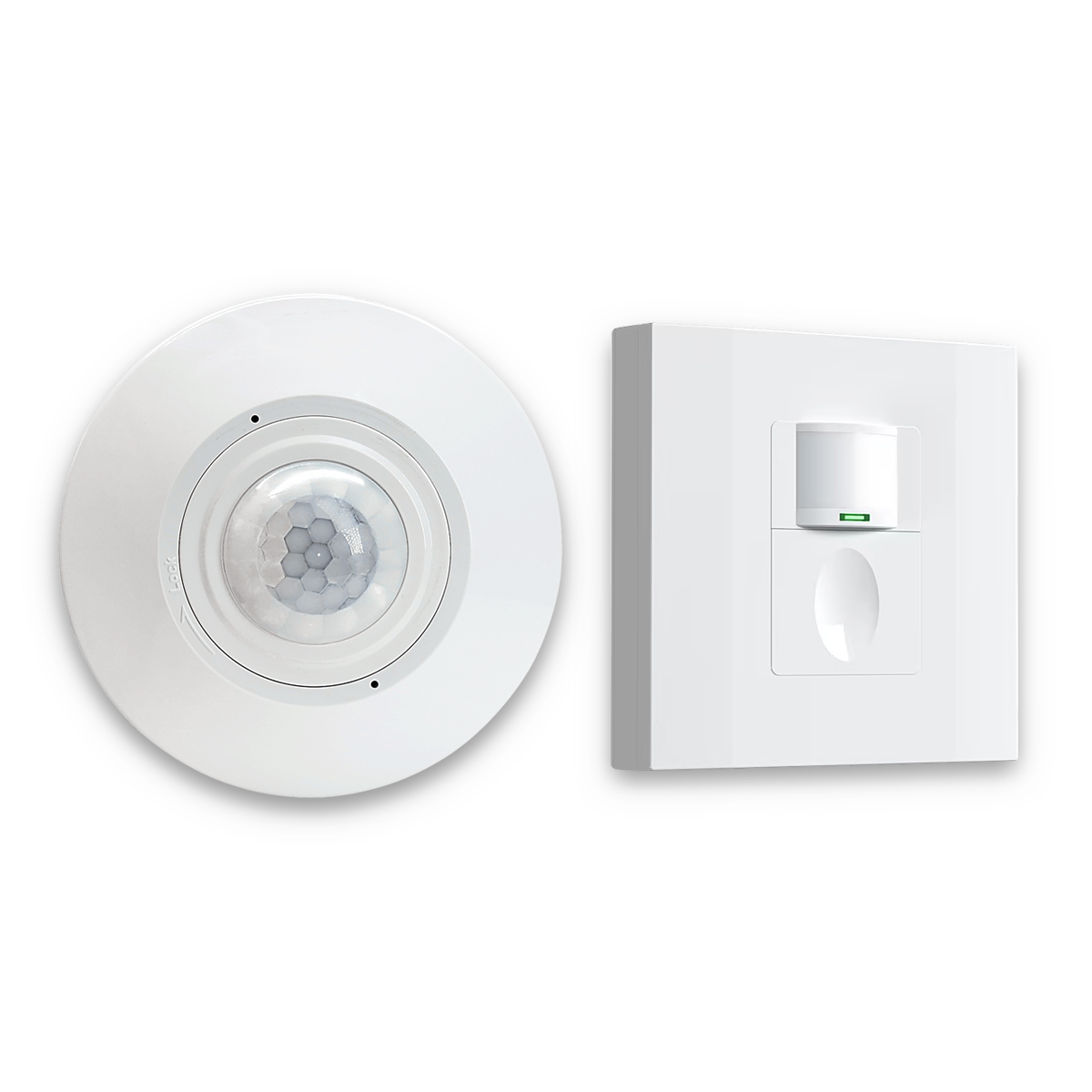
- Occupancy mode
- 100V ~ 265V, 5A
- Neutral Wire Required
- 1600 sq ft
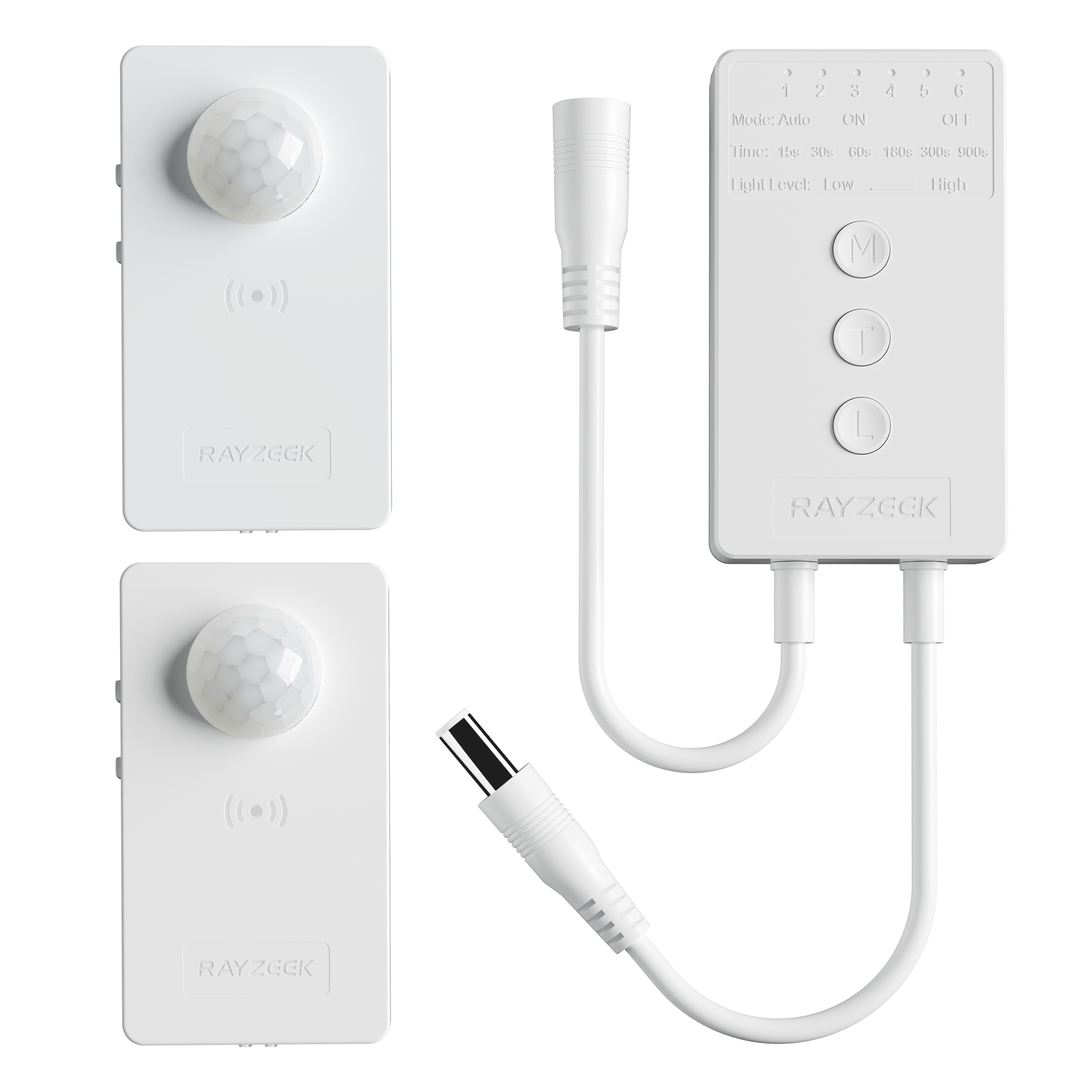
- Voltage: DC 12v/24v
- Mode: Auto/ON/OFF
- Time Delay: 15s~900s
- Dimming: 20%~100%
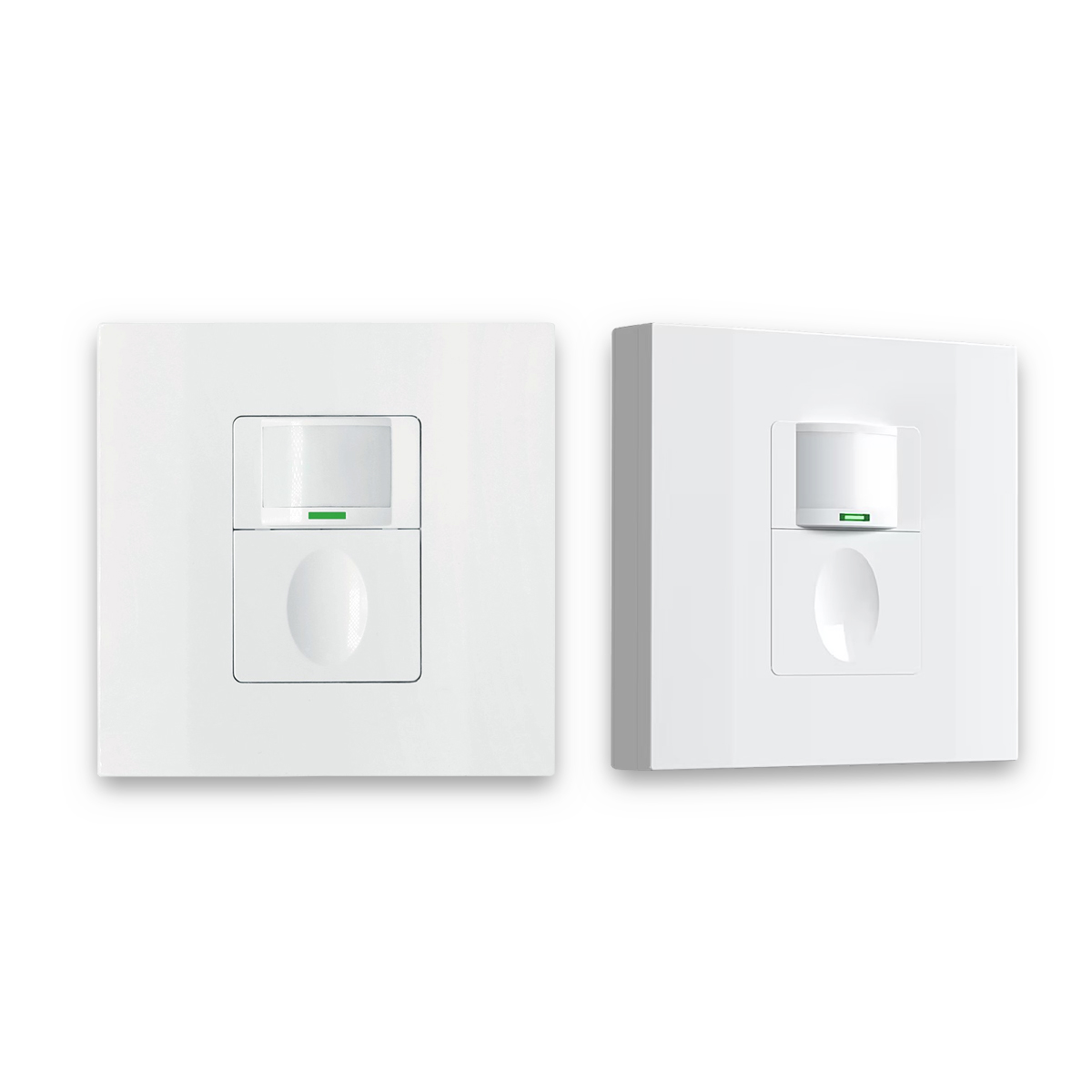
- Occupancy, Vacancy, ON/OFF mode
- 100~265V, 5A
- Neutral Wire Required
- Fits the UK Square backbox
The stopping point is important because it prevents endless tinkering. If hallway pass-by stays off with the door in its normal position, and the first step inside reliably turns the lights on, the system is done. It does not need to be perfect in theory. It needs to be reliable in the household’s real habits.
Red-Team: The Three ‘Obvious Fixes’ That Waste Time
The first obvious fix is “buy a better motion sensor,” which is the fastest way to spend $200–$400 without changing the underlying failure. In one 2022 service week pattern, a client cycled through a Lutron Maestro MS-OPS2, a Leviton ODS0D, and a random Amazon Zigbee unit. The hallway triggers remained because the doorway slice remained. A 15–20° rotation and a small mask fixed the geometry in minutes. Brand swaps feel like progress, but they usually just change the failure mode.
The second obvious fix is claiming “ceiling mount is the pro way.” It can be, but bathrooms are not conference rooms. Lakewood (late 2021) had a glass shower, a ceiling fan, and a heat lamp—plus steam that changes the environment. A ceiling-center placement that looks correct on paper can still see a doorway in an unhelpful way and can still be inconsistent around the shower. The reliable primitive isn’t the mount height; it is designing for the approach path and validating it with a walk test under real use.
The third obvious fix is “increase the timeout and move on.” Longer timeouts can hide missed detection, but they do not solve hallway false-ons; they often amplify them. If hallway motion retriggers the sensor, the longer the timeout, the longer the light stays on after each pass-by. With frequent traffic, it effectively becomes permanent. Timeouts should protect comfort, not disguise a geometry mistake.
The rebuild is boring and repeatable: exclude the hallway slice (aim/mask/relocate), confirm “first step inside” detection, then tune settings only as needed.
What ‘Done’ Looks Like (And When to Escalate)
A bathroom occupancy setup is “done” when two behaviors are true with the door in its normal position: hallway pass-by does not trigger the light, and crossing the threshold does. In the Arvada powder room, we proved this with repeated hallway walk-bys (including exaggerated arm-waves) where the light stayed off until a step inside. In the Littleton basement, normal stair and laundry traffic no longer retriggered the bathroom light during the workday.
If a household cannot explain the false trigger with a walk test and a sightline—if it happens “randomly,” or only during certain HVAC cycles, or only with steam and glass in play—then the honest move is more observation and one-variable changes. Lens patterns vary by device, and mirrors/glass/steam can complicate triggers in ways that packaging specs will not predict. The antidote is still the same: reproduce, isolate, and adjust incrementally rather than trusting a single theory.
Escalation is straightforward. If the only reliable fix requires moving a box, adding wiring that may need a neutral, or working in a tricky bathroom environment, hire a licensed electrician. The goal isn’t to win a fight with a sensor. The goal is a bathroom light that behaves like a boundary-respecting assistant instead of a hallway snitch.