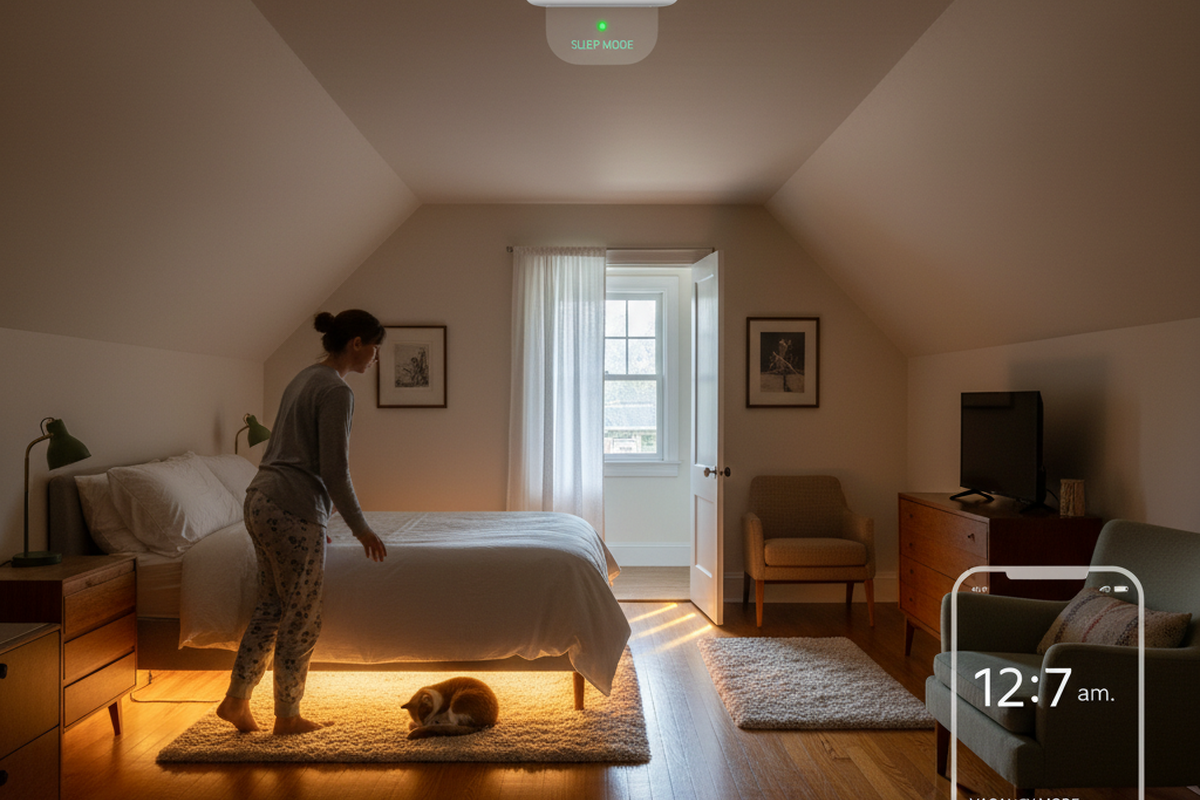
At 2:17 a.m., a bedroom overhead light can feel less like “lighting” and more like an alarm. In one St. Paul bedroom—a 1948 Cape Cod with typical mixed-era wiring—a ceiling PIR sensor caught a cat crossing an edge zone and snapped multiple 800–1000‑lumen bulbs to full output. The calibration attempts were predictable: sensitivity down, range tweaks, longer timeouts. But they missed the point. Detection accuracy wasn’t the issue; permission was.
Across real installs, the recurring complaint isn’t that the light won’t turn on. It’s that the light came on by itself. A callback log kept from 2021–2024 tags that complaint as the most common bedroom failure mode, and a separate six‑week Apple Notes tracking run recorded 9 of 11 sleep interruptions caused by auto‑on triggers like pets, bed movement, or someone shifting position. When a system interrupts sleep, it stops being a convenience product and becomes a source of resentment.
The fix for bedrooms is vacancy mode.
The Plain-Language Rule (and the Naming Trap)
The simplest translation is the one that matters at midnight: occupancy mode means motion can turn the lights on, while vacancy mode means motion can turn the lights off, but turning them on is a deliberate choice. People get tangled in the terms because the labels sound like building-management jargon, and spec sheets rarely describe what it feels like to be dark-adapted at 1–3 a.m. The important part is the behavior: vacancy mode is manual‑on. In a bedroom, that manual step acts as consent rather than friction.
Looking For Motion-Activated Energy-Saving Solutions?
Contact us for complete PIR motion sensors, motion-activated energy-saving products, motion sensor switches, and Occupancy/Vacancy commercial solutions.
A master suite remodel in Edina (spring 2023) surfaced this in a single question during handoff. A spouse who “hates gadgets” asked whether the bedroom could ever turn on by itself at night. The enthusiast in the room started explaining modes and apps, and the tolerance in the room dropped immediately. The solution that preserved the project wasn’t clever logic, but a boring default: vacancy mode in the bedrooms, plus a threshold-based plan for the ensuite route. We put light where feet land, not where bodies sleep. Two weeks later, the feedback focused entirely on the calm, not the tech.
There is a common impulse to solve bedroom annoyance with schedules—”night mode from 10 p.m. to 6 a.m.” That works until it doesn’t. A Minneapolis duplex rental (fall 2020) made that obvious: the tenant worked nights and slept during what most homes call “day.” A motion sensor switch that seemed fine at 9 p.m. became intolerable at 11 a.m. because the occupant’s sleep schedule inverted the assumptions. In bedrooms, vacancy mode is schedule-proof. Time windows can be a layer, but they are a weak foundation when naps, newborn routines, and rotating shifts exist (which covers most real households).
Why Bedroom Auto‑On Feels Like Betrayal
The bedroom is not a hallway. People can say that and still install hallway logic in a bedroom because a feature list makes it sound modern: hands-free lighting, smart sensing, seamless living. The lived experience is different. In a 9′ x 11′ bedroom with 800–1100‑lumen bulbs, a sudden snap to 100% output isn’t “helpful”—it’s a physiological jolt. Dark adaptation makes brightness feel aggressive, and that abruptness is part of what wakes people up. This is why so many “it’s random” complaints are really “it’s happening when I’m most vulnerable to being disturbed.”
There is also a household-politics layer that spec sheets never mention. Smart lighting tends to be purchased by the most excited person and judged by the least tolerant sleeper. That’s why the Edina spouse’s question matters: it’s the real acceptance test. A bedroom system that requires anyone to wonder “Will it do something on its own?” is already failing. Predictability beats cleverness in sleep-adjacent spaces because the cost of one mistake is not a small annoyance; it can ruin the rest of the night.
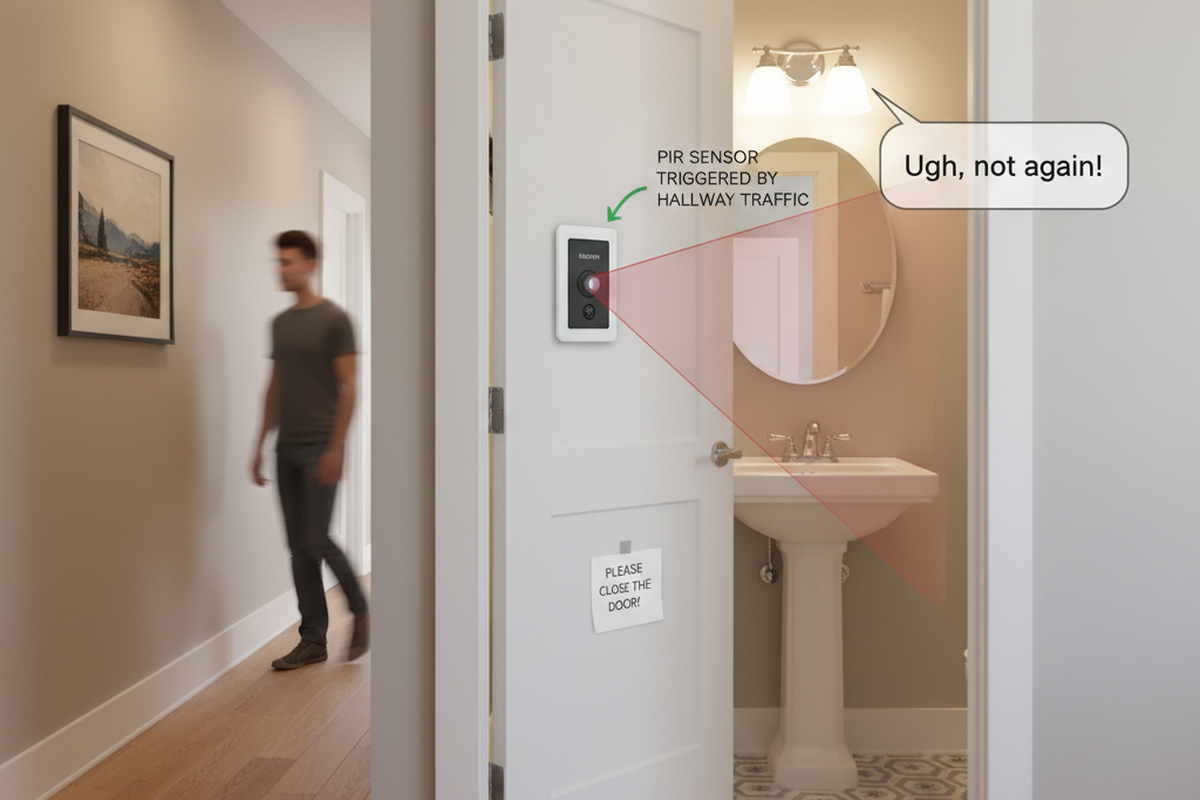
Here’s the mini-rant that keeps surfacing because it keeps being true: feature lists are written for daylight and demo modes. They are written for the person standing in a showroom, not the person half awake, looking for the bathroom without waking a partner. A Woodbury new-build “smart home tour” (summer 2019) made this painfully obvious for a guest: an open bedroom door created a sightline, hallway movement triggered the bedroom sensor, and the bedroom lights came on full. The host later admitted guests repeatedly asked how to stop it at night. That embarrassment is a useful data point. If a homeowner has to apologize for a behavior to a guest, it is a design flaw, not a quirk.
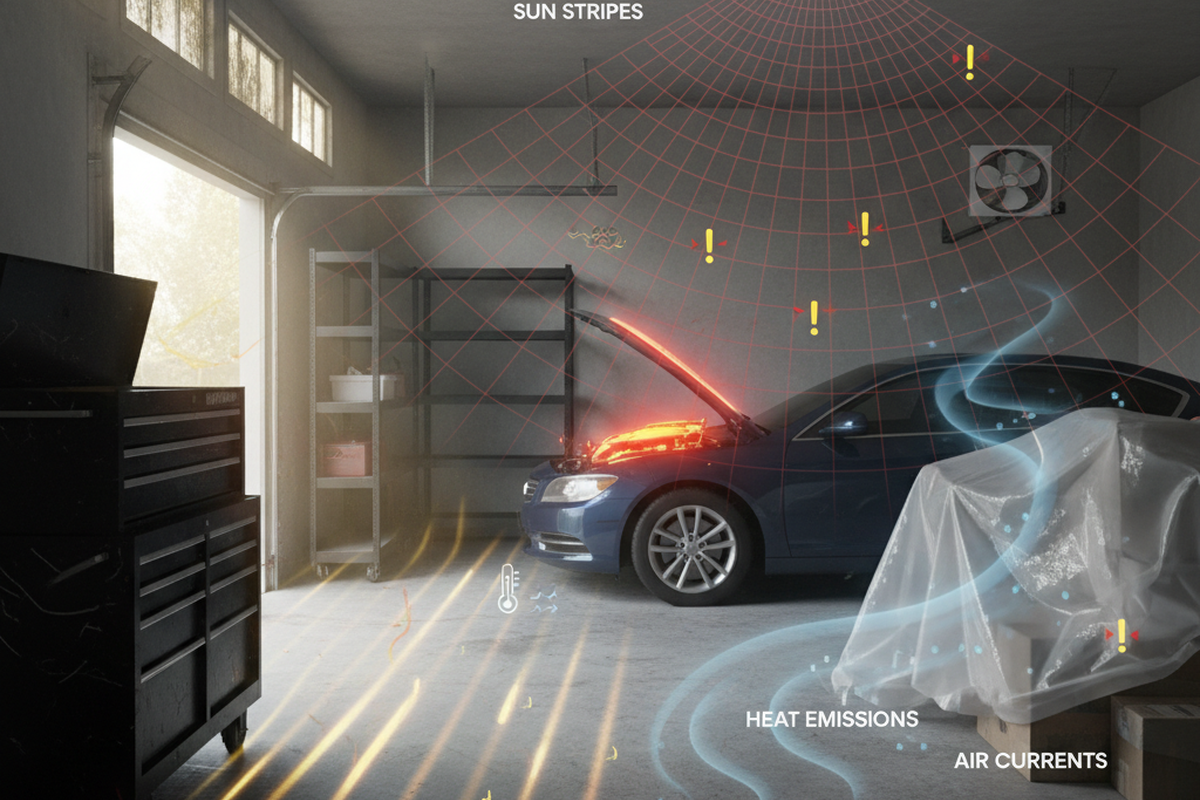
When people try to fix surprise auto‑on, they often chase the wrong target. There is a real troubleshooting lane regarding placement and what the sensor “sees.” Service calls from 2017–2018 showed the same pattern: the device worked as designed, but it was aimed at a bed, a ceiling fan, or a mirror that made heat and motion behave strangely. Sometimes moving a sensor six inches or changing its angle can eliminate a week of nuisance triggers. But in bedrooms, even perfect placement can still be the wrong idea if it removes consent. Calibration is not an ethics substitute. In the bedroom, the more reliable fix is mode choice: manual‑on, with automation moved to the route.
This is also where we need to retire the idea that “manual-on is a downgrade.” A household that lived through newborn/toddler sleep fragility from 2020–2022 (with a partner on rotating ICU nurse shifts) treated light behavior like sound: nobody would accept a speaker that randomly blares at night, so why accept a light that does? The retrofit rulebook in that home simplified rules, reduced reliance on voice commands in sleep spaces, and made night lighting intentionally boring and dim. The result wasn’t less smart; it was less fragile.
Keep Pathways Safe Without Weaponizing the Bedroom
The most common pushback is reasonable: “Auto-on prevents trips and falls.” That is true in the abstract and often wrong in the specific way bedrooms are wired. We have to design for the full route—bed edge → doorway → hall → bathroom—rather than just the bedroom isolation. A winter 2021 walkthrough in Roseville with a homeowner in their late 60s illustrates the difference. They wanted bedroom motion lights because of one prior stumble. But the route audit showed the actual hazards: a step transition and a glossy runner rug that added glare and uncertainty. The fix wasn’t more brightness in the sleeping space. It was a calmer route: steady low-level hall illumination overnight, and a bathroom light that comes on dim when someone actually enters the bathroom. The bedroom stayed manual‑on.
The reason this works is that “safe” is not binary. You can navigate on very little light if contrast is good and glare is controlled. A cheap lux meter app isn’t lab-grade, but it is enough to demonstrate the point in real homes: 1–5 lux can be sufficient for a hallway route when the light is placed well, while 30–50 lux in a bedroom tends to feel like “awake now.” People assume they need overhead brightness because overhead is what they have. Give them a steady, warm, low-level reference and the perceived need for full-bright drops.
Maybe You Are Interested In
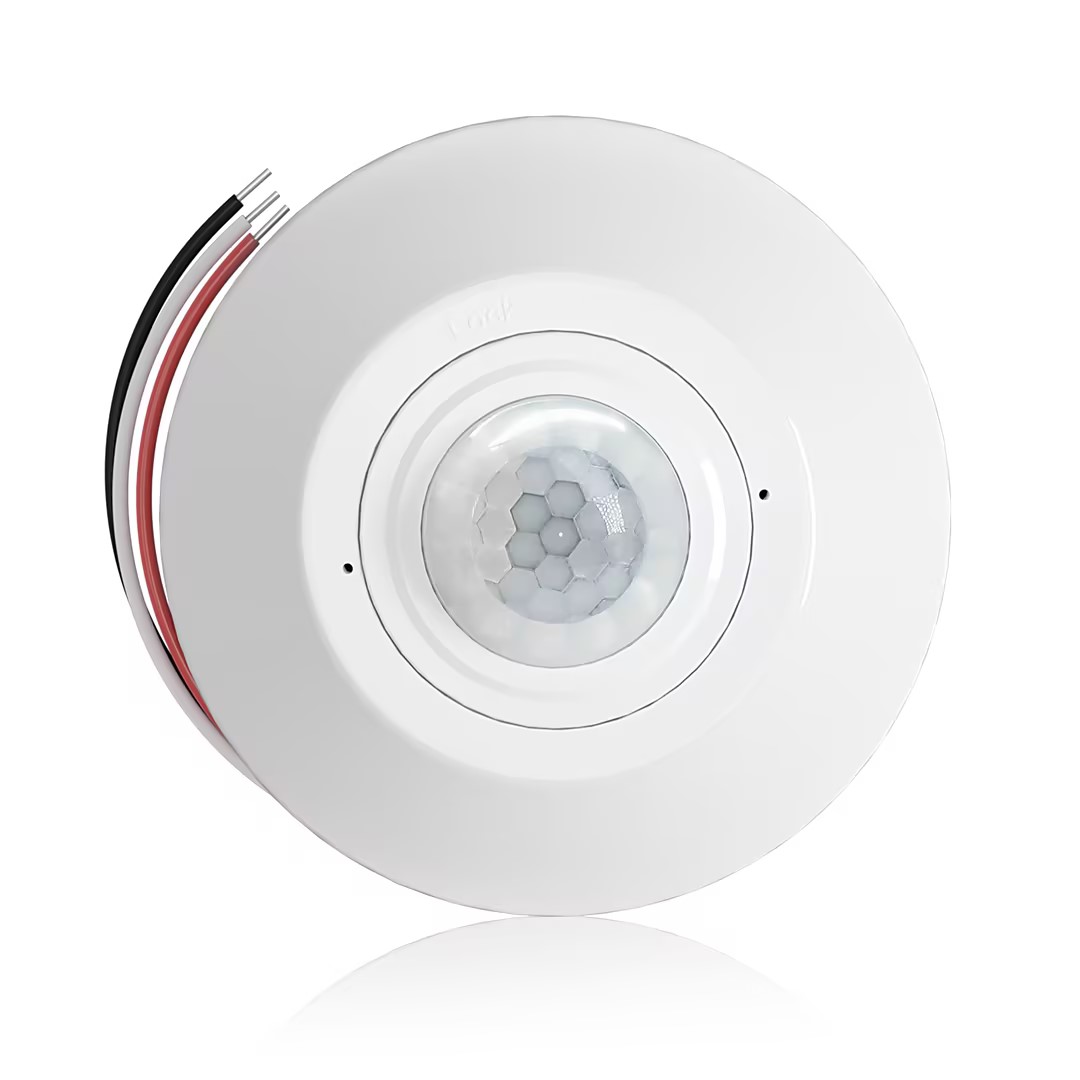
- Occupancy (Auto-ON/Auto-OFF)
- 12–24V DC (10–30VDC), up to 10A
- 360° coverage, 8–12 m diameter
- Time delay 15 s–30 min
- Light sensor Off/15/25/35 Lux
- High/Low sensitivity
- Auto-ON/Auto-OFF occupancy mode
- 100–265V AC, 10A (neutral required)
- 360° coverage; 8–12 m detection diameter
- Time delay 15 s–30 min; Lux OFF/15/25/35; Sensitivity High/Low
- Auto-ON/Auto-OFF occupancy mode
- 100–265V AC, 5A (neutral required)
- 360° coverage; 8–12 m detection diameter
- Time delay 15 s–30 min; Lux OFF/15/25/35; Sensitivity High/Low
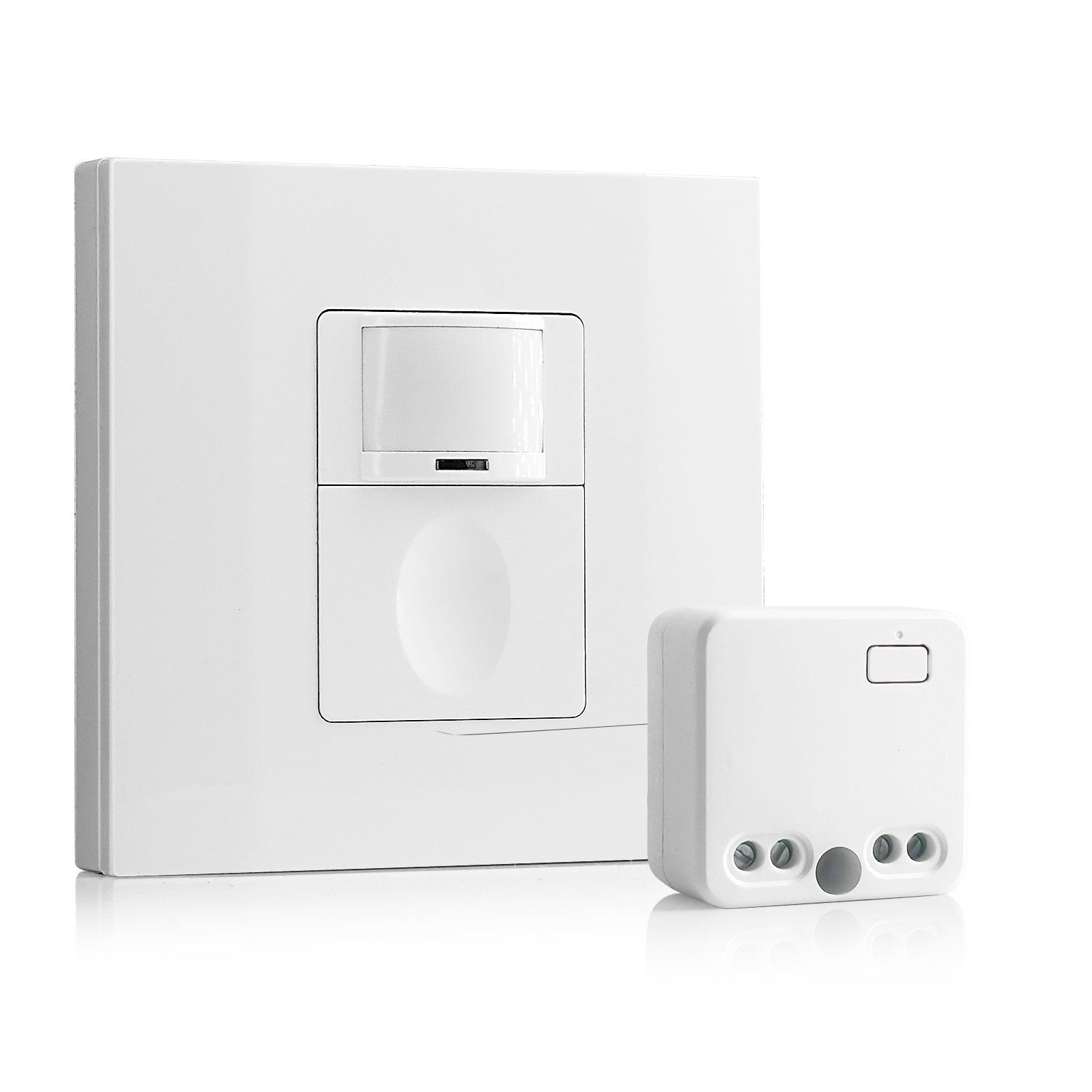
- 100V-230VAC
- Transmission Distance: up to 20m
- Wireless motion sensor
- Hardwired control
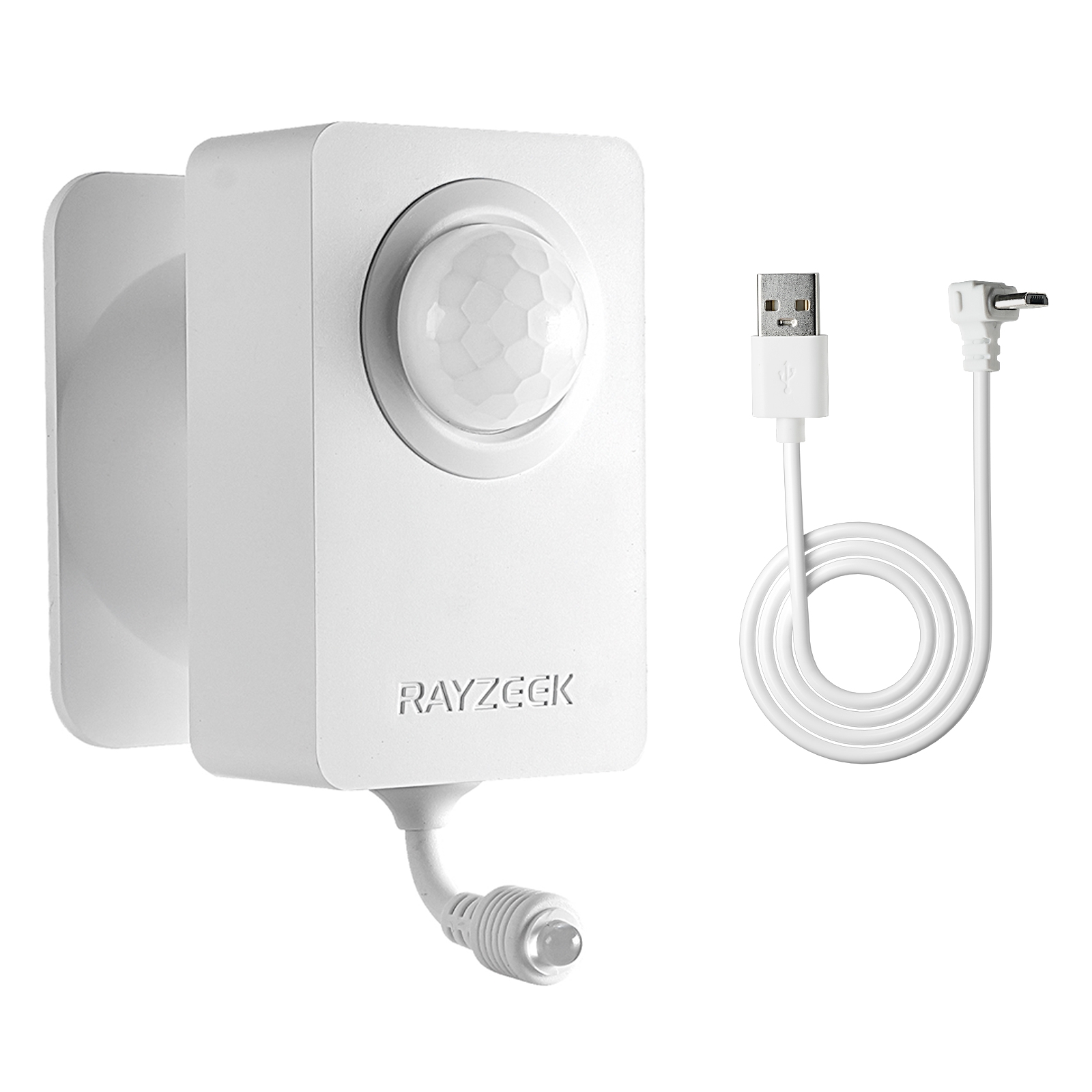
- Voltage: 2x AAA Batteries / 5V DC (Micro USB)
- Day/Night Mode
- Time delay: 15min, 30min, 1h(default), 2h
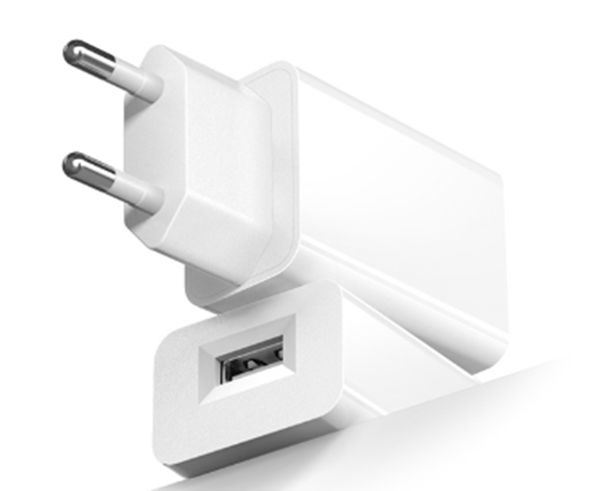
- EU plug power adapter
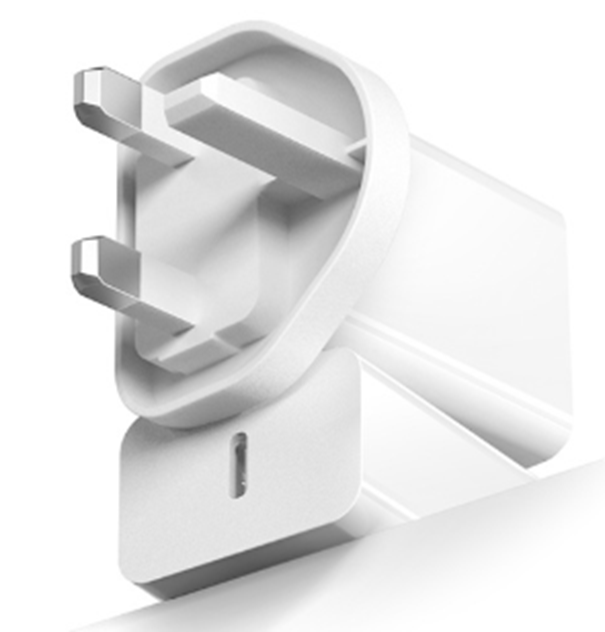
- UK plug power adapter
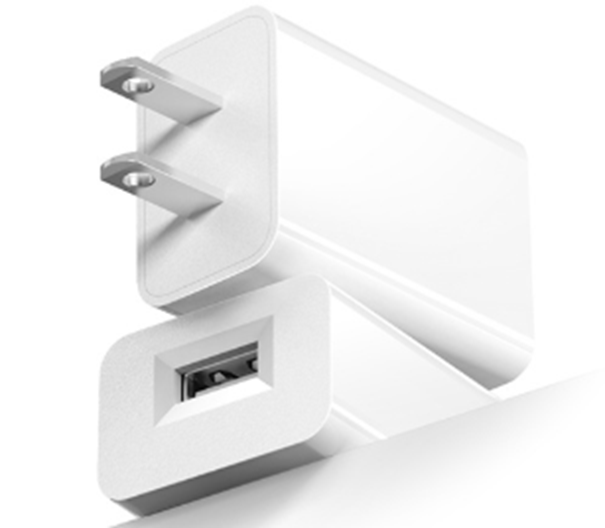
- US plug power adapter
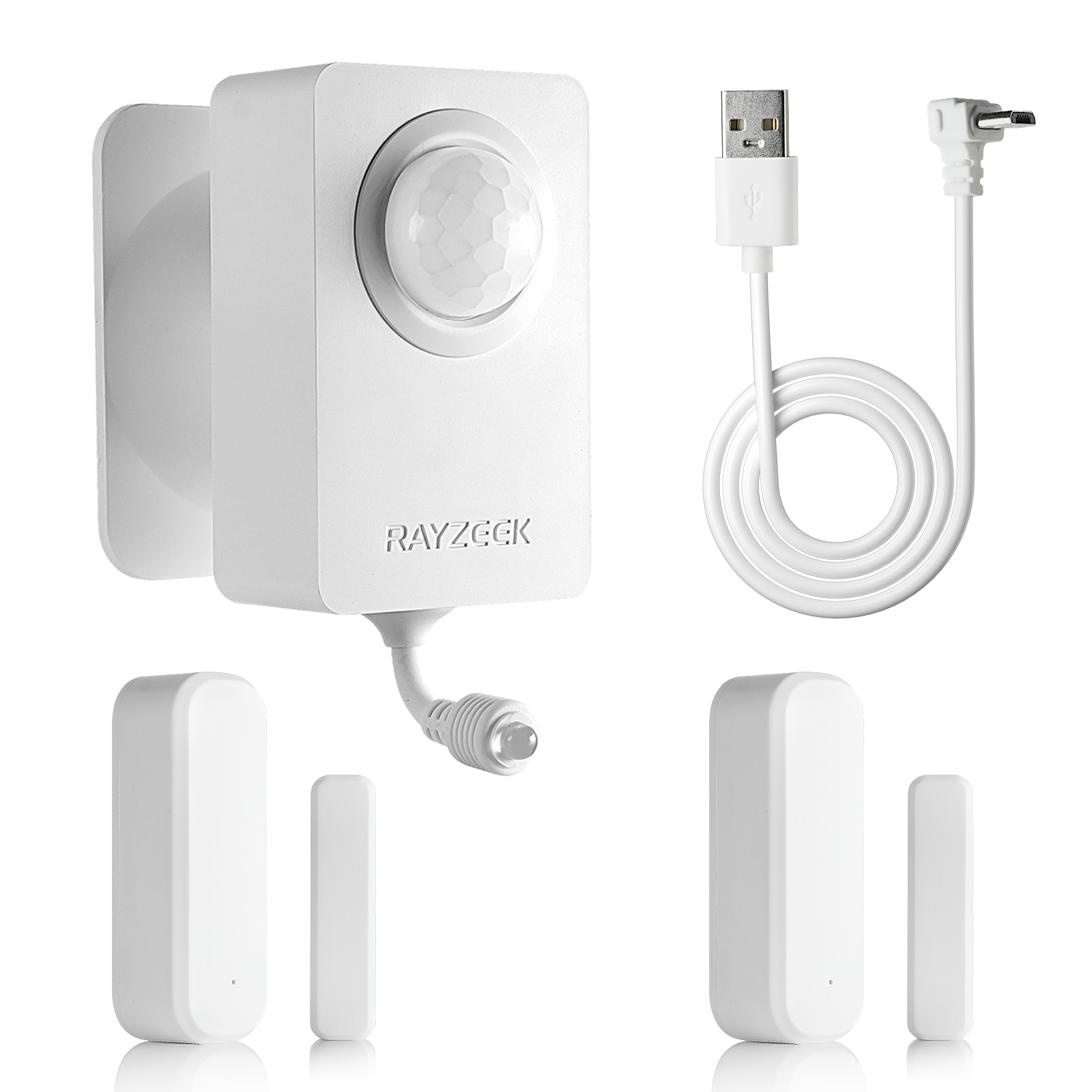
- 5V DC
- Transmission Distance: up to 30m
- Day/Night mode
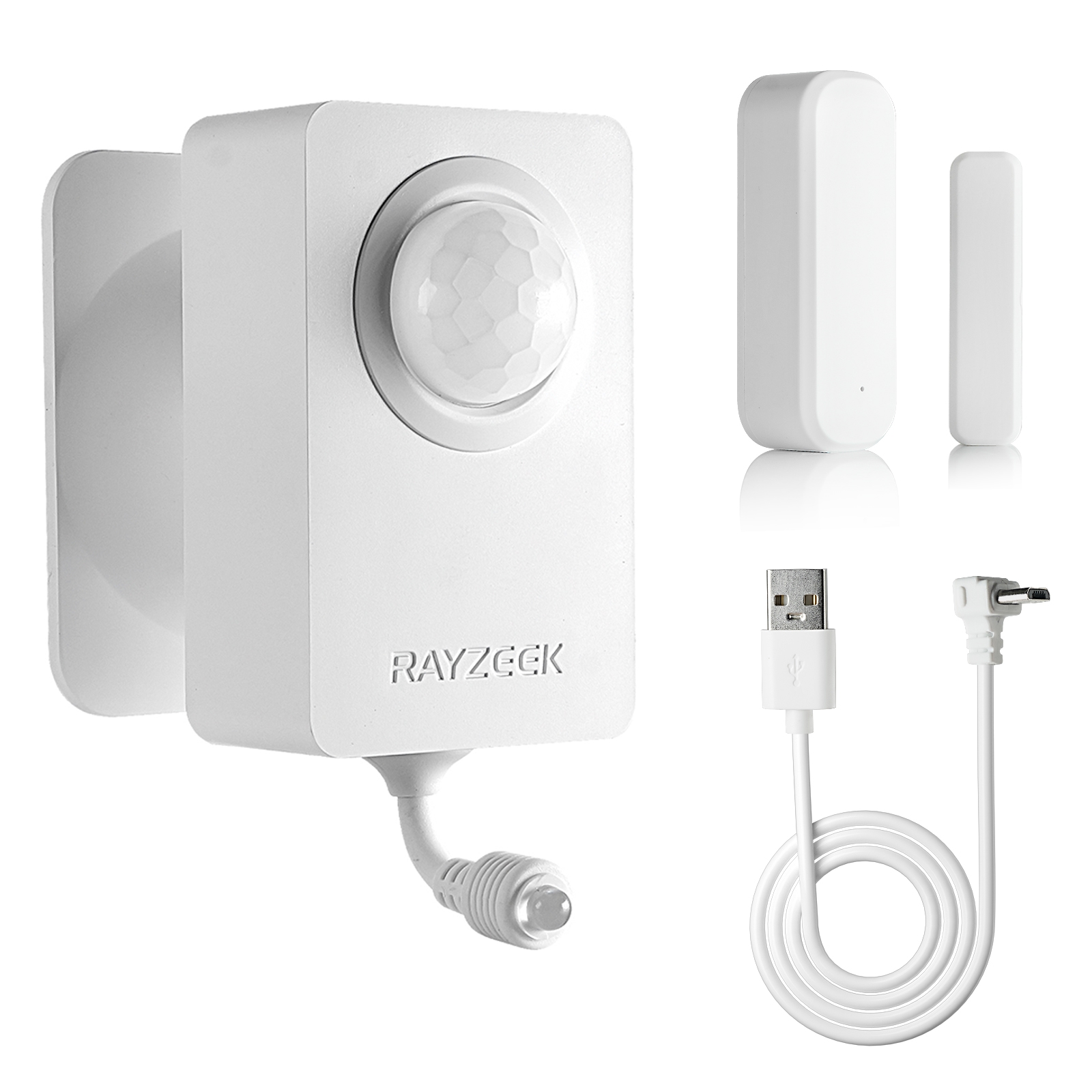
- 5V DC
- Transmission Distance: up to 30m
- Day/Night mode
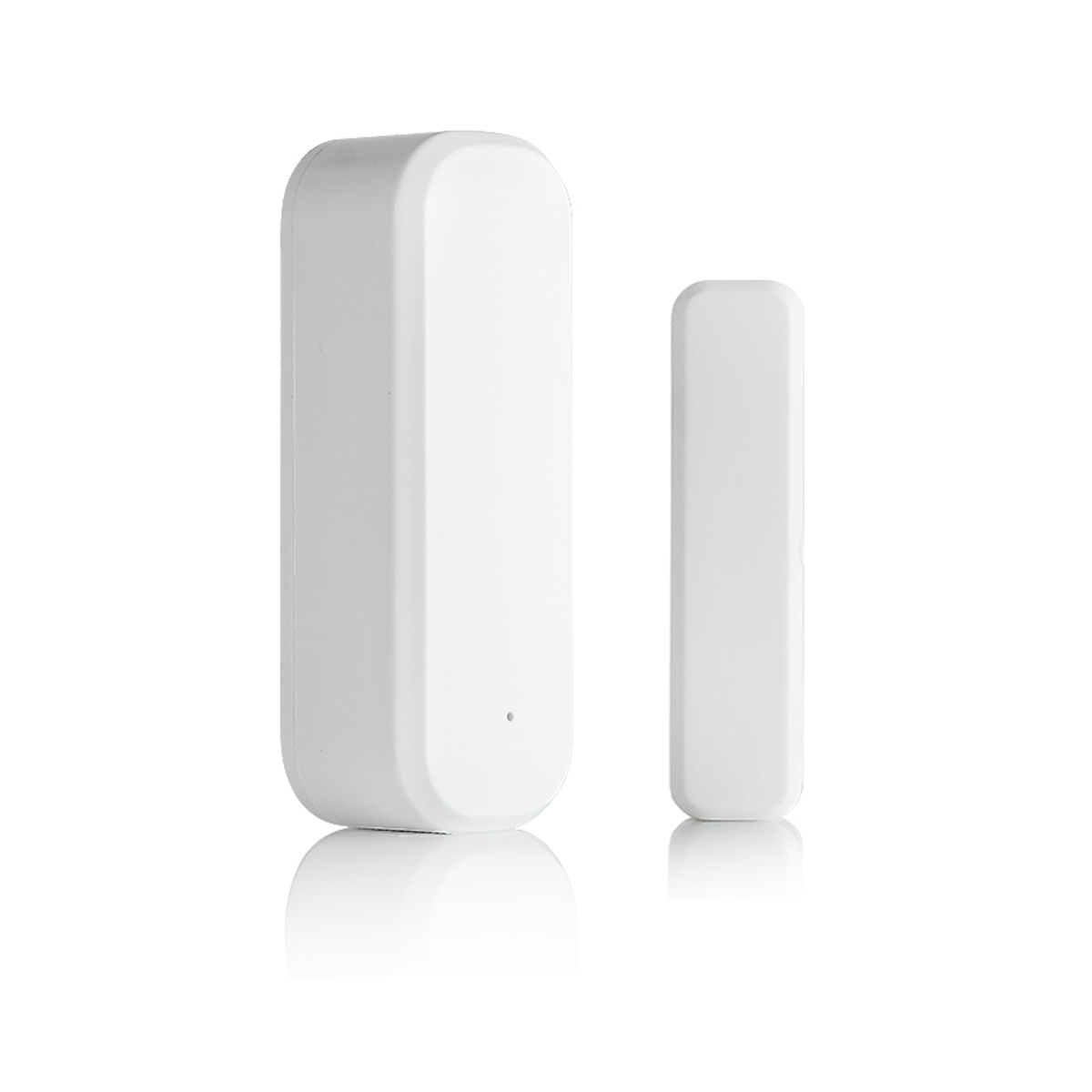
- Voltage: 2 x AAA
- Transmission Distance: 30 m
- Time delay: 5s, 1m, 5m, 10m, 30m
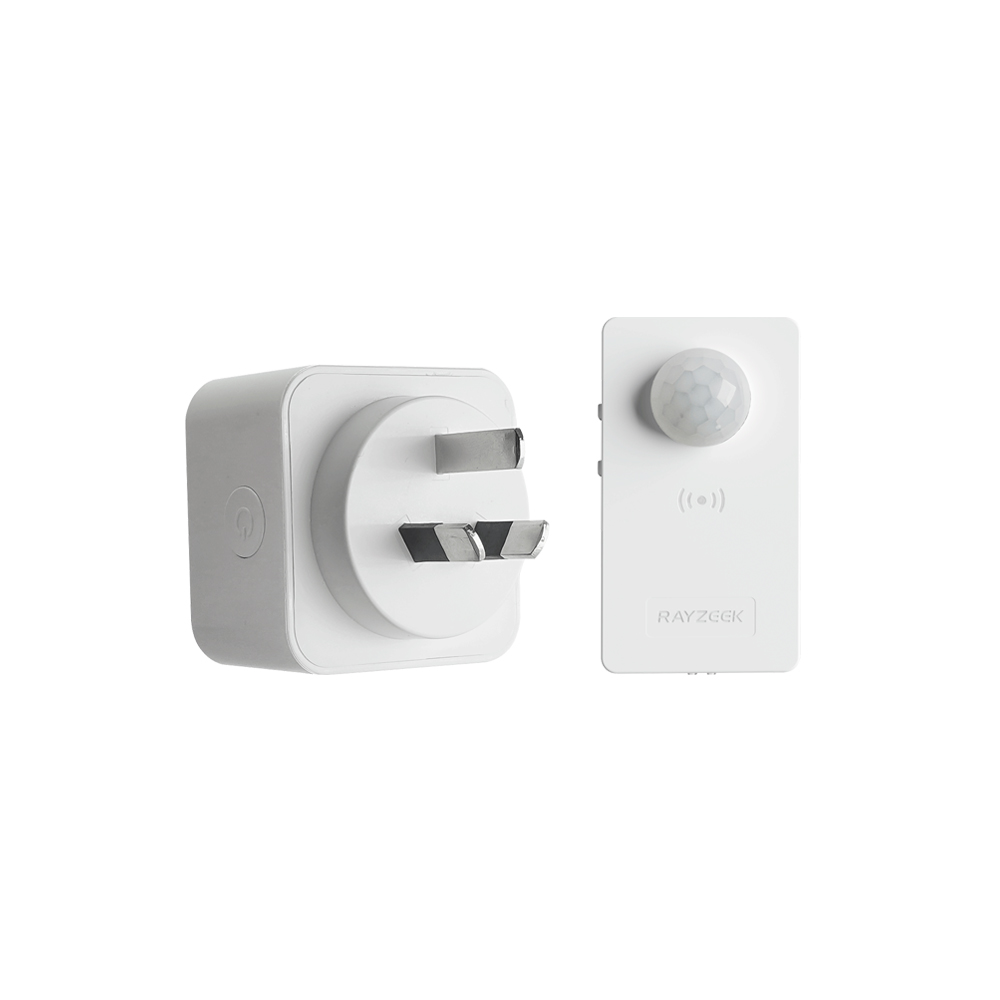
- Load Current: 10A Max
- Auto/Sleep Mode
- Time delay: 90s, 5min, 10min, 30min, 60min
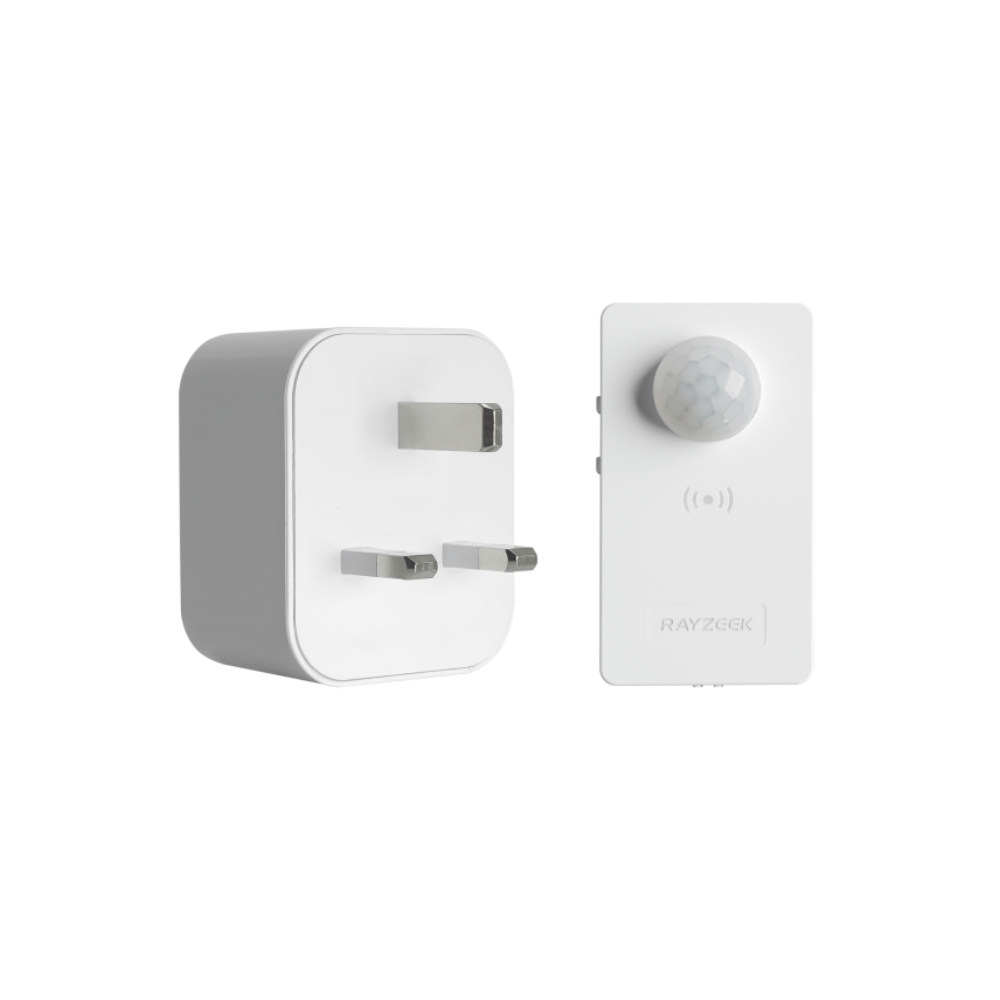
- Load Current: 10A Max
- Auto/Sleep Mode
- Time delay: 90s, 5min, 10min, 30min, 60min
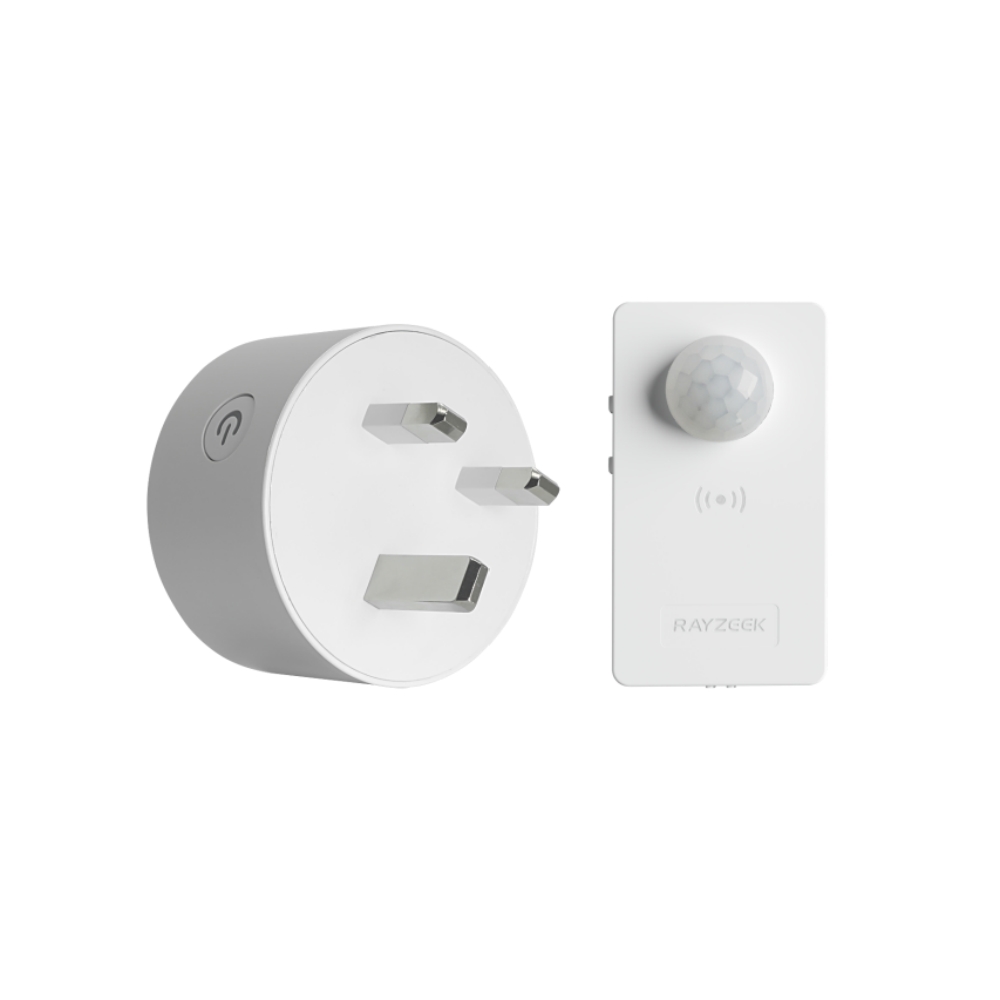
- Load Current: 10A Max
- Auto/Sleep Mode
- Time delay: 90s, 5min, 10min, 30min, 60min
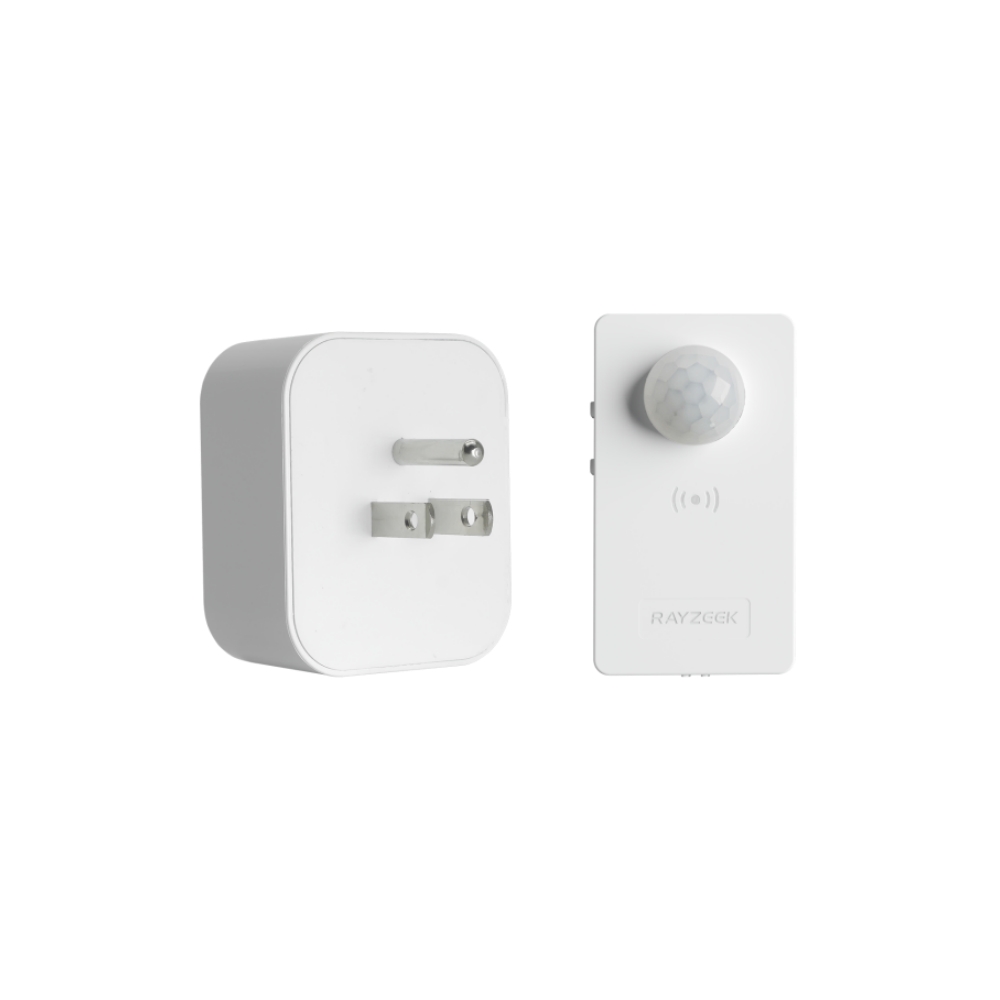
- Load Current: 10A Max
- Auto/Sleep Mode
- Time delay: 90s, 5min, 10min, 30min, 60min
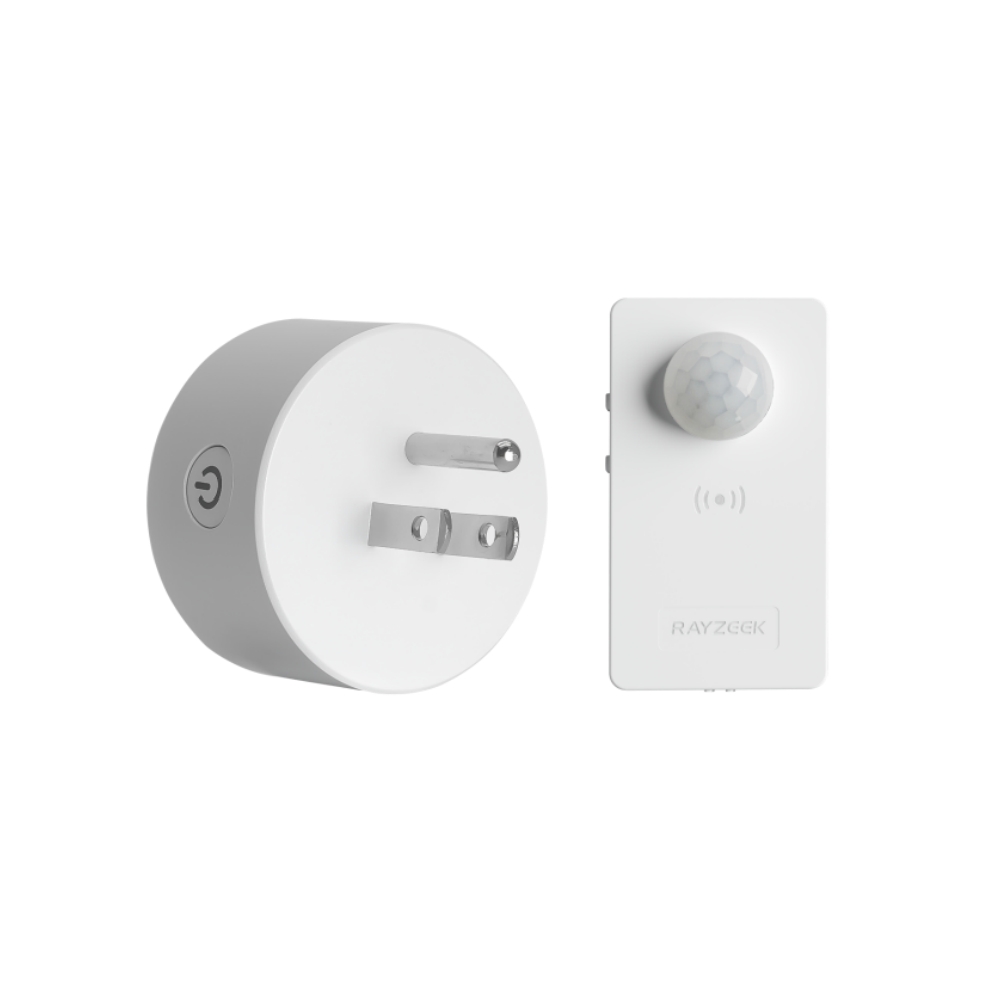
- Load Current: 10A Max
- Auto/Sleep Mode
- Time delay: 90s, 5min, 10min, 30min, 60min
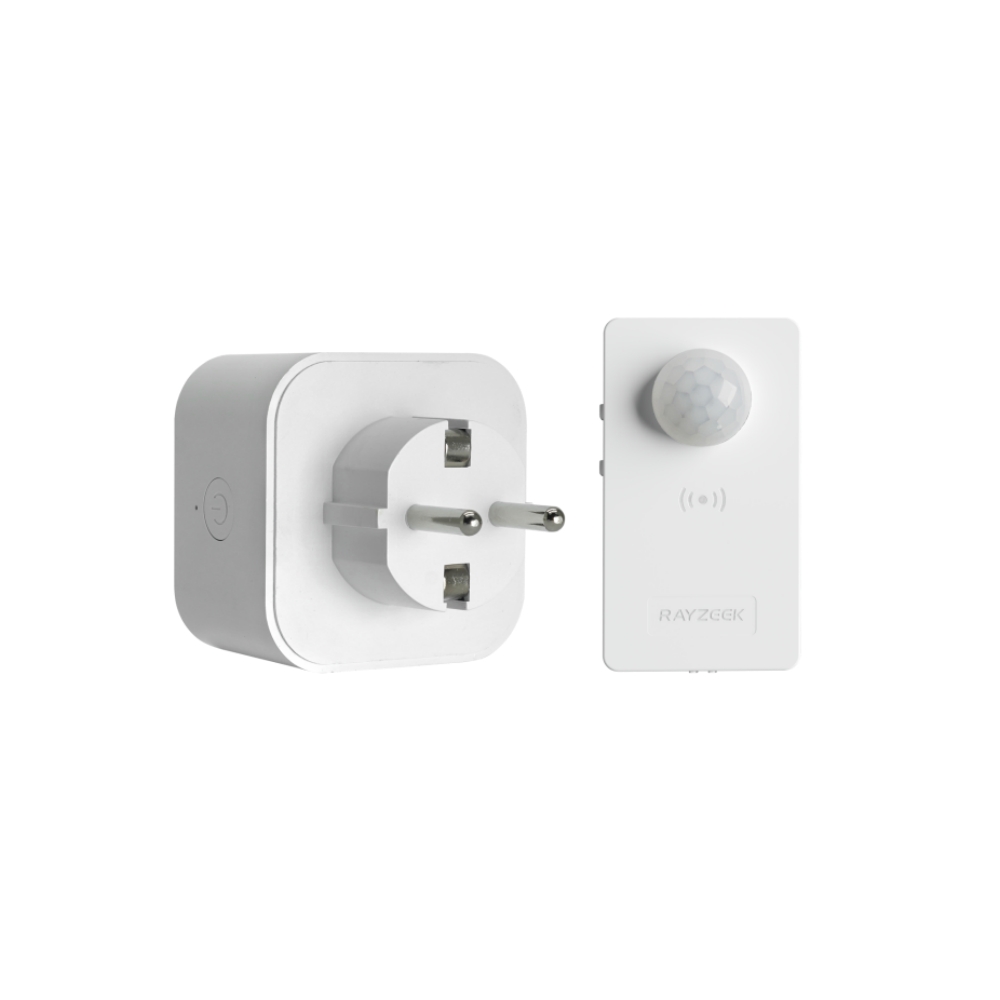
- Load Current: 10A Max
- Auto/Sleep Mode
- Time delay: 90s, 5min, 10min, 30min, 60min
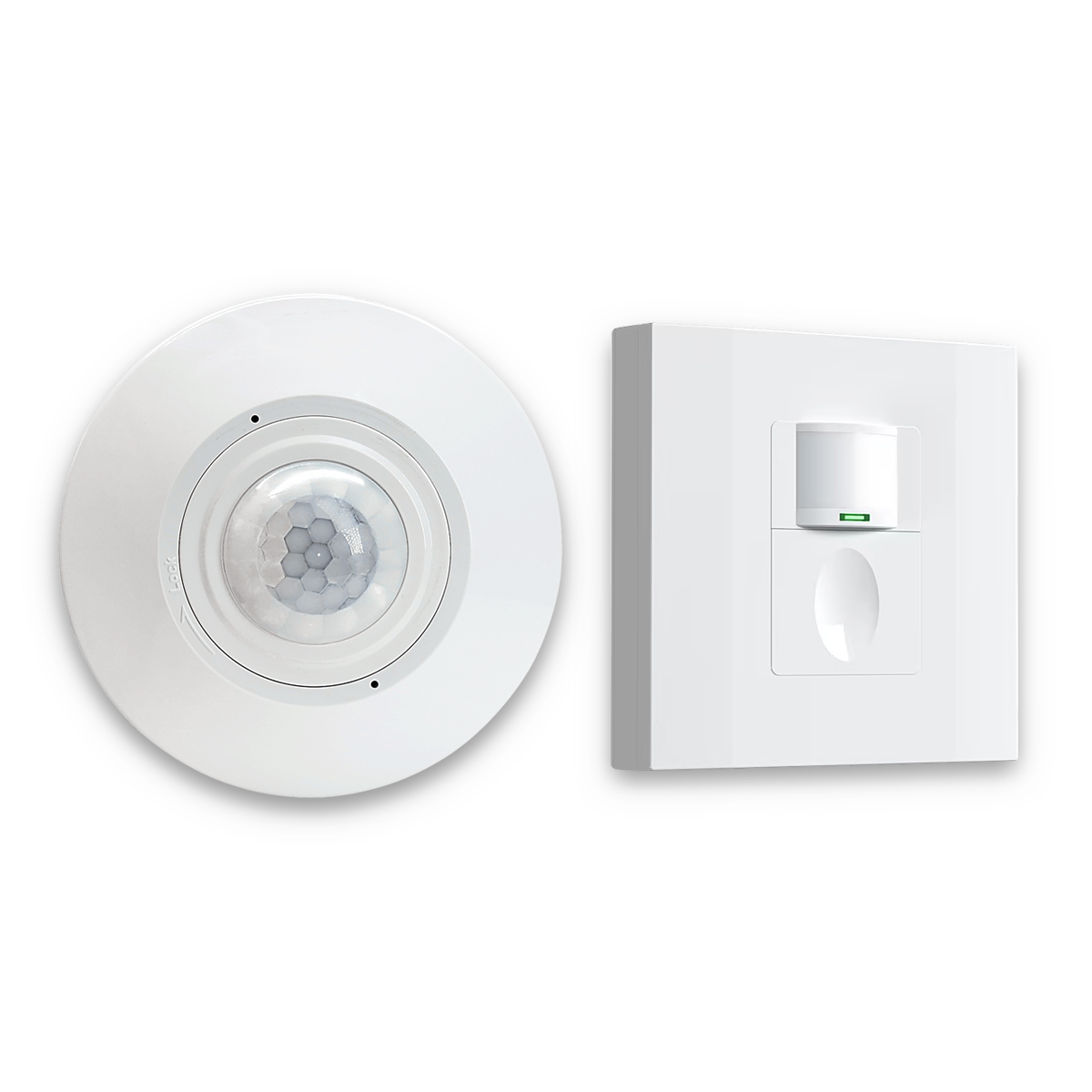
- Occupancy mode
- 100V ~ 265V, 5A
- Neutral Wire Required
- 1600 sq ft
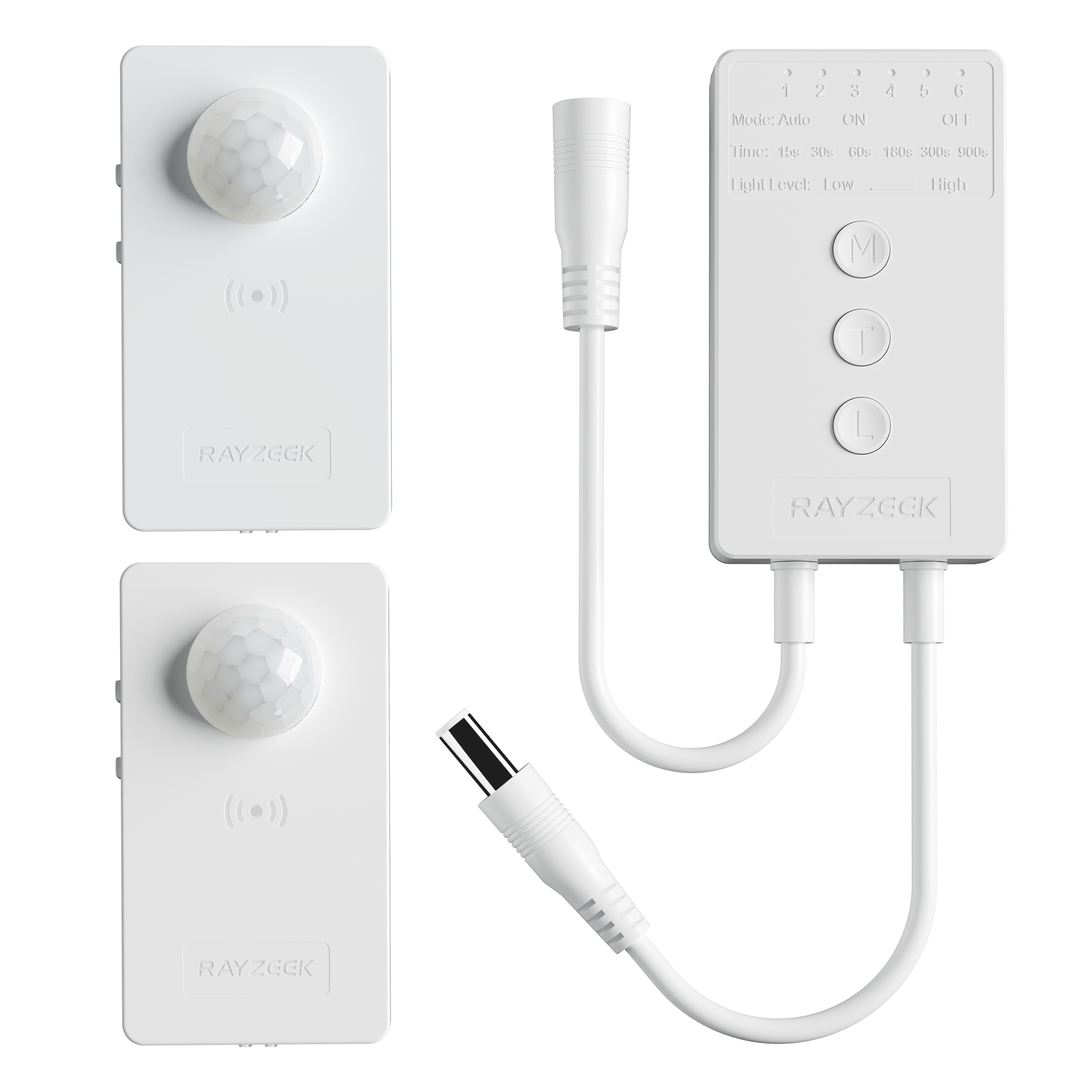
- Voltage: DC 12v/24v
- Mode: Auto/ON/OFF
- Time Delay: 15s~900s
- Dimming: 20%~100%
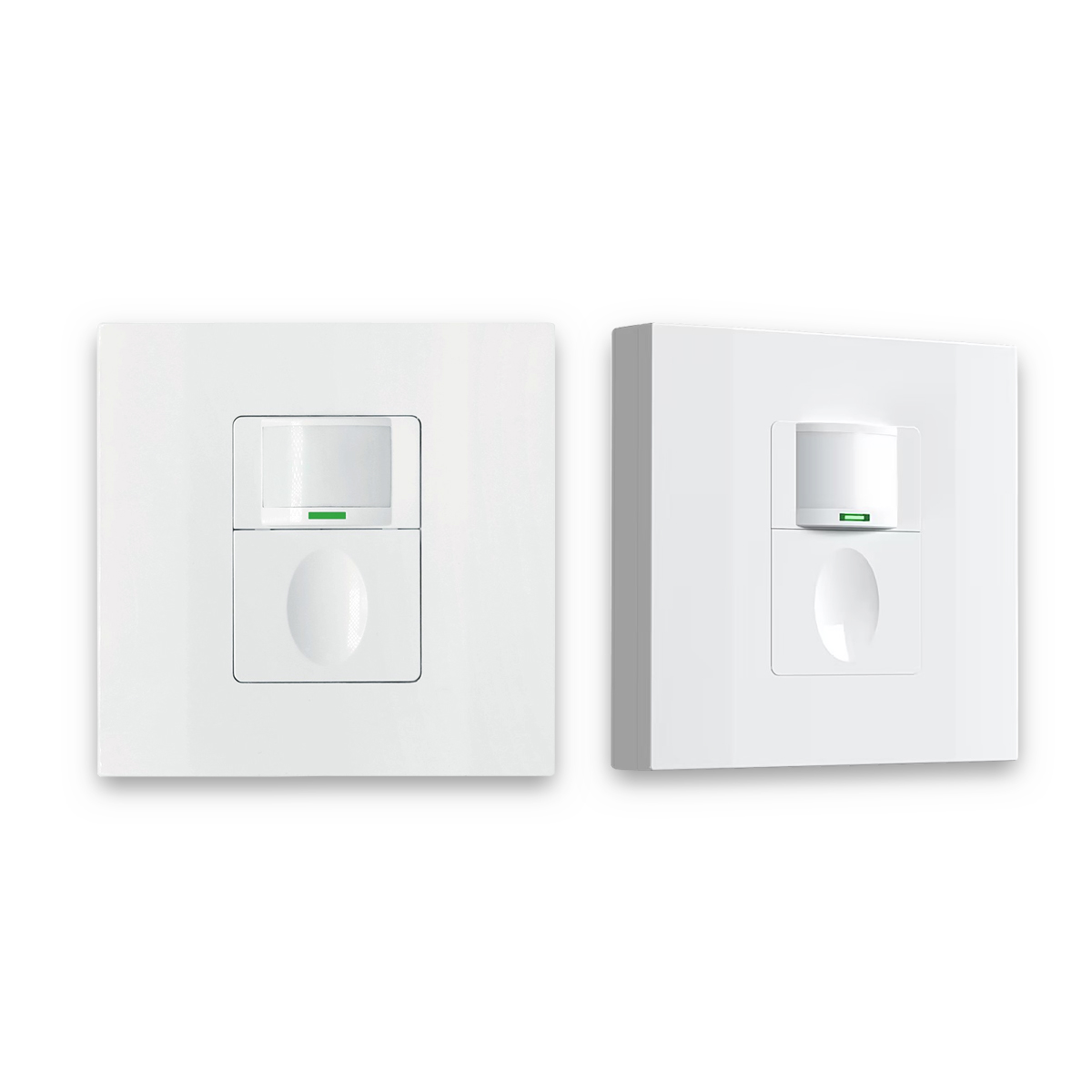
- Occupancy, Vacancy, ON/OFF mode
- 100~265V, 5A
- Neutral Wire Required
- Fits the UK Square backbox
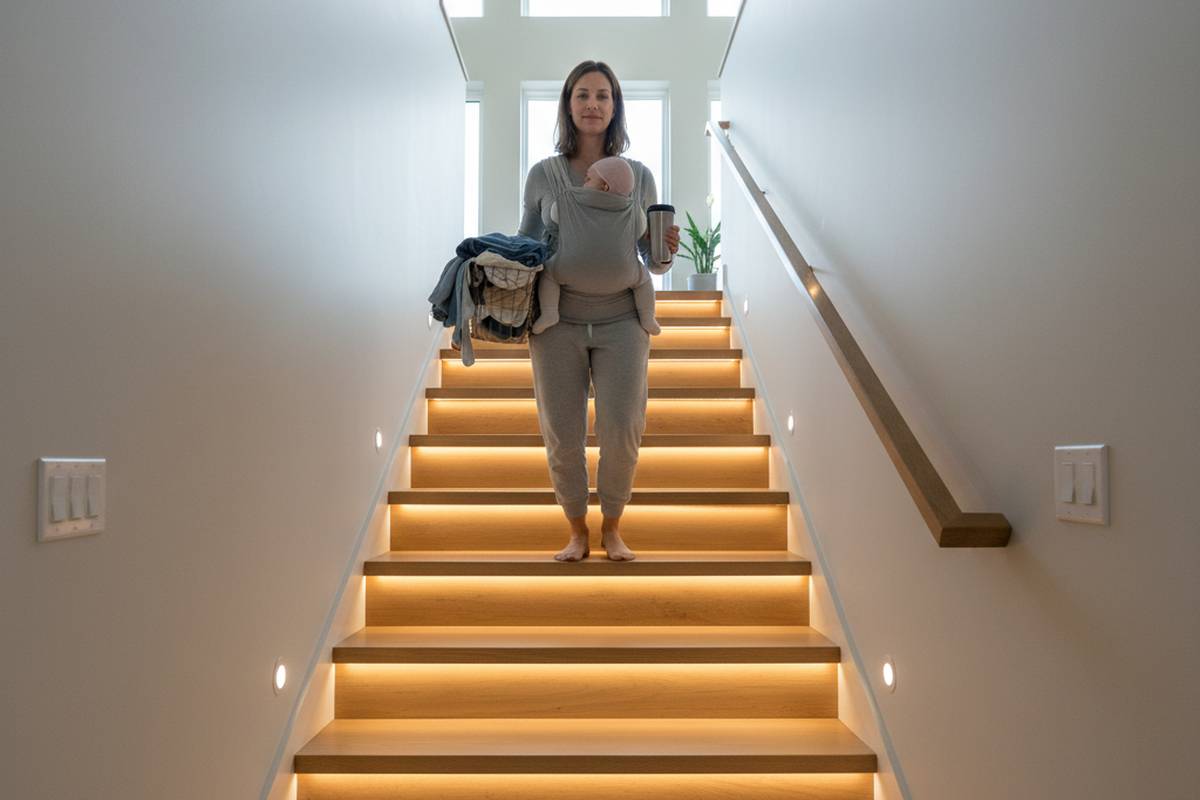
A duplex hallway solution from 2020 provides a concrete example: a 2700K toe‑kick LED strip kit (~$38) provided a low, warm glow that made the route obvious without waking anyone. In a rental context, a plug‑in amber night light in a hall outlet can do similar work for $9–$14, and it often outperforms an overly enthusiastic motion switch simply because it is predictable. This isn’t anti-technology advice; it’s “right tool for the job” advice.
A practical zoning model that shows up in installs that survive the first month looks like this:
- Bedroom: vacancy mode (manual‑on), because sleep is the constraint.
- Hallway/landing: steady low-level guidance light overnight, or motion at very low output if steady is not possible.
- Bathroom: auto‑on can be appropriate, but capped dim and warm, triggered after crossing the threshold—not from bed movement.
- Overhead full-bright: reserved for deliberate scenes (cleaning, dressing, daytime tasks), not as the default nighttime response.
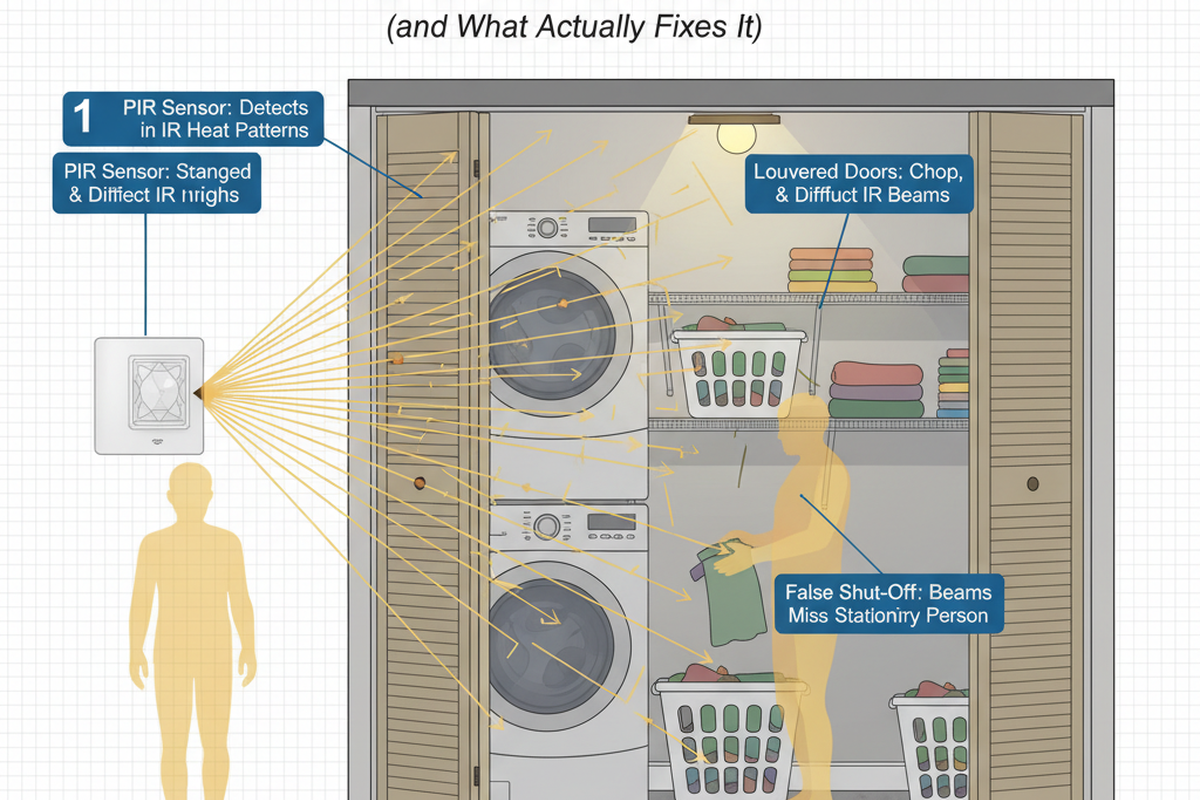
Use sensors here: Pantries, laundry rooms, closets, mudrooms (hands full is real there). Be cautious here: Bedrooms (sleep is fragile there).
The “safety objection” deserves one more direct answer. If the fear is falling, the worst response is a system that surprises, blinds, or startles. Surprise increases clumsiness. Glare can be disorienting, especially for older eyes. A better safety plan is route-based and predictable: a low glow that is already present in the hall, plus a bathroom light that comes on gently at a dim cap when the bathroom is entered. This meets the safety goal without turning the bedroom overhead into a spotlight that can wake two people at once.
It’s worth acknowledging uncertainty honestly: exact lux comfort thresholds vary by age, vision, and room contrast. The numbers above are ranges, not promises. The stable advice is to test the route at night—when the light will actually be used—and adjust placement and levels until feet feel confident without the brain snapping fully awake.
Rayzeek Vacancy Mode: What to Set, Conceptually (Without a Wiring Tutorial)
Rayzeek’s appeal in this context isn’t a million features; it’s that it can be set up to respect the bedroom as a consent zone. The specifics vary by model and firmware, so the exact menu names and indicator behaviors should come from the device manual or datasheet. The design target stays consistent even when labels differ.
Conceptually, the settings that matter for bedrooms and the bedroom-adjacent route are:
- Mode selection: vacancy/manual‑on in bedrooms, so motion cannot initiate full room lighting.
- Night behavior: if the device supports dim levels, warm scenes, or “night light” behavior, keep night output capped.
- Timeout behavior: avoid short timeouts in sleep-adjacent spaces that create off/on cycling. Cycling is often what makes behavior feel “haunted.”
- Trigger boundaries: prefer threshold-based triggers for ensuites and bathrooms—activation after crossing a doorway rather than line-of-sight from the bed.
A common reader thought shows up here: “But the sensors are already bought.” That sunk cost is real, and it’s also where projects quietly go wrong. The highest-ROI rooms for auto-on are the boring utility spaces—laundry, pantry, mudroom, closets—because the motion is intentional and the tolerance for automation is high. Bedrooms are low ROI because the cost of a single mistake is enormous relative to the convenience. Relocating a sensor from a bedroom to a pantry isn’t admitting defeat. It is using the device where it creates fewer support texts and fewer 2 a.m. regrets.
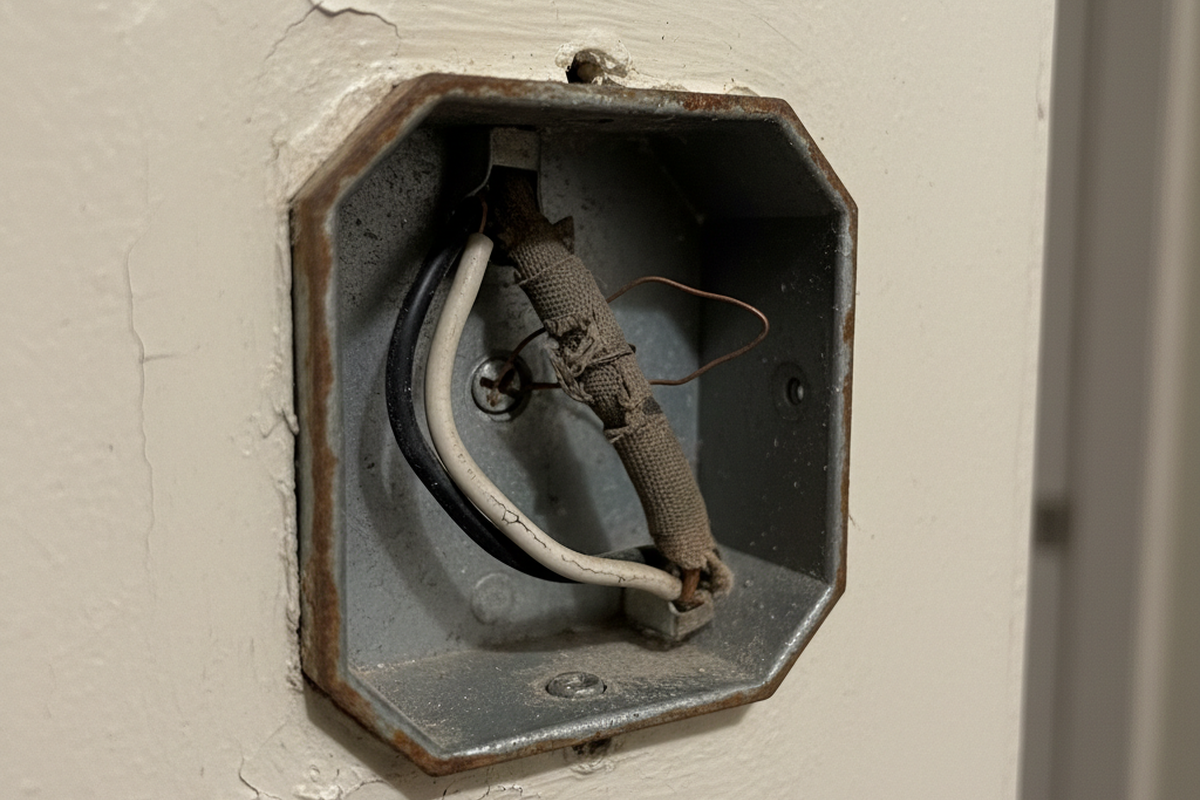
This section is also where restraint matters. Wiring and wall switch replacement can be a safety issue and a code issue, especially in older housing stock with mixed surprises. High-level behavior guidance is appropriate here; step-by-step electrical instruction is not. When a wall device installation is involved, the right recommendation is a licensed electrician—and then a behavior test at night once it’s installed.
Get Inspired by Rayzeek Motion Sensor Portfolios.
Doesn't find what you want? Don't worry. There are always alternate ways to solve your problems. Maybe one of our portfolios can help.
Edge Cases: When Bedrooms Aren’t Pure Vacancy (and How to Still Avoid 2 a.m. Surprises)
There are legitimate exceptions where hands-free bedroom lighting may be needed—mobility impairment, low vision, post-surgery movement limitations, or any situation where reaching a control is unsafe. In those cases, the sleep-first default yields to safety and accessibility, but the “surprise full-bright” problem still has solutions. The goals shift: keep initiation reliable and predictable, cap brightness at night, avoid cold color temperatures, and keep triggers focused so bed movement does not behave like “someone entered the room.”
A compromise model that sometimes works for mixed-use bedrooms (office by day, sleep by night) is the two-mode rule. Day mode can allow more automation and higher levels, while night mode tightens the rules—dim caps, gentler transitions, and ideally vacancy/manual-on for the main bedroom load. The warning is the same as the Minneapolis night-shift tenant case: time windows assume a standard schedule. If naps, newborn routines, or rotating shifts are in play, vacancy mode remains the most robust behavior because it does not require guessing when someone is asleep.
Finally, there is a testing step that is easy to skip and tends to matter: evaluate the system at night, not at 2 p.m. Walk the route—bed edge to bathroom and back—while the house is quiet. If something surprises you, redesign until it doesn’t. The win condition isn’t maximum automation. The win is that nobody thinks about the lights at 2:17 a.m.
Quick Field Guide Summary: What “Good” Looks Like
A calm, low-callback setup usually has a few boring characteristics: bedrooms are manual-on via vacancy mode; nighttime brightness is capped and warm (2700K-ish lighting tends to be tolerated better than cold white); and the route is lit on purpose, either with a steady low glow in the hall or a dim, threshold-triggered bathroom light. The setup is explainable in one sentence, which makes it usable by guests and acceptable to the least tolerant sleeper. A practical follow-up rhythm (at roughly 2 and 6 weeks after install) tends to catch the one behavior that still annoys people before they rip the whole thing out.
“Smart,” in sleep-adjacent spaces, isn’t about fewer touches. Smart is polite. Smart is predictable. Smart doesn’t initiate a fight at midnight.