Restroom sensors don’t usually fail in polite ways. They fail in ways that create complaints, embarrassment, and those 6:40 a.m. emails that start with “Again?” and end with someone asking why the vendor can’t “just make it work.”
For small-business restrooms, the practical goal isn’t squeezing the last few minutes of light time out of the day. The goal is invisibility: nobody talks about the sensor, nobody waves at it, and nobody writes notes about it on the door.
That outcome comes down to two failure modes that matter more than any feature list: the restroom being dark when someone walks in, and the lights turning off while someone is still in a stall.
The Two Restroom Failures That Actually Cost Money
A wall sensor can be “working perfectly” and still be an expensive problem. Electricity isn’t the expensive part; the real cost is the callback math. Dispatch time, drive time, explaining the situation to a manager who is already annoyed, and then deciding whether the trip is billable or if it turns into a relationship repair.
The two failures that create the loudest tickets are predictable. One is dark-on-entry: a customer or tenant opens the door and the restroom looks closed. The other is the stall false-off: the lights go out on a still person behind a partition. The second one is the one people repeat as a story.
Take a small medical office TI in Chandler, AZ, back in Spring 2020. It’s a clean example of why restrooms deserve a different mindset than hallways. The patient restroom had a deep stall and partitions that created a shadow zone. The sensor switch looked fine from the door; a quick walk test in the open area made it feel like a sign-off item. Then a heavy clinic day hit, and the lights shut off on a patient in the stall—twice. The clinic manager didn’t want a technical explanation about PIR. The language that came back was “safety issue” and “ADA nightmare,” which is often how an operational embarrassment gets escalated even when it isn’t strictly a code issue. The result was a same-day return visit, an unpaid fix, and a lesson that stuck: commissioning has to be for stillness, not for movement.
This is where people go wrong and label it as a “defective switch.” The symptom sounds like a defect: “It turns off while I’m in there.” But in stalls, it’s frequently geometry plus a stillness window. A person sitting down, looking at a phone, or just being quiet can move very little for 1–4 minutes at a time, and partitions can block the sensor’s line-of-sight to whatever motion it would normally catch. That’s not a brand-specific insult; it’s just the physics of a wall-box sensor trying to see around a wall.
So the selection lens should be blunt: pick the Rayzeek PIR switch and the settings that reduce those two failures first. Worry about everything else later.
Two-Question Intake Filter (Pick the Right Behavior Before the Product)
This filter stops you from buying the wrong hardware and trying to “tune” your way out of it later.
Question one: Is the restroom public-facing or employee-only? Not “technically” public, but behaviorally public—does it get first-time users who don’t know where the switch is and won’t read a sign?
Question two: Which failure is intolerable at that site—dark on entry, or lights-off-in-stall? Many people say “energy savings,” but the real driver is usually one of those two. The purchase decision should be made to minimize the worst-case scenario, not to optimize a spreadsheet.
In 2019, a property manager in Tempe, AZ forwarded a tenant complaint with one line that mattered: “Fix it so I never hear about it again.” On site, the device wasn’t broken. It was configured like a hallway: aggressive timeout and a sensitivity setup that effectively required arm-waving. The useful detail came from the tenant office manager describing the worst moment: quiet stall time, not sink time. A conservative off-delay and a disciplined setup stopped the tickets. The property manager’s real ask wasn’t “which model.” It was a standard that doesn’t generate follow-ups—something that can be repeated across suites, documented (date and setting in a panel note), and forgotten.
Mode is where a lot of “motion sensor problems” are actually expectation problems. Late 2023 in Gilbert, AZ, a quick-service restaurant owner requested manual-on/auto-off behavior because the lights turning on felt wasteful. The install was technically clean, but the switch location sat behind a door swing and wasn’t obvious to first-time users. Customers started telling the cashier the restroom was “closed” because it was dark, and one person asked for a key that didn’t exist. Nothing was defective. The environment was wrong for the behavior. The fix wasn’t more sensitivity or tighter timers; it was switching back to occupancy behavior so the entry experience matched public expectations.
That’s why a practical default looks like this:
- Public-facing restrooms usually need occupancy behavior (auto-on) because the cost of “dark on entry” is immediate complaints and confused customers.
- Employee-only restrooms can often use vacancy behavior (manual-on, auto-off) if the staff culture supports it and the switch is obvious—because unnecessary on-cycles and nuisance-ons become the bigger annoyance.
One caution belongs here: energy codes and enforcement vary by jurisdiction and project type. A retrofit in a small strip center and a new TI under a strict energy code regime don’t always live under the same expectations. The safest posture is to treat this guidance as an operational filter for reducing tickets, and then confirm requirements with the AHJ or the project’s energy compliance path when that’s in play.
Maybe You Are Interested In
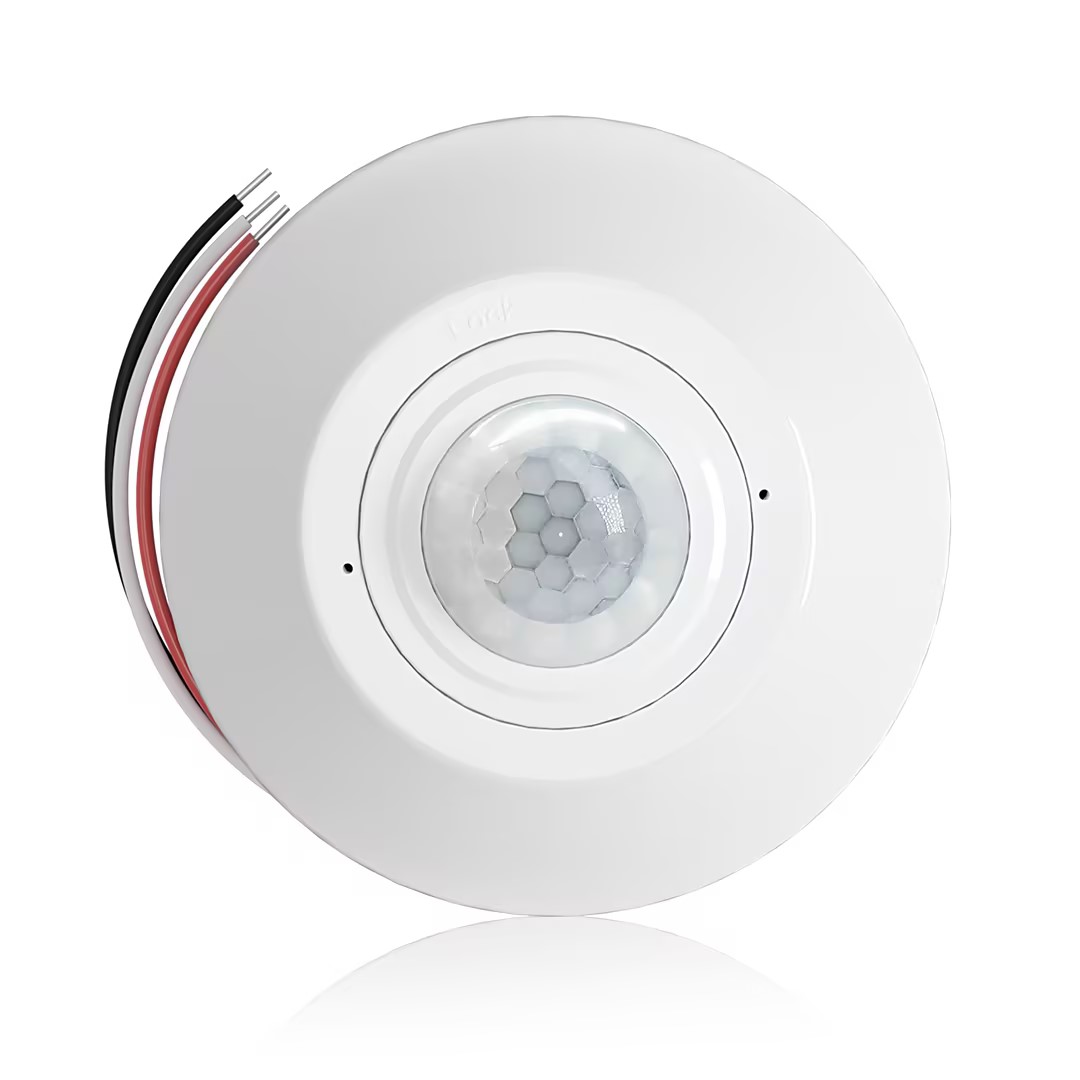
- Ceiling-mounted PIR occupancy sensor with dry-contact relay output
- 12/24VDC or 12/24VAC low-voltage supply
- COM, NO, and NC isolated relay contacts for EMS, HVAC, and building control inputs
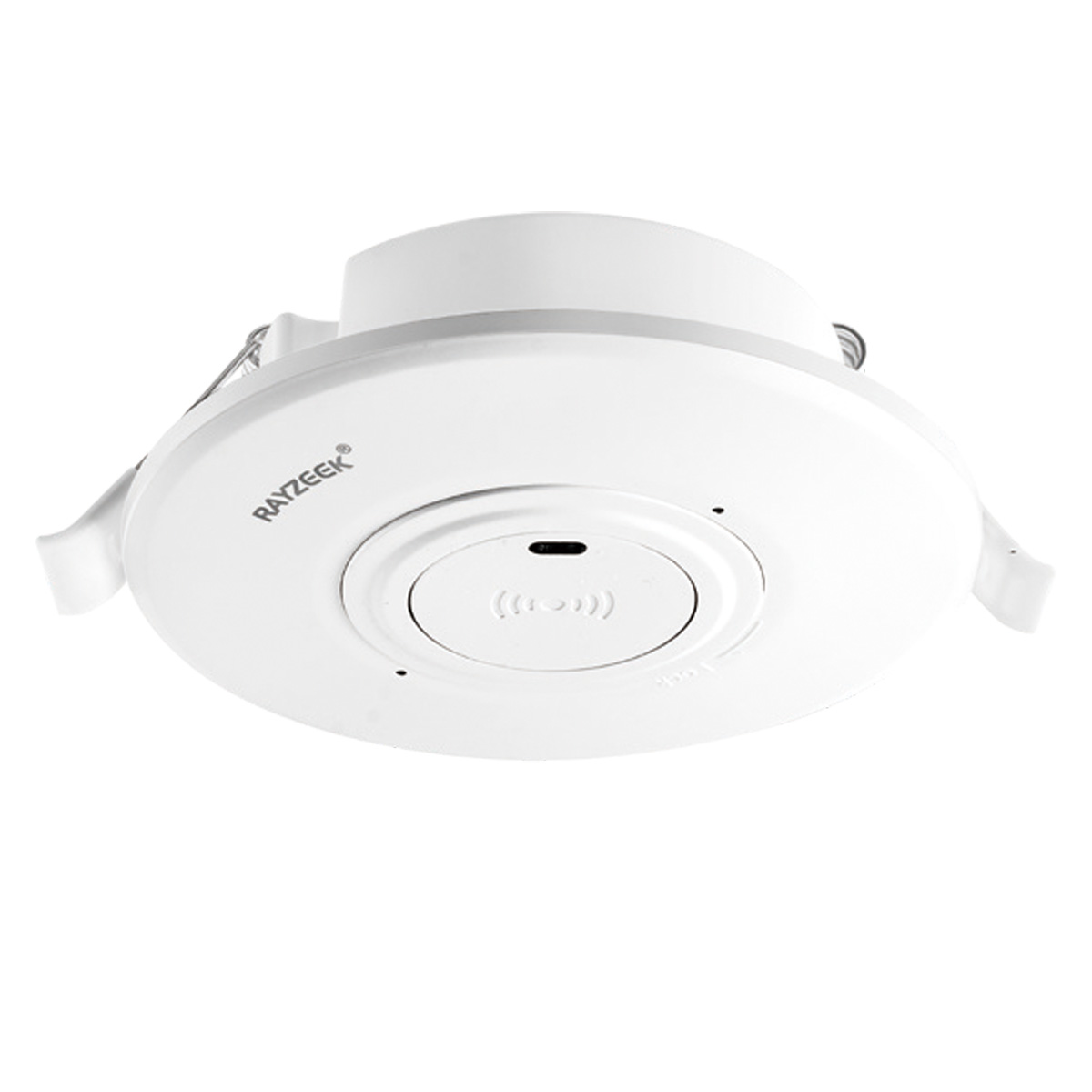
- Low-voltage DC recessed ceiling-mounted microwave motion sensor switch
- 12 VDC / 24 VDC input with 10-30 VDC range
- 10A max work current with adjustable time delay, Lux threshold, and sensitivity
- Higher-load recessed ceiling-mounted microwave motion sensor switch
- 100-265 VAC line-voltage input, 10A model
- 5.8 GHz microwave sensing with adjustable time delay, Lux threshold, and sensitivity
- Recessed ceiling-mounted microwave motion sensor switch
- 100-265 VAC line-voltage input, 5A model
- 5.8 GHz microwave sensing with adjustable time delay, Lux threshold, and sensitivity
- Ceiling-mounted RZ037 PIR occupancy sensor dimmer for 220V power
- 3A maximum working current with 660W rated load
- LUX button controls light-sensor ON/OFF and user-set dimming brightness
- Ceiling-mounted RZ037 PIR occupancy sensor dimmer for 110V power
- 3A maximum working current with 330W rated load
- LUX button controls light-sensor ON/OFF and user-set dimming brightness
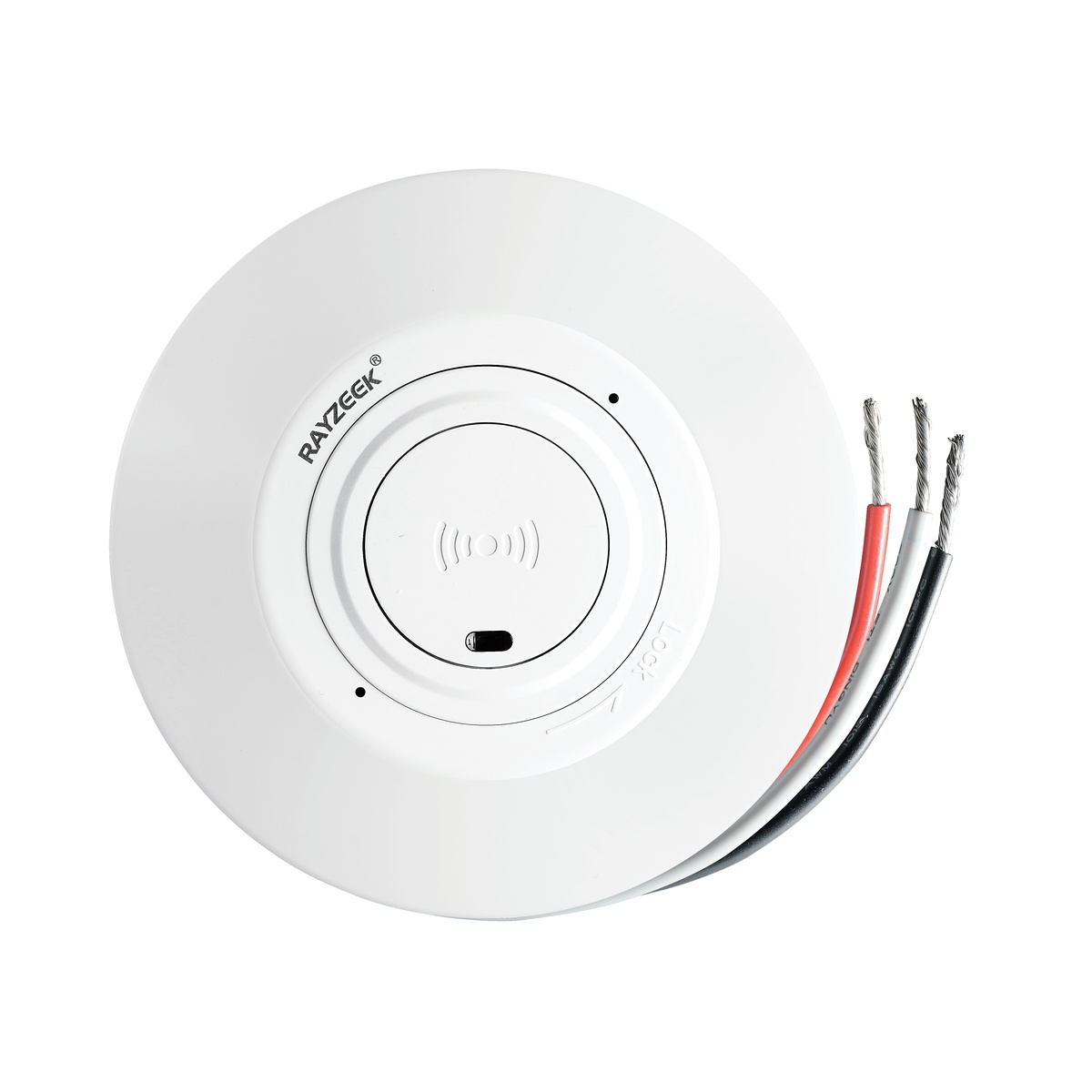
- Low-voltage DC ceiling-mounted microwave motion sensor switch
- 12 VDC / 24 VDC input with 10-30 VDC range
- 10A max work current with adjustable time delay, Lux threshold, and sensitivity
- Higher-load ceiling-mounted microwave motion sensor switch
- 100-265 VAC line-voltage input, 10A model
- 5.8 GHz microwave sensing with adjustable time delay, Lux threshold, and sensitivity
- Ceiling-mounted microwave motion sensor switch
- 100-265 VAC line-voltage input, 5A model
- 5.8 GHz microwave sensing with adjustable time delay, Lux threshold, and sensitivity
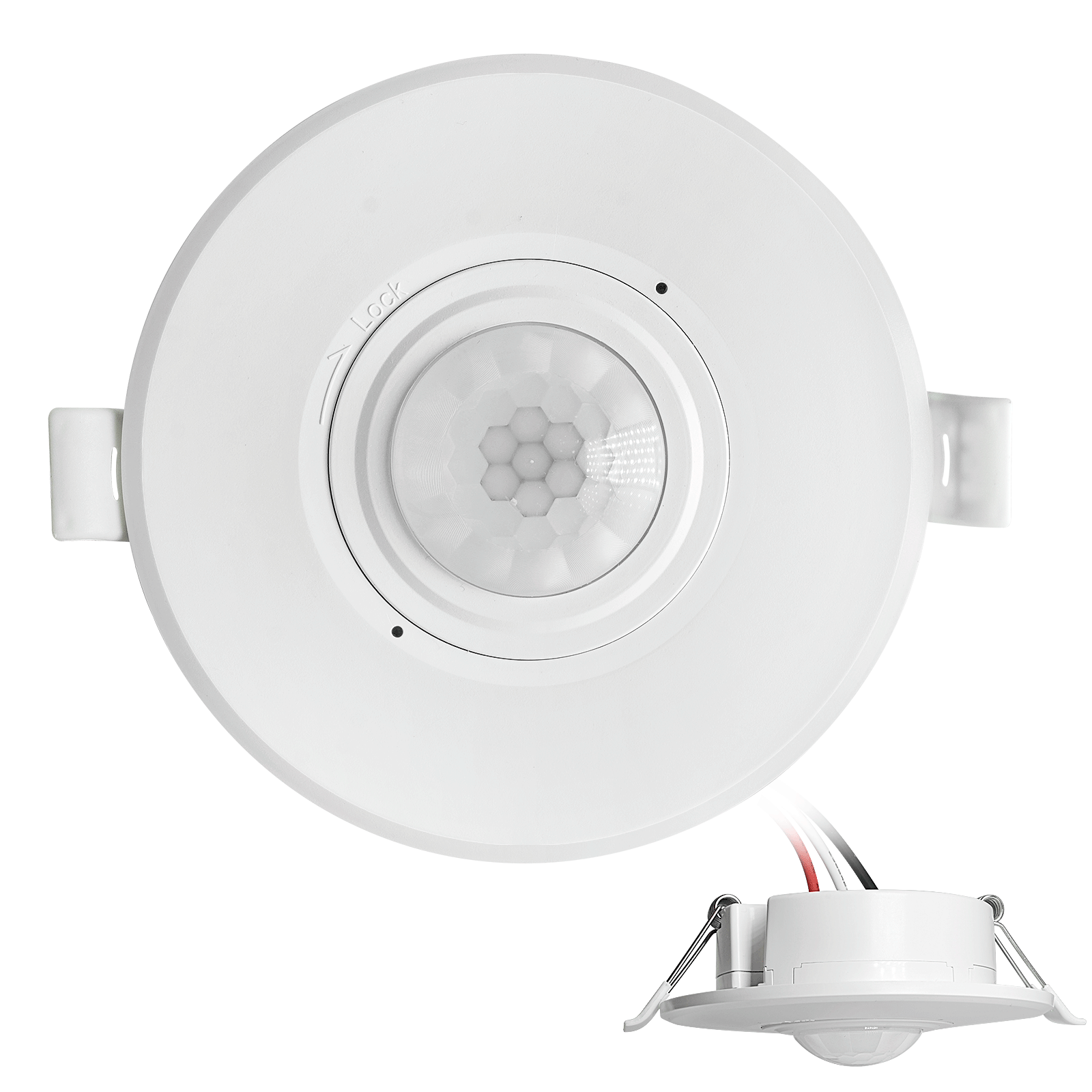
- Low-voltage DC recessed ceiling mount PIR motion sensor switch
- 12 VDC / 24 VDC input with 10-30 VDC range
- Max work current 10A with adjustable time delay, Lux threshold, and sensitivity
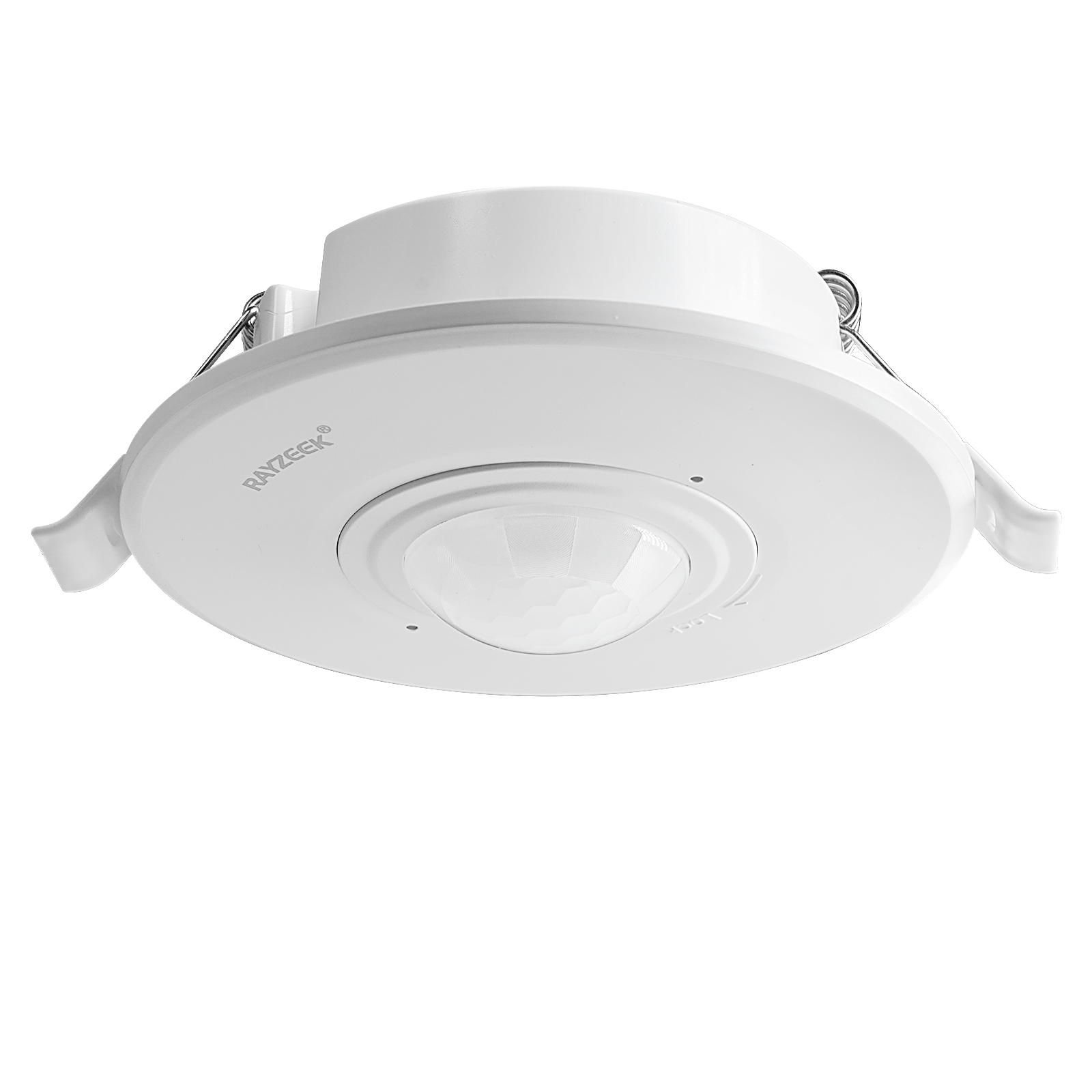
- Higher-load recessed ceiling mount PIR motion sensor switch
- 100-265 VAC line-voltage input, 10A model
- 360-degree detection with adjustable time delay, Lux threshold, and sensitivity
- Recessed ceiling mount PIR motion sensor switch
- 100-265 VAC line-voltage input, 5A model
- 360-degree detection with adjustable time delay, Lux threshold, and sensitivity
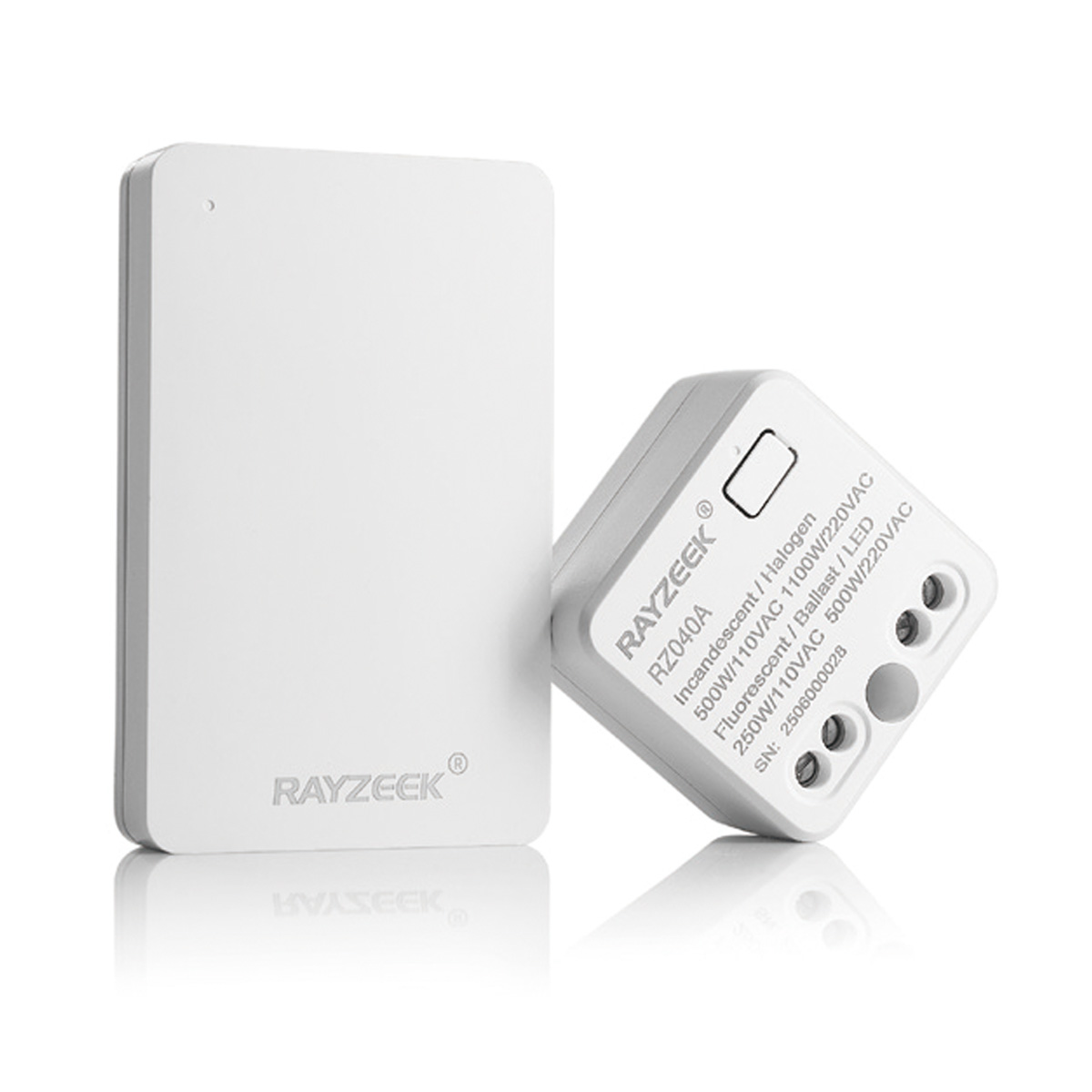
- Wireless switch and receiver kit for indoor ON/OFF lighting control
- 100-230VAC, 50/60Hz receiver with 5A rated current
- CR2032-powered wireless switch with 2.4GHz communication
- Occupancy (Auto-ON/Auto-OFF)
- 12–24V DC (10–30VDC), up to 10A
- 360° coverage, 8–12 m diameter
- Time delay 15 s–30 min
- Light sensor Off/15/25/35 Lux
- High/Low sensitivity
- Auto-ON/Auto-OFF occupancy mode
- 100–265V AC, 10A (neutral required)
- 360° coverage; 8–12 m detection diameter
- Time delay 15 s–30 min; Lux OFF/15/25/35; Sensitivity High/Low
- Auto-ON/Auto-OFF occupancy mode
- 100–265V AC, 5A (neutral required)
- 360° coverage; 8–12 m detection diameter
- Time delay 15 s–30 min; Lux OFF/15/25/35; Sensitivity High/Low
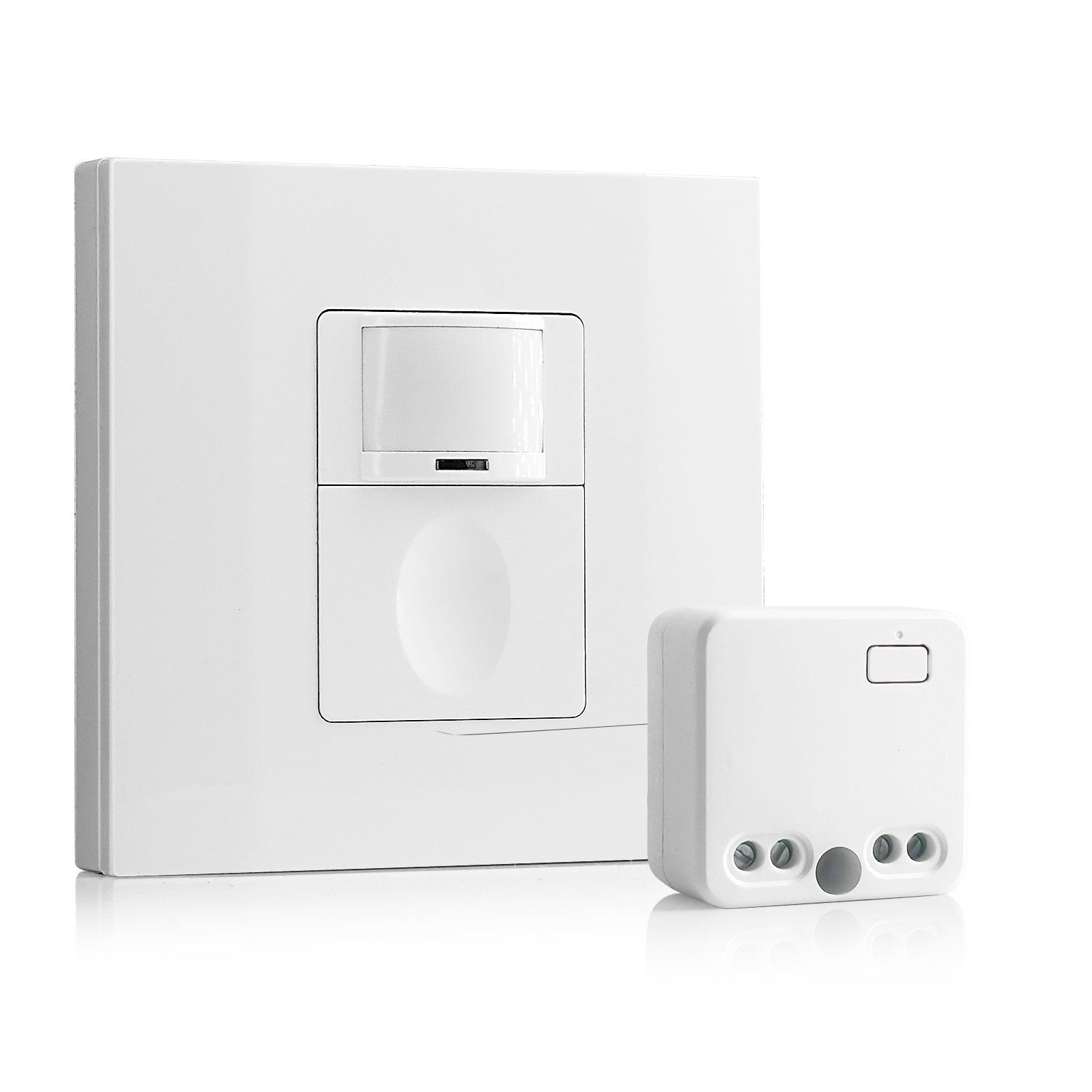
- 100V-230VAC
- Transmission Distance: up to 20m
- Wireless motion sensor
- Hardwired control
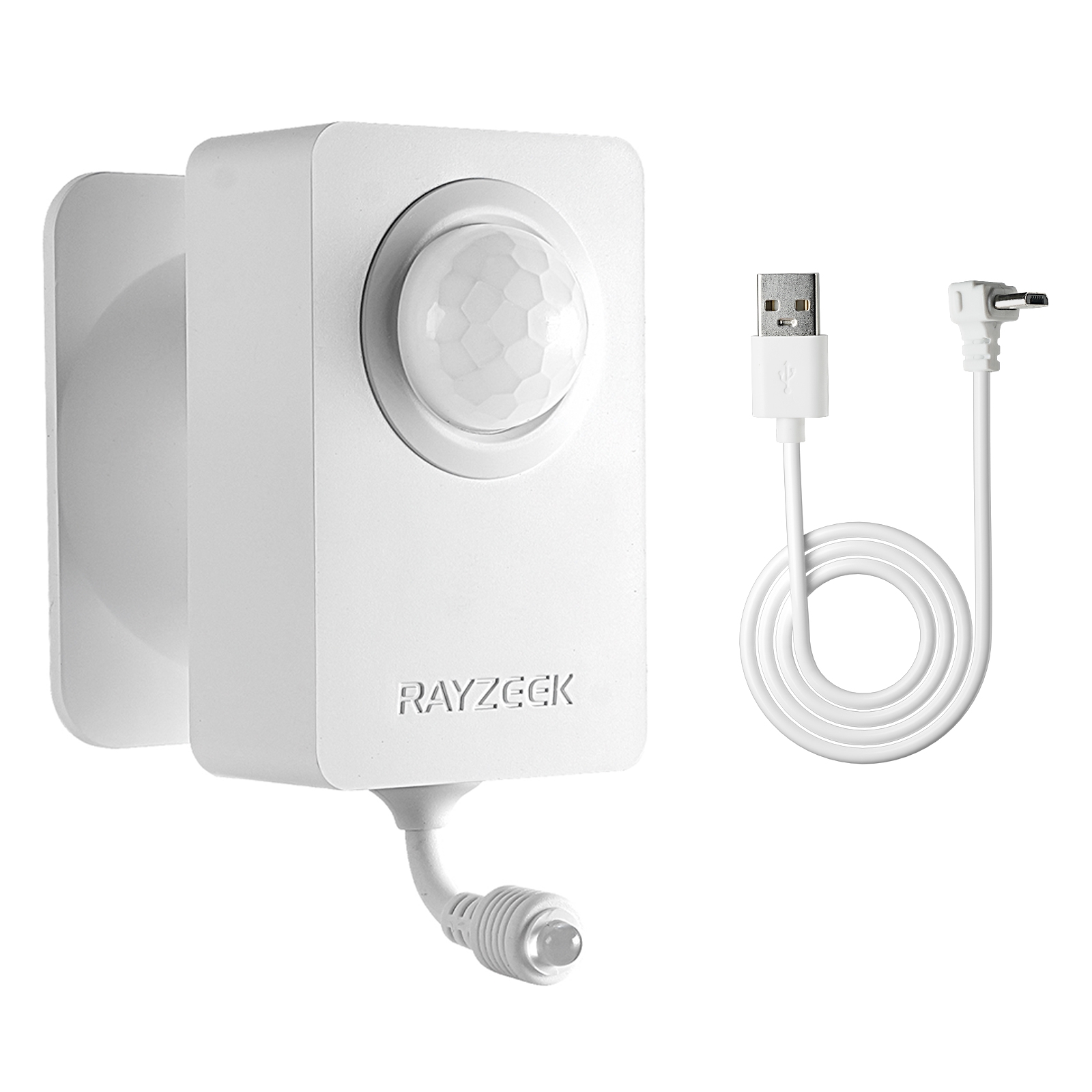
- Voltage: 2x AAA Batteries / 5V DC (Micro USB)
- Day/Night Mode
- Time delay: 15min, 30min, 1h(default), 2h
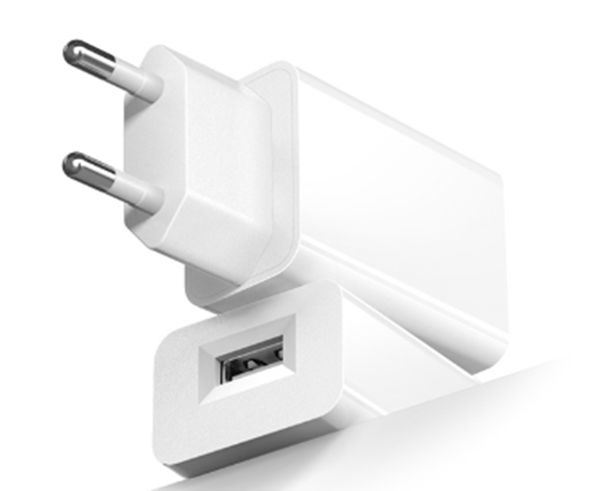
- EU plug power adapter
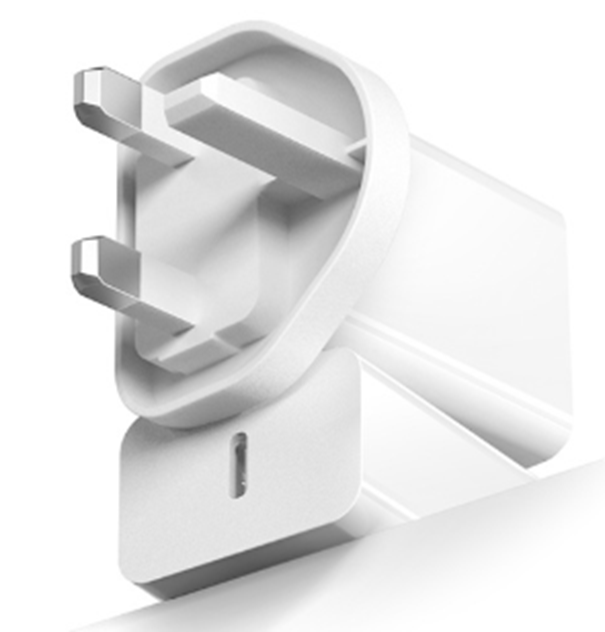
- UK plug power adapter
Once the behavior path is chosen, the rest of the selection is less mysterious. In restrooms, three levers decide whether a Rayzeek PIR switch disappears into normal life: timeout, coverage/geometry, and commissioning.
Timeouts: The Setting That Prevents Most Restroom Drama
People instinctively reach for the fix that creates the problem: shortening the timer. It feels responsible. It feels like savings. It often produces the most embarrassing failure mode.
Restrooms have a stillness pattern that other rooms don’t. In a hallway, motion is frequent and obvious. In a stall, it’s not. A person can be present and nearly motionless, and the sensor can be blocked from the motion it would normally “see.” That’s why timeouts in restrooms are dignity settings: they’re set to avoid the situation where someone is sitting in the dark, not to chase the last few minutes of off-time.
A boutique gym in Mesa, AZ followed this pattern in 2021. During soft opening week, members complained the lights dropped while they were changing or showering. Long low-motion stretches, plus loud fans and steam, made people assume the system was “smart.” The owner didn’t care what the spec sheet said; the owner cared about reviews and the first impression window. A stable off-delay in the 10–15 minute range stopped the complaints. We didn’t pick that number because every restroom needs it; we picked it because the default short setting was an expensive distraction.
A practical timeout posture for small-business restrooms is conservative first, tighter later if reality supports it. For many small restrooms with stalls, a 10-minute starting point is a common “no drama” band, and 15 minutes is not a scandal if the site has longer dwell times or a history of complaints. If the restroom is truly low-use—like a warehouse office with three people—and the owner is pushing for energy discipline, the tighter move happens after a couple weeks of observation, not on day one.
Cleaning crews are the hidden stakeholder that gets forgotten until the first after-hours complaint. A cleaner can be inside with minimal motion—wiping, restocking, reading labels—exactly the kind of activity that looks like “no one is there” to a wall sensor. A timeout that works for daytime traffic can be miserable for after-hours work. If the goal is minimal callbacks, the cleaning workflow is part of the commissioning interview, not an afterthought.
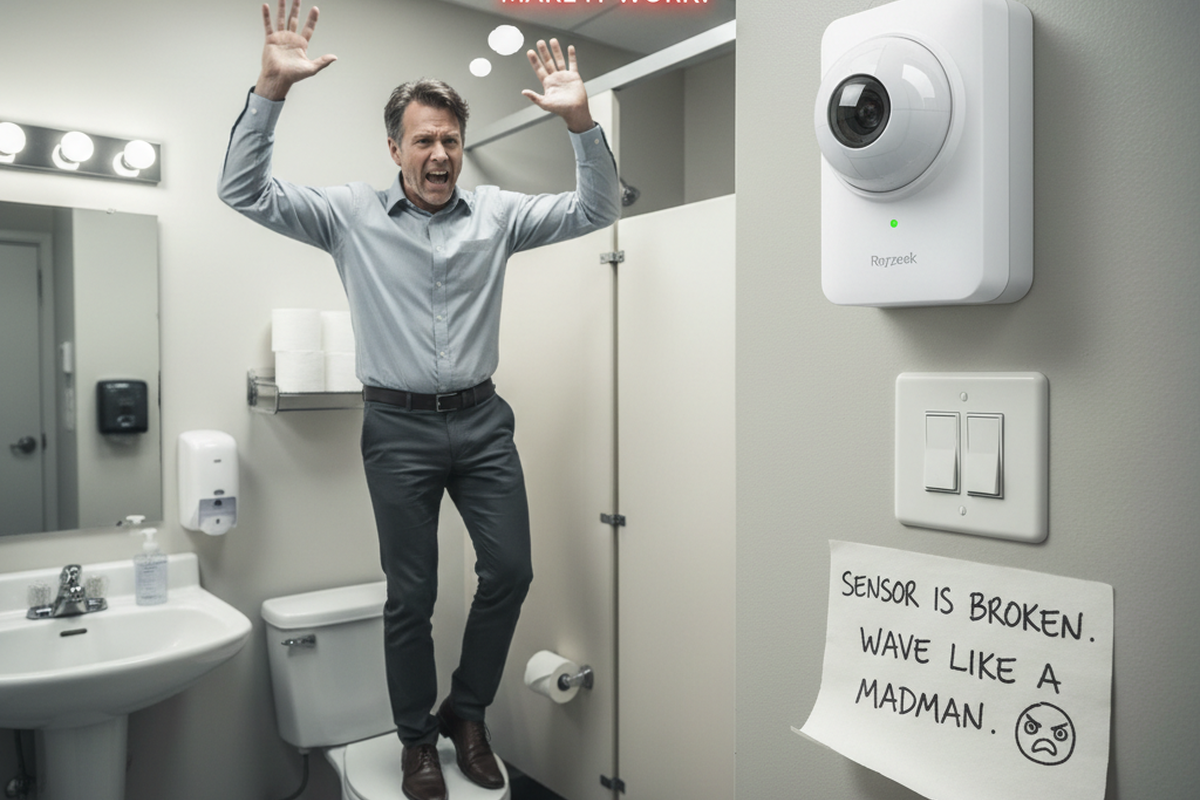
Arm-waving is not a user feature. It’s a failure report.
Once the timeout stops being treated as a guilt lever, the next bottleneck shows up: coverage and geometry. That’s where a “good” sensor on paper becomes a bad install in a real stall layout.
Coverage and Geometry: Why the Same Switch Works in an Office and Fails in a Stall
A PIR wall switch is a line-of-sight device living in a spot chosen for human convenience, not for sensor performance. In a single-occupant restroom with no partitions, that can be fine. In a multi-stall restroom, it’s a gamble unless the coverage pattern and the room geometry cooperate.
The failure-mode walkthrough is simple and doesn’t require PIR theory. Picture the layout: door, sink and mirror, then a stall partition that creates a deep pocket. The sensor is at the switch wall, often near the door. If the sensor “sees” the sink area clearly, a walk test looks great. But if the stall pocket is behind a partition shadow, the sensor may not detect the motion that matters—small movements of shoulders, hands, or head that happen while seated. That’s how a device can pass a quick test and still fail the real test case.
That’s exactly what showed up in Chandler in Spring 2020: deep stall geometry plus partition shadow created a dead zone. The fix wasn’t mystical. It was treating the stall as the commissioning location, not the doorway. A still-person-in-stall test would have revealed the risk before the first patient ever used it. That’s why coverage is the make-or-break variable in restrooms: any design that can lose a still person in a stall is unacceptable, even if it looks great from the entrance.
Looking For Motion-Activated Energy-Saving Solutions?
Contact us for complete PIR motion sensors, motion-activated energy-saving products, motion sensor switches, and Occupancy/Vacancy commercial solutions.
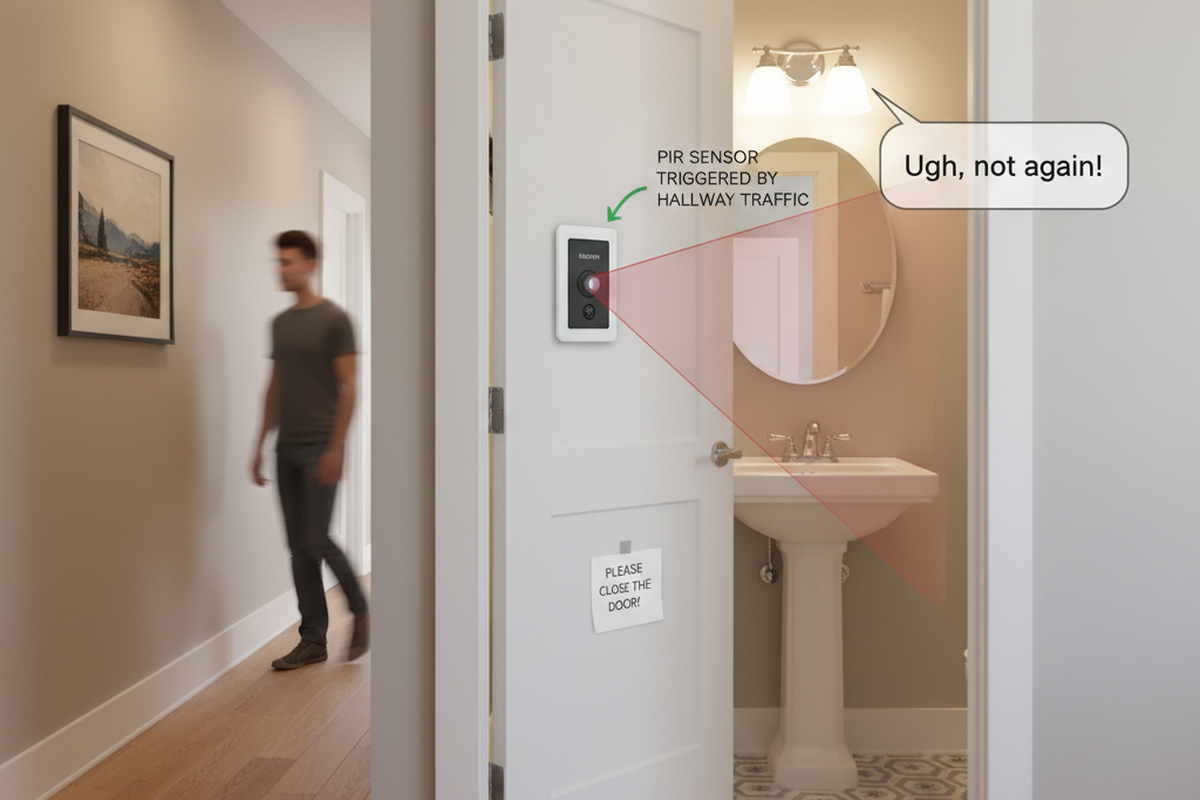
A related complaint tends to show up in strip centers and retail corridors: “The bathroom light keeps turning on by itself.” Sometimes it’s hallway traffic, sometimes it’s a door swing, sometimes it’s the sensor seeing motion through an open gap. Managers often notice it because of light bleed under the door at night—it looks wasteful. The trap is trying to solve nuisance-ons by shortening the timer, which punishes real users and increases stall false-offs. The boring fix is to address the trigger: coverage that isn’t catching the hallway, a mode choice that reduces nuisance-ons, or acknowledging that the existing switch location in a single-gang box is structurally disadvantaged for that room.
This is where spec sheets matter—but only in the way they can eliminate obvious mismatches. Wiring diagrams and manufacturer installation sheets are trustworthy for ratings (voltage, load type, neutral requirements) and for the claimed coverage pattern. Coverage diagrams are necessary, but they are not sufficient. The move that reduces callbacks is using Rayzeek’s documentation to avoid buying blind, then validating in the room archetype that actually matters: partitions, door swing, and stillness.
The practical endpoint isn’t a perfect theoretical choice. It’s a short commissioning routine that tells the truth about the room.
A 3-Minute Commissioning Routine (So the Sensor Becomes Invisible)
Commissioning is the cheapest part of the whole project. It’s also the part that gets skipped because the lights turned on during a walkthrough and everyone wants to move on.
A simple routine focuses on behavior, not on wiring. Start with an entry test: does the restroom reliably come on the way users approach it, including when the door is opened quickly and someone steps in without dramatic motion? Then do the stall stillness test: stand or sit in the deepest stall pocket, reduce motion intentionally, and see if the lights hold for a couple minutes without needing a wave. Finally, do the nuisance-on check: stand outside the restroom with normal hallway traffic and watch whether the light is being triggered by the corridor or door movement.
If the sensor fails the stall test, the conclusion should not be “turn up sensitivity and hope.” The conclusion is that the setup is wrong for the geometry. Coverage isn’t seeing the right zone, placement is structurally disadvantaged, or the timeout is too aggressive for the stillness window. That’s how “not a defect” becomes actionable: a lever to pull, not a customer to argue with.
Document what was set and why. A date and a timeout value written where the next tech can see it (inside a plate or in a panel note) is the difference between a stable standard and an endless experiment.
Get Inspired by Rayzeek Motion Sensor Portfolios.
Doesn't find what you want? Don't worry. There are always alternate ways to solve your problems. Maybe one of our portfolios can help.
With the behavioral routine done, the remaining purchase risk is mostly boring: compatibility checkpoints that prevent surprises after the wall plate goes back on.
Purchase Checkpoints (Neutral, LED Loads, and the ‘Don’t Become the Building Engineer’ Rule)
This guide is not going to walk through PIR history or a wiring tutorial. It also won’t try to turn a small-business owner into a controls technician. The goal is to reduce the odds of buying the wrong Rayzeek switch and then spending the next month “tuning” symptoms.
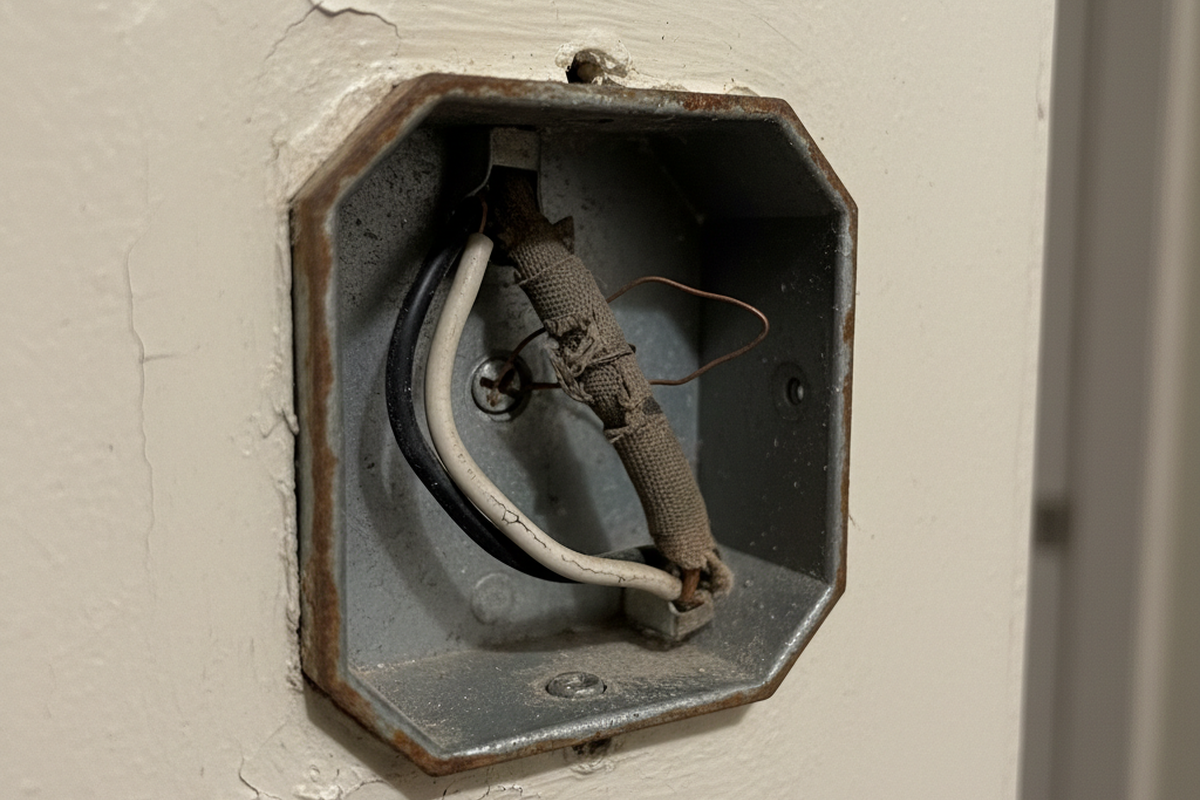
1. Neutral vs. No-Neutral Reality Many wall sensor switches require a neutral, and older suites or quick retrofits can surprise people when the box doesn’t have one. The practical move is to verify what conductors are present and match that to Rayzeek’s wiring diagram before purchase. If you aren’t comfortable opening a box safely, that’s the point to bring in a licensed electrician rather than guessing and hoping.
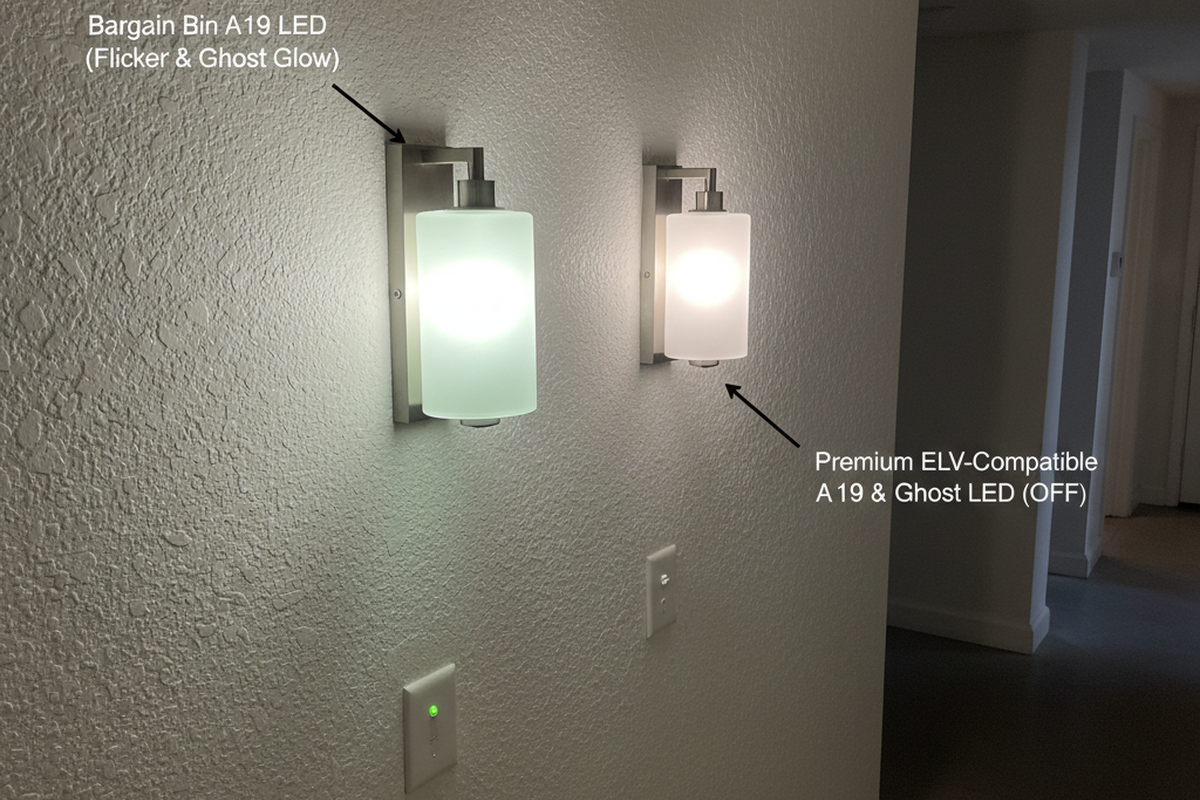
2. LED Load Compatibility Most restroom retrofits today are LED can lights or LED fixtures, and weirdness shows up as flicker, ghosting, or lights that won’t fully shut off. That isn’t a moral failing of PIR sensing; it’s an interaction between the switch electronics and the driver characteristics. The spec sheet and load ratings are the first filter, and then real-world behavior has to be validated because fixture/driver combinations vary. No one should promise universal compatibility without the exact fixture information.
3. Resisting the “Feature Trap” Feature-heavy sensors with app tuning and analytics can look attractive, but they often create configuration drift: one person tweaks it, then no one remembers what was changed, and troubleshooting becomes a guessing game. For minimal callbacks, the preference is a mode and a setting that can be explained in 30 seconds, written down, and left alone.
One honest uncertainty belongs in any restroom sensor recommendation: code expectations for vacancy vs. occupancy can vary by AHJ and by whether the project is a new build, a TI with energy compliance, or a simple retrofit. It’s possible for the operational “least complaints” choice and the strict “most compliant” choice to differ. The safe way to hold that tension is to treat this as an operational playbook, then confirm requirements with whoever owns compliance for the project when that’s part of the scope.
With that said, most “it’s acting weird” complaints still map back to a small set of levers. A short FAQ can keep the response from turning into random tinkering.
FAQ + Decision Recap (What to Do When It Still Complains)
If the complaint is “lights turn off while I’m in the stall,” the first suspect is not a defective switch. The first suspects are timeout too short for the stillness window, or coverage blocked by partitions. The fix path is: extend off-delay into a conservative band, then validate from inside the stall pocket. If it still fails, the room is telling the truth about geometry and a different coverage/placement approach may be needed.
If the complaint is “bathroom is dark until you find the switch,” that’s usually a mode mismatch for a public-facing restroom. Vacancy behavior can be perfectly functional and still create customer confusion, especially when the switch is behind a door swing or visually hidden. Public-facing restrooms tend to need auto-on behavior to avoid the “is it out of order?” moment.
If the complaint is “bathroom light keeps turning on by itself,” treat door swing and hallway traffic as suspects. Don’t reflexively shorten the timer. Check whether the sensor is seeing corridor movement or being triggered by the door; fix nuisance triggers at the source with coverage discipline or mode choice, then use the timer for user comfort.
The decision recap is simple enough to reuse across sites. Ask: public-facing or employee-only? Then ask: which failure cannot happen here—dark entry, or stall false-off? Choose occupancy/vacancy behavior accordingly, start with a conservative off-delay, and validate the room with a stall stillness test plus a nuisance-on check. Document settings and stop experimenting.
In small-business restrooms, the “best” Rayzeek PIR motion sensor switch is the one that disappears. If it needs a training memo, if people are waving at it, or if someone is embarrassed in a stall, the setup is wrong—even if the box says it’s saving energy. The money is in fewer tickets, fewer awkward calls, and a restroom that nobody thinks about again.