What is UVC Light
UVC light, also known as ultraviolet-C light, is a specific type of ultraviolet light that is used in the lighting industry for its germicidal properties. It has a peak wavelength of 254 nm and is highly effective in breaking down the DNA and RNA of various microorganisms, including bacteria and viruses. By rendering these microorganisms inactive, UVC light helps to prevent their multiplication and the spread of diseases.
Unlike visible light, UVC light is not visible to the human eye. It falls within the short-wavelength ultraviolet range, which is divided into three categories: UVA, UVB, and UVC. UVC light has the shortest wavelength and highest energy among these categories, making it particularly effective at destroying microorganisms.
Maybe You Are Interested In
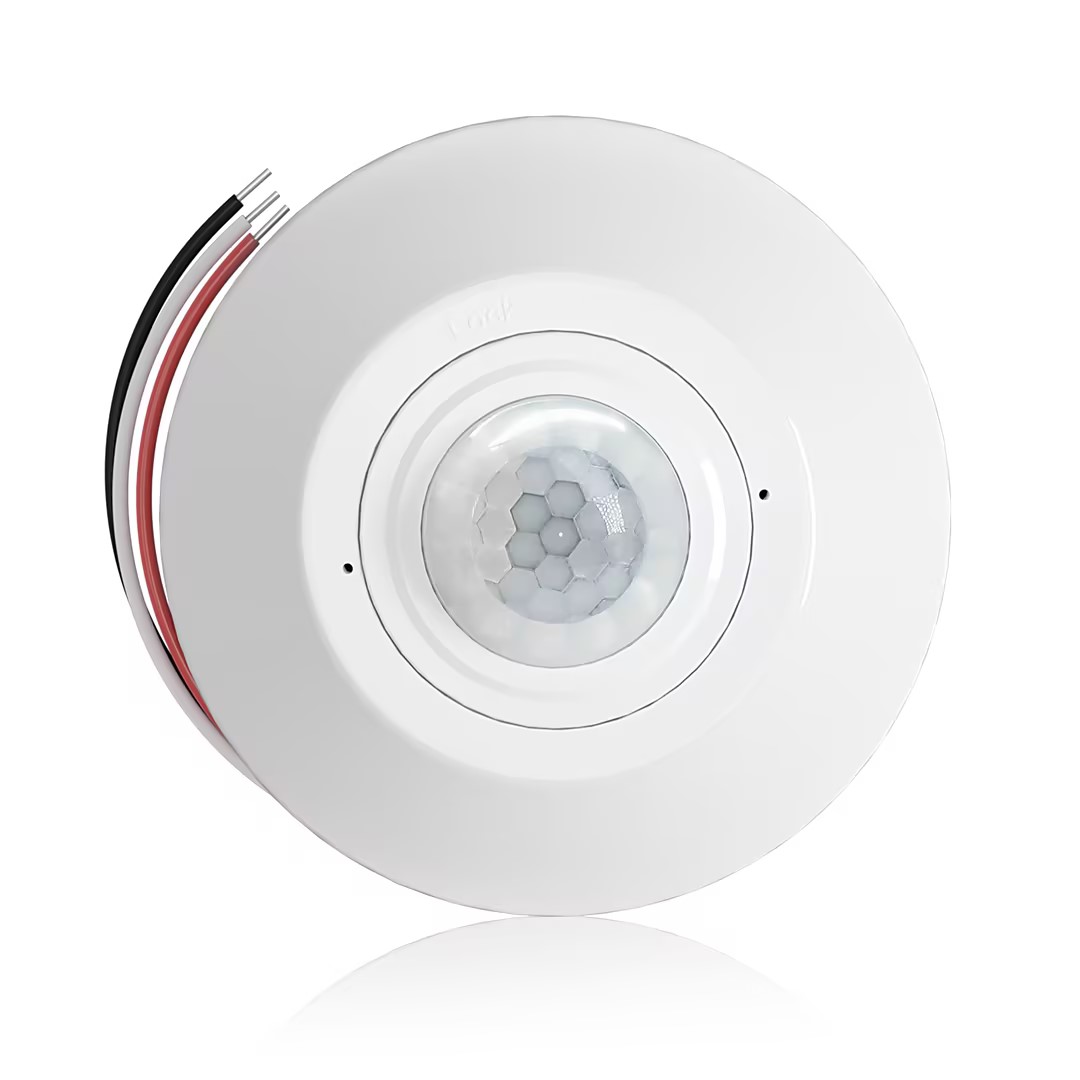
- Ceiling-mounted PIR occupancy sensor with dry-contact relay output
- 12/24VDC or 12/24VAC low-voltage supply
- COM, NO, and NC isolated relay contacts for EMS, HVAC, and building control inputs
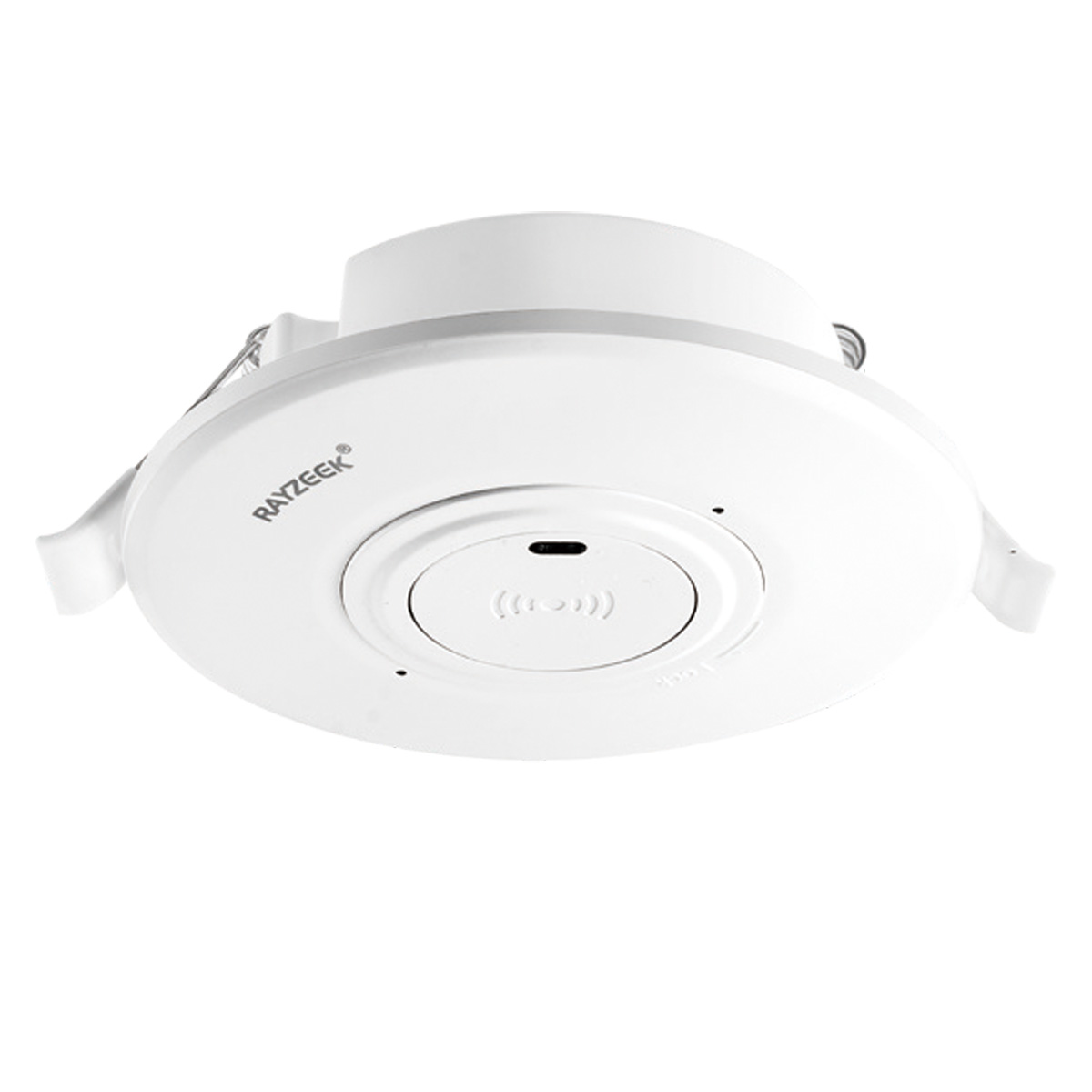
- Low-voltage DC recessed ceiling-mounted microwave motion sensor switch
- 12 VDC / 24 VDC input with 10-30 VDC range
- 10A max work current with adjustable time delay, Lux threshold, and sensitivity
- Higher-load recessed ceiling-mounted microwave motion sensor switch
- 100-265 VAC line-voltage input, 10A model
- 5.8 GHz microwave sensing with adjustable time delay, Lux threshold, and sensitivity
- Recessed ceiling-mounted microwave motion sensor switch
- 100-265 VAC line-voltage input, 5A model
- 5.8 GHz microwave sensing with adjustable time delay, Lux threshold, and sensitivity
- Ceiling-mounted RZ037 PIR occupancy sensor dimmer for 220V power
- 3A maximum working current with 660W rated load
- LUX button controls light-sensor ON/OFF and user-set dimming brightness
- Ceiling-mounted RZ037 PIR occupancy sensor dimmer for 110V power
- 3A maximum working current with 330W rated load
- LUX button controls light-sensor ON/OFF and user-set dimming brightness
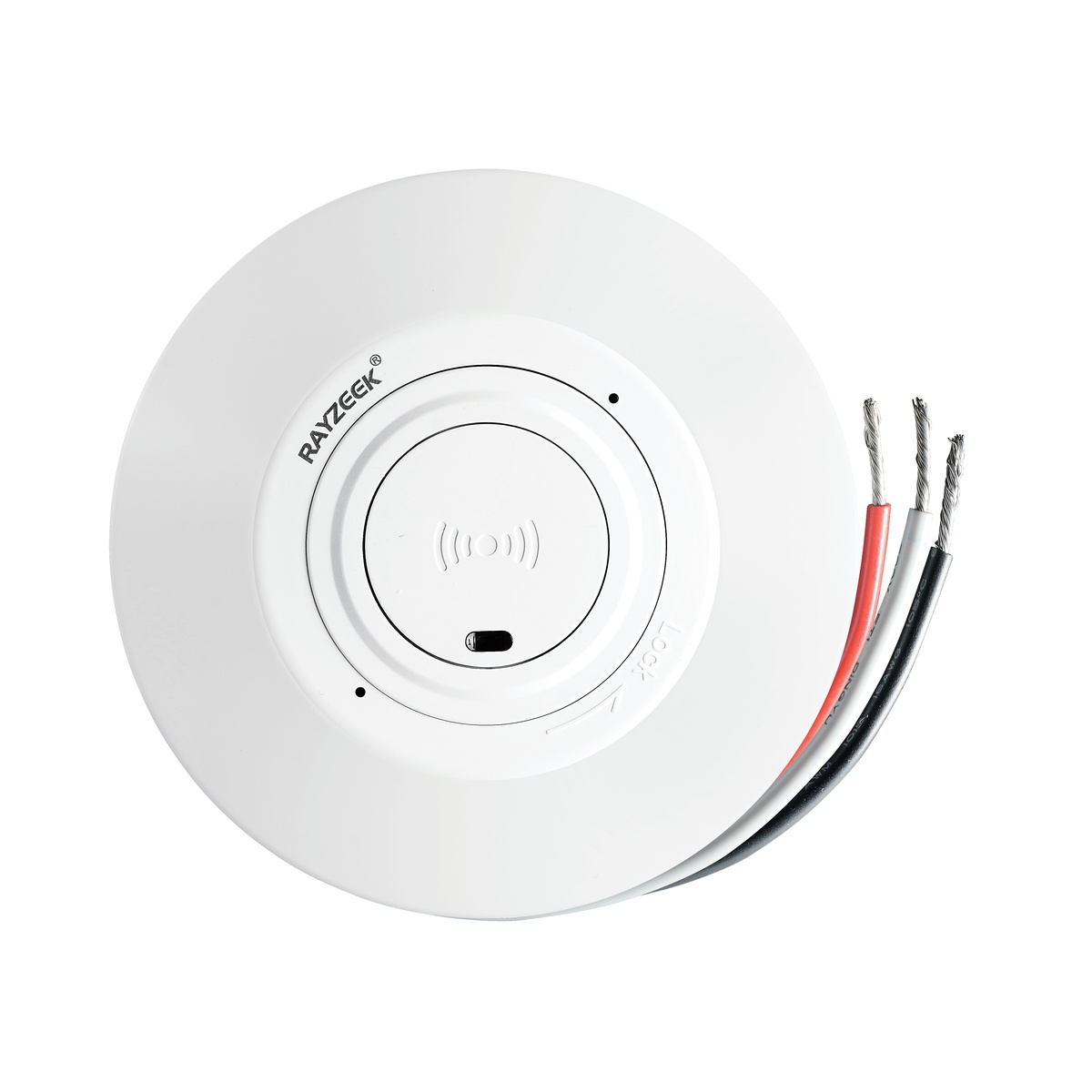
- Low-voltage DC ceiling-mounted microwave motion sensor switch
- 12 VDC / 24 VDC input with 10-30 VDC range
- 10A max work current with adjustable time delay, Lux threshold, and sensitivity
- Higher-load ceiling-mounted microwave motion sensor switch
- 100-265 VAC line-voltage input, 10A model
- 5.8 GHz microwave sensing with adjustable time delay, Lux threshold, and sensitivity
- Ceiling-mounted microwave motion sensor switch
- 100-265 VAC line-voltage input, 5A model
- 5.8 GHz microwave sensing with adjustable time delay, Lux threshold, and sensitivity
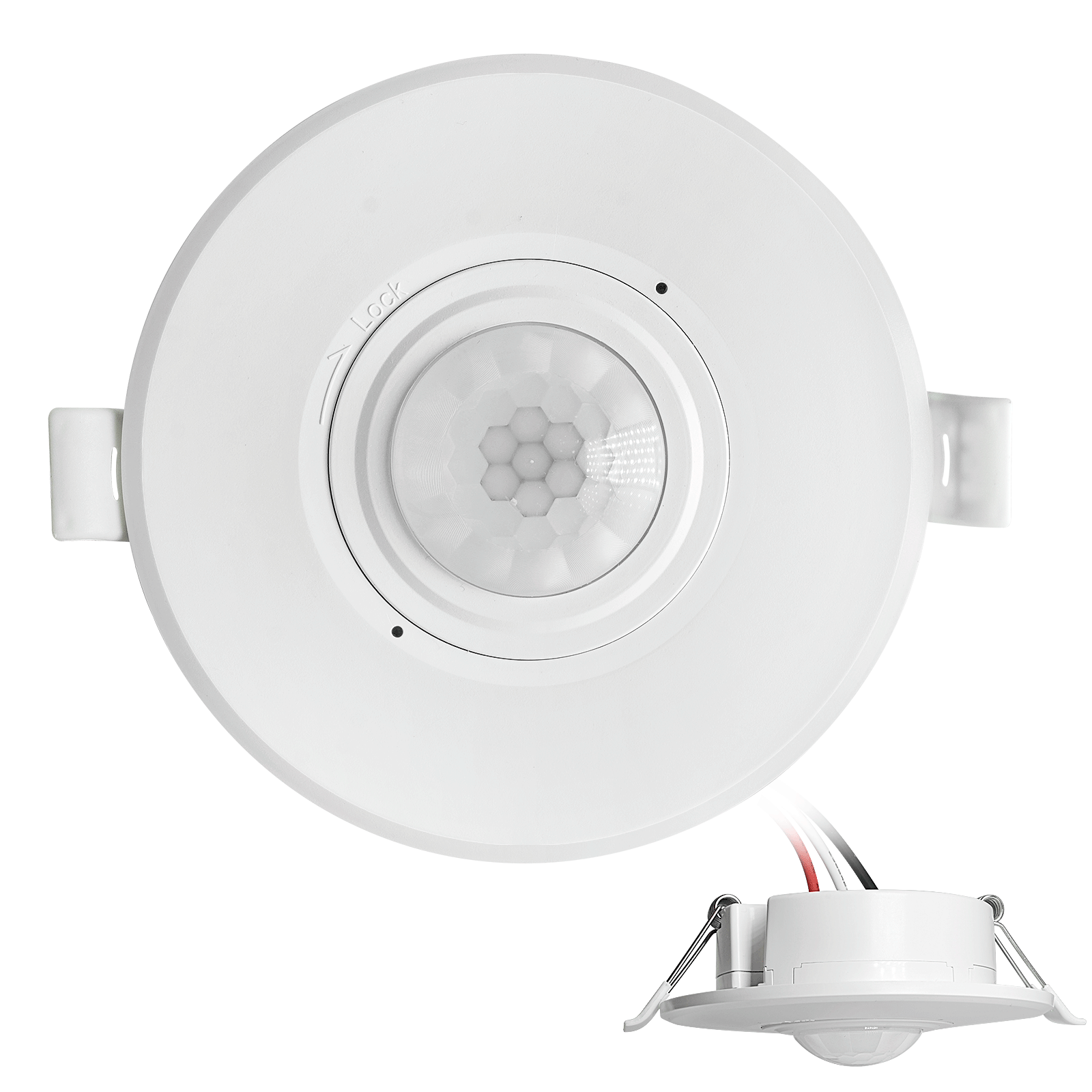
- Low-voltage DC recessed ceiling mount PIR motion sensor switch
- 12 VDC / 24 VDC input with 10-30 VDC range
- Max work current 10A with adjustable time delay, Lux threshold, and sensitivity
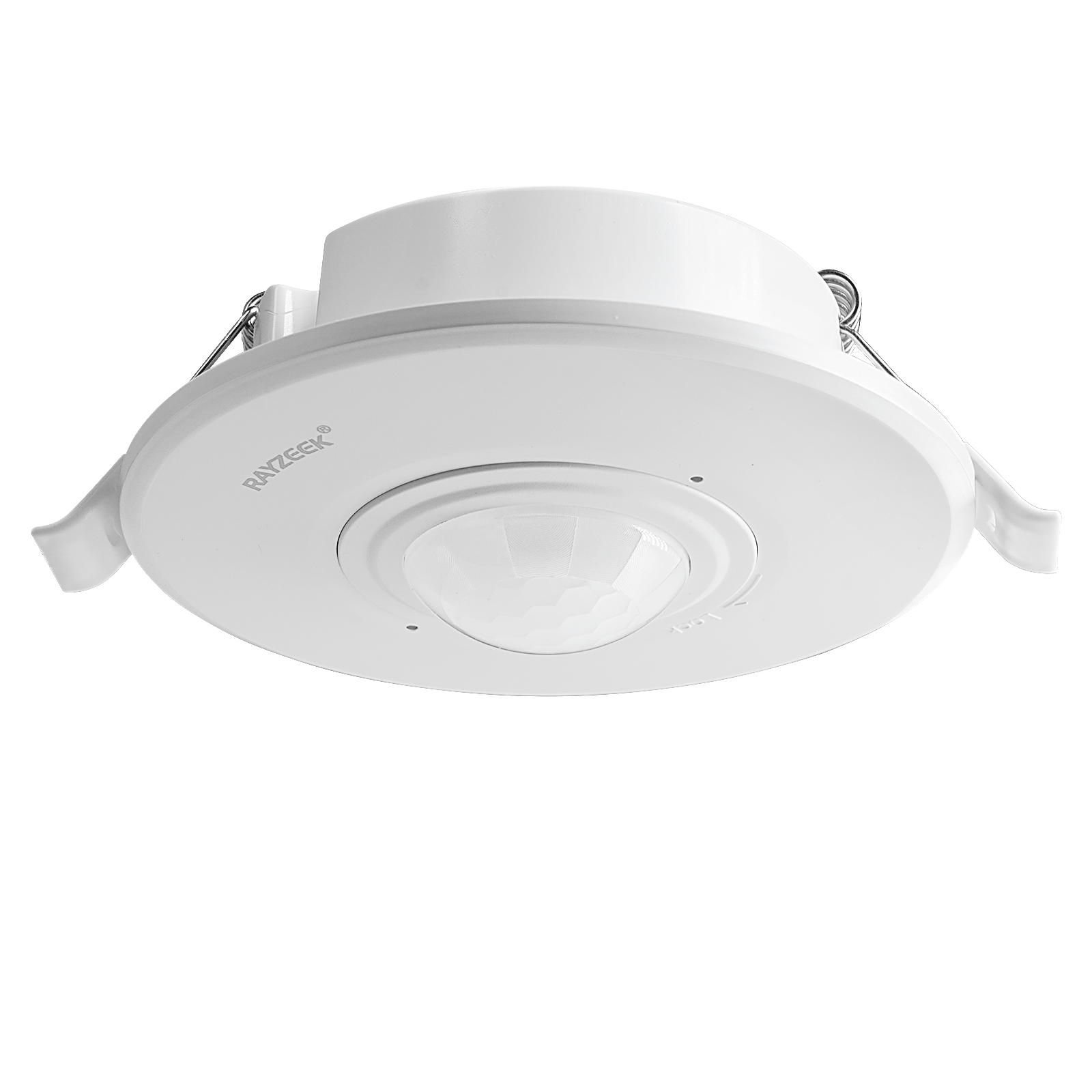
- Higher-load recessed ceiling mount PIR motion sensor switch
- 100-265 VAC line-voltage input, 10A model
- 360-degree detection with adjustable time delay, Lux threshold, and sensitivity
- Recessed ceiling mount PIR motion sensor switch
- 100-265 VAC line-voltage input, 5A model
- 360-degree detection with adjustable time delay, Lux threshold, and sensitivity
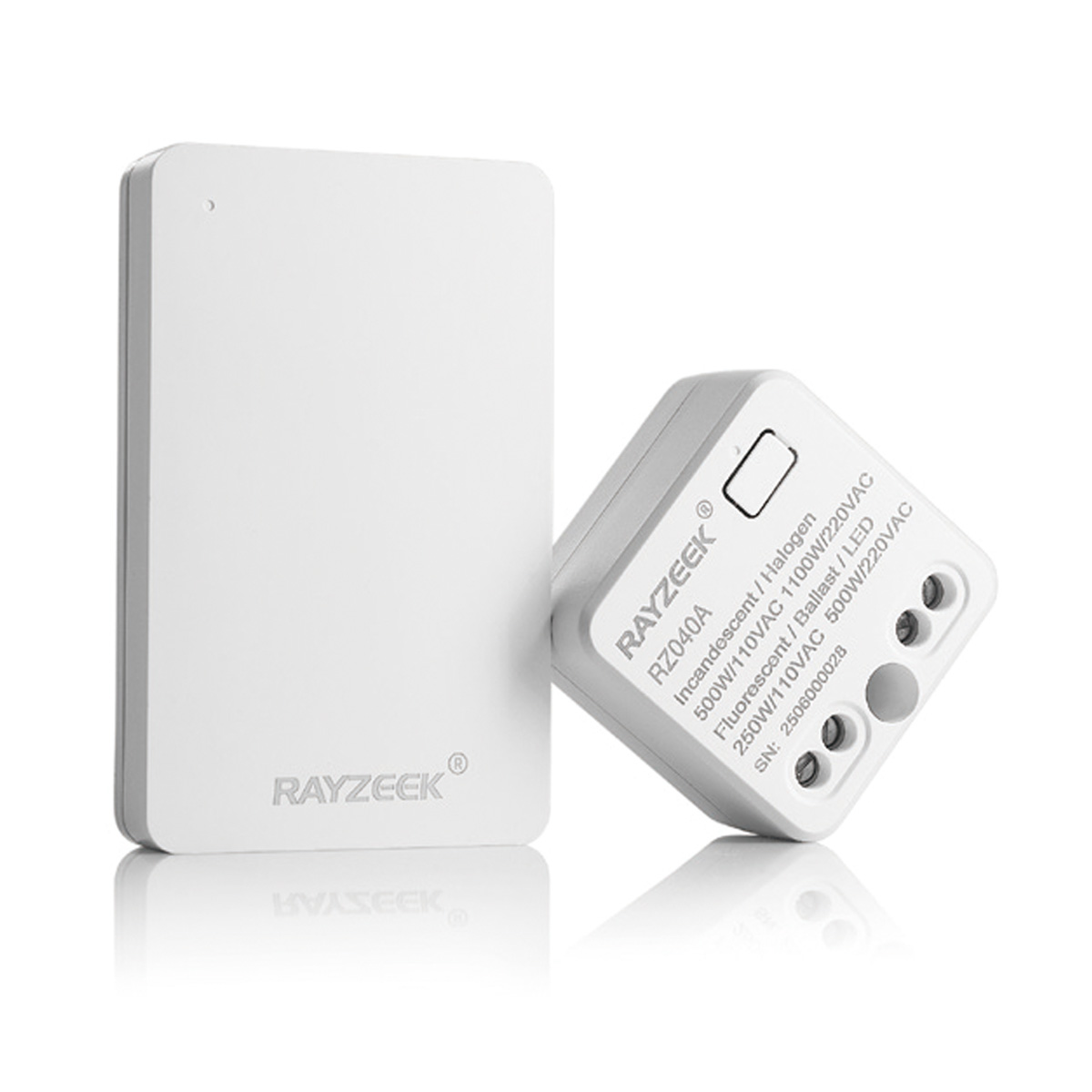
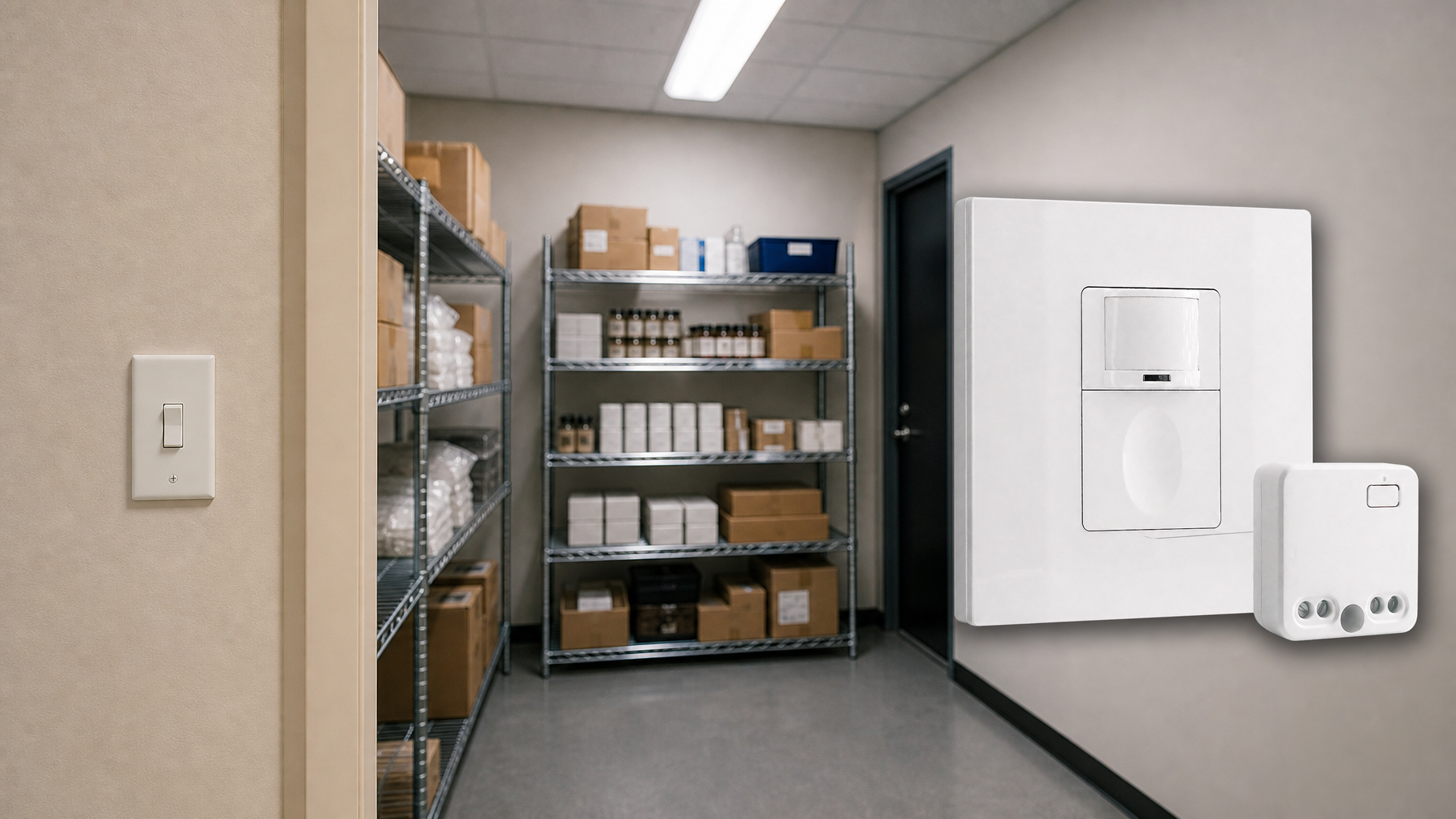
- Wireless switch and receiver kit for indoor ON/OFF lighting control
- 100-230VAC, 50/60Hz receiver with 5A rated current
- CR2032-powered wireless switch with 2.4GHz communication
- Occupancy (Auto-ON/Auto-OFF)
- 12–24V DC (10–30VDC), up to 10A
- 360° coverage, 8–12 m diameter
- Time delay 15 s–30 min
- Light sensor Off/15/25/35 Lux
- High/Low sensitivity
- Auto-ON/Auto-OFF occupancy mode
- 100–265V AC, 10A (neutral required)
- 360° coverage; 8–12 m detection diameter
- Time delay 15 s–30 min; Lux OFF/15/25/35; Sensitivity High/Low
- Auto-ON/Auto-OFF occupancy mode
- 100–265V AC, 5A (neutral required)
- 360° coverage; 8–12 m detection diameter
- Time delay 15 s–30 min; Lux OFF/15/25/35; Sensitivity High/Low
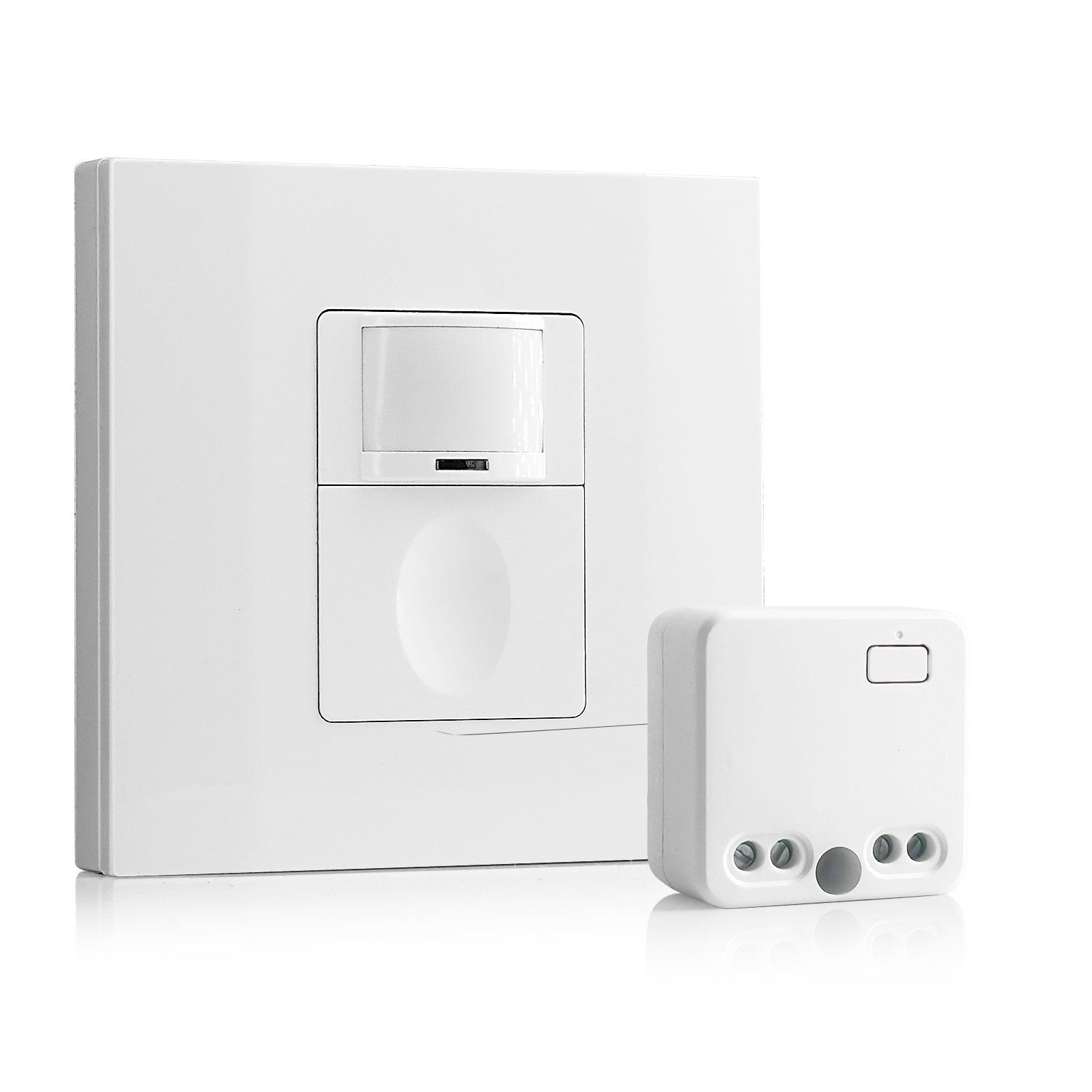
- 100V-230VAC
- Transmission Distance: up to 20m
- Wireless motion sensor
- Hardwired control
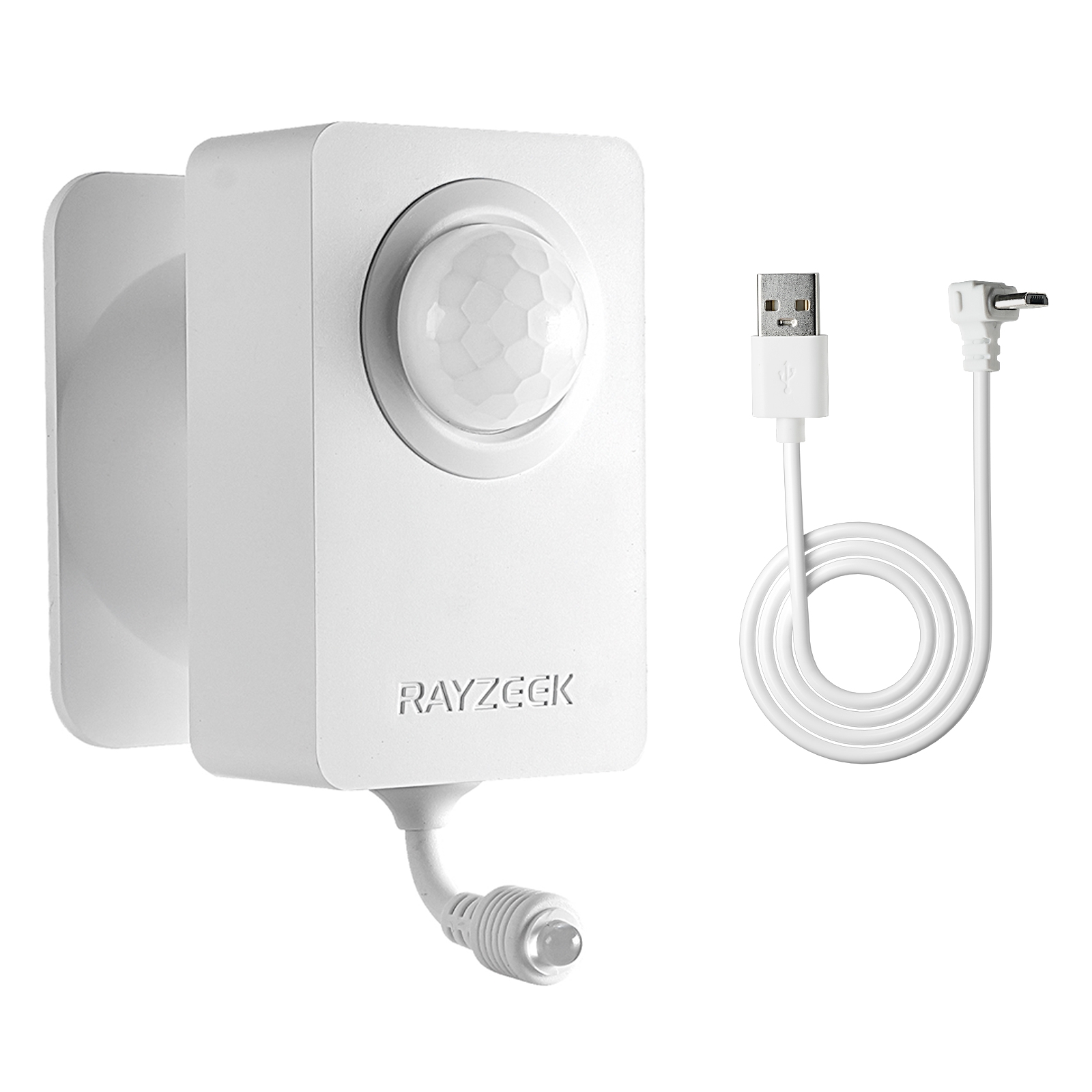
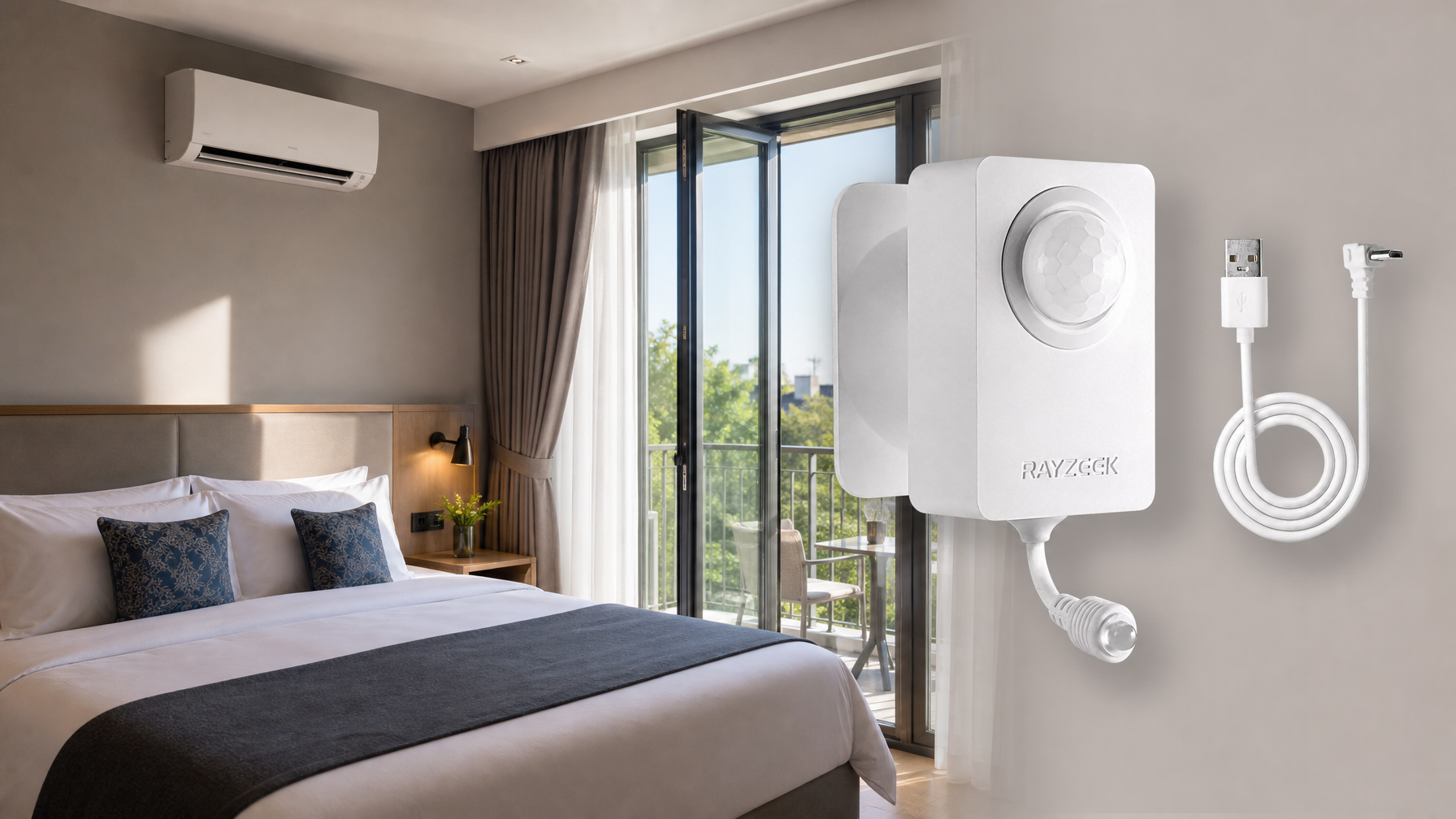
- Voltage: 2x AAA Batteries / 5V DC (Micro USB)
- Day/Night Mode
- Time delay: 15min, 30min, 1h(default), 2h
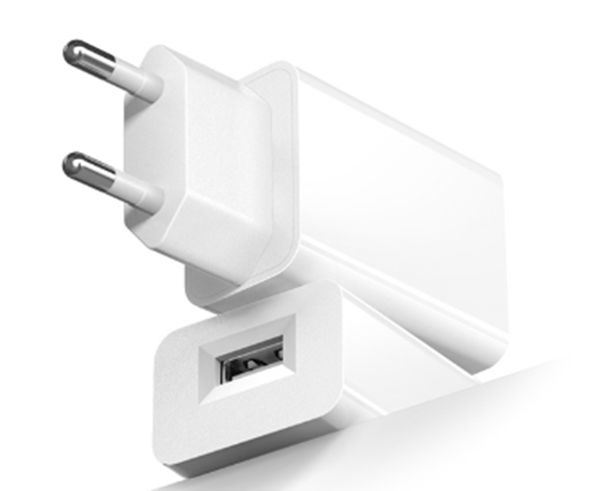
- EU plug power adapter
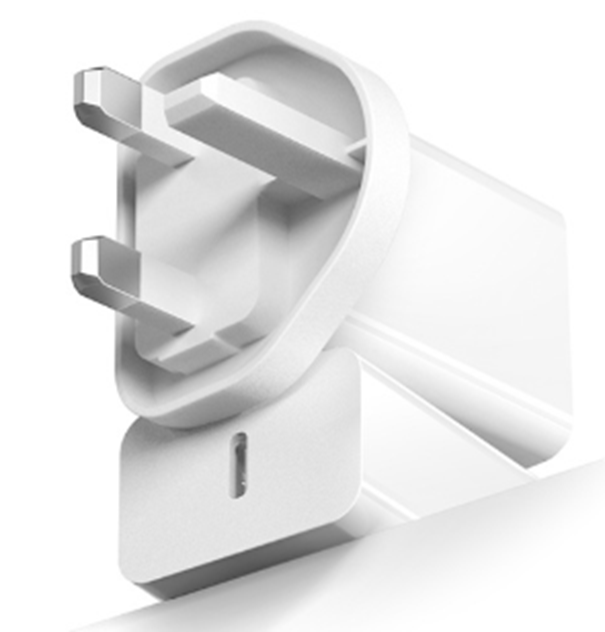
- UK plug power adapter
UVC light is commonly used for disinfection purposes in various applications, such as surface disinfection, air disinfection, and rapid disinfection of objects and instruments. It is widely utilized in healthcare facilities, laboratories, water treatment plants, and air purification systems. However, it is important to handle UVC light with care as direct exposure can be harmful to the skin and eyes.
Get Inspired by Rayzeek Motion Sensor Portfolios.
Doesn't find what you want? Don't worry. There are always alternate ways to solve your problems. Maybe one of our portfolios can help.
Frequently Asked Questions
What Are the Disadvantages of UV-C Light
One of the main disadvantages of UV-C light is its potential danger to humans. This is why UV sterilization is typically carried out using UVC lamps that have protective shields. It is important to avoid direct exposure to UVC, particularly on the skin and eyes. Despite this drawback, UV-C light is highly effective in killing various types of microorganisms, including drug-resistant bacteria.
What Is the Advantage of UV-C Light
UVC light offers a significant advantage due to its remarkable germicidal properties, which have been scientifically proven to effectively eliminate various bacteria and viruses. Additionally, UVC light helps prevent the growth of mold and mildew. As a result, UVC lamps play a crucial role in disinfection and sterilization systems utilized in residential, commercial, and industrial settings.
Which Is Better UV LED or UV-C LED
If the application is a larger, higher flow system in continuous operation, UV lamps can offer advantages in providing the optimal solution for end users. However, when it comes to compact, point-of-use appliances and purifiers, UV-C LEDs are a more cost-effective option and better align with design requirements compared to UV lamps.
Does UV-C Reflect Off Walls
UV rays have the ability to reflect off various surfaces such as open water, grass, sand, snow, concrete, and painted walls. It is important to note that even in shaded areas or during cold winter days while skiing, one can still get a sunburn. Surfaces like grass tend to reflect less UV radiation compared to harder or smoother surfaces like concrete.
Can LED Lights Produce UV-C
Light-emitting diodes (LEDs) are semiconductor devices composed of multiple layers of substrate materials. They have the capability to be engineered in a way that allows them to emit photons within the UV-C range, which can effectively inhibit the reproduction of bacteria.
What Is Safer LED or UV Light
LED bulbs are considered to be a safer option compared to UV bulbs due to their weaker rays. Prolonged exposure to LED light is considered less hazardous than excessive tanning, which can darken the skin and potentially lead to skin cancer from prolonged exposure to the sun’s UV rays.