
What is Diode
A diode is a semiconductor device that allows current to flow in one direction while blocking it in the opposite direction. It is a two-terminal electronic component with a positive terminal called the anode and a negative terminal called the cathode. When a voltage is applied across the diode in the forward direction (anode positive and cathode negative), it allows current to flow through it. However, when the voltage is applied in the reverse direction, the diode blocks the current flow.
Maybe You Are Interested In
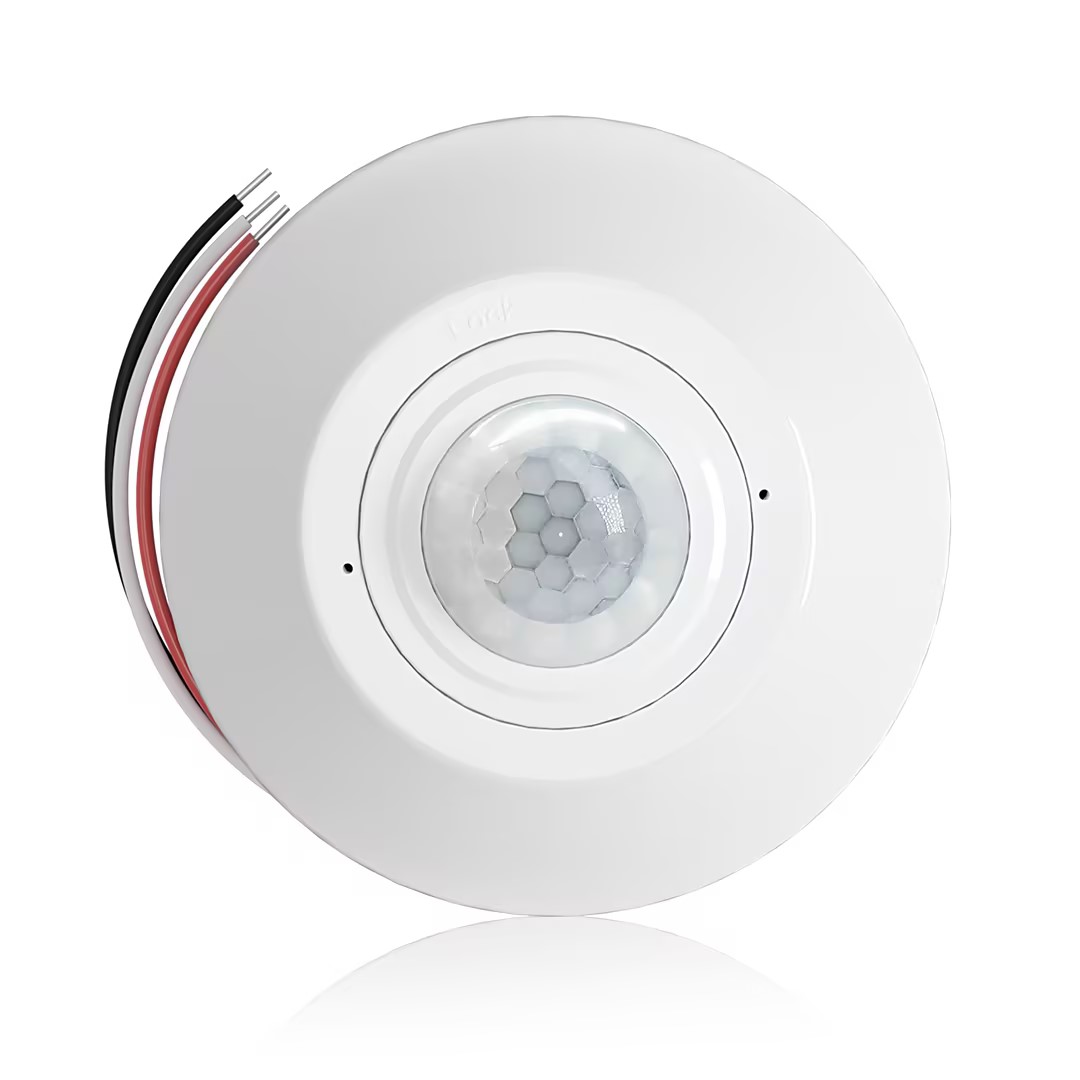
- Ceiling-mounted PIR occupancy sensor with dry-contact relay output
- 12/24VDC or 12/24VAC low-voltage supply
- COM, NO, and NC isolated relay contacts for EMS, HVAC, and building control inputs
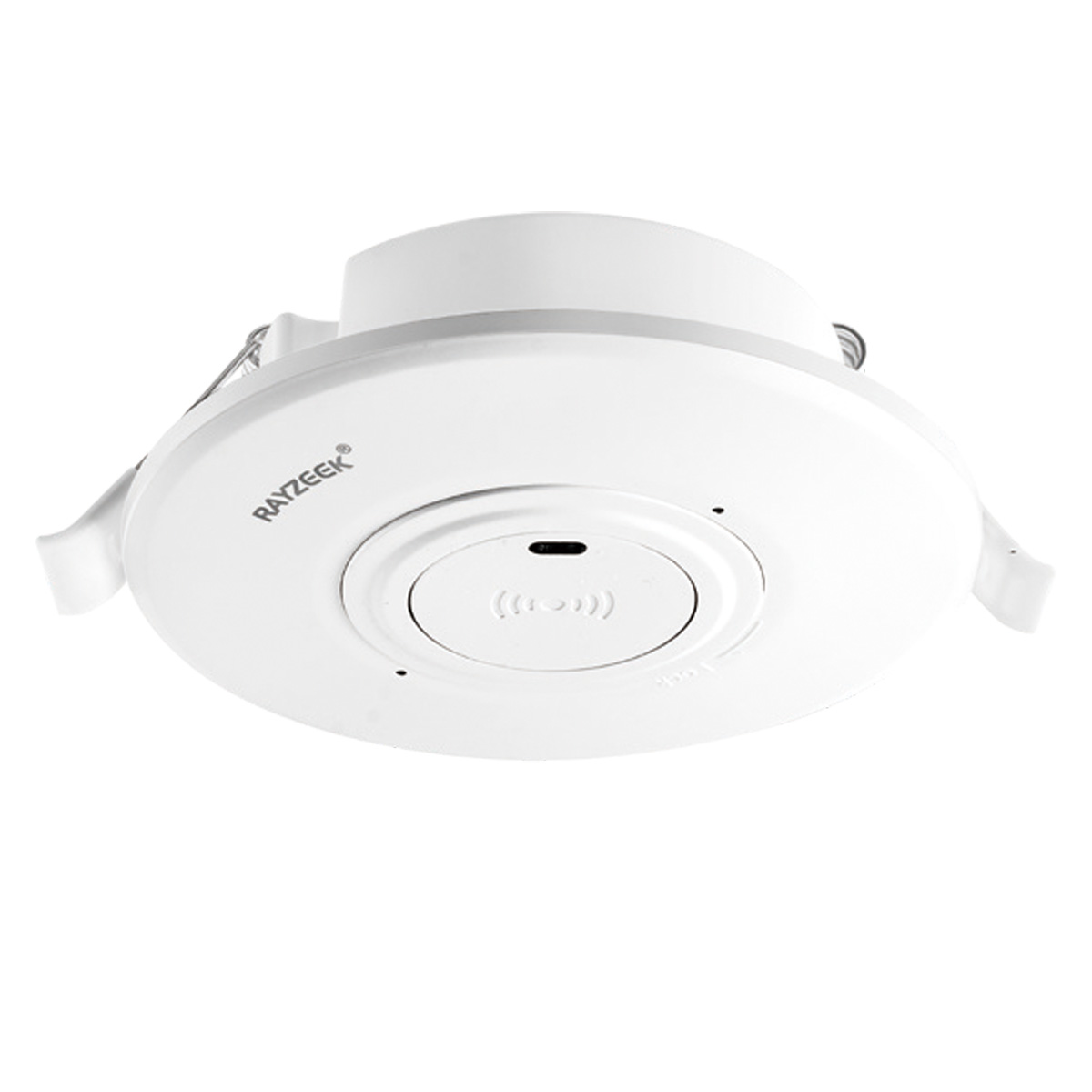
- Low-voltage DC recessed ceiling-mounted microwave motion sensor switch
- 12 VDC / 24 VDC input with 10-30 VDC range
- 10A max work current with adjustable time delay, Lux threshold, and sensitivity
- Higher-load recessed ceiling-mounted microwave motion sensor switch
- 100-265 VAC line-voltage input, 10A model
- 5.8 GHz microwave sensing with adjustable time delay, Lux threshold, and sensitivity
- Recessed ceiling-mounted microwave motion sensor switch
- 100-265 VAC line-voltage input, 5A model
- 5.8 GHz microwave sensing with adjustable time delay, Lux threshold, and sensitivity
- Ceiling-mounted RZ037 PIR occupancy sensor dimmer for 220V power
- 3A maximum working current with 660W rated load
- LUX button controls light-sensor ON/OFF and user-set dimming brightness
- Ceiling-mounted RZ037 PIR occupancy sensor dimmer for 110V power
- 3A maximum working current with 330W rated load
- LUX button controls light-sensor ON/OFF and user-set dimming brightness
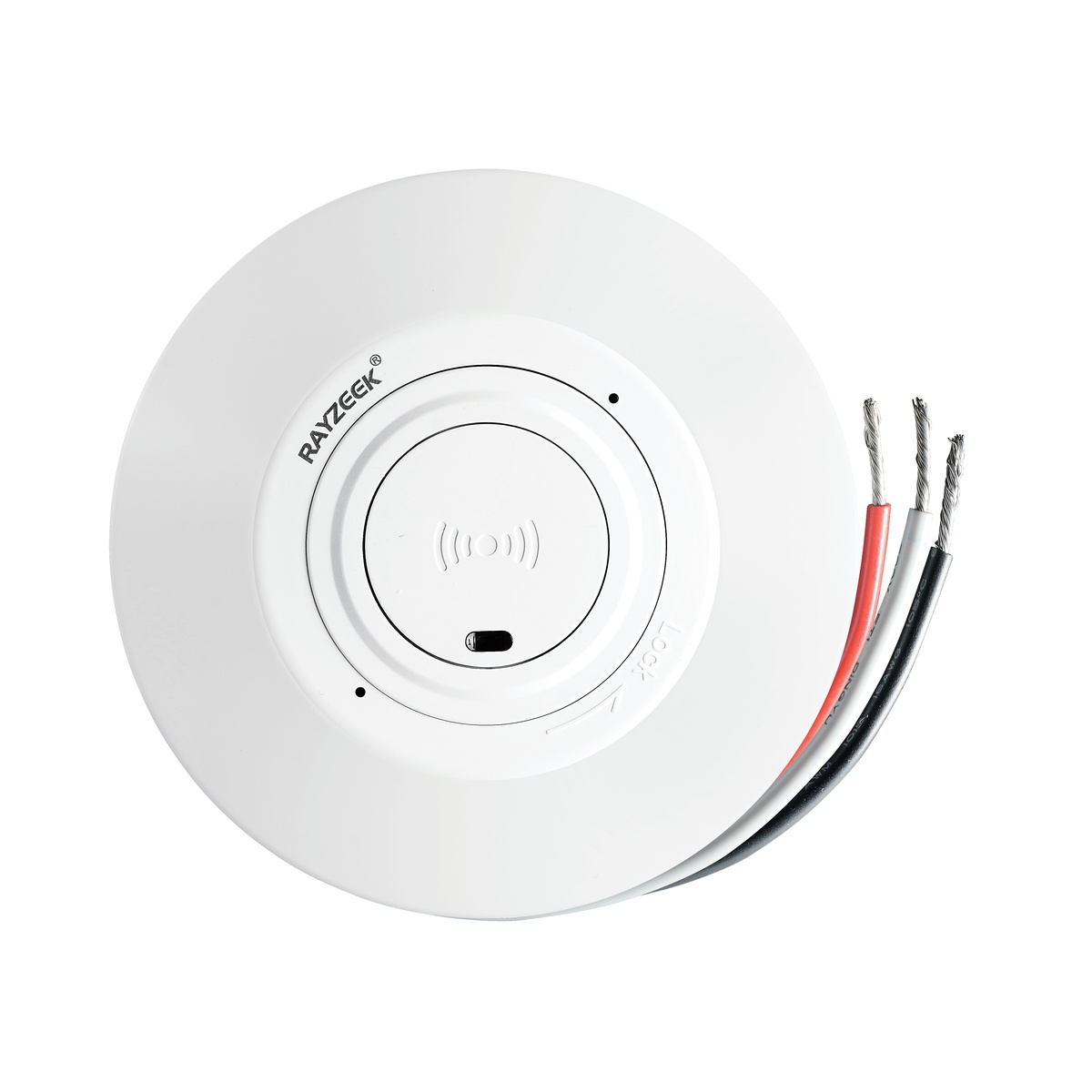
- Low-voltage DC ceiling-mounted microwave motion sensor switch
- 12 VDC / 24 VDC input with 10-30 VDC range
- 10A max work current with adjustable time delay, Lux threshold, and sensitivity
- Higher-load ceiling-mounted microwave motion sensor switch
- 100-265 VAC line-voltage input, 10A model
- 5.8 GHz microwave sensing with adjustable time delay, Lux threshold, and sensitivity
- Ceiling-mounted microwave motion sensor switch
- 100-265 VAC line-voltage input, 5A model
- 5.8 GHz microwave sensing with adjustable time delay, Lux threshold, and sensitivity
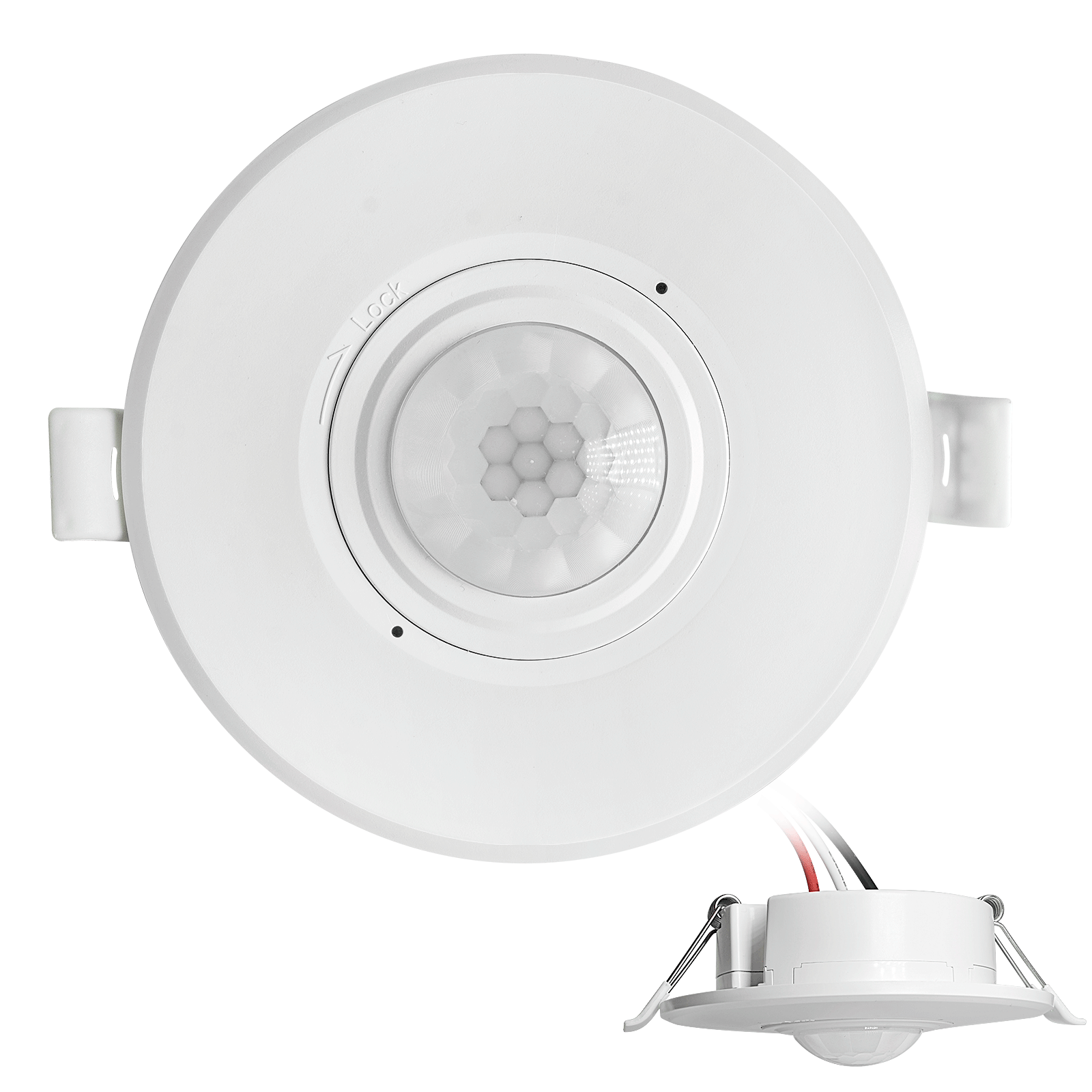
- Low-voltage DC recessed ceiling mount PIR motion sensor switch
- 12 VDC / 24 VDC input with 10-30 VDC range
- Max work current 10A with adjustable time delay, Lux threshold, and sensitivity
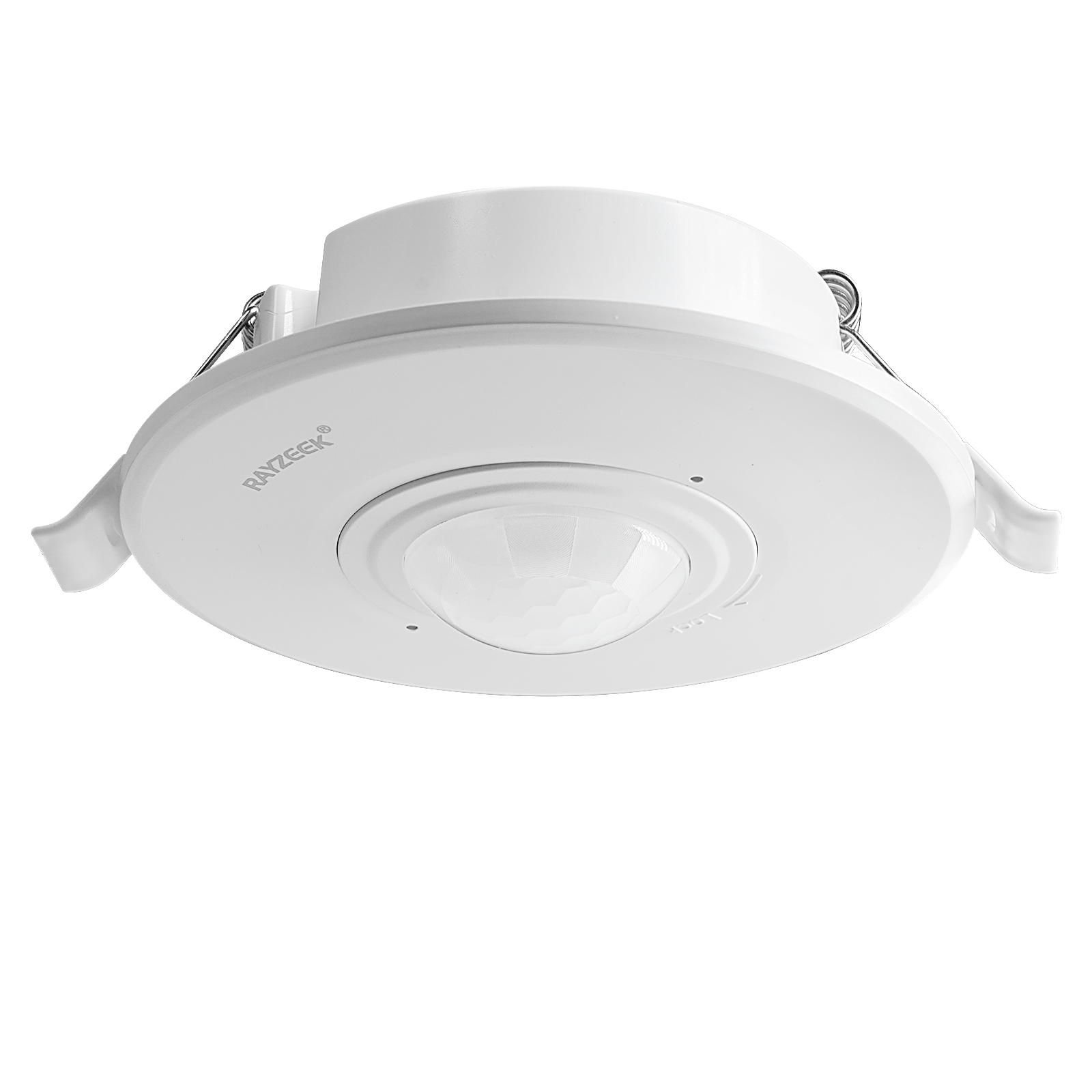
- Higher-load recessed ceiling mount PIR motion sensor switch
- 100-265 VAC line-voltage input, 10A model
- 360-degree detection with adjustable time delay, Lux threshold, and sensitivity
- Recessed ceiling mount PIR motion sensor switch
- 100-265 VAC line-voltage input, 5A model
- 360-degree detection with adjustable time delay, Lux threshold, and sensitivity
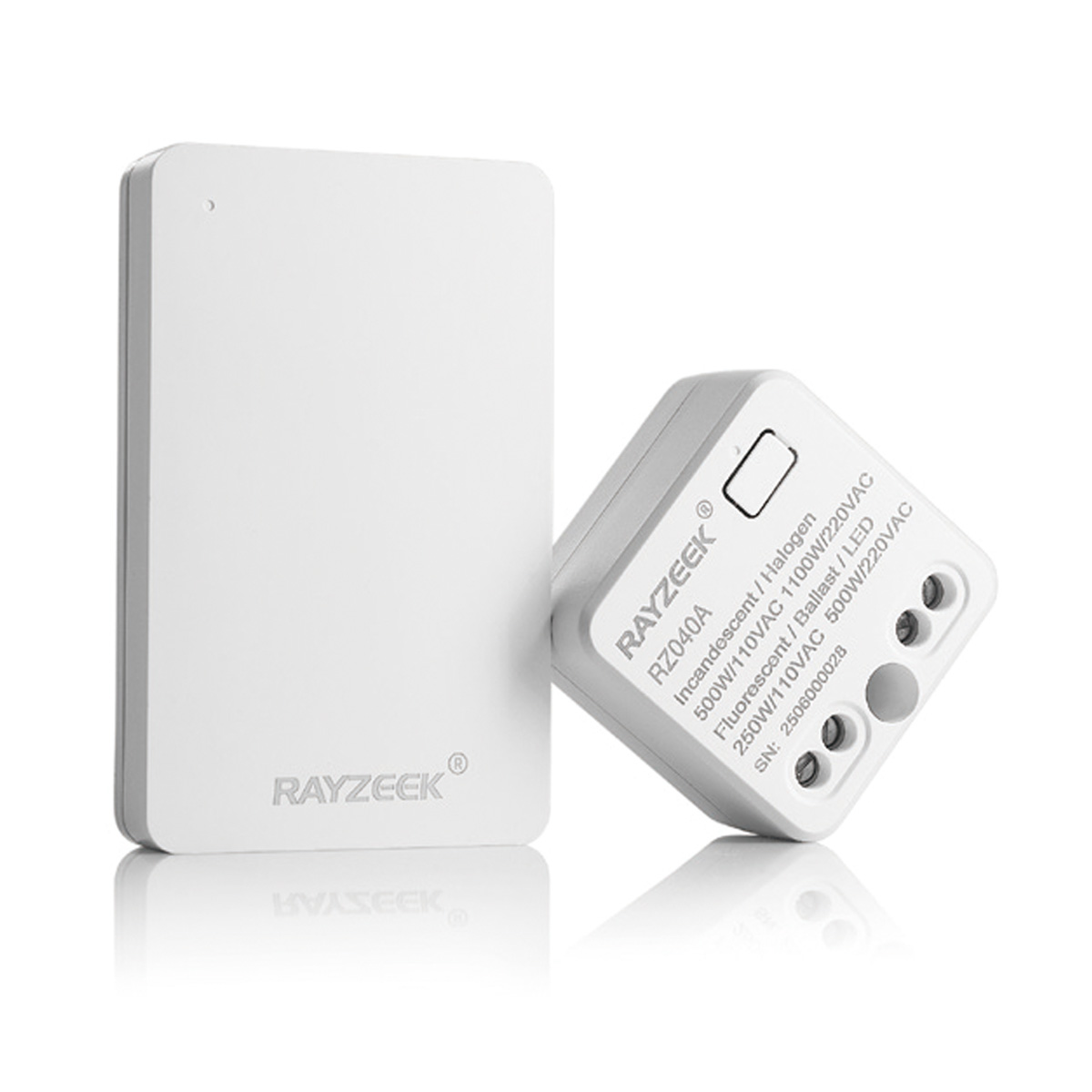
- Wireless switch and receiver kit for indoor ON/OFF lighting control
- 100-230VAC, 50/60Hz receiver with 5A rated current
- CR2032-powered wireless switch with 2.4GHz communication
- Occupancy (Auto-ON/Auto-OFF)
- 12–24V DC (10–30VDC), up to 10A
- 360° coverage, 8–12 m diameter
- Time delay 15 s–30 min
- Light sensor Off/15/25/35 Lux
- High/Low sensitivity
- Auto-ON/Auto-OFF occupancy mode
- 100–265V AC, 10A (neutral required)
- 360° coverage; 8–12 m detection diameter
- Time delay 15 s–30 min; Lux OFF/15/25/35; Sensitivity High/Low
- Auto-ON/Auto-OFF occupancy mode
- 100–265V AC, 5A (neutral required)
- 360° coverage; 8–12 m detection diameter
- Time delay 15 s–30 min; Lux OFF/15/25/35; Sensitivity High/Low
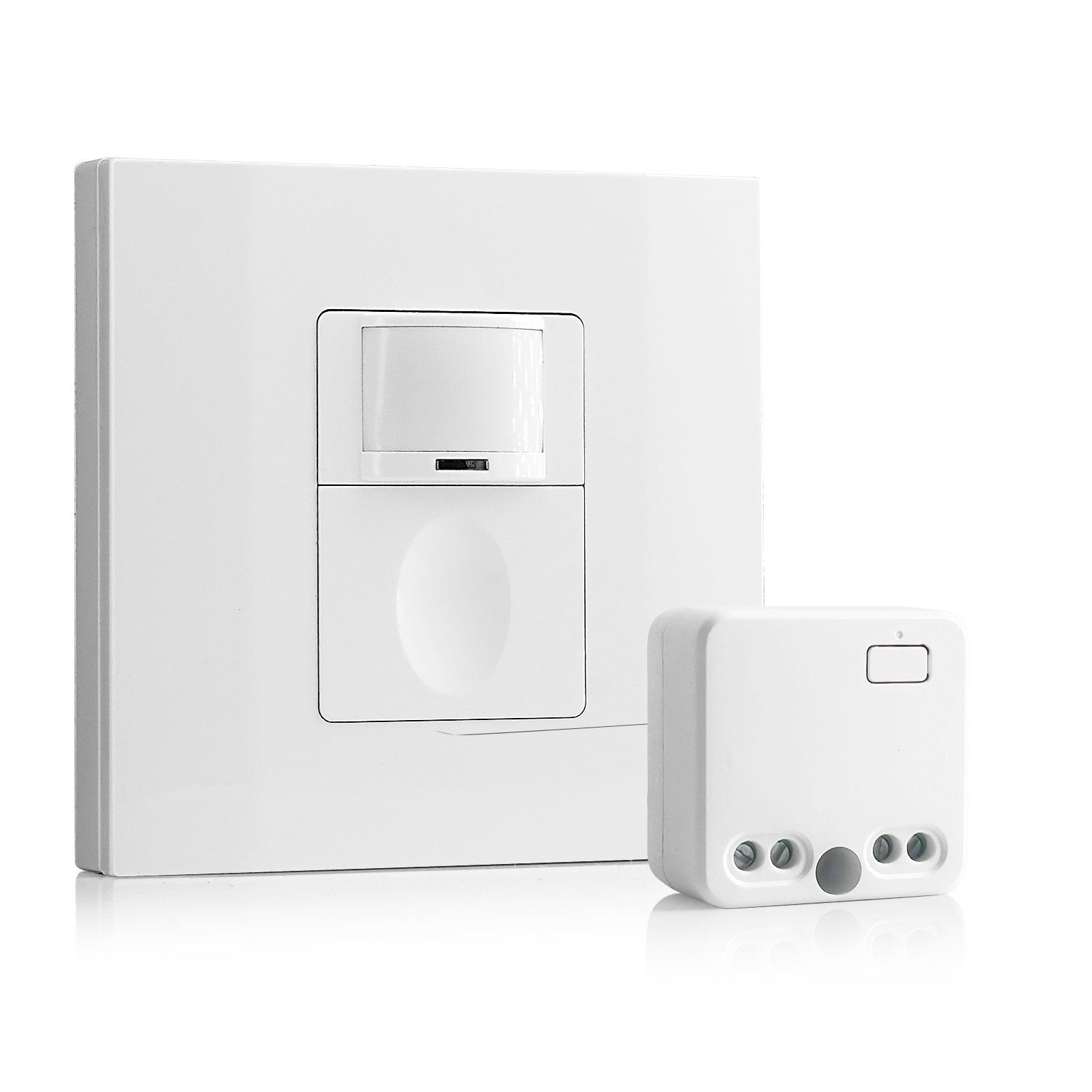
- 100V-230VAC
- Transmission Distance: up to 20m
- Wireless motion sensor
- Hardwired control
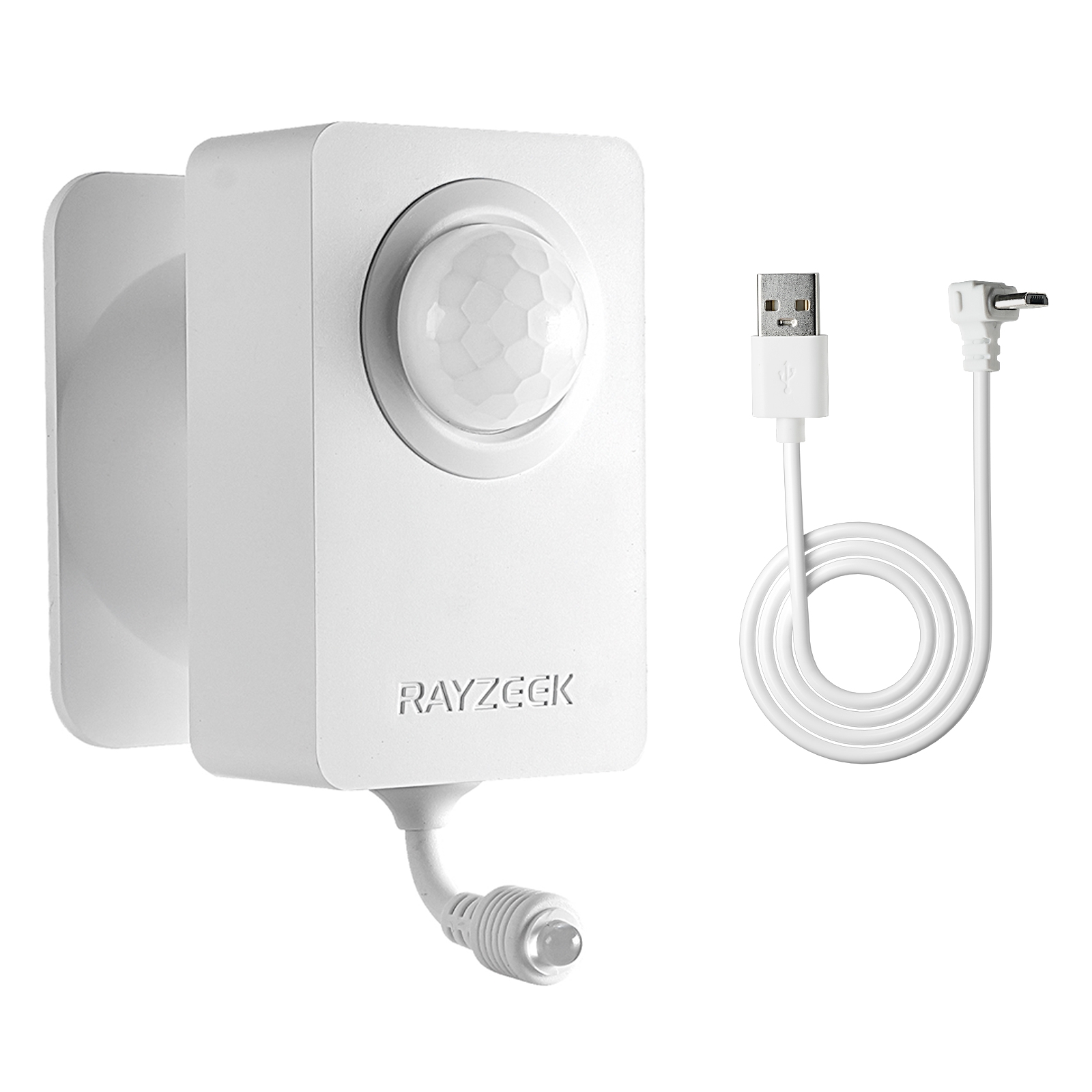
- Voltage: 2x AAA Batteries / 5V DC (Micro USB)
- Day/Night Mode
- Time delay: 15min, 30min, 1h(default), 2h
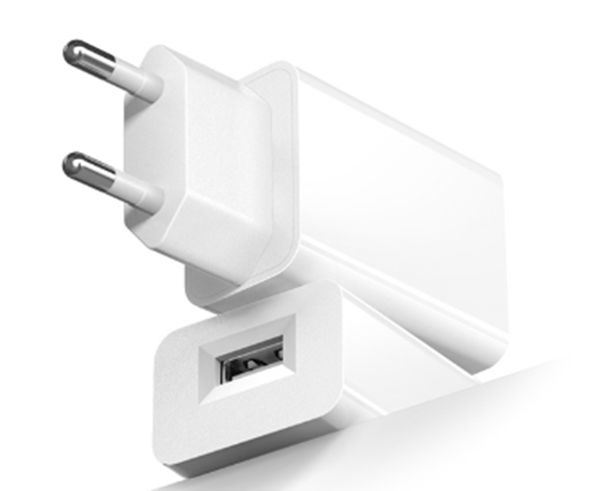
- EU plug power adapter
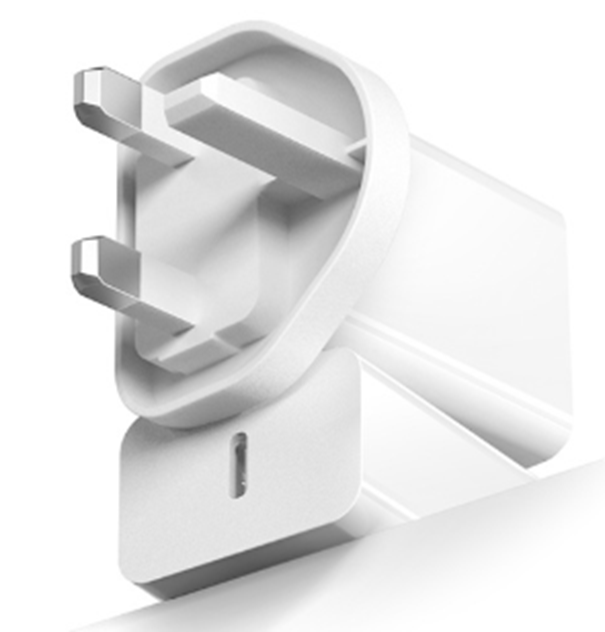
- UK plug power adapter
In the lighting industry, a diode is specifically referred to as a light-emitting diode (LED). LEDs are semiconductor devices that emit light when an electric current passes through them. They are made up of a specific semiconductor material, typically a combination of gallium, arsenic, and phosphorus, which emits light when energized. The color of the light emitted by the LED is determined by the specific semiconductor material used and the amount of doping.
LEDs have become popular in the lighting industry due to their numerous advantages. They are highly energy-efficient, converting a higher percentage of electrical energy into light, resulting in less energy wasted as heat. LEDs also have a longer lifespan, are more durable, and can be more compact in size compared to traditional light sources such as incandescent bulbs and fluorescent lamps.
Get Inspired by Rayzeek Motion Sensor Portfolios.
Doesn't find what you want? Don't worry. There are always alternate ways to solve your problems. Maybe one of our portfolios can help.
Frequently Asked Questions
Do LED Lights Need a Diode
The operation of LED lighting is based on electroluminescence, which involves the use of a semiconductor material (diode) to produce light. When an electrical current passes through the diode, it emits photons, resulting in the production of light by LED bulbs.
What Is a Diode vs LED
The diode is responsible for converting alternating current into direct current, while the LED converts voltage into light. Additionally, the diode has a high reverse breakdown voltage, whereas the LED has a low reverse breakdown voltage. The reverse breakdown voltage refers to the voltage that allows current to flow in the reverse bias.
Are LED Diodes AC or DC
LEDs are inherently designed to operate on direct current (DC) and only allow current to flow in one direction. They are commonly powered by DC voltage sources, which utilize resistors, current regulators, and voltage regulators to control and restrict the voltage and current supplied to the LED.