
What is Transparent Material
A transparent material is a substance that allows light to pass through it with minimal obstruction or scattering. It is characterized by its see-through and clear properties, enabling the clear visibility of objects on the other side. Transparent materials transmit the color of light that passes through them, meaning that the emerging light will have the same color as the incident light. Examples of transparent materials mentioned in the given context include air, water, and clear glass.
Unlike translucent materials, which allow some light to pass through but scatter it, transparent materials allow light to pass through without significant diffusion or distortion. This property makes transparent materials ideal for use in the construction of lighting fixtures, such as lenses or covers, as they allow the emitted light to pass through without hindrance.
Looking For Motion-Activated Energy-Saving Solutions?
Contact us for complete PIR motion sensors, motion-activated energy-saving products, motion sensor switches, and Occupancy/Vacancy commercial solutions.
It is important to mention that transparent materials differ from opaque materials, which do not allow any light to pass through them. Opaque materials either reflect or absorb light, converting it into heat. Transparent materials, on the other hand, transmit most of the light that strikes them, allowing for clear visibility of objects on the other side.
Maybe You Are Interested In
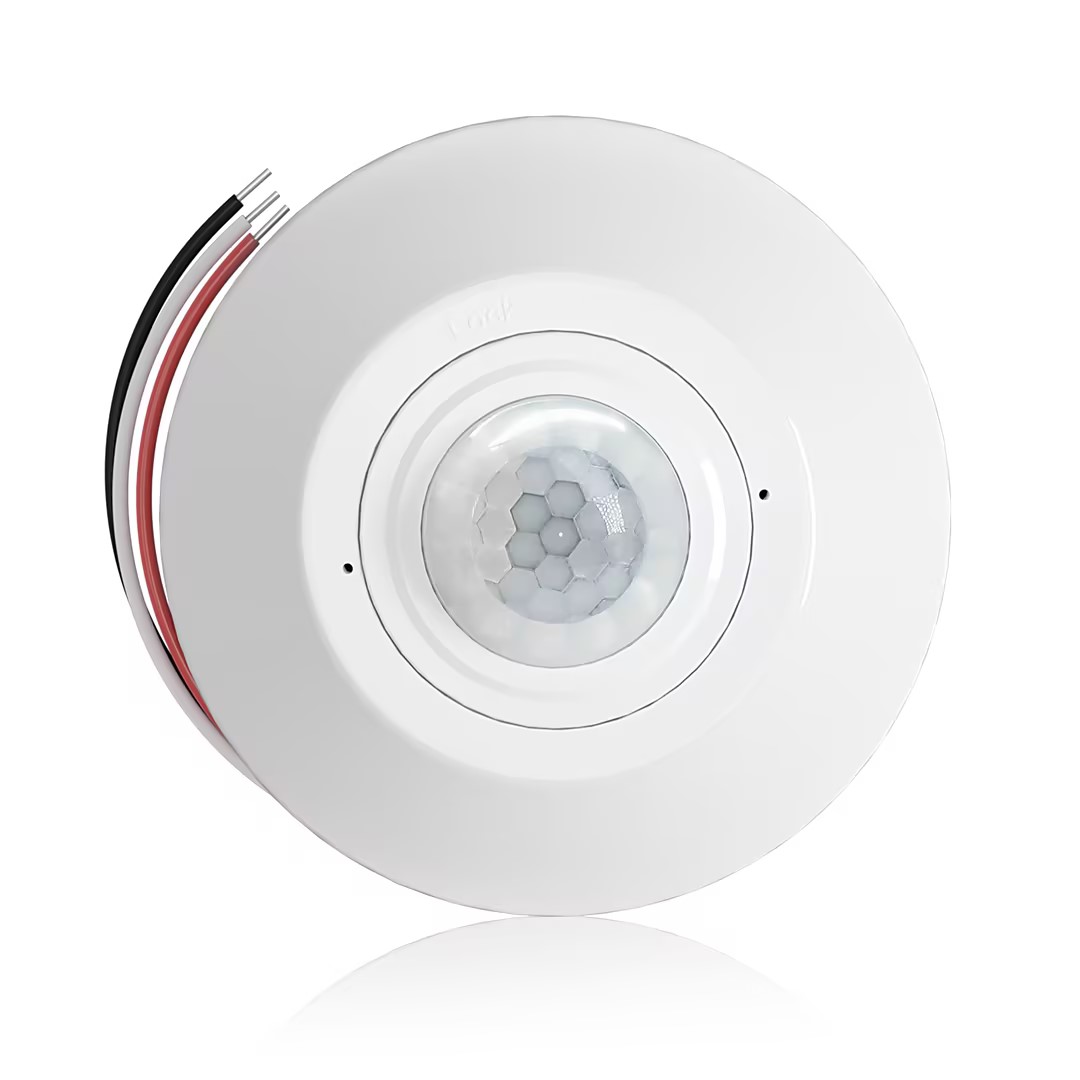
- Ceiling-mounted PIR occupancy sensor with dry-contact relay output
- 12/24VDC or 12/24VAC low-voltage supply
- COM, NO, and NC isolated relay contacts for EMS, HVAC, and building control inputs
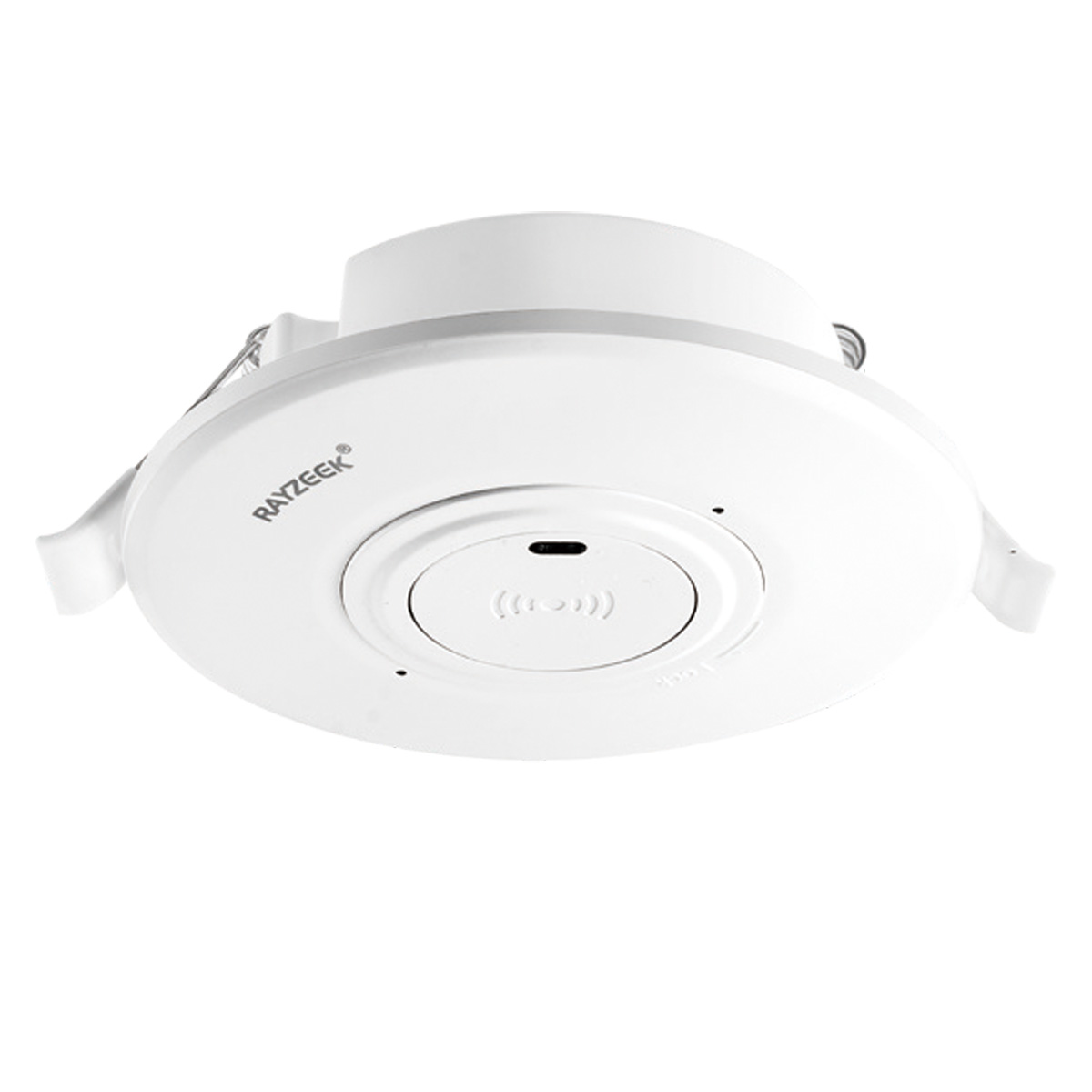
- Low-voltage DC recessed ceiling-mounted microwave motion sensor switch
- 12 VDC / 24 VDC input with 10-30 VDC range
- 10A max work current with adjustable time delay, Lux threshold, and sensitivity
- Higher-load recessed ceiling-mounted microwave motion sensor switch
- 100-265 VAC line-voltage input, 10A model
- 5.8 GHz microwave sensing with adjustable time delay, Lux threshold, and sensitivity
- Recessed ceiling-mounted microwave motion sensor switch
- 100-265 VAC line-voltage input, 5A model
- 5.8 GHz microwave sensing with adjustable time delay, Lux threshold, and sensitivity
- Ceiling-mounted RZ037 PIR occupancy sensor dimmer for 220V power
- 3A maximum working current with 660W rated load
- LUX button controls light-sensor ON/OFF and user-set dimming brightness
- Ceiling-mounted RZ037 PIR occupancy sensor dimmer for 110V power
- 3A maximum working current with 330W rated load
- LUX button controls light-sensor ON/OFF and user-set dimming brightness
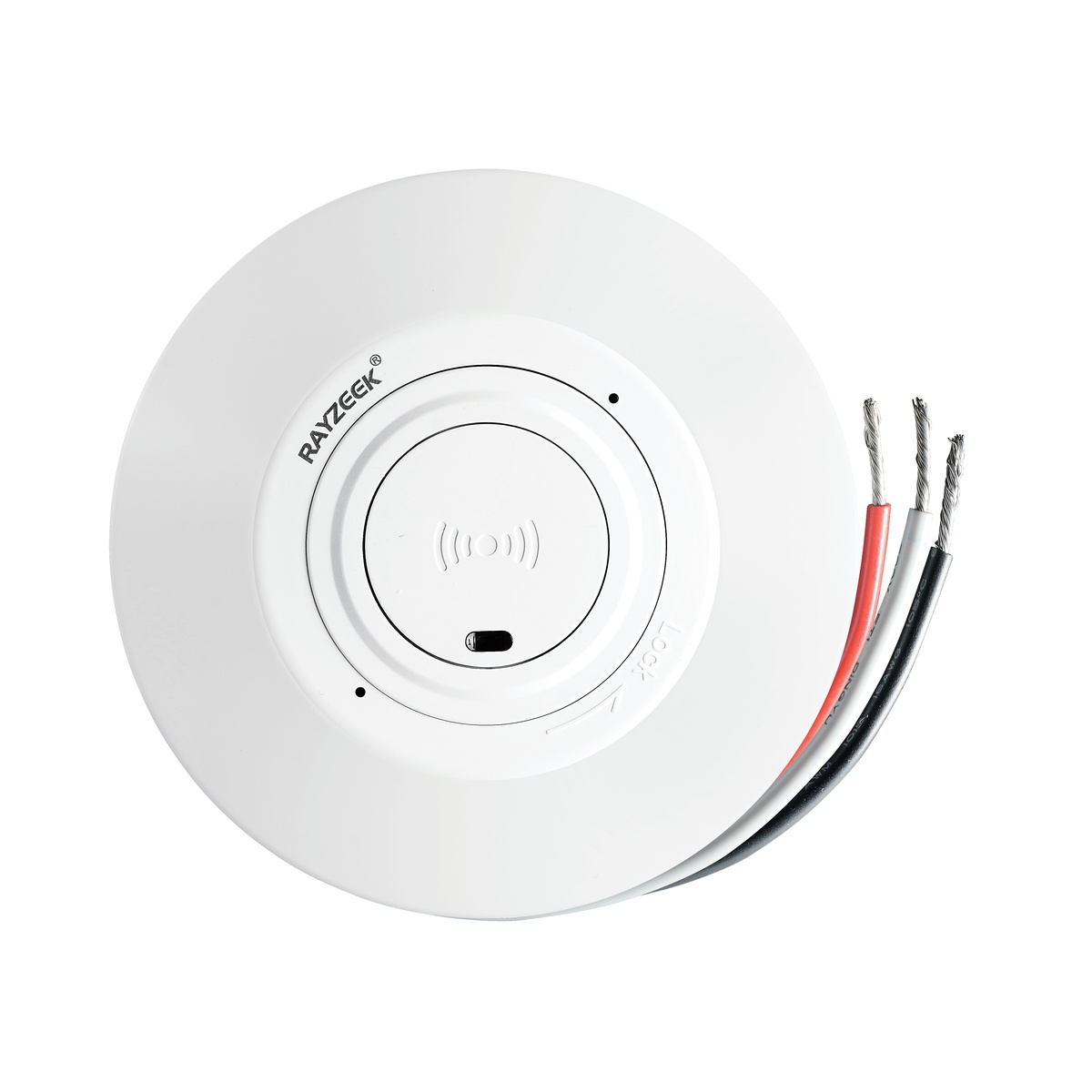
- Low-voltage DC ceiling-mounted microwave motion sensor switch
- 12 VDC / 24 VDC input with 10-30 VDC range
- 10A max work current with adjustable time delay, Lux threshold, and sensitivity
- Higher-load ceiling-mounted microwave motion sensor switch
- 100-265 VAC line-voltage input, 10A model
- 5.8 GHz microwave sensing with adjustable time delay, Lux threshold, and sensitivity
- Ceiling-mounted microwave motion sensor switch
- 100-265 VAC line-voltage input, 5A model
- 5.8 GHz microwave sensing with adjustable time delay, Lux threshold, and sensitivity
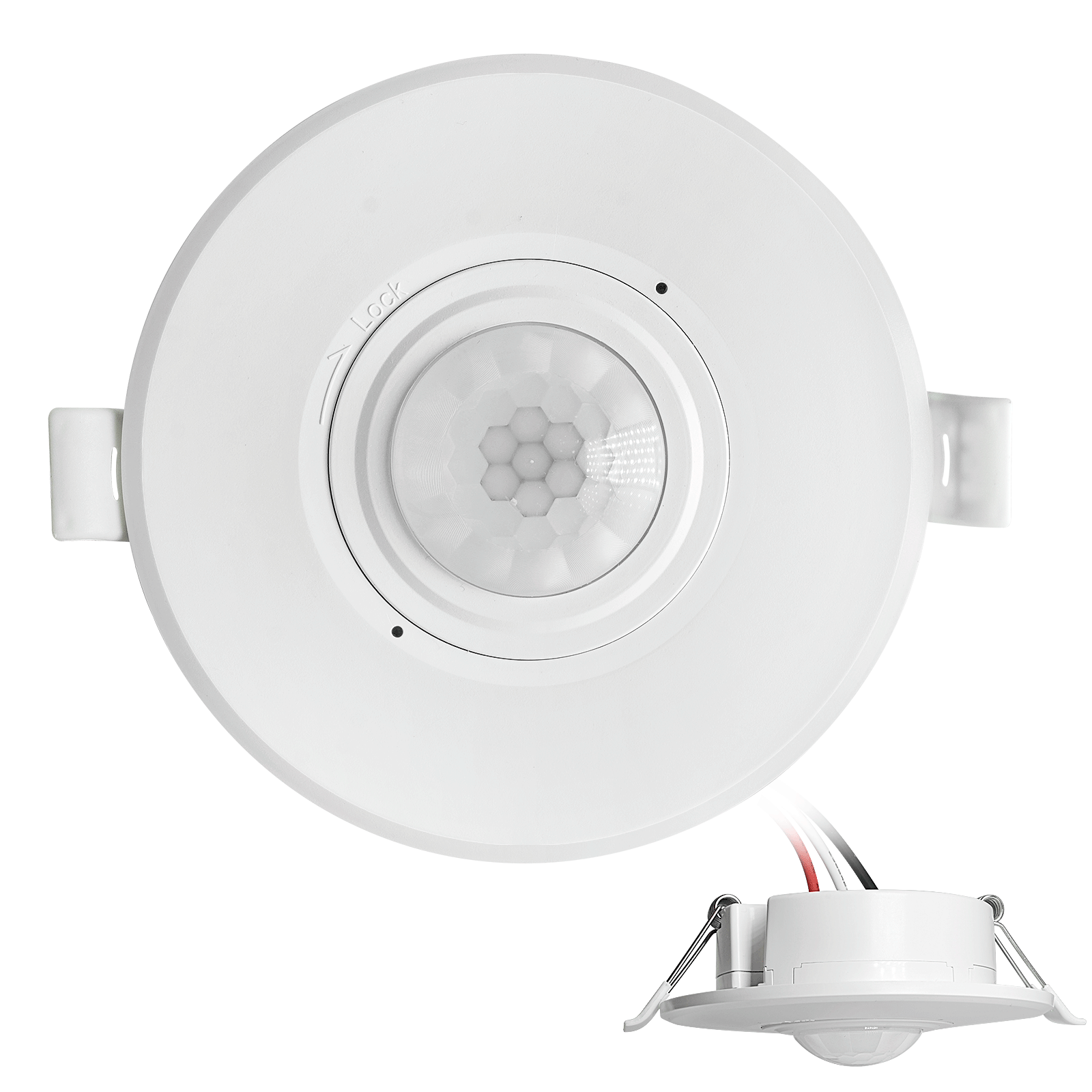
- Low-voltage DC recessed ceiling mount PIR motion sensor switch
- 12 VDC / 24 VDC input with 10-30 VDC range
- Max work current 10A with adjustable time delay, Lux threshold, and sensitivity
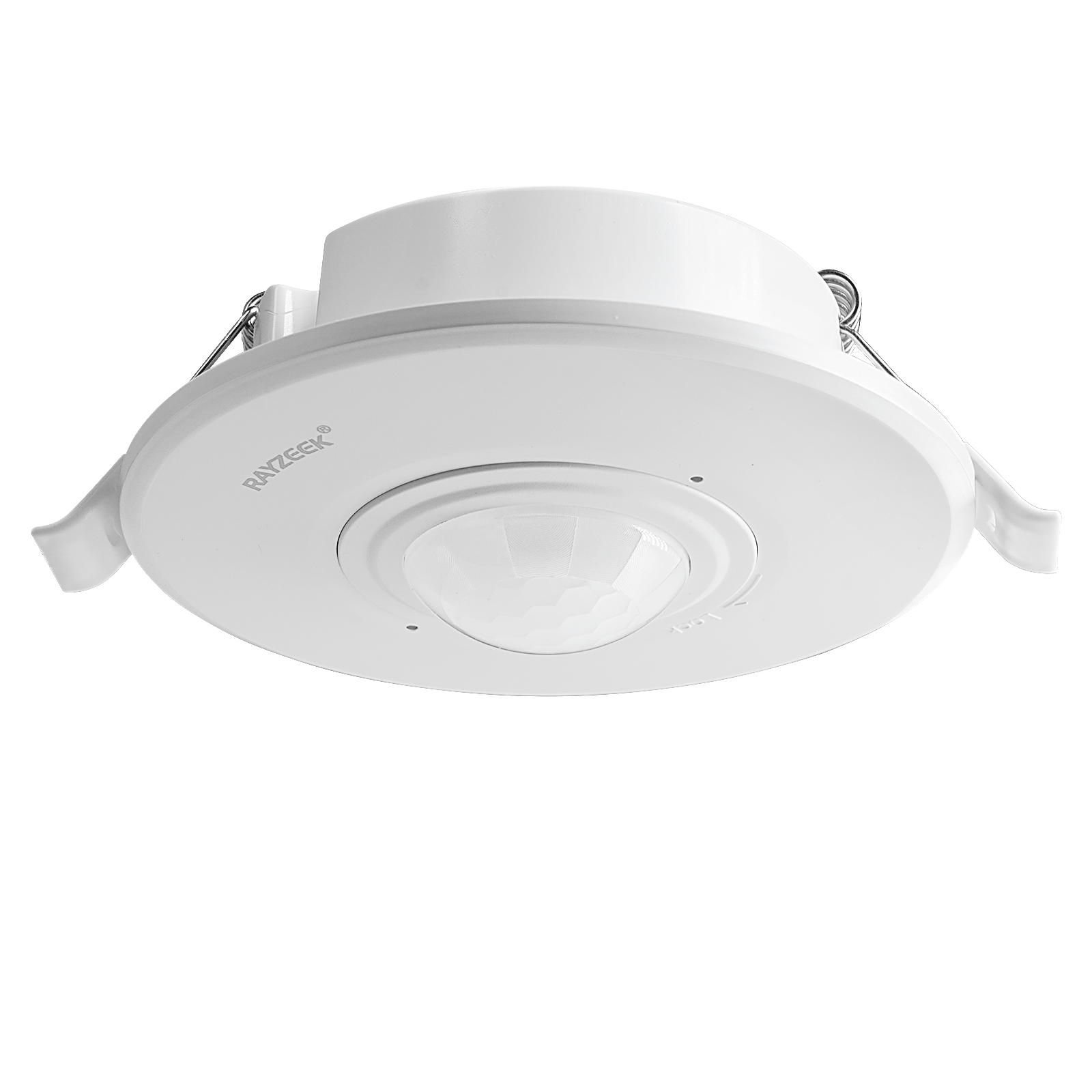
- Higher-load recessed ceiling mount PIR motion sensor switch
- 100-265 VAC line-voltage input, 10A model
- 360-degree detection with adjustable time delay, Lux threshold, and sensitivity
- Recessed ceiling mount PIR motion sensor switch
- 100-265 VAC line-voltage input, 5A model
- 360-degree detection with adjustable time delay, Lux threshold, and sensitivity
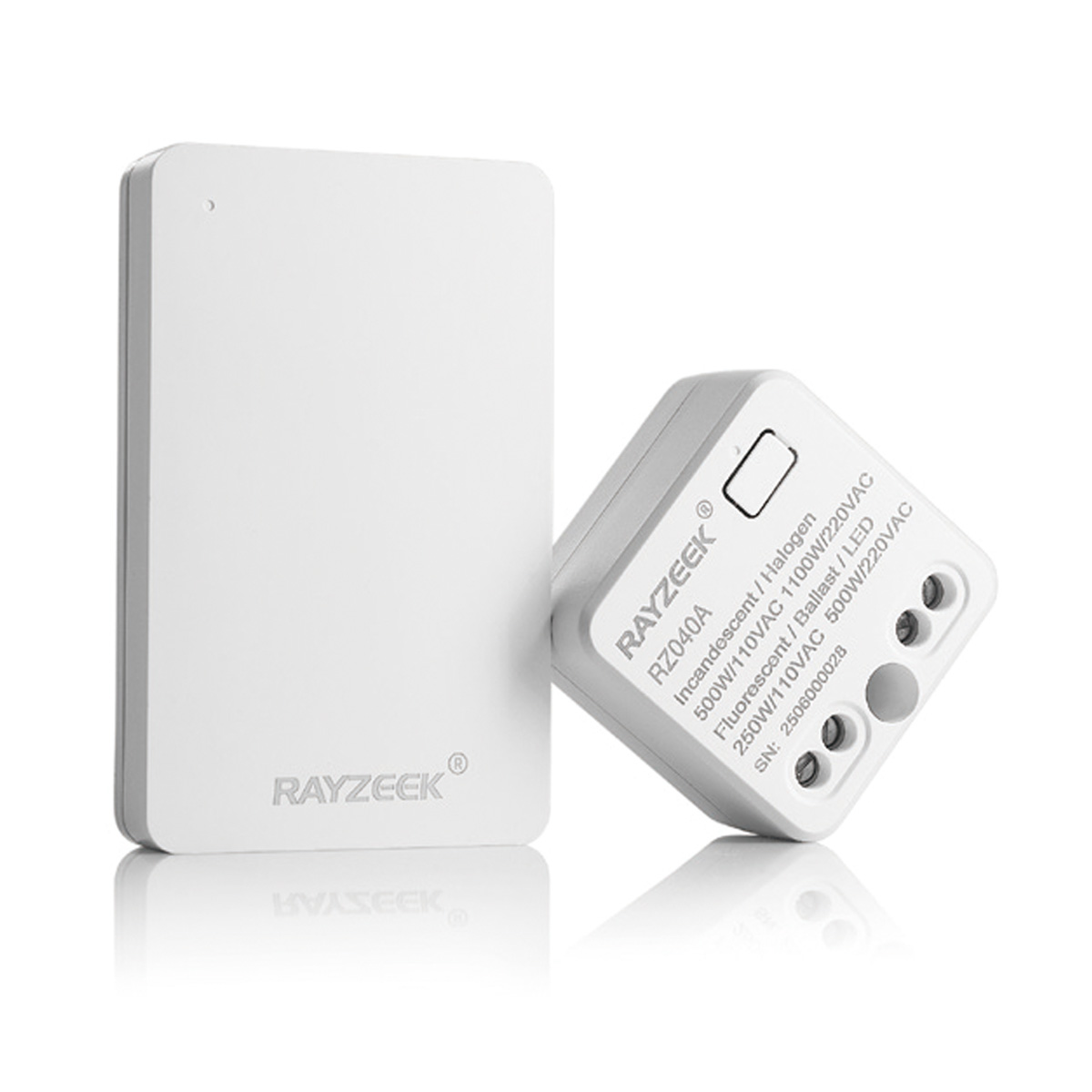
- Wireless switch and receiver kit for indoor ON/OFF lighting control
- 100-230VAC, 50/60Hz receiver with 5A rated current
- CR2032-powered wireless switch with 2.4GHz communication
- Occupancy (Auto-ON/Auto-OFF)
- 12–24V DC (10–30VDC), up to 10A
- 360° coverage, 8–12 m diameter
- Time delay 15 s–30 min
- Light sensor Off/15/25/35 Lux
- High/Low sensitivity
- Auto-ON/Auto-OFF occupancy mode
- 100–265V AC, 10A (neutral required)
- 360° coverage; 8–12 m detection diameter
- Time delay 15 s–30 min; Lux OFF/15/25/35; Sensitivity High/Low
- Auto-ON/Auto-OFF occupancy mode
- 100–265V AC, 5A (neutral required)
- 360° coverage; 8–12 m detection diameter
- Time delay 15 s–30 min; Lux OFF/15/25/35; Sensitivity High/Low
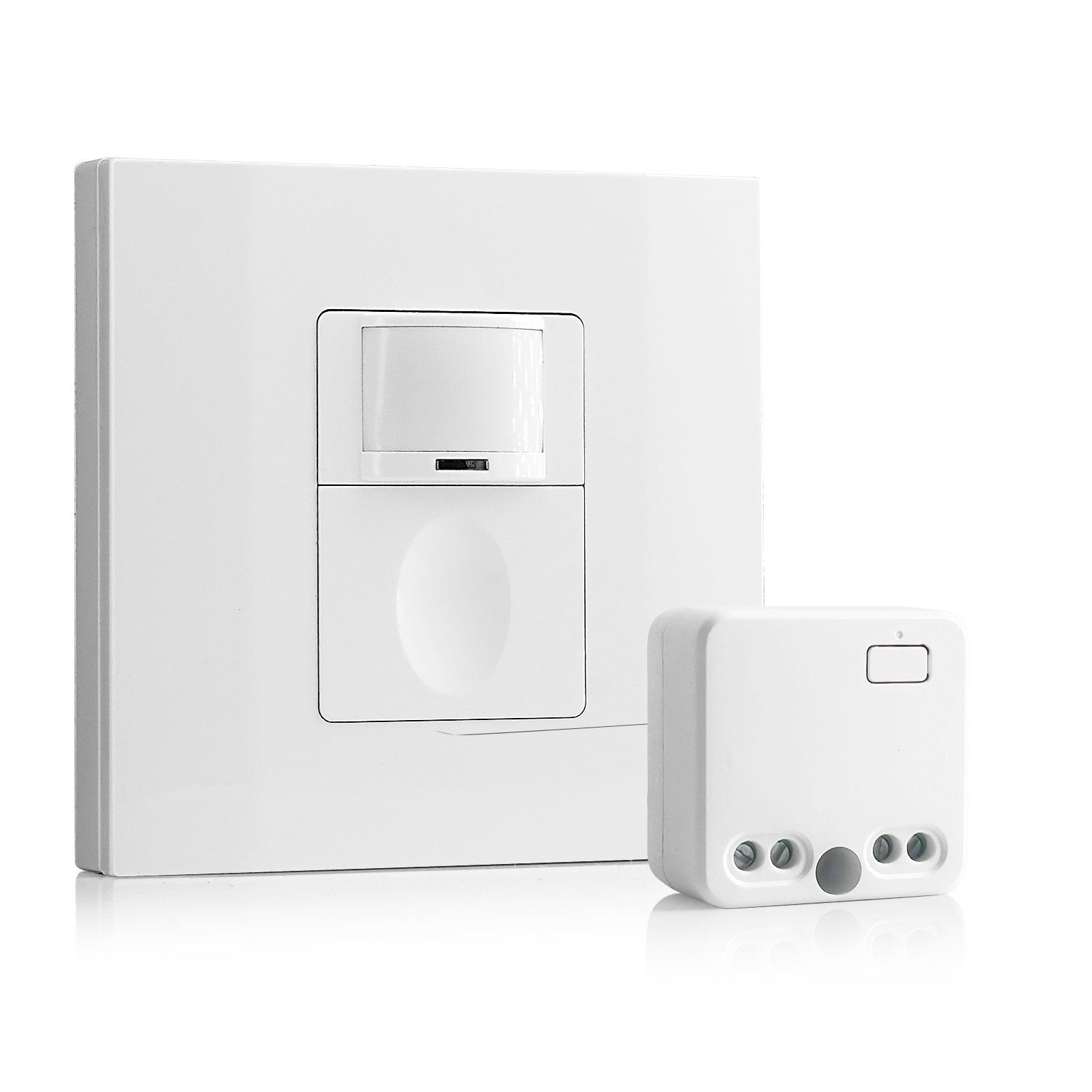
- 100V-230VAC
- Transmission Distance: up to 20m
- Wireless motion sensor
- Hardwired control
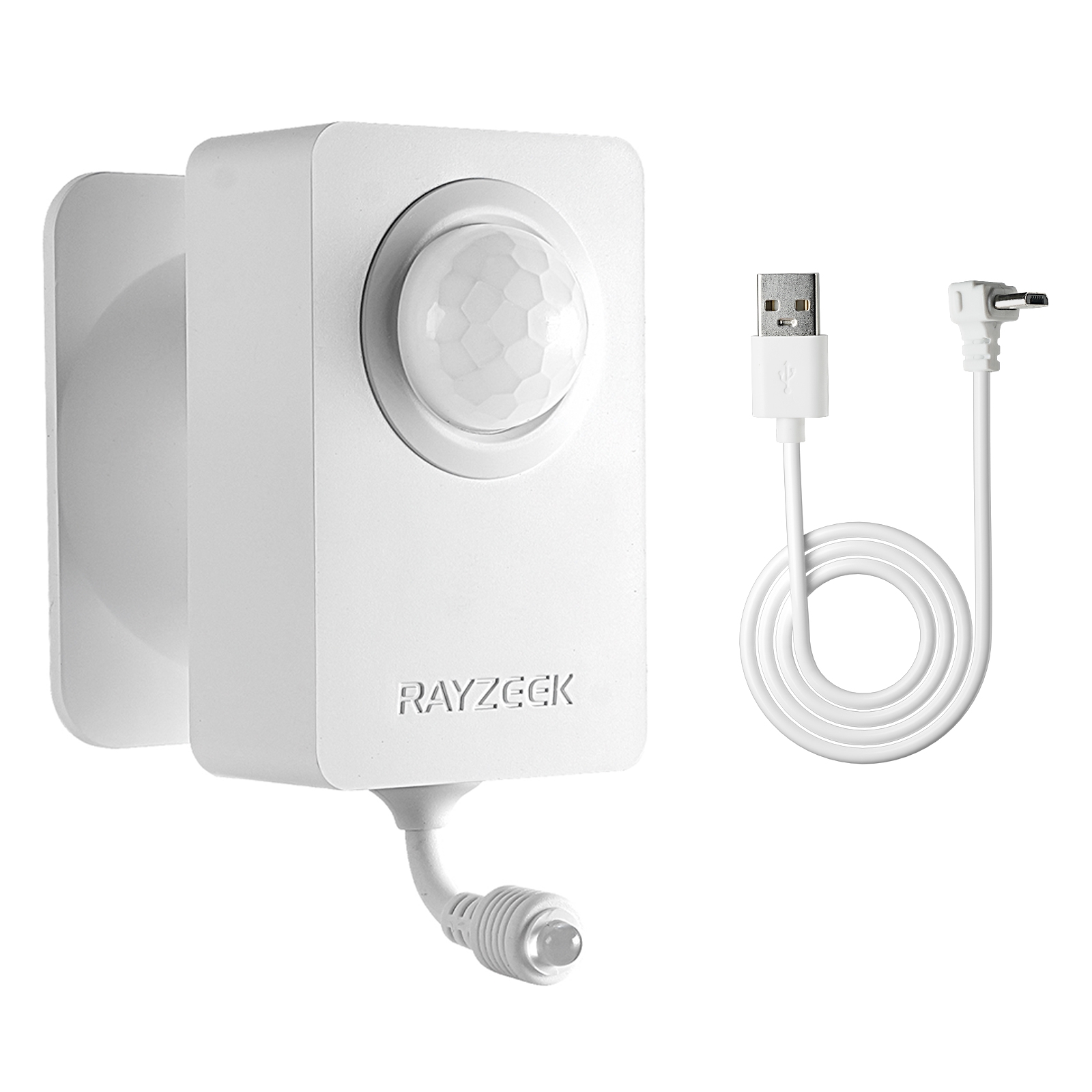
- Voltage: 2x AAA Batteries / 5V DC (Micro USB)
- Day/Night Mode
- Time delay: 15min, 30min, 1h(default), 2h
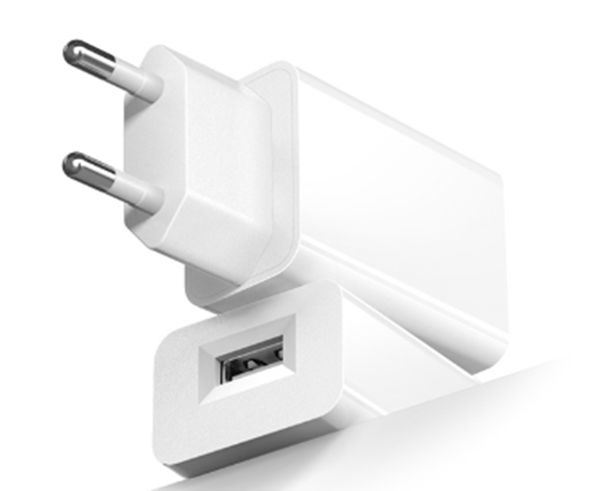
- EU plug power adapter
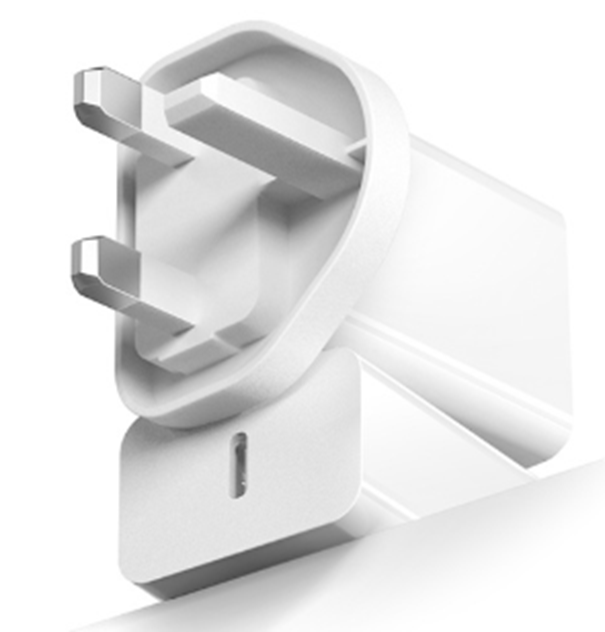
- UK plug power adapter
Frequently Asked Questions
What’s the Difference Between Transparent and Translucent
Transparent objects, such as water and glass, allow light to pass through them easily. On the other hand, translucent objects, like tracing paper and waxed paper, only allow light to pass through them partially.
Do Translucent Objects Emit Light
Translucent objects do not emit light. Unlike transparent objects that transmit most of the light falling on them, translucent objects undergo all three processes – reflection, absorption, and transmission of the light that falls on them.
What Happens to Light in Transparent Materials
Transparent materials allow light to pass through them without scattering the rays. This means that when light falls on a transparent object, the majority of it passes through, allowing us to see through the object. Transparent substances or objects are clear in appearance.
Can Light Pass Through Transparent Materials
Both transparent and translucent materials permit the passage of light. Examples of transparent substances include spectacles, glass, sand timer, prism, fish tank, and camera lens. Transparent mediums allow light to pass through completely, while translucent objects only allow partial passage of light.