

What is Night Light
A night light is a small lamp that is typically plugged directly into an electrical outlet. Its primary purpose is to provide a gentle and dim illumination during the nighttime hours. Night lights are commonly used in areas such as bedrooms, nurseries, and hallways, where a subtle source of light is desired for navigation and safety.
Night lights emit a soft and soothing glow, which is significantly less bright than standard light bulbs. They are designed to create a comforting atmosphere and offer a sense of security, particularly for infants, children, and individuals who prefer a subtle source of light in their surroundings. The low level of brightness ensures that the light emitted by a night light is not too harsh or disruptive to sleep.
Looking For Motion-Activated Energy-Saving Solutions?
Contact us for complete PIR motion sensors, motion-activated energy-saving products, motion sensor switches, and Occupancy/Vacancy commercial solutions.
Many night lights are equipped with automatic sensors that detect changes in ambient light levels. When the surrounding area becomes dark, the night light automatically turns on, providing illumination. Conversely, when the area becomes bright again, the night light turns off. This feature adds convenience and energy efficiency to the device.
Maybe You Are Interested In

- Ceiling-mounted PIR occupancy sensor with dry-contact relay output
- 12/24VDC or 12/24VAC low-voltage supply
- COM, NO, and NC isolated relay contacts for EMS, HVAC, and building control inputs

- Low-voltage DC recessed ceiling-mounted microwave motion sensor switch
- 12 VDC / 24 VDC input with 10-30 VDC range
- 10A max work current with adjustable time delay, Lux threshold, and sensitivity
- Higher-load recessed ceiling-mounted microwave motion sensor switch
- 100-265 VAC line-voltage input, 10A model
- 5.8 GHz microwave sensing with adjustable time delay, Lux threshold, and sensitivity
- Recessed ceiling-mounted microwave motion sensor switch
- 100-265 VAC line-voltage input, 5A model
- 5.8 GHz microwave sensing with adjustable time delay, Lux threshold, and sensitivity
- Ceiling-mounted RZ037 PIR occupancy sensor dimmer for 220V power
- 3A maximum working current with 660W rated load
- LUX button controls light-sensor ON/OFF and user-set dimming brightness
- Ceiling-mounted RZ037 PIR occupancy sensor dimmer for 110V power
- 3A maximum working current with 330W rated load
- LUX button controls light-sensor ON/OFF and user-set dimming brightness

- Low-voltage DC ceiling-mounted microwave motion sensor switch
- 12 VDC / 24 VDC input with 10-30 VDC range
- 10A max work current with adjustable time delay, Lux threshold, and sensitivity
- Higher-load ceiling-mounted microwave motion sensor switch
- 100-265 VAC line-voltage input, 10A model
- 5.8 GHz microwave sensing with adjustable time delay, Lux threshold, and sensitivity
- Ceiling-mounted microwave motion sensor switch
- 100-265 VAC line-voltage input, 5A model
- 5.8 GHz microwave sensing with adjustable time delay, Lux threshold, and sensitivity

- Low-voltage DC recessed ceiling mount PIR motion sensor switch
- 12 VDC / 24 VDC input with 10-30 VDC range
- Max work current 10A with adjustable time delay, Lux threshold, and sensitivity

- Higher-load recessed ceiling mount PIR motion sensor switch
- 100-265 VAC line-voltage input, 10A model
- 360-degree detection with adjustable time delay, Lux threshold, and sensitivity
- Recessed ceiling mount PIR motion sensor switch
- 100-265 VAC line-voltage input, 5A model
- 360-degree detection with adjustable time delay, Lux threshold, and sensitivity

- Wireless switch and receiver kit for indoor ON/OFF lighting control
- 100-230VAC, 50/60Hz receiver with 5A rated current
- CR2032-powered wireless switch with 2.4GHz communication
- Occupancy (Auto-ON/Auto-OFF)
- 12–24V DC (10–30VDC), up to 10A
- 360° coverage, 8–12 m diameter
- Time delay 15 s–30 min
- Light sensor Off/15/25/35 Lux
- High/Low sensitivity
- Auto-ON/Auto-OFF occupancy mode
- 100–265V AC, 10A (neutral required)
- 360° coverage; 8–12 m detection diameter
- Time delay 15 s–30 min; Lux OFF/15/25/35; Sensitivity High/Low
- Auto-ON/Auto-OFF occupancy mode
- 100–265V AC, 5A (neutral required)
- 360° coverage; 8–12 m detection diameter
- Time delay 15 s–30 min; Lux OFF/15/25/35; Sensitivity High/Low

- 100V-230VAC
- Transmission Distance: up to 20m
- Wireless motion sensor
- Hardwired control
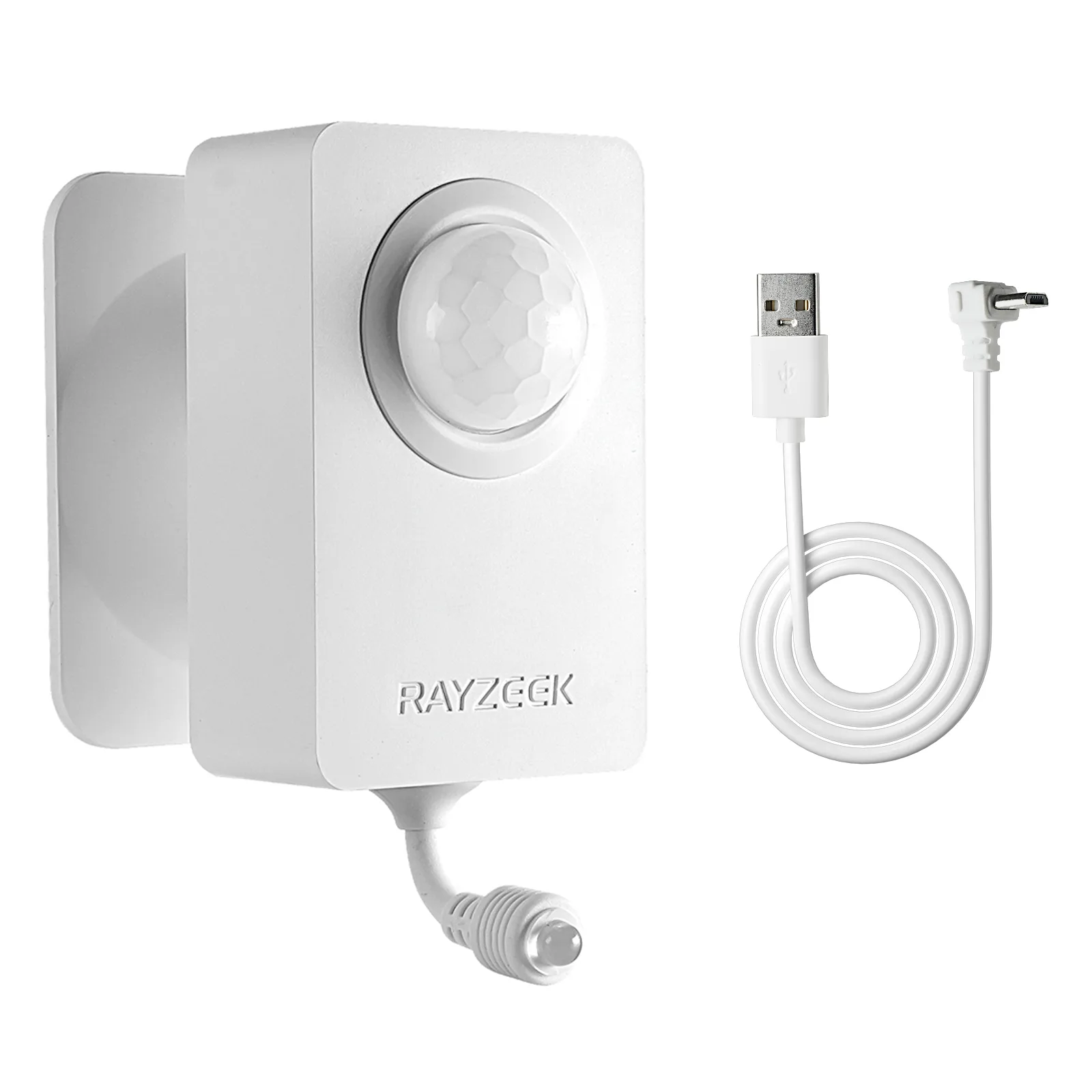
- Voltage: 2x AAA Batteries / 5V DC (Micro USB)
- Day/Night Mode
- Time delay: 15min, 30min, 1h(default), 2h
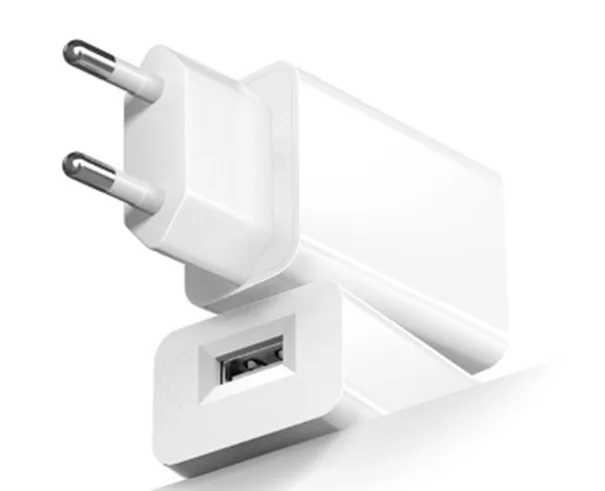
- EU plug power adapter
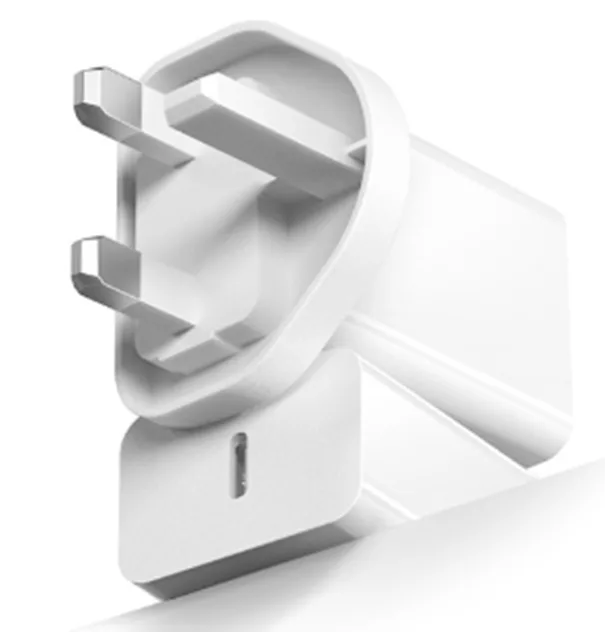
- UK plug power adapter
Night lights come in various shapes, colors, and designs, catering to different preferences and aesthetics. They can be found in the form of standalone plug-in devices or built-in solutions that are integrated into the wall or electrical outlet covers. Some night lights utilize different types of bulbs, such as incandescent, CFL (compact fluorescent lamp), or LED (light-emitting diode) bulbs, offering varying levels of energy efficiency and longevity.
Frequently Asked Questions
What Does Leaving the Porch Light on Mean
When you are at home during the night, it is advisable to leave the porch light on. This serves as a signal to potential burglars that someone is present, especially if the indoor lights are also turned on. Additionally, the porch light functions as a spotlight on the front door, allowing you to easily identify anyone approaching through a window or peephole.
Should You Leave Your Porch Light on or Off at Night
While you’re home at night, it’s advisable to keep your lights on. However, once you’re prepared to retire for the evening, it is important to be conscious and switch off your lights. You should handle your porch light in the same manner as any other room in your house.


