


The Sensor Paradox: Why Luxury Closets Go Dark
High-end closets often suffer from poor lighting automation because hanging clothes block wall-mounted sensors. Learn why ceiling-mounted PIR sensors are the only reliable solution for detecting minor motion in walk-in wardrobes.

The Hidden Cost of Darkness: Why Under-Sink Lighting is Infrastructure, Not Decoration
Darkness under the sink isn’t just annoying; it leads to neglected maintenance and unnoticed leaks. This guide explains why hardwired motion sensor lighting is essential infrastructure for your kitchen, how to choose the right Rayzeek sensor, and why battery puck lights are a trap.

The Invisible Wall: Why PVC Curtains Blind Your Walk-In Sensors (And How to Fix It)
Standard PIR motion sensors view clear PVC curtains as a brick wall, leaving staff in the dark. Discover why this thermal barrier blocks detection and how to properly install sensors inside walk-ins to ensure safety and compliance.

The ‘Scary Basement’ Factor: Lighting the Path Before the Foot Hits the Stair
The fear of a dark basement is often a rational response to poor lighting design. Learn how to eliminate dangerous ‘shadow traps’ using smart switches and properly placed motion sensors to illuminate your path before you take the first step.
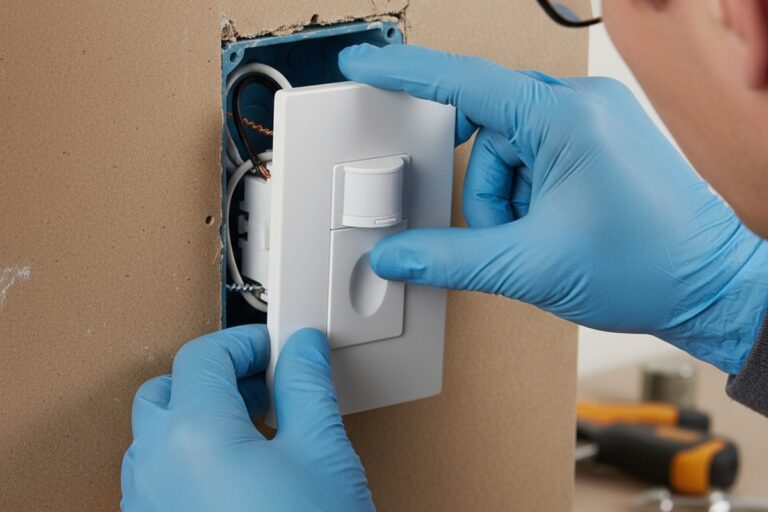
The Day-One Pass: A Case for Non-Networked Simplicity in Small Room Retrofits
For small spaces like restrooms and closets, complex networked lighting systems create unnecessary delays and costs. A non-networked strategy using standalone devices is a superior approach, ensuring full code compliance, eliminating complex commissioning, and delivering a faster path to project completion and long-term reliability.

The Disloyal Light: How to Tame Motion Sensors in Complex Spaces
Standard motion sensors often trigger on non-human heat sources like car engines, creating chaotic lighting. The solution isn’t a more expensive sensor, but a deeper understanding of detection physics. By using strategic placement and lens masking, you can engineer a lighting system that remains loyal to people, not machines.