What is Scotopic Lumens
Scotopic lumens, in the context of the lighting industry, refer to the measurement of light output that takes into account the sensitivity of the human eye to both cone and rod photoreceptors. Unlike photopic lumens, which measure the sensitivity of our eyes under intense lighting conditions, scotopic lumens are associated with our ability to see in low light or weak light situations. The rods in our eyes are responsible for detecting this type of light and regulating the size of the pupil, which directly affects visual acuity for tasks.
It is important to note that scotopic lumens cannot be measured using a standard light meter. Standard light meters only measure the sensitivity of the eye to cone-activated vision in the fovea (photopic) region of the retina, completely ignoring the impact of vision with rod activation (scotopic). However, recent research has shown that rod photoreceptors are active in weak light and typical interior light levels.
Looking For Motion-Activated Energy-Saving Solutions?
Contact us for complete PIR motion sensors, motion-activated energy-saving products, motion sensor switches, and Occupancy/Vacancy commercial solutions.
The combination of photopic and scotopic luminosity provides a more accurate representation of how the human eye perceives light at average interior light levels. Therefore, lighting manufacturers and designers have started to consider the scotopic-to-photopic ratio (S/P ratio) when designing lighting solutions. A higher S/P ratio, achieved by using light sources with higher color temperatures, can result in sharper vision, improved color rendering, reduced visual fatigue, decreased disability glare, and enhanced performance for tasks.
Maybe You Are Interested In
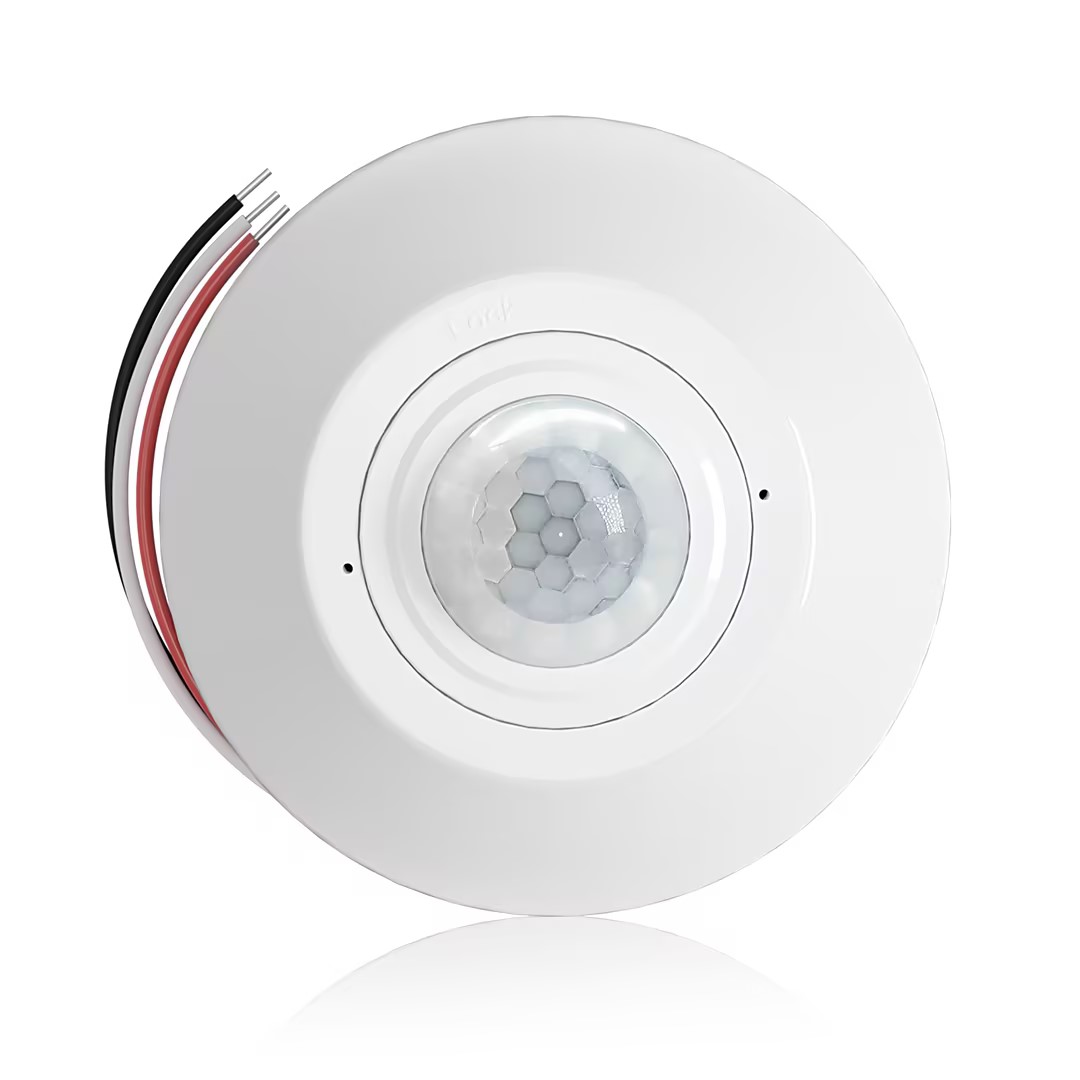
- Ceiling-mounted PIR occupancy sensor with dry-contact relay output
- 12/24VDC or 12/24VAC low-voltage supply
- COM, NO, and NC isolated relay contacts for EMS, HVAC, and building control inputs
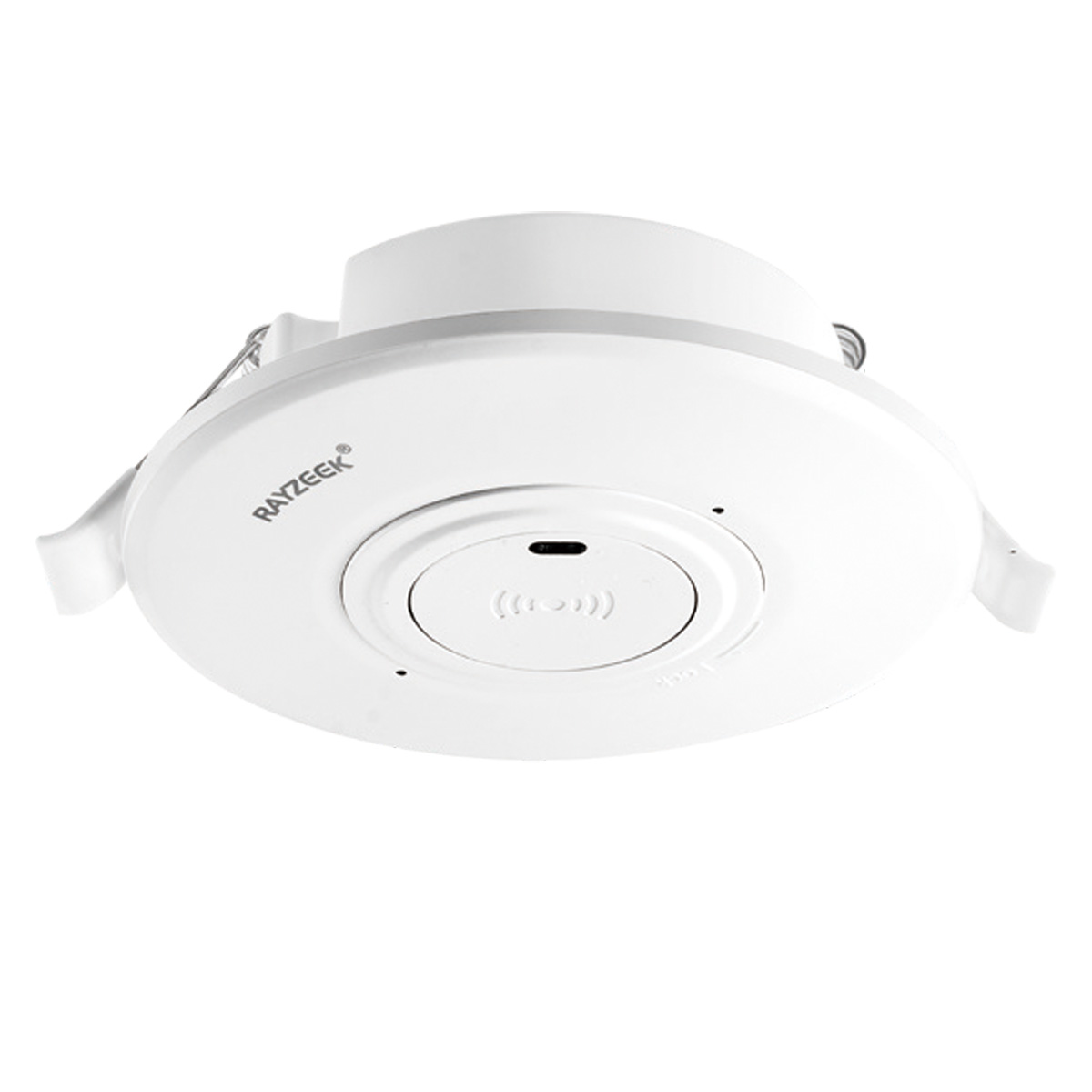
- Low-voltage DC recessed ceiling-mounted microwave motion sensor switch
- 12 VDC / 24 VDC input with 10-30 VDC range
- 10A max work current with adjustable time delay, Lux threshold, and sensitivity
- Higher-load recessed ceiling-mounted microwave motion sensor switch
- 100-265 VAC line-voltage input, 10A model
- 5.8 GHz microwave sensing with adjustable time delay, Lux threshold, and sensitivity
- Recessed ceiling-mounted microwave motion sensor switch
- 100-265 VAC line-voltage input, 5A model
- 5.8 GHz microwave sensing with adjustable time delay, Lux threshold, and sensitivity
- Ceiling-mounted RZ037 PIR occupancy sensor dimmer for 220V power
- 3A maximum working current with 660W rated load
- LUX button controls light-sensor ON/OFF and user-set dimming brightness
- Ceiling-mounted RZ037 PIR occupancy sensor dimmer for 110V power
- 3A maximum working current with 330W rated load
- LUX button controls light-sensor ON/OFF and user-set dimming brightness
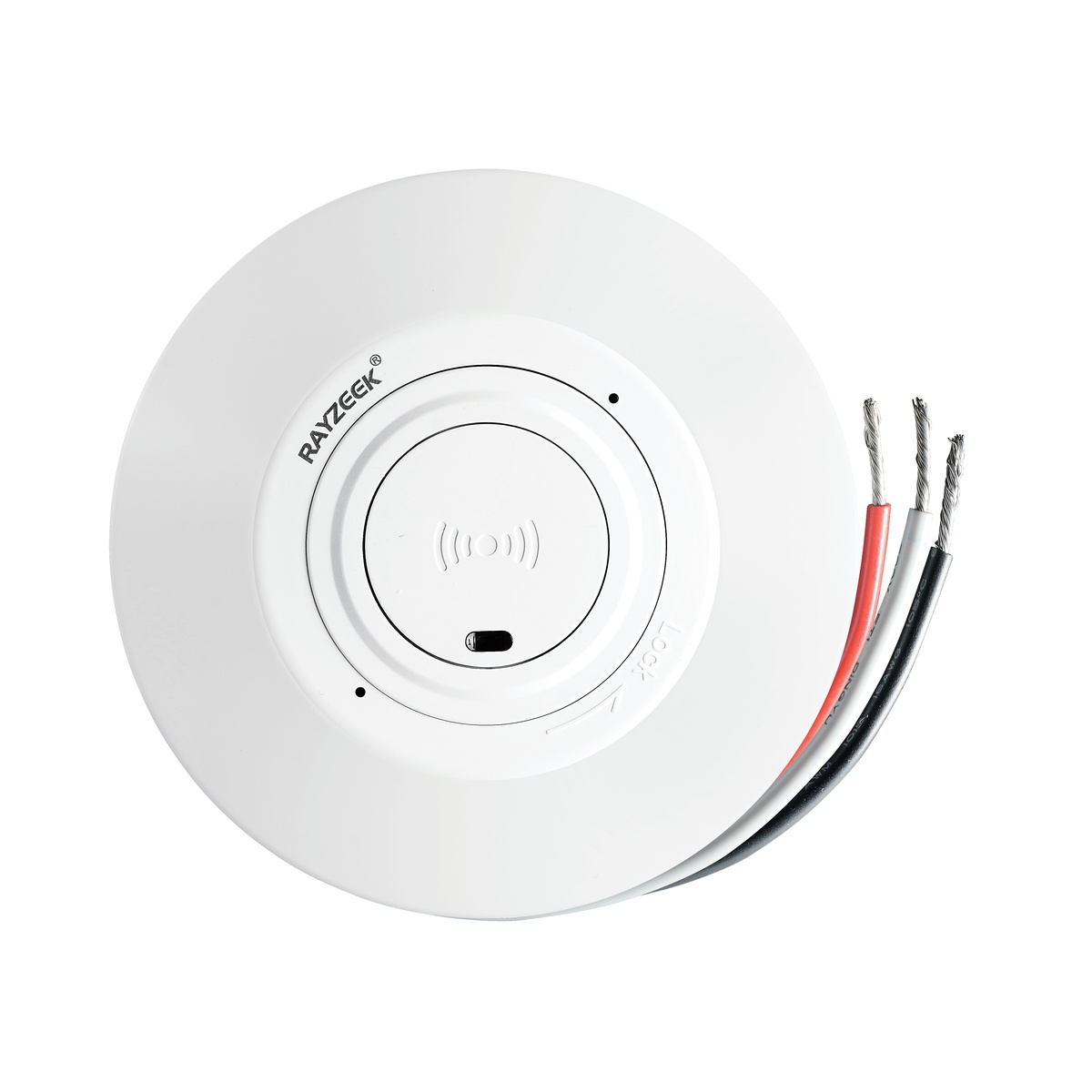
- Low-voltage DC ceiling-mounted microwave motion sensor switch
- 12 VDC / 24 VDC input with 10-30 VDC range
- 10A max work current with adjustable time delay, Lux threshold, and sensitivity
- Higher-load ceiling-mounted microwave motion sensor switch
- 100-265 VAC line-voltage input, 10A model
- 5.8 GHz microwave sensing with adjustable time delay, Lux threshold, and sensitivity
- Ceiling-mounted microwave motion sensor switch
- 100-265 VAC line-voltage input, 5A model
- 5.8 GHz microwave sensing with adjustable time delay, Lux threshold, and sensitivity
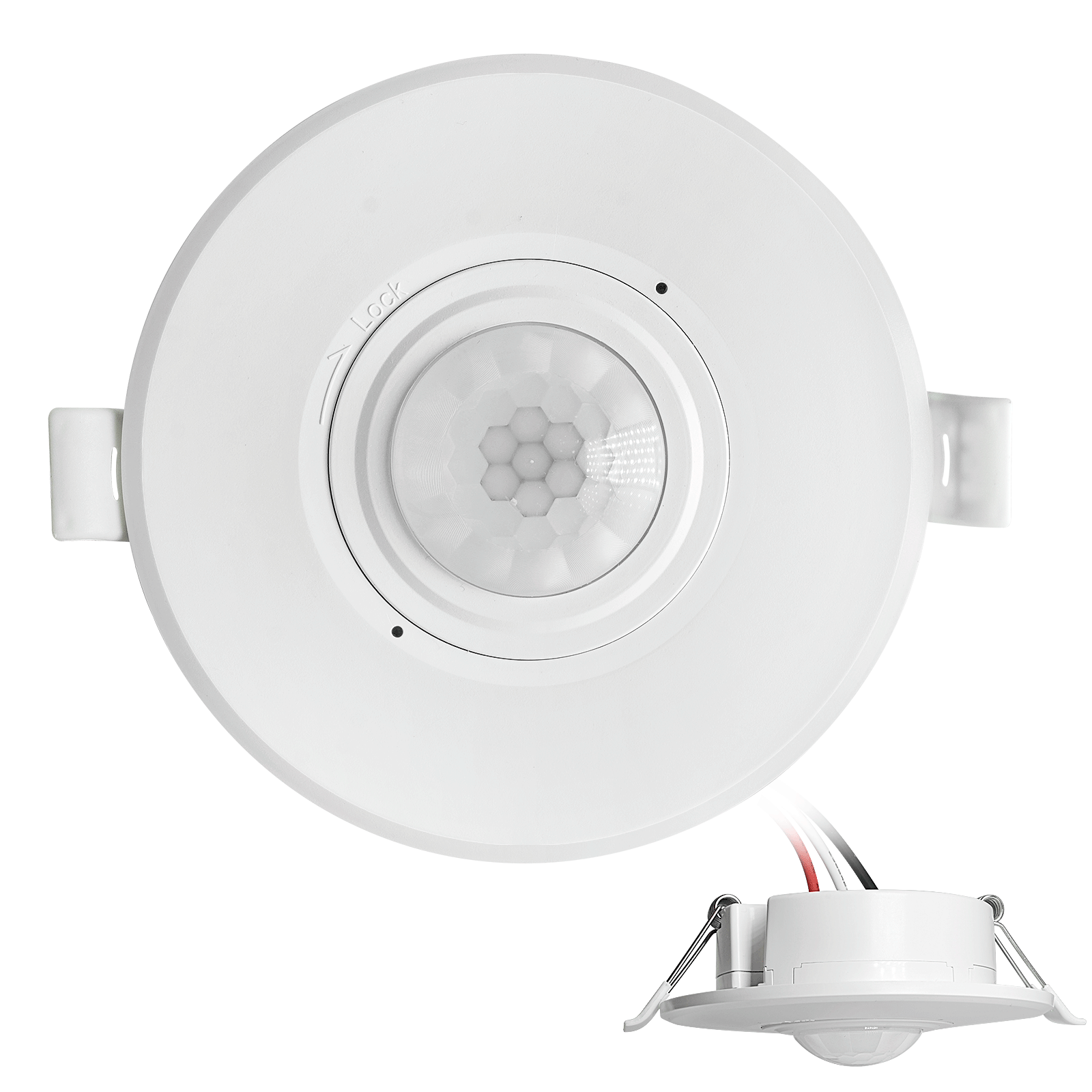
- Low-voltage DC recessed ceiling mount PIR motion sensor switch
- 12 VDC / 24 VDC input with 10-30 VDC range
- Max work current 10A with adjustable time delay, Lux threshold, and sensitivity
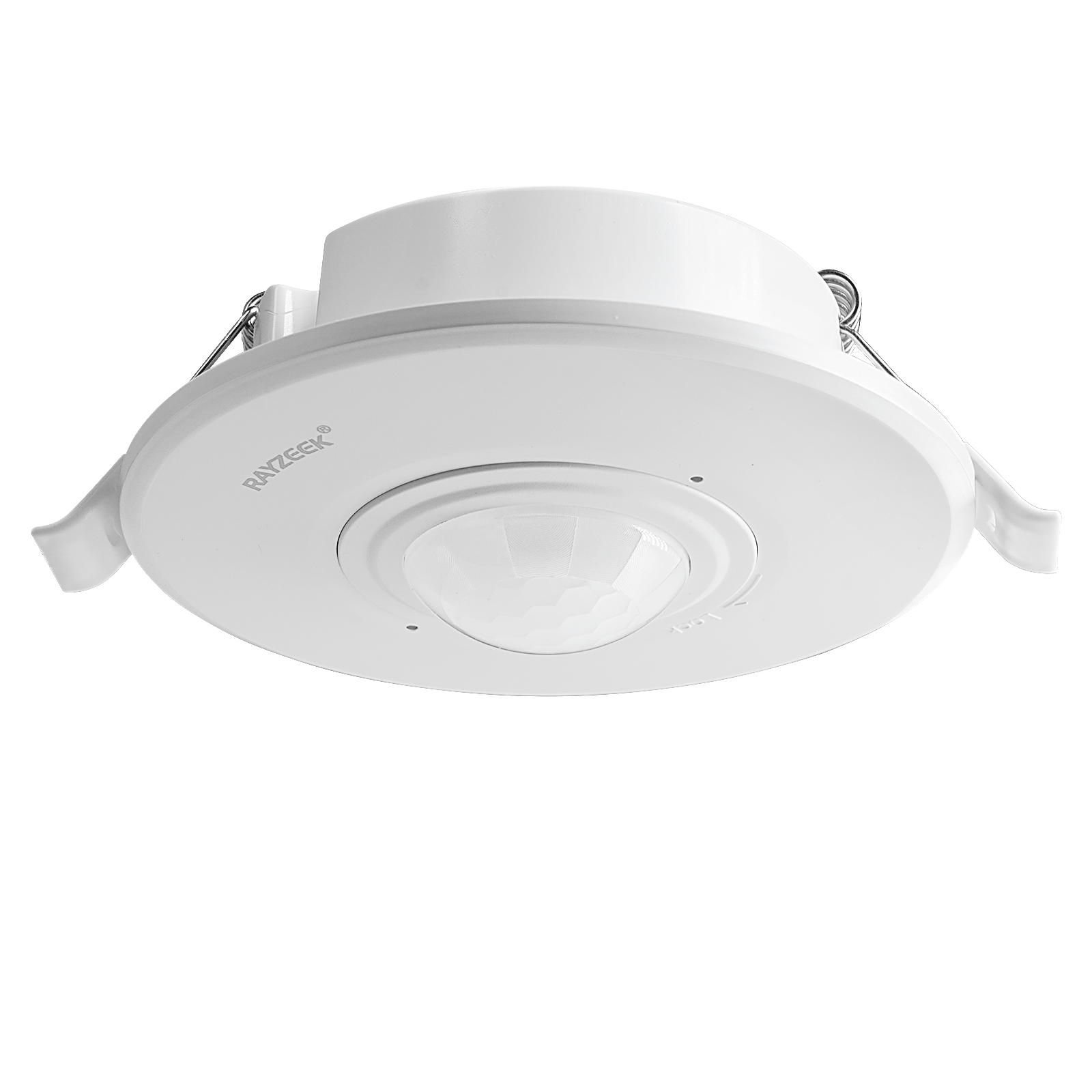
- Higher-load recessed ceiling mount PIR motion sensor switch
- 100-265 VAC line-voltage input, 10A model
- 360-degree detection with adjustable time delay, Lux threshold, and sensitivity
- Recessed ceiling mount PIR motion sensor switch
- 100-265 VAC line-voltage input, 5A model
- 360-degree detection with adjustable time delay, Lux threshold, and sensitivity
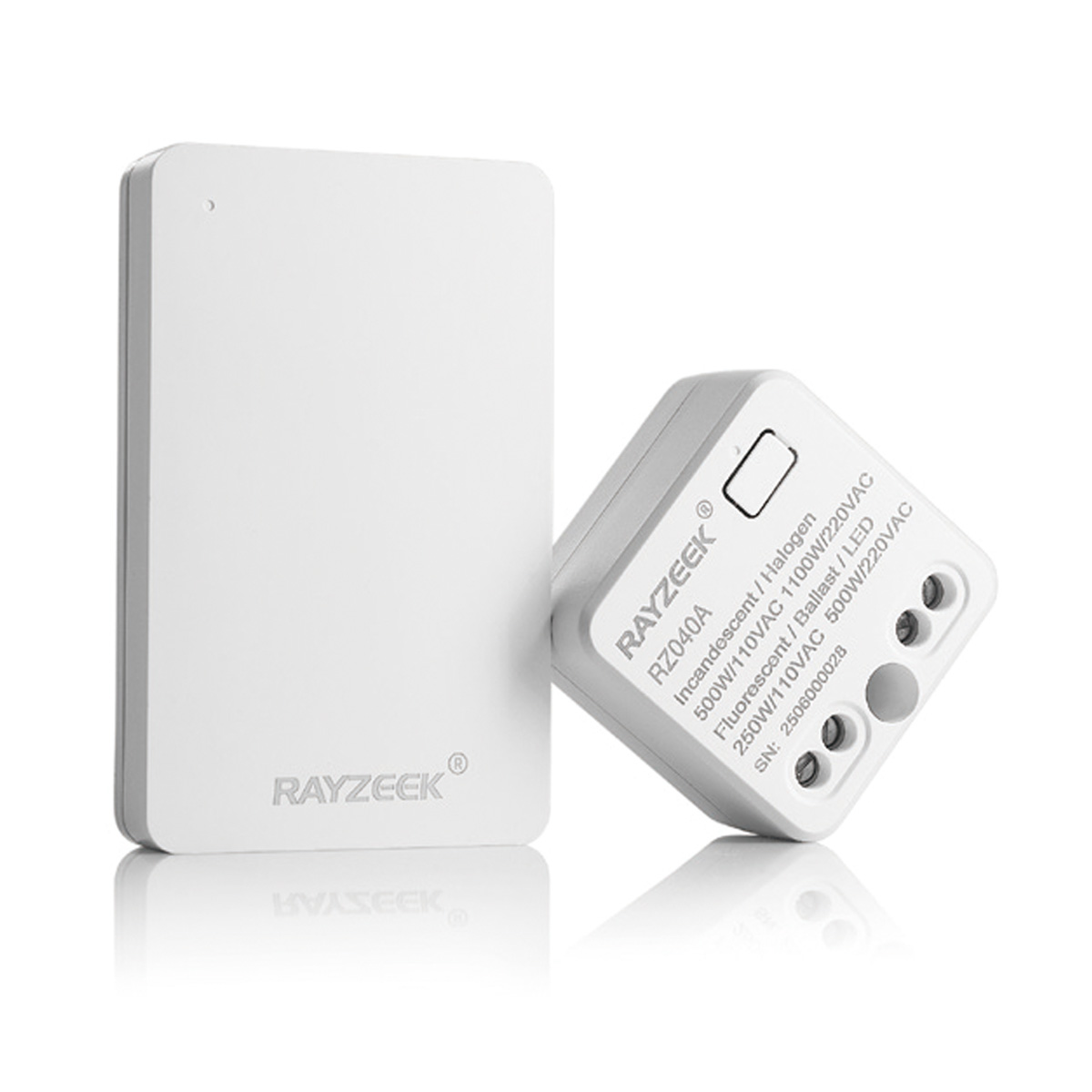
- Wireless switch and receiver kit for indoor ON/OFF lighting control
- 100-230VAC, 50/60Hz receiver with 5A rated current
- CR2032-powered wireless switch with 2.4GHz communication
- Occupancy (Auto-ON/Auto-OFF)
- 12–24V DC (10–30VDC), up to 10A
- 360° coverage, 8–12 m diameter
- Time delay 15 s–30 min
- Light sensor Off/15/25/35 Lux
- High/Low sensitivity
- Auto-ON/Auto-OFF occupancy mode
- 100–265V AC, 10A (neutral required)
- 360° coverage; 8–12 m detection diameter
- Time delay 15 s–30 min; Lux OFF/15/25/35; Sensitivity High/Low
- Auto-ON/Auto-OFF occupancy mode
- 100–265V AC, 5A (neutral required)
- 360° coverage; 8–12 m detection diameter
- Time delay 15 s–30 min; Lux OFF/15/25/35; Sensitivity High/Low
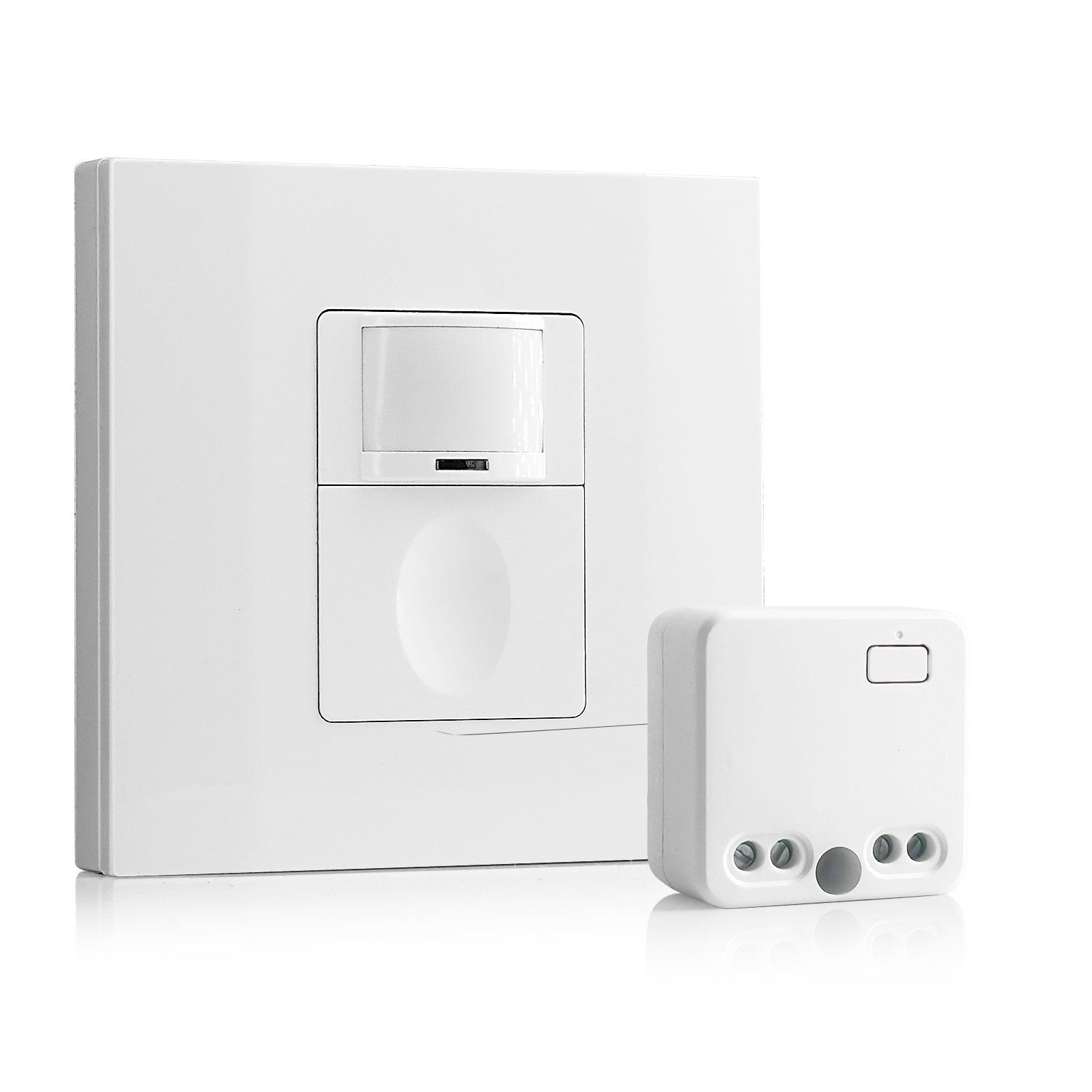
- 100V-230VAC
- Transmission Distance: up to 20m
- Wireless motion sensor
- Hardwired control
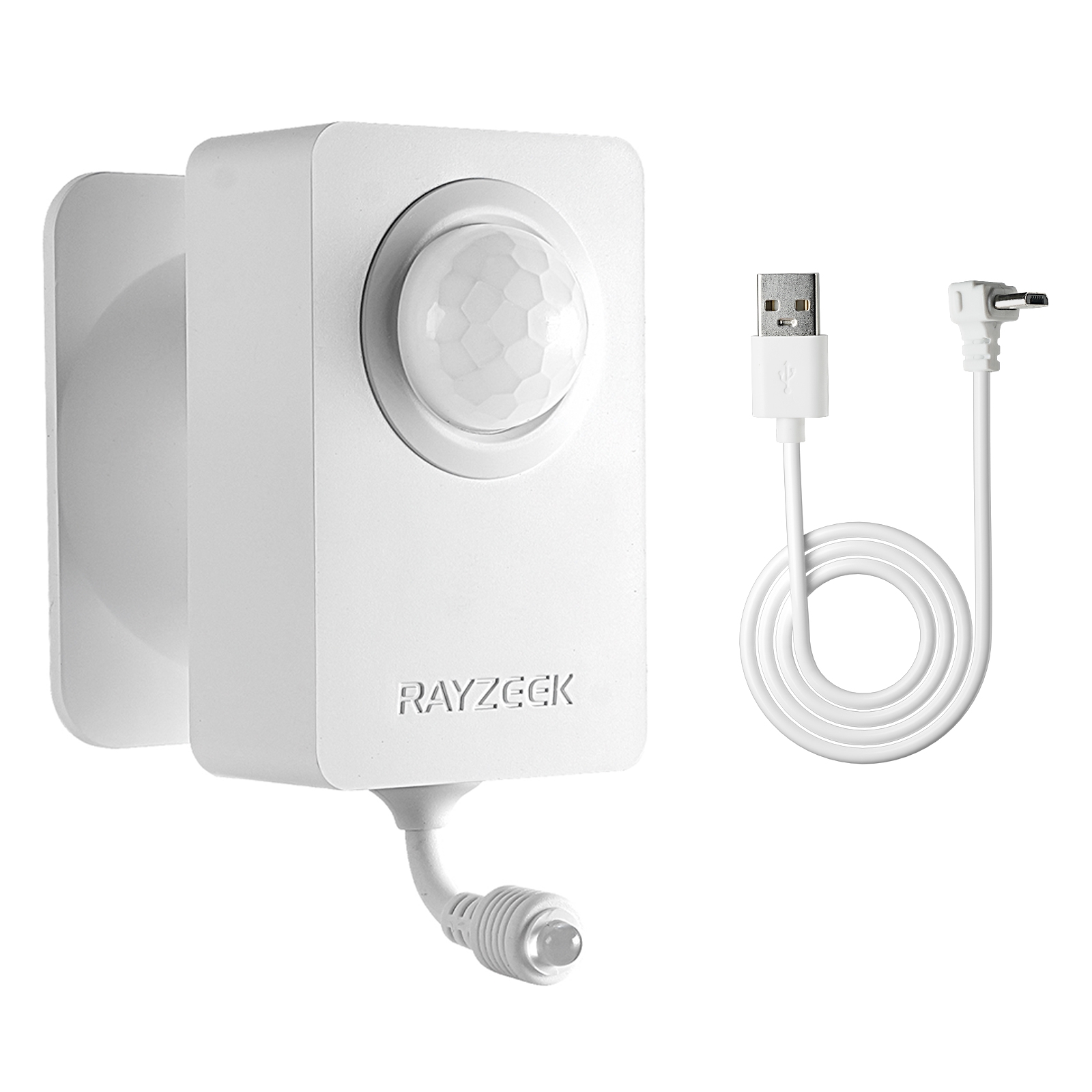
- Voltage: 2x AAA Batteries / 5V DC (Micro USB)
- Day/Night Mode
- Time delay: 15min, 30min, 1h(default), 2h
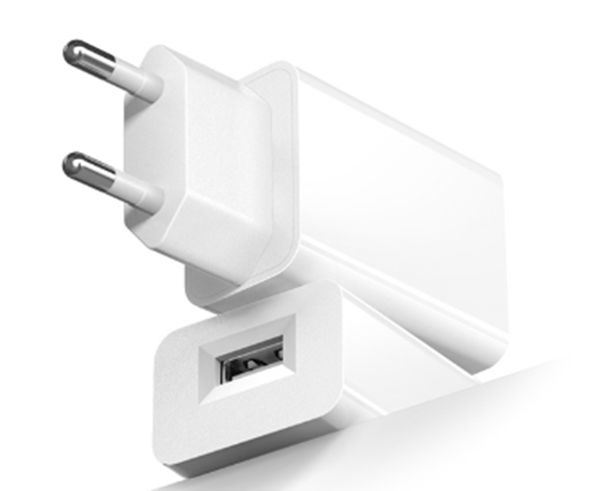
- EU plug power adapter
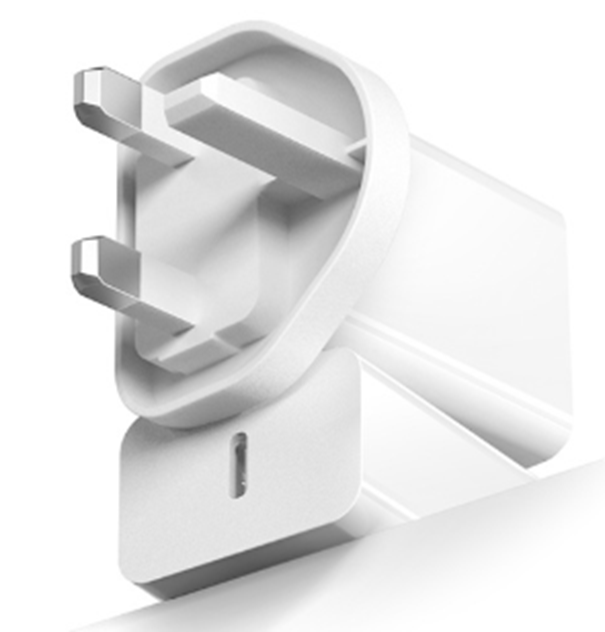
- UK plug power adapter
Frequently Asked Questions
What Is Photopic Lighting
Photopic lighting, also known as cone vision, pertains to the adaptation levels of 3 candelas per square meter (cd/m^2) and above. It refers to the overall brightness of the environment that your eyes have adjusted to.
What Is the Difference Between Scotopic and Photopic Lighting
Scotopic lighting relies solely on rods for vision, resulting in the perception of objects in black and white. On the other hand, photopic lighting utilizes cones and enables the perception of color.
Is Moonlight Photopic or Scotopic
Once the sun is below the horizon, the transition from photopic to mesopic and eventually to scotopic vision begins during twilight. It is important to note that scotopic vision is only fully achieved when there is no significant light source present. However, it should be noted that even moonlight, despite being relatively bright, can hinder complete scotopic operation.
What Is Another Name for Scotopic Vision
Also known as twilight vision, scotopic vision can be compared to photopic vision.