
A straight-on view of a clean electronics workbench with a grey anti-static mat, neatly arranged tools to the side, and out-of-focus storage bins in the background.

The Deadman’s Bench: Engineering Safety for the Forgotten Soldering Iron

Relying on memory to turn off an 850°F soldering iron is a gamble you will eventually lose. The human brain is a poor safety device, prone to distraction. Instead of relying on fallible smart plugs or routines, the most robust solution is a simple, hard-wired motion sensor that defaults to safety, creating a true ‘dead-man’s bench’ for your workshop.

Read More »
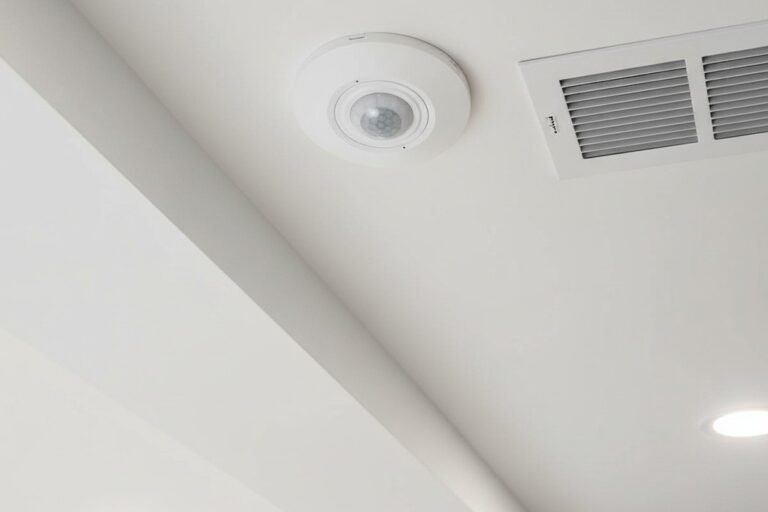
A low-angle shot looking up at a small, round, white motion sensor flush-mounted on a drywall ceiling bulkhead, positioned next to a square metal air register.

The Geometry of Regret: Why Wall Switches Fail in Open Basements

Placing motion switches on the walls of an open basement is a common design flaw. Structural columns and furniture create blind spots, causing lights to turn off unexpectedly. The solution is to move the sensor to the ceiling, providing a top-down, 360-degree view that eliminates these ‘shadow cones’ and offers a more reliable, hands-free lighting experience.

Read More »
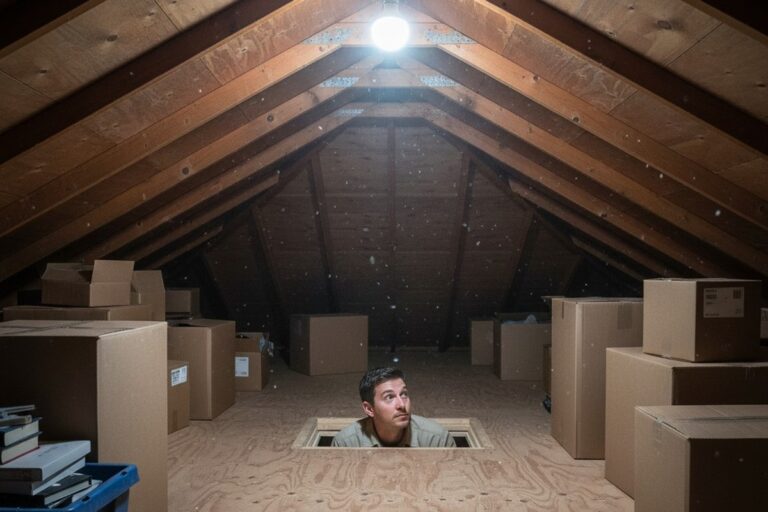
A person climbs a ladder through a hatch into a residential attic, which is already fully illuminated by an overhead light with a motion sensor.

The Best Light Switch Is No Switch: Why Your Attic Needs a Sensor, Not a String

Relying on a pull-string light in your attic is a dangerous and outdated practice. The transition from a ladder to the attic floor is a critical fall risk, made worse by darkness. A simple, screw-in motion sensor adapter provides a passive safety upgrade, automatically lighting the space before you enter and eliminating the hazard without complex wiring or unreliable batteries.

Read More »
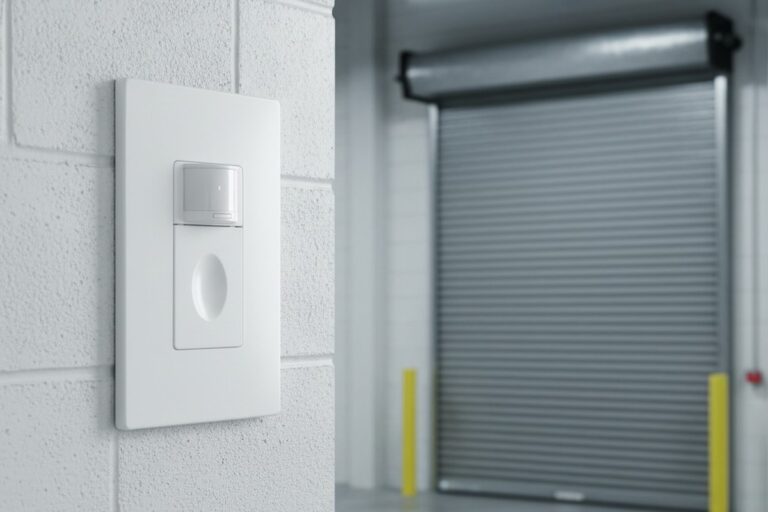
A white motion sensor is mounted on a cinder block wall inside a warehouse, aimed directly at a large, closed, corrugated metal loading dock door in the background.

Loading Dock Doors: Preventing False Triggers from Wind and Debris

False alarms at your loading dock are often caused by standard sensors reacting to wind drafts and swirling debris. These environments create thermal and physical disturbances that trick PIR and Microwave detectors. The only reliable solution is installing Dual-Technology sensors that require both a heat signature and physical motion to be detected simultaneously, preventing costly and frustrating false dispatches.

Read More »
English