
Qué es PN Junction
Una unión PN es un componente fundamental, concretamente en el funcionamiento de las luces LED. Se refiere a la unión formada entre un semiconductor de tipo P y un semiconductor de tipo N. En esta unión, el semiconductor de tipo P contiene un exceso de huecos cargados positivamente, mientras que el semiconductor de tipo N tiene un exceso de electrones cargados negativamente. Cuando una corriente atraviesa la unión PN, los electrones de la región tipo N son empujados hacia la región tipo P, donde se recombinan con los huecos. Este proceso de recombinación libera energía en forma de luz, dando lugar a la emisión de fotones.
Tal vez le interese

- Sensor de presencia PIR para montaje en techo con salida de relé de contacto seco
- Alimentación de baja tensión de 12/24 VCC o 12/24 VCA
- Contactos de relé aislados COM, NO y NC para entradas de EMS, HVAC y control de edificios

- Interruptor con sensor de movimiento por microondas encastrable en techo de baja tensión CC
- Entrada de 12 VCC / 24 VCC con rango de 10-30 VCC
- Corriente máxima de trabajo de 10 A con temporización, umbral Lux y sensibilidad ajustables
- Interruptor con sensor de movimiento por microondas encastrable en techo para mayor carga
- Entrada de tensión de red de 100-265 VCA, modelo de 10 A
- Detección por microondas de 5,8 GHz con temporización, umbral Lux y sensibilidad ajustables
- Interruptor con sensor de movimiento por microondas encastrable en techo
- Entrada de tensión de red de 100-265 VCA, modelo de 5 A
- Detección por microondas de 5,8 GHz con temporización, umbral Lux y sensibilidad ajustables
- Regulador con sensor de presencia PIR RZ037 para montaje en techo para alimentación de 220 V
- Corriente de trabajo máxima de 3 A con carga nominal de 660 W
- El botón LUX controla el encendido/apagado del sensor de luz y el brillo de regulación ajustado por el usuario
- Atenuador con sensor de ocupación PIR de techo RZ037 para alimentación de 110V
- Corriente máxima de funcionamiento de 3A con carga nominal de 330W
- El botón LUX controla el encendido/apagado del sensor de luz y el brillo de regulación ajustado por el usuario

- Interruptor con sensor de movimiento por microondas de techo de CC de bajo voltaje
- Entrada de 12 VCC / 24 VCC con rango de 10-30 VCC
- Corriente máxima de trabajo de 10 A con temporización, umbral Lux y sensibilidad ajustables
- Interruptor con sensor de movimiento por microondas de techo para mayor carga
- Entrada de tensión de red de 100-265 VCA, modelo de 10 A
- Detección por microondas de 5,8 GHz con temporización, umbral Lux y sensibilidad ajustables
- Interruptor con sensor de movimiento por microondas de techo
- Entrada de tensión de red de 100-265 VCA, modelo de 5 A
- Detección por microondas de 5,8 GHz con temporización, umbral Lux y sensibilidad ajustables

- Interruptor con sensor de movimiento PIR empotrable de techo de CC de bajo voltaje
- Entrada de 12 VCC / 24 VCC con rango de 10-30 VCC
- Corriente de trabajo máxima de 10A con tiempo de retardo, umbral de Lux y sensibilidad ajustables

- Interruptor con sensor de movimiento PIR empotrable de techo para mayor carga
- Entrada de tensión de red de 100-265 VCA, modelo de 10 A
- Detección de 360 grados con tiempo de retardo, umbral de Lux y sensibilidad ajustables
- Interruptor con sensor de movimiento PIR empotrable de techo
- Entrada de tensión de red de 100-265 VCA, modelo de 5 A
- Detección de 360 grados con tiempo de retardo, umbral de Lux y sensibilidad ajustables

- Kit de interruptor inalámbrico y receptor para control de iluminación interior ON/OFF
- Receptor de 100-230VAC, 50/60Hz con corriente nominal de 5A
- Interruptor inalámbrico alimentado por CR2032 con comunicación de 2.4GHz
- Ocupación (Encendido automático/Apagado automático)
- 12–24V DC (10–30VDC), hasta 10A
- Cobertura de 360°, diámetro de 8–12 m
- Retardo de tiempo 15 s–30 min
- Sensor de luz Apagado/15/25/35 Lux
- Alta/Baja sensibilidad
- Modo de ocupación Auto-ON/Auto-OFF
- 100–265V CA, 10A (se requiere neutro)
- Cobertura de 360°; diámetro de detección de 8–12 m
- Retardo de tiempo 15 s–30 min; Lux APAGADO/15/25/35; Sensibilidad Alta/Baja
- Modo de ocupación Auto-ON/Auto-OFF
- 100–265V AC, 5A (se requiere neutro)
- Cobertura de 360°; diámetro de detección de 8–12 m
- Retardo de tiempo 15 s–30 min; Lux APAGADO/15/25/35; Sensibilidad Alta/Baja

- 100V-230VAC
- Distancia de transmisión: hasta 20m
- Sensor de movimiento inalámbrico
- Control cableado
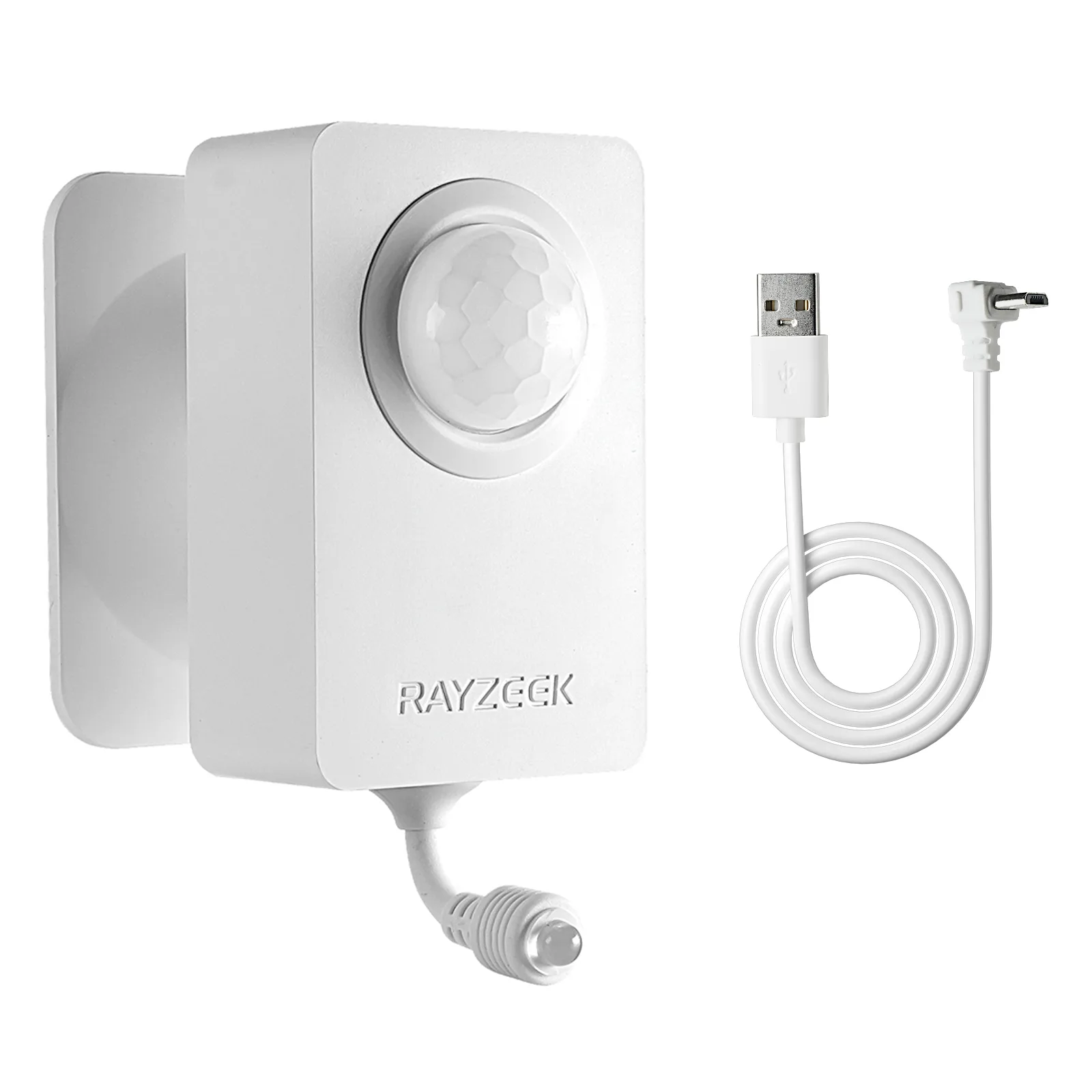
- Voltaje: 2 pilas AAA / 5 V CC (Micro USB)
- Modo Día/Noche
- Tiempo de retardo: 15min, 30min, 1h(por defecto), 2h
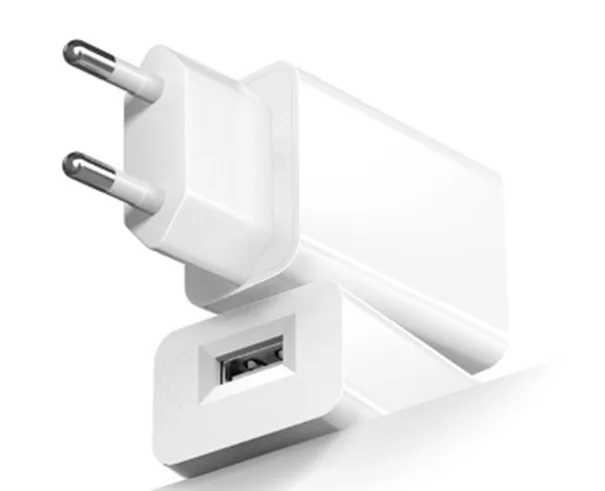
- Adaptador de corriente con enchufe europeo
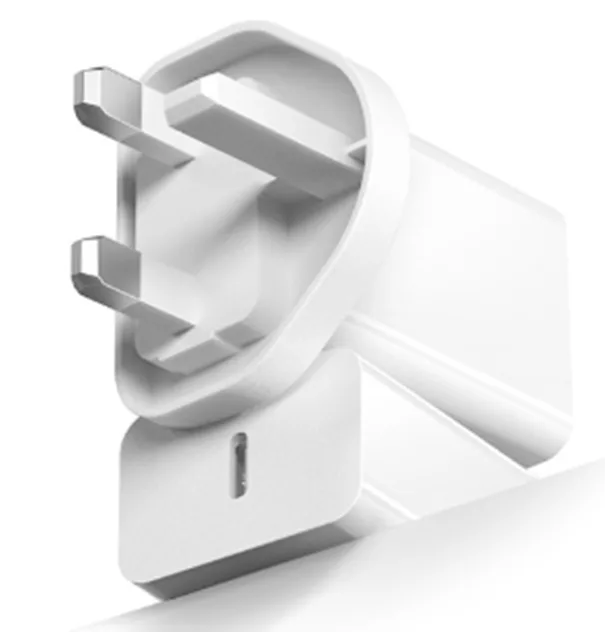
- Adaptador de corriente con enchufe del Reino Unido
Los materiales utilizados en la unión PN determinan la longitud de onda y el color de la luz emitida. Las distintas combinaciones de semiconductores de tipo P y N pueden producir varios colores de luz. Por ejemplo, los LED azules suelen utilizar un material de nitruro de galio (GaN) para la región de tipo N y un material de nitruro de galio dopado con magnesio (GaN dopado con Mg) para la región de tipo P. La recombinación de electrones y electrones en la unión PN determina la longitud de onda y el color de la luz emitida. La recombinación de electrones y huecos en estos materiales da lugar a la emisión de luz azul.
Preguntas frecuentes
¿Cuál es la diferencia entre LED y unión PN?
Tanto un LED como una unión PN están formados por una unión PN, pero la diferencia radica en que la unión PN de un LED está cubierta por un material transparente. Esta cubierta sirve para dirigir la luz emitida por la unión cuando está polarizada hacia delante.
¿Qué significa PN en electricidad?
Un diodo de unión P-N es un componente semiconductor fundamental que regula el movimiento de la corriente eléctrica dentro de un circuito. Consta de un lado positivo (p) y un lado negativo (n).


