
O que é Junção PN
Uma junção PN é um componente fundamental, especificamente na operação de luzes LED. Refere-se à junção formada entre um semicondutor do tipo P e um semicondutor do tipo N. Nesta junção, o semicondutor do tipo P contém um excesso de buracos carregados positivamente, enquanto o semicondutor do tipo N possui um excesso de elétrons carregados negativamente. Quando uma corrente passa pela junção PN, os elétrons da região do tipo N são empurrados em direção à região do tipo P, onde se recombinam com os buracos. Este processo de recombinação libera energia na forma de luz, resultando na emissão de fótons.
Talvez Você Esteja Interessado Em

- Ceiling-mounted PIR occupancy sensor with dry-contact relay output
- 12/24VDC or 12/24VAC low-voltage supply
- COM, NO, and NC isolated relay contacts for EMS, HVAC, and building control inputs

- Low-voltage DC recessed ceiling-mounted microwave motion sensor switch
- 12 VDC / 24 VDC input with 10-30 VDC range
- 10A max work current with adjustable time delay, Lux threshold, and sensitivity
- Higher-load recessed ceiling-mounted microwave motion sensor switch
- 100-265 VAC line-voltage input, 10A model
- 5.8 GHz microwave sensing with adjustable time delay, Lux threshold, and sensitivity
- Recessed ceiling-mounted microwave motion sensor switch
- 100-265 VAC line-voltage input, 5A model
- 5.8 GHz microwave sensing with adjustable time delay, Lux threshold, and sensitivity
- Ceiling-mounted RZ037 PIR occupancy sensor dimmer for 220V power
- 3A maximum working current with 660W rated load
- LUX button controls light-sensor ON/OFF and user-set dimming brightness
- Ceiling-mounted RZ037 PIR occupancy sensor dimmer for 110V power
- 3A maximum working current with 330W rated load
- LUX button controls light-sensor ON/OFF and user-set dimming brightness

- Low-voltage DC ceiling-mounted microwave motion sensor switch
- 12 VDC / 24 VDC input with 10-30 VDC range
- 10A max work current with adjustable time delay, Lux threshold, and sensitivity
- Higher-load ceiling-mounted microwave motion sensor switch
- 100-265 VAC line-voltage input, 10A model
- 5.8 GHz microwave sensing with adjustable time delay, Lux threshold, and sensitivity
- Ceiling-mounted microwave motion sensor switch
- 100-265 VAC line-voltage input, 5A model
- 5.8 GHz microwave sensing with adjustable time delay, Lux threshold, and sensitivity

- Low-voltage DC recessed ceiling mount PIR motion sensor switch
- 12 VDC / 24 VDC input with 10-30 VDC range
- Max work current 10A with adjustable time delay, Lux threshold, and sensitivity

- Higher-load recessed ceiling mount PIR motion sensor switch
- 100-265 VAC line-voltage input, 10A model
- 360-degree detection with adjustable time delay, Lux threshold, and sensitivity
- Recessed ceiling mount PIR motion sensor switch
- 100-265 VAC line-voltage input, 5A model
- 360-degree detection with adjustable time delay, Lux threshold, and sensitivity

- Wireless switch and receiver kit for indoor ON/OFF lighting control
- 100-230VAC, 50/60Hz receiver with 5A rated current
- CR2032-powered wireless switch with 2.4GHz communication
- Ocupação (Auto-LIGAR/Auto-DESLIGAR)
- 12–24V DC (10–30VDC), até 10A
- Cobertura de 360°, diâmetro de 8–12 m
- Atraso de tempo 15 s–30 min
- Sensor de luz Desligado/15/25/35 Lux
- Sensibilidade Alta/Baixa
- Modo de ocupação Auto-ON/Auto-OFF
- 100–265V CA, 10A (neutro necessário)
- Cobertura de 360°; diâmetro de detecção de 8–12 m
- Retraso de tempo 15 s–30 min; Lux DESL/15/25/35; Sensibilidade Alta/Baixa
- Modo de ocupação Auto-ON/Auto-OFF
- 100–265V CA, 5A (neutro necessário)
- Cobertura de 360°; diâmetro de detecção de 8–12 m
- Retraso de tempo 15 s–30 min; Lux DESL/15/25/35; Sensibilidade Alta/Baixa

- 100V-230VAC
- Distância de Transmissão: até 20m
- Sensor de movimento sem fio
- Controle cabeado
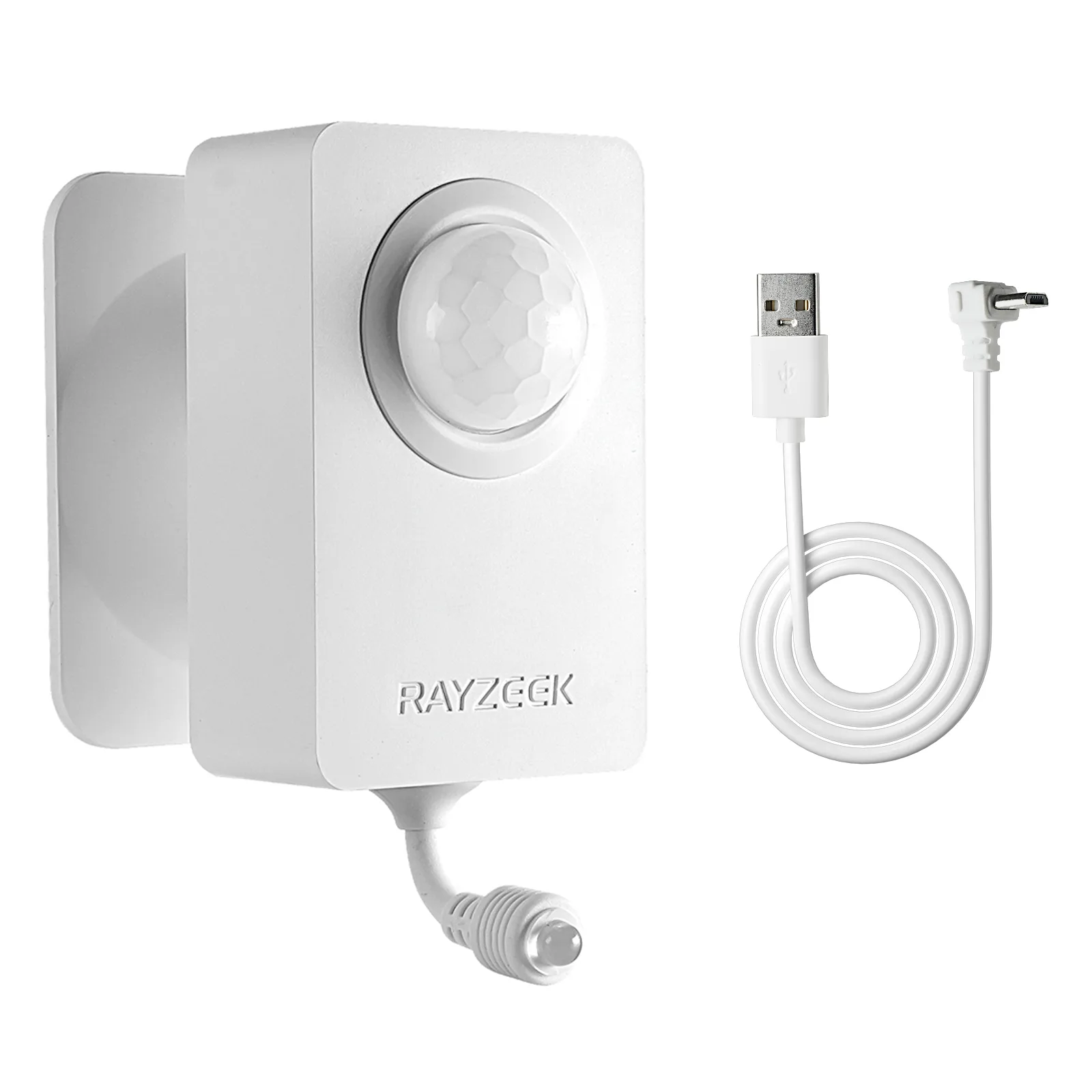
- Tensão: 2x Pilhas AAA / 5V DC (Micro USB)
- Modo Dia/Noite
- Atraso de tempo: 15min, 30min, 1h(padrão), 2h
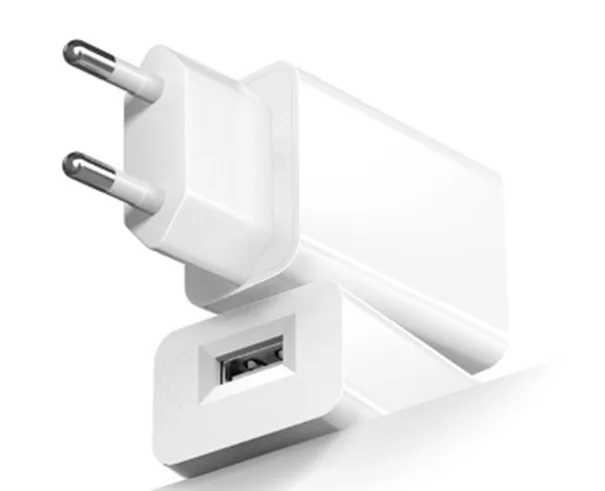
- Adaptador de energia com plugue EU
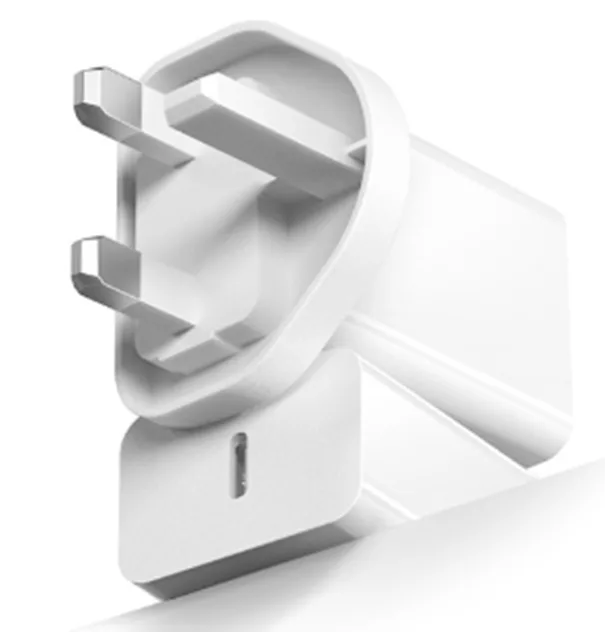
- Adaptador de energia com plugue UK
Os materiais usados na junção PN determinam o comprimento de onda e a cor da luz emitida. Diferentes combinações de semicondutores do tipo P e N podem produzir várias cores de luz. Por exemplo, LEDs azuis geralmente utilizam um material de nitreto de gálio (GaN) para a região do tipo N e um nitreto de gálio dopado com magnésio (Mg-doped GaN) para a região do tipo P. A recombinação de elétrons e lacunas nesses materiais leva à emissão de luz azul.
Perguntas Frequentes
Qual é a Diferença Entre LED e Junção PN
Um LED e uma junção PN ambos consistem de uma junção PN, mas a diferença está no fato de que a junção PN de um LED é coberta com um material transparente. Essa cobertura serve para direcionar a luz emitida pela junção quando ela está polarizada em sentido direto.
O que Significa PN em Elétrica
Um diodo de junção P-N é um componente semicondutor fundamental que regula o movimento de corrente elétrica dentro de um circuito. Ele consiste em um lado positivo (p) e um lado negativo (n).


