
O que é PN Junction
Uma junção PN é um componente fundamental, especificamente no funcionamento de luzes LED. Refere-se à junção formada entre um semicondutor de tipo P e um semicondutor de tipo N. Nesta junção, o semicondutor de tipo P contém um excesso de orifícios com carga positiva, enquanto o semicondutor de tipo N tem um excesso de electrões com carga negativa. Quando uma corrente passa pela junção PN, os electrões da região do tipo N são empurrados para a região do tipo P, onde se recombinam com os buracos. Este processo de recombinação liberta energia sob a forma de luz, resultando na emissão de fotões.
Talvez esteja interessado em

- Sensor de presença PIR para montagem no teto com saída de relé de contacto seco
- Alimentação de baixa tensão de 12/24VDC ou 12/24VAC
- Contactos de relé isolados COM, NO e NC para entradas de EMS, HVAC e controlo de edifícios

- Interruptor com sensor de movimento por micro-ondas de encastrar no teto de baixa tensão DC
- Entrada de 12 VDC / 24 VDC com intervalo de 10-30 VDC
- Corrente máxima de trabalho de 10A com temporização, limiar de Lux e sensibilidade ajustáveis
- Interruptor com sensor de movimento por micro-ondas de encastrar no teto para cargas mais elevadas
- Entrada de tensão de rede de 100-265 VAC, modelo de 10A
- Deteção por micro-ondas de 5,8 GHz com temporização, limiar de Lux e sensibilidade ajustáveis
- Interruptor com sensor de movimento por micro-ondas de encastrar no teto
- Entrada de tensão de rede de 100-265 VAC, modelo de 5A
- Deteção por micro-ondas de 5,8 GHz com temporização, limiar de Lux e sensibilidade ajustáveis
- Regulador de intensidade com sensor de presença PIR RZ037 para montagem no teto para alimentação de 220V
- Corrente máxima de trabalho de 3A com carga nominal de 660W
- O botão LUX controla o LIGADO/DESLIGADO do sensor de luz e a regulação da luminosidade definida pelo utilizador
- Regulador com sensor de presença PIR RZ037 para teto para alimentação de 110V
- Corrente de funcionamento máxima de 3A com carga nominal de 330W
- O botão LUX controla o LIGADO/DESLIGADO do sensor de luz e a regulação da luminosidade definida pelo utilizador

- Interruptor com sensor de movimento por micro-ondas de teto CC de baixa tensão
- Entrada de 12 VDC / 24 VDC com intervalo de 10-30 VDC
- Corrente máxima de trabalho de 10A com temporização, limiar de Lux e sensibilidade ajustáveis
- Interruptor com sensor de movimento por micro-ondas de teto para maior carga
- Entrada de tensão de rede de 100-265 VAC, modelo de 10A
- Deteção por micro-ondas de 5,8 GHz com temporização, limiar de Lux e sensibilidade ajustáveis
- Interruptor com sensor de movimento por micro-ondas de teto
- Entrada de tensão de rede de 100-265 VAC, modelo de 5A
- Deteção por micro-ondas de 5,8 GHz com temporização, limiar de Lux e sensibilidade ajustáveis

- Interruptor com sensor de movimento PIR de encastrar no teto CC de baixa tensão
- Entrada de 12 VDC / 24 VDC com intervalo de 10-30 VDC
- Corrente de funcionamento máxima de 10A com temporização, limiar de Lux e sensibilidade ajustáveis

- Interruptor com sensor de movimento PIR de encastrar no teto para maior carga
- Entrada de tensão de rede de 100-265 VAC, modelo de 10A
- Deteção de 360 graus com temporização, limiar de Lux e sensibilidade ajustáveis
- Interruptor com sensor de movimento PIR de encastrar no teto
- Entrada de tensão de rede de 100-265 VAC, modelo de 5A
- Deteção de 360 graus com temporização, limiar de Lux e sensibilidade ajustáveis

- Kit de recetor e interruptor sem fios para controlo de iluminação LIGAR/DESLIGAR no interior
- Recetor de 100-230VAC, 50/60Hz com corrente nominal de 5A
- Interruptor sem fios alimentado por CR2032 com comunicação de 2,4GHz
- Presença (Auto-LIGAR/Auto-DESLIGAR)
- 12–24V DC (10–30VDC), até 10A
- Cobertura de 360°, diâmetro de 8–12 m
- Atraso de tempo 15 s–30 min
- Sensor de luz Desligado/15/25/35 Lux
- Alta/Baixa sensibilidade
- Modo de ocupação Auto-ON/Auto-OFF
- 100–265V CA, 10A (neutro necessário)
- Cobrimento de 360°; diâmetro de detecção de 8–12 m
- Atraso de tempo 15 s–30 min; Lux DESL/15/25/35; Sensibilidade Alta/Baixa
- Modo de ocupação Auto-ON/Auto-OFF
- 100–265V AC, 5A (necessário neutro)
- Cobrimento de 360°; diâmetro de detecção de 8–12 m
- Atraso de tempo 15 s–30 min; Lux DESL/15/25/35; Sensibilidade Alta/Baixa

- 100V-230VAC
- Distância de Transmissão: até 20m
- Sensor de movimento sem fio
- Controle com fiação
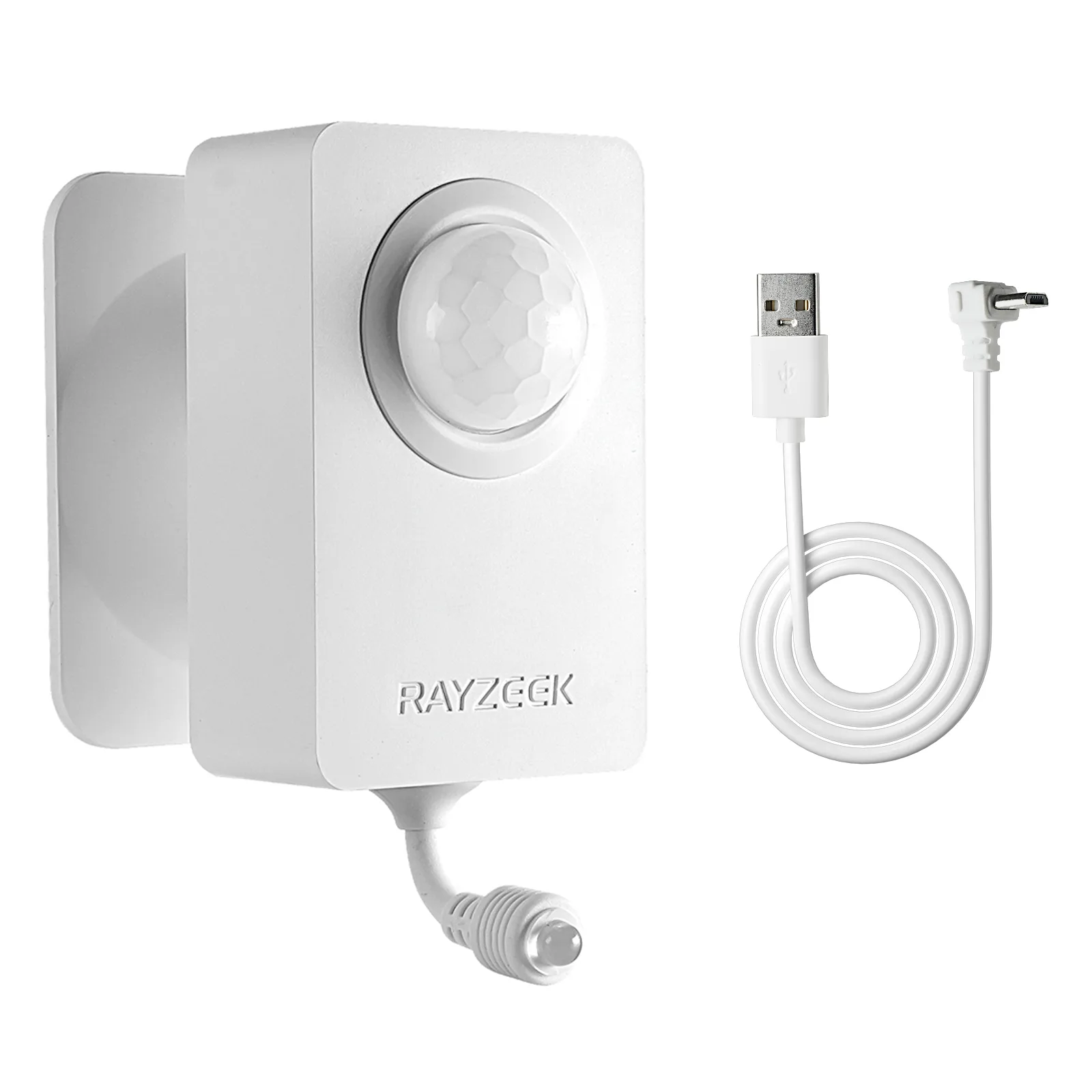
- Voltagem: 2x Pilhas AAA / 5V DC (Micro USB)
- Modo dia/noite
- Tempo de atraso: 15min, 30min, 1h (predefinição), 2h
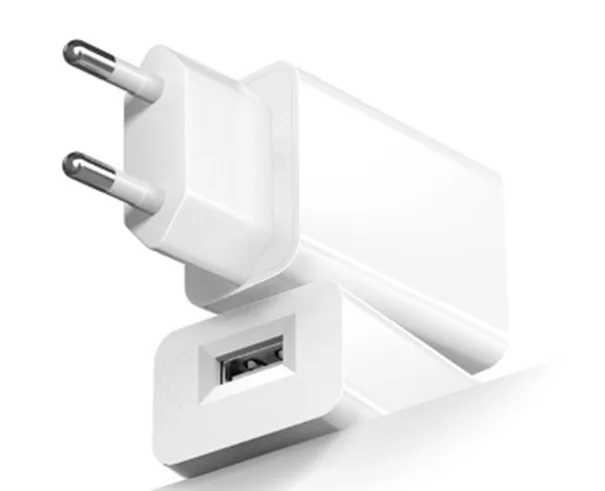
- Adaptador de alimentação com ficha da UE
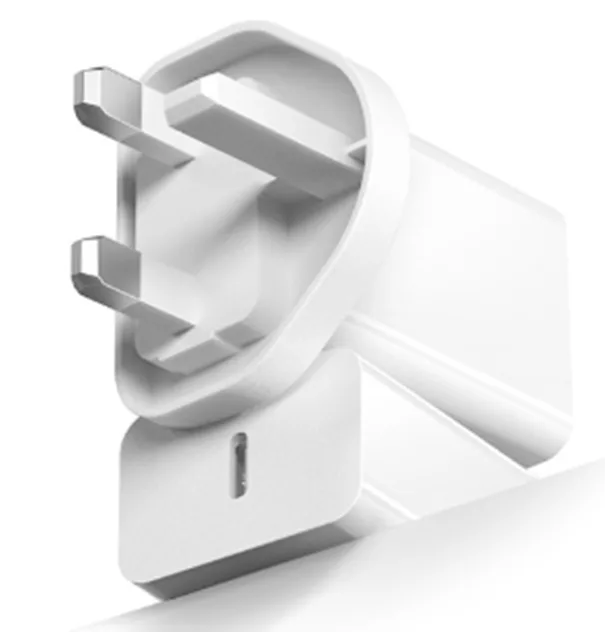
- Adaptador de alimentação com ficha do Reino Unido
Os materiais utilizados na junção PN determinam o comprimento de onda e a cor da luz emitida. Diferentes combinações de semicondutores do tipo P e do tipo N podem produzir várias cores de luz. Por exemplo, os LED azuis utilizam normalmente um material de nitreto de gálio (GaN) para a região de tipo N e um material de nitreto de gálio dopado com magnésio (GaN dopado com Mg) para a região de tipo P. A recombinação de electrões e buracos nestes materiais leva à emissão de luz azul.
Perguntas Frequentes
Qual é a diferença entre LED e PN Junction?
Um LED e uma junção PN são ambos constituídos por uma junção PN, mas a diferença reside no facto de a junção PN de um LED estar coberta por um material transparente. Esta cobertura serve para direcionar a luz emitida pela junção quando esta é polarizada para a frente.
O que significa PN em eletricidade?
Um díodo de junção P-N é um componente semicondutor fundamental que regula o movimento da corrente eléctrica num circuito. É constituído por um lado positivo (p) e um lado negativo (n).


