
Qué es una batería de reserva de emergencia
La batería de reserva de emergencia es una función que se suele encontrar en las luminarias y que garantiza un funcionamiento continuo durante los cortes o fallos en el suministro eléctrico. Cuando un edificio se queda sin suministro eléctrico, las luminarias equipadas con esta función pasan al modo de emergencia, utilizando baterías de reserva para iluminar las zonas de seguridad, las vías de evacuación y los equipos de seguridad. Estas baterías de reserva están diseñadas para alimentar las luces de emergencia, las señales de salida, o ambas, durante un mínimo de 90 minutos.
Tal vez le interese

- Sensor de presencia PIR para montaje en techo con salida de relé de contacto seco
- Alimentación de baja tensión de 12/24 VCC o 12/24 VCA
- Contactos de relé aislados COM, NO y NC para entradas de EMS, HVAC y control de edificios

- Interruptor con sensor de movimiento por microondas encastrable en techo de baja tensión CC
- Entrada de 12 VCC / 24 VCC con rango de 10-30 VCC
- Corriente máxima de trabajo de 10 A con temporización, umbral Lux y sensibilidad ajustables
- Interruptor con sensor de movimiento por microondas encastrable en techo para mayor carga
- Entrada de tensión de red de 100-265 VCA, modelo de 10 A
- Detección por microondas de 5,8 GHz con temporización, umbral Lux y sensibilidad ajustables
- Interruptor con sensor de movimiento por microondas encastrable en techo
- Entrada de tensión de red de 100-265 VCA, modelo de 5 A
- Detección por microondas de 5,8 GHz con temporización, umbral Lux y sensibilidad ajustables
- Regulador con sensor de presencia PIR RZ037 para montaje en techo para alimentación de 220 V
- Corriente de trabajo máxima de 3 A con carga nominal de 660 W
- El botón LUX controla el encendido/apagado del sensor de luz y el brillo de regulación ajustado por el usuario
- Atenuador con sensor de ocupación PIR de techo RZ037 para alimentación de 110V
- Corriente máxima de funcionamiento de 3A con carga nominal de 330W
- El botón LUX controla el encendido/apagado del sensor de luz y el brillo de regulación ajustado por el usuario

- Interruptor con sensor de movimiento por microondas de techo de CC de bajo voltaje
- Entrada de 12 VCC / 24 VCC con rango de 10-30 VCC
- Corriente máxima de trabajo de 10 A con temporización, umbral Lux y sensibilidad ajustables
- Interruptor con sensor de movimiento por microondas de techo para mayor carga
- Entrada de tensión de red de 100-265 VCA, modelo de 10 A
- Detección por microondas de 5,8 GHz con temporización, umbral Lux y sensibilidad ajustables
- Interruptor con sensor de movimiento por microondas de techo
- Entrada de tensión de red de 100-265 VCA, modelo de 5 A
- Detección por microondas de 5,8 GHz con temporización, umbral Lux y sensibilidad ajustables

- Interruptor con sensor de movimiento PIR empotrable de techo de CC de bajo voltaje
- Entrada de 12 VCC / 24 VCC con rango de 10-30 VCC
- Corriente de trabajo máxima de 10A con tiempo de retardo, umbral de Lux y sensibilidad ajustables

- Interruptor con sensor de movimiento PIR empotrable de techo para mayor carga
- Entrada de tensión de red de 100-265 VCA, modelo de 10 A
- Detección de 360 grados con tiempo de retardo, umbral de Lux y sensibilidad ajustables
- Interruptor con sensor de movimiento PIR empotrable de techo
- Entrada de tensión de red de 100-265 VCA, modelo de 5 A
- Detección de 360 grados con tiempo de retardo, umbral de Lux y sensibilidad ajustables

- Kit de interruptor inalámbrico y receptor para control de iluminación interior ON/OFF
- Receptor de 100-230VAC, 50/60Hz con corriente nominal de 5A
- Interruptor inalámbrico alimentado por CR2032 con comunicación de 2.4GHz
- Ocupación (Encendido automático/Apagado automático)
- 12–24V DC (10–30VDC), hasta 10A
- Cobertura de 360°, diámetro de 8–12 m
- Retardo de tiempo 15 s–30 min
- Sensor de luz Apagado/15/25/35 Lux
- Alta/Baja sensibilidad
- Modo de ocupación Auto-ON/Auto-OFF
- 100–265V CA, 10A (se requiere neutro)
- Cobertura de 360°; diámetro de detección de 8–12 m
- Retardo de tiempo 15 s–30 min; Lux APAGADO/15/25/35; Sensibilidad Alta/Baja
- Modo de ocupación Auto-ON/Auto-OFF
- 100–265V AC, 5A (se requiere neutro)
- Cobertura de 360°; diámetro de detección de 8–12 m
- Retardo de tiempo 15 s–30 min; Lux APAGADO/15/25/35; Sensibilidad Alta/Baja

- 100V-230VAC
- Distancia de transmisión: hasta 20m
- Sensor de movimiento inalámbrico
- Control cableado
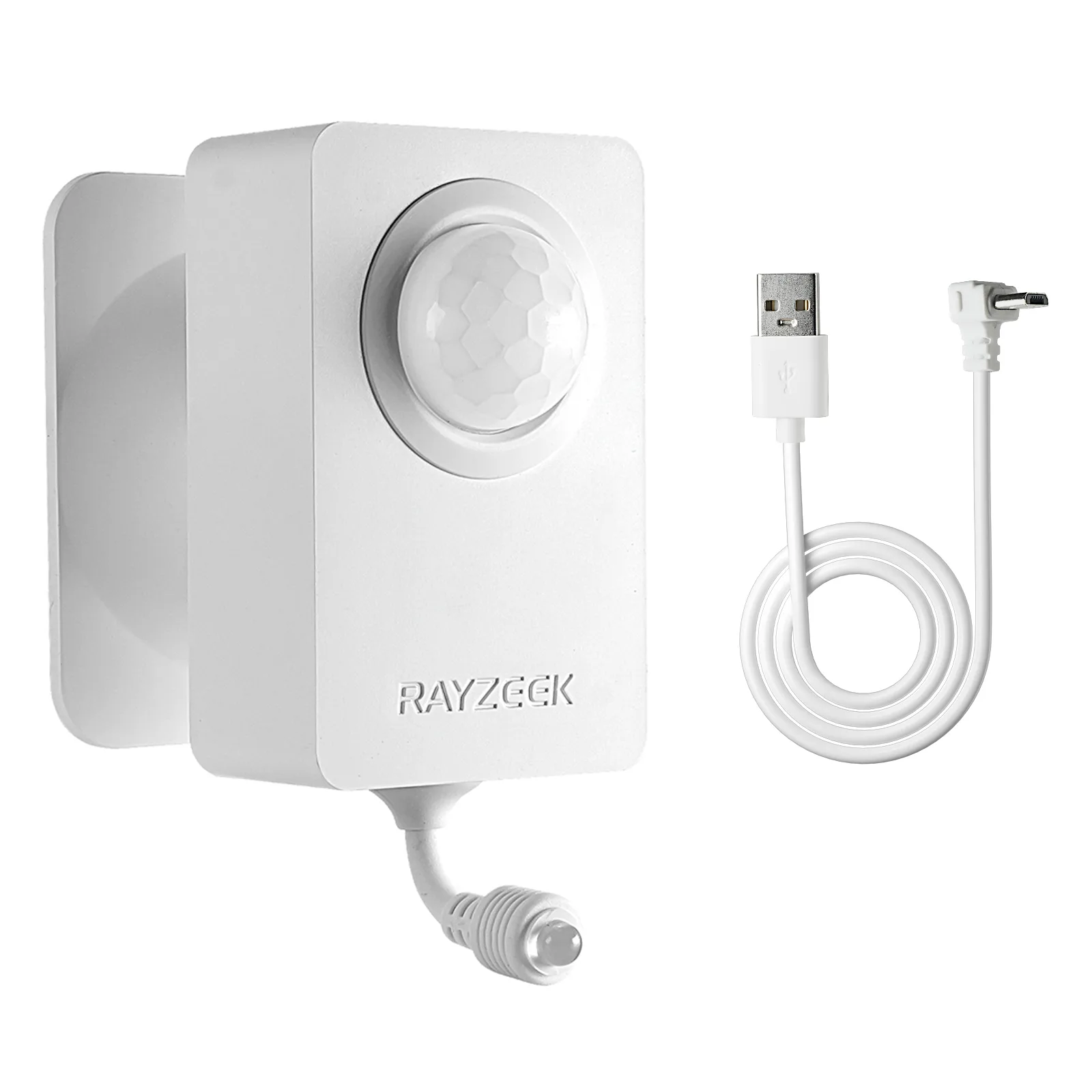
- Voltaje: 2 pilas AAA / 5 V CC (Micro USB)
- Modo Día/Noche
- Tiempo de retardo: 15min, 30min, 1h(por defecto), 2h
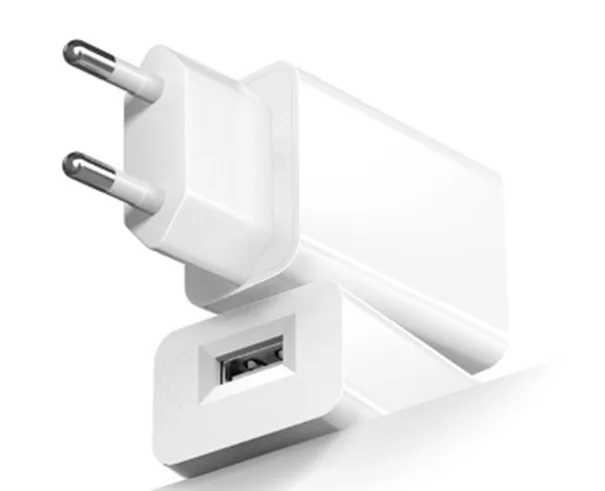
- Adaptador de corriente con enchufe europeo
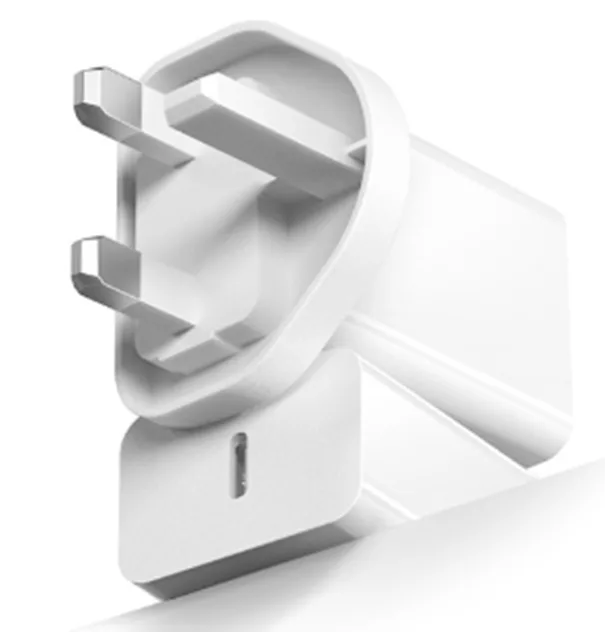
- Adaptador de corriente con enchufe del Reino Unido
Las luces de emergencia con batería de reserva no sólo son cruciales para la seguridad de los edificios, sino que también son necesarias para cumplir con ordenanzas municipales y UL en Norteamérica. Son especialmente necesarias en edificios privados y comerciales, donde las señales de salida que funcionan con pilas son obligatorias desde hace muchos años. Estas luminarias están disponibles en varias opciones para adaptarse a distintos entornos, incluidas condiciones duras o húmedas.


