

Qué es Edge-Lit LED
En LED de iluminación lateral es un tipo de pantalla retroiluminada por LED que utiliza bombillas situadas a lo largo de los bordes de la pantalla para iluminarla. Este diseño permite obtener una pantalla elegante y delgada, ya que los LED no están directamente detrás de la pantalla, sino situados alrededor de su perímetro. La principal característica de los LED con iluminación en los bordes es el uso de guías de luzque ayudan a distribuir uniformemente la luz emitida por las bombillas por toda la pantalla. Estas guías de luz garantizan un brillo uniforme y evitan las zonas de iluminación irregular, lo que se traduce en una experiencia de visualización más uniforme. Al colocar los LED a lo largo de los bordes de la pantalla, la luz se dirige hacia el centro, creando un efecto más apagado en comparación con otros métodos de retroiluminación. Esta elección de diseño también permite pantallas más delgadas y una mejor capacidad de refrigeración.
Tal vez le interese

- Ceiling-mounted PIR occupancy sensor with dry-contact relay output
- 12/24VDC or 12/24VAC low-voltage supply
- COM, NO, and NC isolated relay contacts for EMS, HVAC, and building control inputs

- Low-voltage DC recessed ceiling-mounted microwave motion sensor switch
- 12 VDC / 24 VDC input with 10-30 VDC range
- 10A max work current with adjustable time delay, Lux threshold, and sensitivity
- Higher-load recessed ceiling-mounted microwave motion sensor switch
- 100-265 VAC line-voltage input, 10A model
- 5.8 GHz microwave sensing with adjustable time delay, Lux threshold, and sensitivity
- Recessed ceiling-mounted microwave motion sensor switch
- 100-265 VAC line-voltage input, 5A model
- 5.8 GHz microwave sensing with adjustable time delay, Lux threshold, and sensitivity
- Ceiling-mounted RZ037 PIR occupancy sensor dimmer for 220V power
- 3A maximum working current with 660W rated load
- LUX button controls light-sensor ON/OFF and user-set dimming brightness
- Ceiling-mounted RZ037 PIR occupancy sensor dimmer for 110V power
- 3A maximum working current with 330W rated load
- LUX button controls light-sensor ON/OFF and user-set dimming brightness

- Low-voltage DC ceiling-mounted microwave motion sensor switch
- 12 VDC / 24 VDC input with 10-30 VDC range
- 10A max work current with adjustable time delay, Lux threshold, and sensitivity
- Higher-load ceiling-mounted microwave motion sensor switch
- 100-265 VAC line-voltage input, 10A model
- 5.8 GHz microwave sensing with adjustable time delay, Lux threshold, and sensitivity
- Ceiling-mounted microwave motion sensor switch
- 100-265 VAC line-voltage input, 5A model
- 5.8 GHz microwave sensing with adjustable time delay, Lux threshold, and sensitivity

- Low-voltage DC recessed ceiling mount PIR motion sensor switch
- 12 VDC / 24 VDC input with 10-30 VDC range
- Max work current 10A with adjustable time delay, Lux threshold, and sensitivity

- Higher-load recessed ceiling mount PIR motion sensor switch
- 100-265 VAC line-voltage input, 10A model
- 360-degree detection with adjustable time delay, Lux threshold, and sensitivity
- Recessed ceiling mount PIR motion sensor switch
- 100-265 VAC line-voltage input, 5A model
- 360-degree detection with adjustable time delay, Lux threshold, and sensitivity

- Wireless switch and receiver kit for indoor ON/OFF lighting control
- 100-230VAC, 50/60Hz receiver with 5A rated current
- CR2032-powered wireless switch with 2.4GHz communication
- Ocupación (Encendido automático/Apagado automático)
- 12–24V DC (10–30VDC), hasta 10A
- Cobertura de 360°, diámetro de 8–12 m
- Retardo de tiempo 15 s–30 min
- Sensor de luz Apagado/15/25/35 Lux
- Alta/Baja sensibilidad
- Modo de ocupación Auto-ON/Auto-OFF
- 100–265V CA, 10A (se requiere neutro)
- Cobertura de 360°; diámetro de detección de 8–12 m
- Retardo de tiempo 15 s–30 min; Lux APAGADO/15/25/35; Sensibilidad Alta/Baja
- Modo de ocupación Auto-ON/Auto-OFF
- 100–265V AC, 5A (se requiere neutro)
- Cobertura de 360°; diámetro de detección de 8–12 m
- Retardo de tiempo 15 s–30 min; Lux APAGADO/15/25/35; Sensibilidad Alta/Baja

- 100V-230VAC
- Distancia de transmisión: hasta 20m
- Sensor de movimiento inalámbrico
- Control cableado
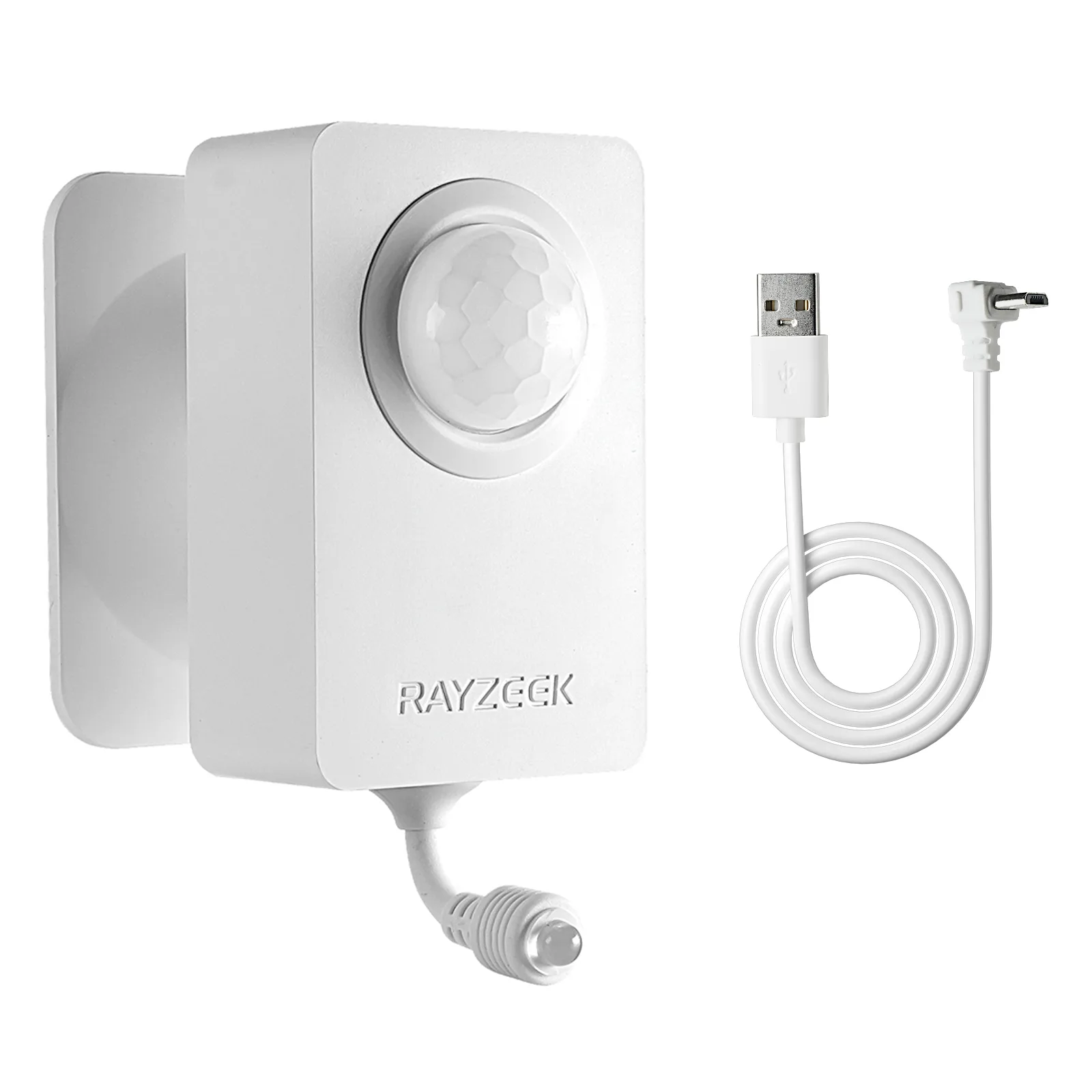
- Voltaje: 2 pilas AAA / 5 V CC (Micro USB)
- Modo Día/Noche
- Tiempo de retardo: 15min, 30min, 1h(por defecto), 2h
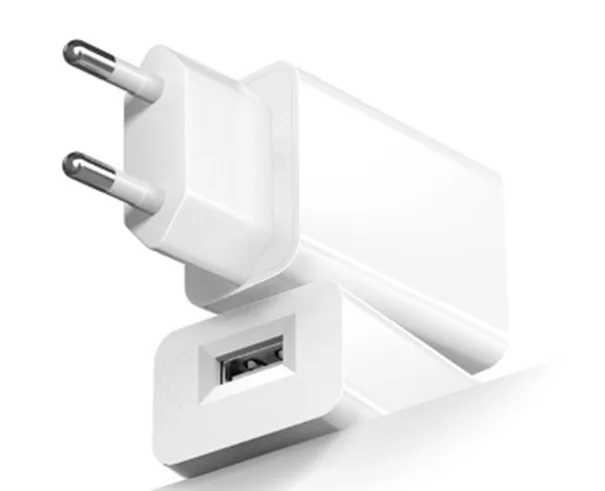
- Adaptador de corriente con enchufe europeo
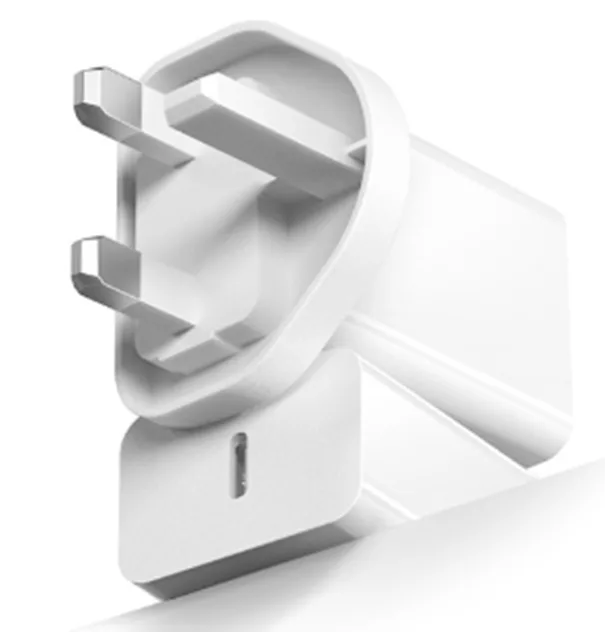
- Adaptador de corriente con enchufe del Reino Unido
Preguntas frecuentes
Qué bombilla LED da más luz
Por tanto, si comparamos una bombilla LED de 30 vatios con una bombilla incandescente de 30 vatios, la bombilla LED proporcionará mucha más luz o brillo. De hecho, una bombilla LED de 60 vatios puede ser tan brillante que podría cegarle. Por eso utilizamos los lúmenes como medida de la luminosidad de los LED.
Cuándo no utilizar LED
Las bombillas LED no deben utilizarse en instalaciones cerradas que no proporcionen una ventilación adecuada. Esto se debe a que la falta de ventilación puede provocar un sobrecalentamiento, lo que puede reducir significativamente la vida útil de la bombilla. Es importante tener en cuenta que algunas bombillas LED vienen con instrucciones que desaconsejan su uso en ventiladores de techo o porches cerrados.


