

Che cos'è l'Edge-Lit LED
Un LED illuminato ai bordi è un tipo di display o schermo retroilluminato a LED che utilizza lampadine posizionate lungo i bordi dello schermo per fornire illuminazione. Questo design consente di ottenere un display elegante e sottile, in quanto i LED non sono posizionati direttamente dietro lo schermo, ma piuttosto lungo il suo perimetro. La caratteristica principale dei LED illuminati ai bordi è l'uso di guide luminoseche aiutano a distribuire uniformemente la luce emessa dalle lampadine sull'intero schermo. Queste guide luminose assicurano una luminosità uniforme e prevengono le aree di illuminazione non omogenea, garantendo un'esperienza visiva più coerente. Posizionando i LED lungo i bordi dello schermo, la luce viene diretta verso il centro, creando un effetto più attenuato rispetto ad altri metodi di retroilluminazione. Questa scelta progettuale consente inoltre di ottenere display più sottili e migliori capacità di raffreddamento.
Forse siete interessati a

- Sensore di presenza PIR da soffitto con uscita relè a contatto pulito
- Alimentazione a bassa tensione 12/24VDC o 12/24VAC
- Contatti relè isolati COM, NO e NC per ingressi EMS, HVAC e di controllo degli edifici

- Interruttore sensore di movimento a microonde da incasso a soffitto a bassa tensione DC
- Ingresso 12 VDC / 24 VDC con intervallo 10-30 VDC
- Corrente di lavoro massima di 10A con ritardo temporale, soglia Lux e sensibilità regolabili
- Interruttore sensore di movimento a microonde da incasso a soffitto per carichi più elevati
- Ingresso a tensione di rete 100-265 VAC, modello da 10A
- Rilevamento a microonde a 5.8 GHz con ritardo temporale, soglia Lux e sensibilità regolabili
- Interruttore sensore di movimento a microonde da incasso a soffitto
- Ingresso a tensione di rete 100-265 VAC, modello da 5A
- Rilevamento a microonde a 5.8 GHz con ritardo temporale, soglia Lux e sensibilità regolabili
- Dimmer sensore di presenza PIR da soffitto RZ037 per alimentazione a 220V
- Corrente di lavoro massima di 3A con carico nominale di 660W
- Il pulsante LUX controlla l'ON/OFF del sensore di luce e la luminosità di attenuazione impostata dall'utente
- Dimmer con sensore di presenza PIR da soffitto RZ037 per alimentazione a 110 V
- Corrente di lavoro massima di 3 A con carico nominale di 330 W
- Il pulsante LUX controlla l'ON/OFF del sensore di luce e la luminosità di attenuazione impostata dall'utente

- Interruttore con sensore di movimento a microonde da soffitto a bassa tensione CC
- Ingresso 12 VDC / 24 VDC con intervallo 10-30 VDC
- Corrente di lavoro massima di 10A con ritardo temporale, soglia Lux e sensibilità regolabili
- Interruttore con sensore di movimento a microonde da soffitto per carichi più elevati
- Ingresso a tensione di rete 100-265 VAC, modello da 10A
- Rilevamento a microonde a 5.8 GHz con ritardo temporale, soglia Lux e sensibilità regolabili
- Interruttore con sensore di movimento a microonde da soffitto
- Ingresso a tensione di rete 100-265 VAC, modello da 5A
- Rilevamento a microonde a 5.8 GHz con ritardo temporale, soglia Lux e sensibilità regolabili

- Interruttore con sensore di movimento PIR da incasso a soffitto a bassa tensione CC
- Ingresso 12 VDC / 24 VDC con intervallo 10-30 VDC
- Corrente massima di lavoro di 10 A con ritardo spegnimento, soglia Lux e sensibilità regolabili

- Interruttore con sensore di movimento PIR da incasso a soffitto per carichi più elevati
- Ingresso a tensione di rete 100-265 VAC, modello da 10A
- Rilevamento a 360 gradi con ritardo spegnimento, soglia Lux e sensibilità regolabili
- Interruttore con sensore di movimento PIR da incasso a soffitto
- Ingresso a tensione di rete 100-265 VAC, modello da 5A
- Rilevamento a 360 gradi con ritardo spegnimento, soglia Lux e sensibilità regolabili

- Kit interruttore wireless e ricevitore per il controllo dell'illuminazione ON/OFF da interno
- Ricevitore 100-230 VAC, 50/60 Hz con corrente nominale di 5 A
- Interruttore wireless alimentato da CR2032 con comunicazione a 2,4 GHz
- Occupazione (Auto-ON/Auto-OFF)
- 12–24V DC (10–30VDC), fino a 10A
- Copertura a 360°, diametro 8–12 m
- Ritardo temporale 15 s–30 min
- Sensore di luce Spento/15/25/35 Lux
- Sensibilità Alta/Bassa
- Modalità di occupazione Auto-ON/Auto-OFF
- 100–265V CA, 10A (neutro richiesto)
- Copertura di 360°; diametro di rilevamento 8–12 m
- Ritardo temporale 15 s–30 min; Lux SPENTO/15/25/35; Sensibilità Alta/Bassa
- Modalità di occupazione Auto-ON/Auto-OFF
- 100–265V AC, 5A (fase neutra richiesta)
- Copertura di 360°; diametro di rilevamento 8–12 m
- Ritardo temporale 15 s–30 min; Lux SPENTO/15/25/35; Sensibilità Alta/Bassa

- 100V-230VAC
- Distanza di trasmissione: fino a 20m
- Sensore di movimento wireless
- Controllo cablato
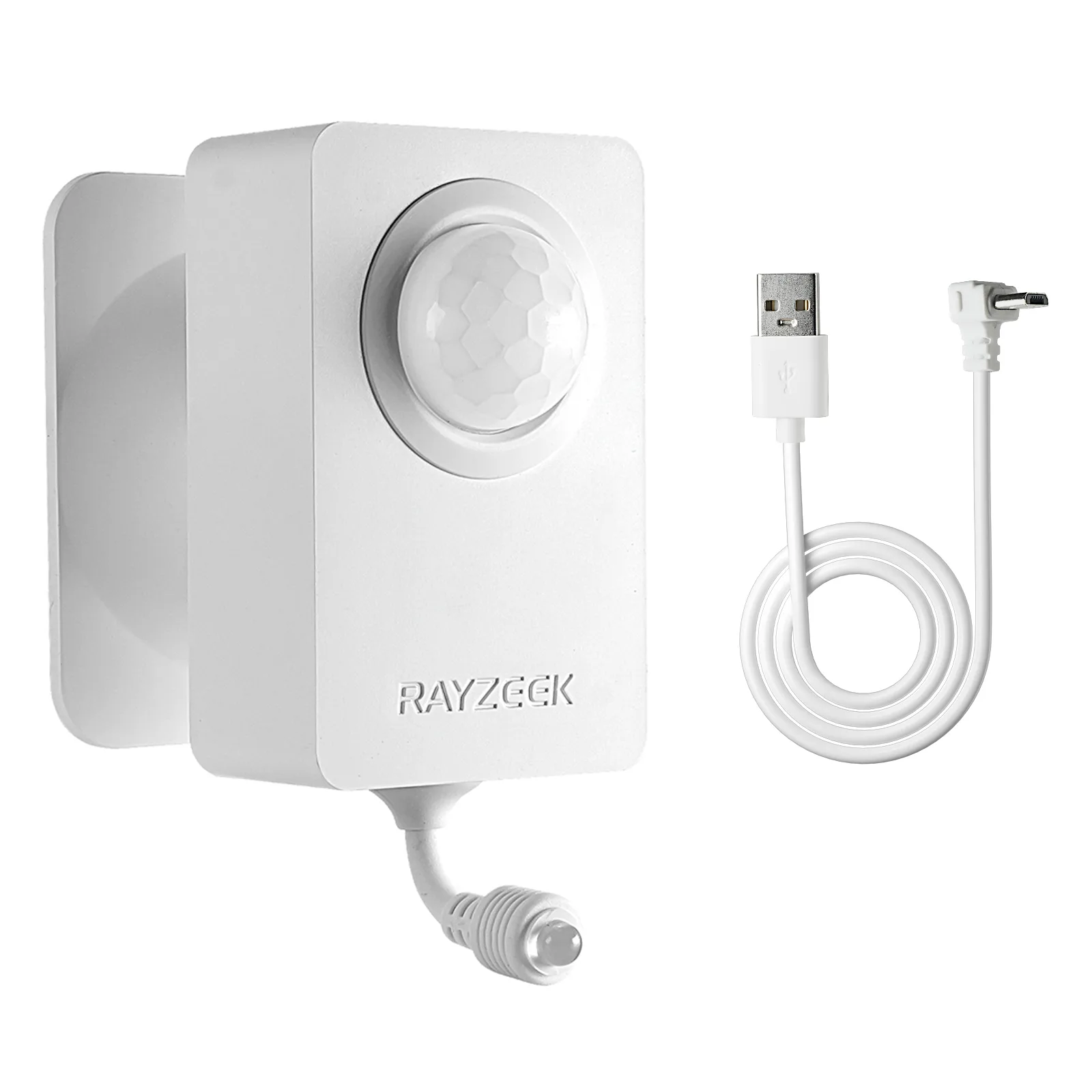
- Voltaggio: 2 batterie AAA / 5 V CC (Micro USB)
- Modalità giorno/notte
- Ritardo: 15min, 30min, 1h (default), 2h
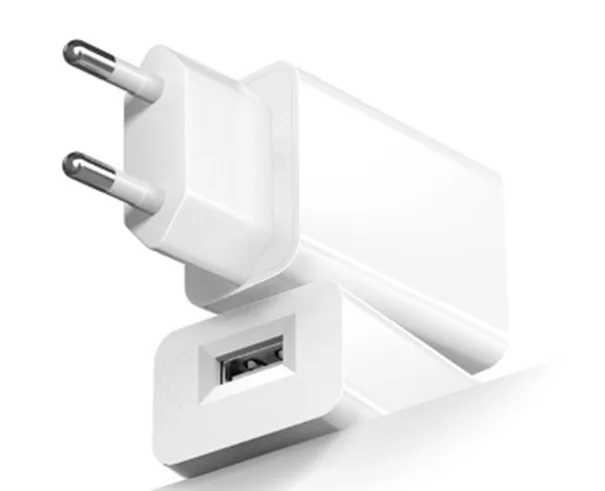
- Adattatore di alimentazione con spina EU
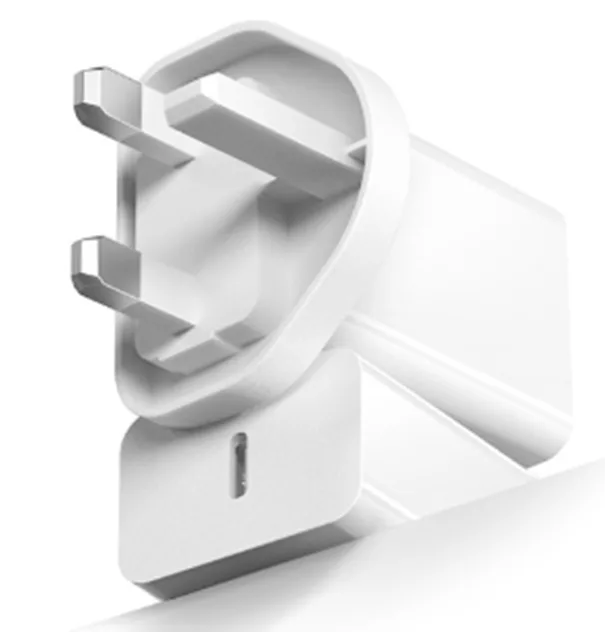
- Adattatore di alimentazione con spina UK
Domande frequenti
Quale lampadina LED fa più luce
Quindi, se si confronta una lampadina a LED da 30 watt con una lampadina a incandescenza da 30 watt, la lampadina a LED fornirà una luce o una luminosità significativamente maggiore. In effetti, una lampadina LED da 60 watt può essere così luminosa da accecare. Per questo motivo utilizziamo i lumen come misura della luminosità dei LED.
Quando non usare i LED
Le lampadine a LED non dovrebbero essere utilizzate in apparecchi chiusi che non garantiscono un'adeguata ventilazione. Questo perché la mancanza di ventilazione può portare a un surriscaldamento che può ridurre significativamente la durata della lampadina. È importante notare che alcune lampadine a LED sono accompagnate da istruzioni che ne sconsigliano l'uso nei ventilatori da soffitto o nelle lampade da veranda completamente chiuse.


