
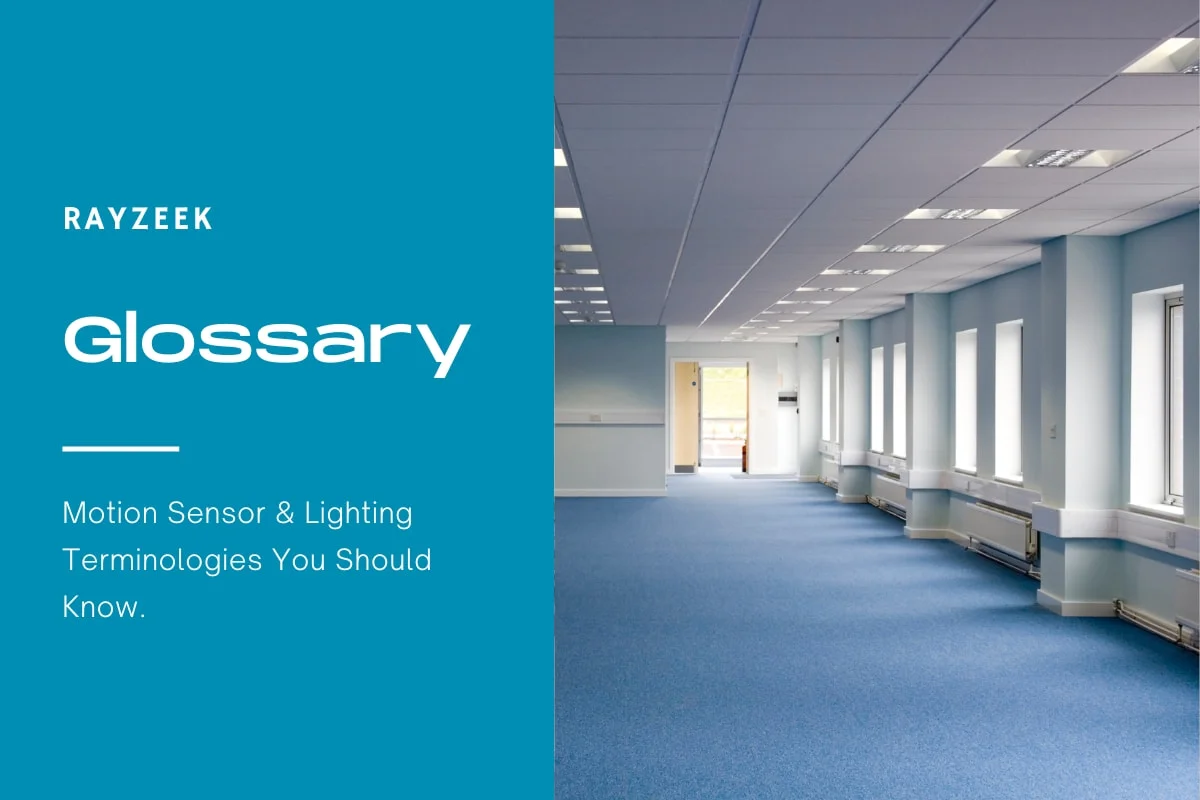
Qué es el factor de utilización de salas
El factor de utilización de la sala es el porcentaje de luz real que llega a la superficie de una sala. Es una medida de la eficacia con la que el sistema de iluminación ilumina la zona prevista. En el factor de utilización influyen varios factores de la sala, como su tamaño y los componentes presentes. Un aspecto clave que afecta al factor de utilización es el tamaño de la habitación. Las habitaciones más grandes tienden a tener un factor de utilización más bajo para cada fuente de luz. Esto significa que puede ser necesario un mayor número de luces para alcanzar el nivel de iluminación deseado. Además, el brillo de cada fuente de luz debe considerarse en relación con el tamaño de la sala para garantizar iluminación adecuada. En el factor de utilización también influyen la finalidad y el contenido de la habitación. Diferentes tipos de espacios, como tiendas o edificios de oficinas, pueden requerir mayores niveles de luminosidad y más iluminación que las viviendas o los almacenes. El uso específico de la sala desempeña un papel importante a la hora de determinar el factor de utilización final.
Tal vez le interese

- Sensor de presencia PIR para montaje en techo con salida de relé de contacto seco
- Alimentación de baja tensión de 12/24 VCC o 12/24 VCA
- Contactos de relé aislados COM, NO y NC para entradas de EMS, HVAC y control de edificios

- Interruptor con sensor de movimiento por microondas encastrable en techo de baja tensión CC
- Entrada de 12 VCC / 24 VCC con rango de 10-30 VCC
- Corriente máxima de trabajo de 10 A con temporización, umbral Lux y sensibilidad ajustables
- Interruptor con sensor de movimiento por microondas encastrable en techo para mayor carga
- Entrada de tensión de red de 100-265 VCA, modelo de 10 A
- Detección por microondas de 5,8 GHz con temporización, umbral Lux y sensibilidad ajustables
- Interruptor con sensor de movimiento por microondas encastrable en techo
- Entrada de tensión de red de 100-265 VCA, modelo de 5 A
- Detección por microondas de 5,8 GHz con temporización, umbral Lux y sensibilidad ajustables
- Regulador con sensor de presencia PIR RZ037 para montaje en techo para alimentación de 220 V
- Corriente de trabajo máxima de 3 A con carga nominal de 660 W
- El botón LUX controla el encendido/apagado del sensor de luz y el brillo de regulación ajustado por el usuario
- Atenuador con sensor de ocupación PIR de techo RZ037 para alimentación de 110V
- Corriente máxima de funcionamiento de 3A con carga nominal de 330W
- El botón LUX controla el encendido/apagado del sensor de luz y el brillo de regulación ajustado por el usuario

- Interruptor con sensor de movimiento por microondas de techo de CC de bajo voltaje
- Entrada de 12 VCC / 24 VCC con rango de 10-30 VCC
- Corriente máxima de trabajo de 10 A con temporización, umbral Lux y sensibilidad ajustables
- Interruptor con sensor de movimiento por microondas de techo para mayor carga
- Entrada de tensión de red de 100-265 VCA, modelo de 10 A
- Detección por microondas de 5,8 GHz con temporización, umbral Lux y sensibilidad ajustables
- Interruptor con sensor de movimiento por microondas de techo
- Entrada de tensión de red de 100-265 VCA, modelo de 5 A
- Detección por microondas de 5,8 GHz con temporización, umbral Lux y sensibilidad ajustables

- Interruptor con sensor de movimiento PIR empotrable de techo de CC de bajo voltaje
- Entrada de 12 VCC / 24 VCC con rango de 10-30 VCC
- Corriente de trabajo máxima de 10A con tiempo de retardo, umbral de Lux y sensibilidad ajustables

- Interruptor con sensor de movimiento PIR empotrable de techo para mayor carga
- Entrada de tensión de red de 100-265 VCA, modelo de 10 A
- Detección de 360 grados con tiempo de retardo, umbral de Lux y sensibilidad ajustables
- Interruptor con sensor de movimiento PIR empotrable de techo
- Entrada de tensión de red de 100-265 VCA, modelo de 5 A
- Detección de 360 grados con tiempo de retardo, umbral de Lux y sensibilidad ajustables

- Kit de interruptor inalámbrico y receptor para control de iluminación interior ON/OFF
- Receptor de 100-230VAC, 50/60Hz con corriente nominal de 5A
- Interruptor inalámbrico alimentado por CR2032 con comunicación de 2.4GHz
- Ocupación (Encendido automático/Apagado automático)
- 12–24V DC (10–30VDC), hasta 10A
- Cobertura de 360°, diámetro de 8–12 m
- Retardo de tiempo 15 s–30 min
- Sensor de luz Apagado/15/25/35 Lux
- Alta/Baja sensibilidad
- Modo de ocupación Auto-ON/Auto-OFF
- 100–265V CA, 10A (se requiere neutro)
- Cobertura de 360°; diámetro de detección de 8–12 m
- Retardo de tiempo 15 s–30 min; Lux APAGADO/15/25/35; Sensibilidad Alta/Baja
- Modo de ocupación Auto-ON/Auto-OFF
- 100–265V AC, 5A (se requiere neutro)
- Cobertura de 360°; diámetro de detección de 8–12 m
- Retardo de tiempo 15 s–30 min; Lux APAGADO/15/25/35; Sensibilidad Alta/Baja

- 100V-230VAC
- Distancia de transmisión: hasta 20m
- Sensor de movimiento inalámbrico
- Control cableado
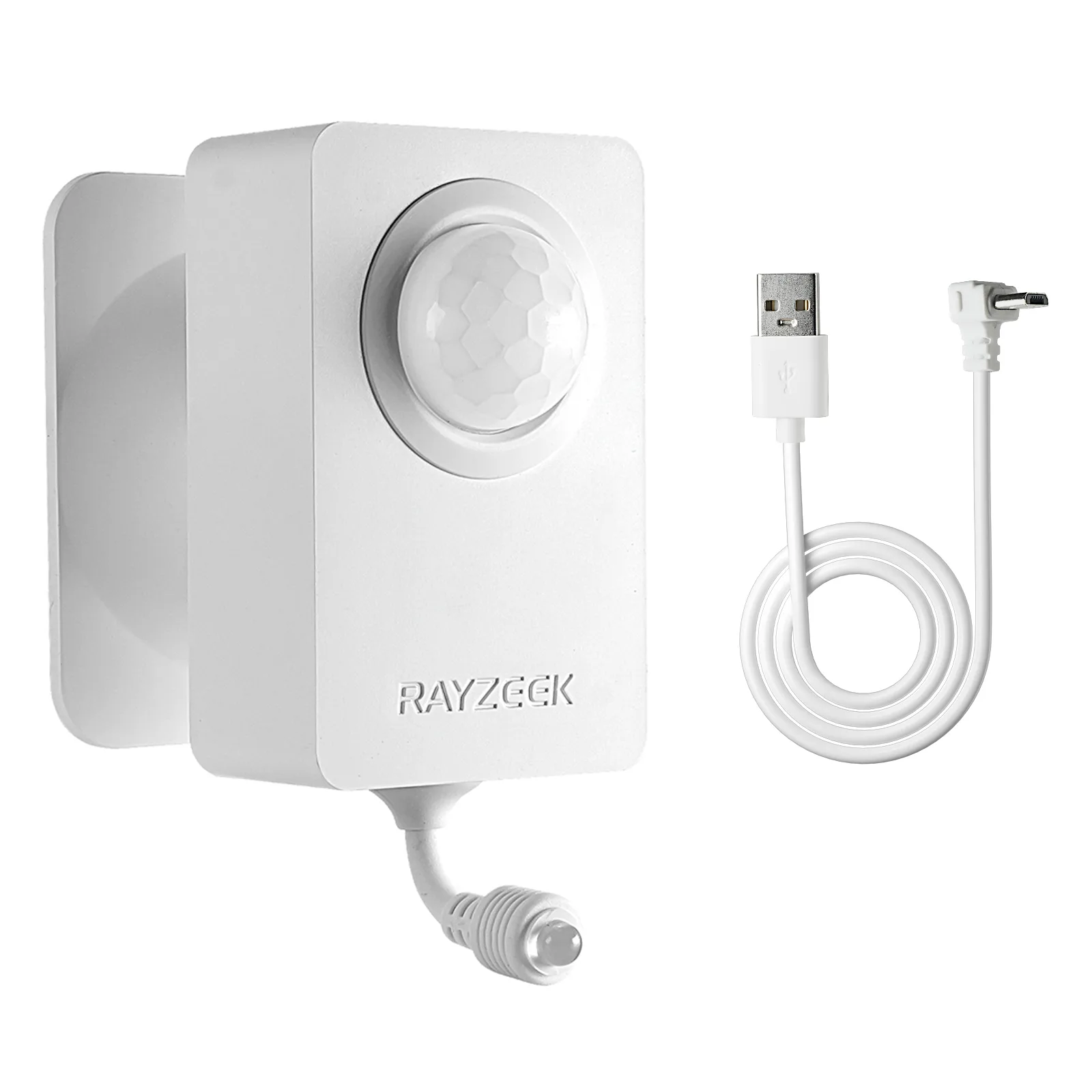
- Voltaje: 2 pilas AAA / 5 V CC (Micro USB)
- Modo Día/Noche
- Tiempo de retardo: 15min, 30min, 1h(por defecto), 2h
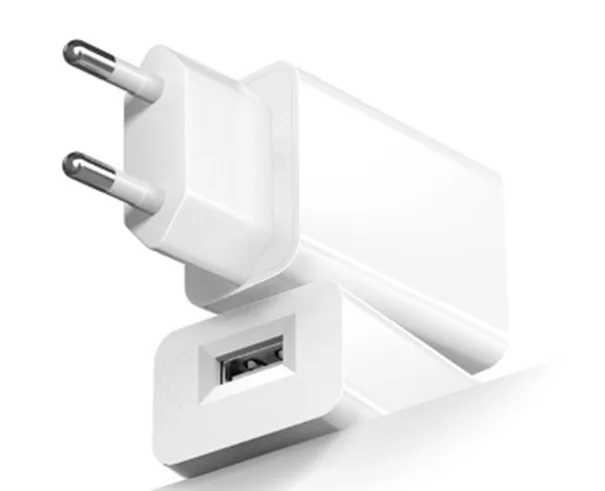
- Adaptador de corriente con enchufe europeo
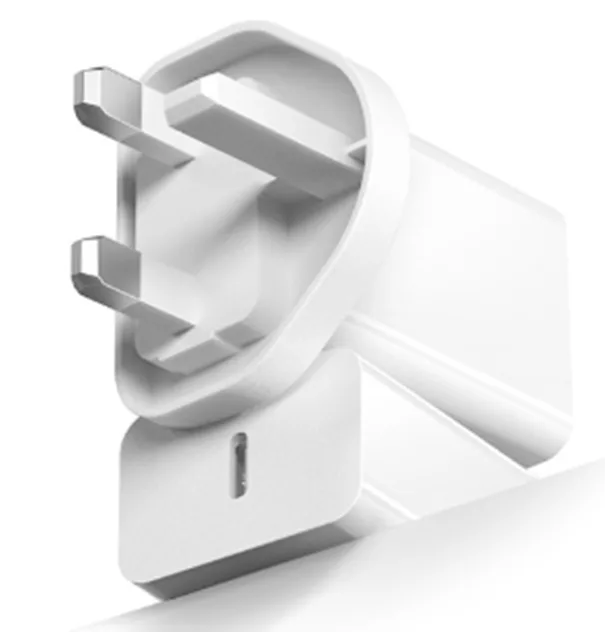
- Adaptador de corriente con enchufe del Reino Unido


