
Qué es la corriente
La corriente es el flujo de carga eléctrica a través de un conductor. Es una medida de la velocidad a la que se mueve la carga y suele expresarse en unidades de amperios (A). La corriente se genera por una diferencia de potencial, o tensión, que proporciona la fuerza motriz para el movimiento de los electrones.
Tal vez le interese

- Sensor de presencia PIR para montaje en techo con salida de relé de contacto seco
- Alimentación de baja tensión de 12/24 VCC o 12/24 VCA
- Contactos de relé aislados COM, NO y NC para entradas de EMS, HVAC y control de edificios

- Interruptor con sensor de movimiento por microondas encastrable en techo de baja tensión CC
- Entrada de 12 VCC / 24 VCC con rango de 10-30 VCC
- Corriente máxima de trabajo de 10 A con temporización, umbral Lux y sensibilidad ajustables
- Interruptor con sensor de movimiento por microondas encastrable en techo para mayor carga
- Entrada de tensión de red de 100-265 VCA, modelo de 10 A
- Detección por microondas de 5,8 GHz con temporización, umbral Lux y sensibilidad ajustables
- Interruptor con sensor de movimiento por microondas encastrable en techo
- Entrada de tensión de red de 100-265 VCA, modelo de 5 A
- Detección por microondas de 5,8 GHz con temporización, umbral Lux y sensibilidad ajustables
- Regulador con sensor de presencia PIR RZ037 para montaje en techo para alimentación de 220 V
- Corriente de trabajo máxima de 3 A con carga nominal de 660 W
- El botón LUX controla el encendido/apagado del sensor de luz y el brillo de regulación ajustado por el usuario
- Atenuador con sensor de ocupación PIR de techo RZ037 para alimentación de 110V
- Corriente máxima de funcionamiento de 3A con carga nominal de 330W
- El botón LUX controla el encendido/apagado del sensor de luz y el brillo de regulación ajustado por el usuario

- Interruptor con sensor de movimiento por microondas de techo de CC de bajo voltaje
- Entrada de 12 VCC / 24 VCC con rango de 10-30 VCC
- Corriente máxima de trabajo de 10 A con temporización, umbral Lux y sensibilidad ajustables
- Interruptor con sensor de movimiento por microondas de techo para mayor carga
- Entrada de tensión de red de 100-265 VCA, modelo de 10 A
- Detección por microondas de 5,8 GHz con temporización, umbral Lux y sensibilidad ajustables
- Interruptor con sensor de movimiento por microondas de techo
- Entrada de tensión de red de 100-265 VCA, modelo de 5 A
- Detección por microondas de 5,8 GHz con temporización, umbral Lux y sensibilidad ajustables

- Interruptor con sensor de movimiento PIR empotrable de techo de CC de bajo voltaje
- Entrada de 12 VCC / 24 VCC con rango de 10-30 VCC
- Corriente de trabajo máxima de 10A con tiempo de retardo, umbral de Lux y sensibilidad ajustables

- Interruptor con sensor de movimiento PIR empotrable de techo para mayor carga
- Entrada de tensión de red de 100-265 VCA, modelo de 10 A
- Detección de 360 grados con tiempo de retardo, umbral de Lux y sensibilidad ajustables
- Interruptor con sensor de movimiento PIR empotrable de techo
- Entrada de tensión de red de 100-265 VCA, modelo de 5 A
- Detección de 360 grados con tiempo de retardo, umbral de Lux y sensibilidad ajustables

- Kit de interruptor inalámbrico y receptor para control de iluminación interior ON/OFF
- Receptor de 100-230VAC, 50/60Hz con corriente nominal de 5A
- Interruptor inalámbrico alimentado por CR2032 con comunicación de 2.4GHz
- Ocupación (Encendido automático/Apagado automático)
- 12–24V DC (10–30VDC), hasta 10A
- Cobertura de 360°, diámetro de 8–12 m
- Retardo de tiempo 15 s–30 min
- Sensor de luz Apagado/15/25/35 Lux
- Alta/Baja sensibilidad
- Modo de ocupación Auto-ON/Auto-OFF
- 100–265V CA, 10A (se requiere neutro)
- Cobertura de 360°; diámetro de detección de 8–12 m
- Retardo de tiempo 15 s–30 min; Lux APAGADO/15/25/35; Sensibilidad Alta/Baja
- Modo de ocupación Auto-ON/Auto-OFF
- 100–265V AC, 5A (se requiere neutro)
- Cobertura de 360°; diámetro de detección de 8–12 m
- Retardo de tiempo 15 s–30 min; Lux APAGADO/15/25/35; Sensibilidad Alta/Baja

- 100V-230VAC
- Distancia de transmisión: hasta 20m
- Sensor de movimiento inalámbrico
- Control cableado
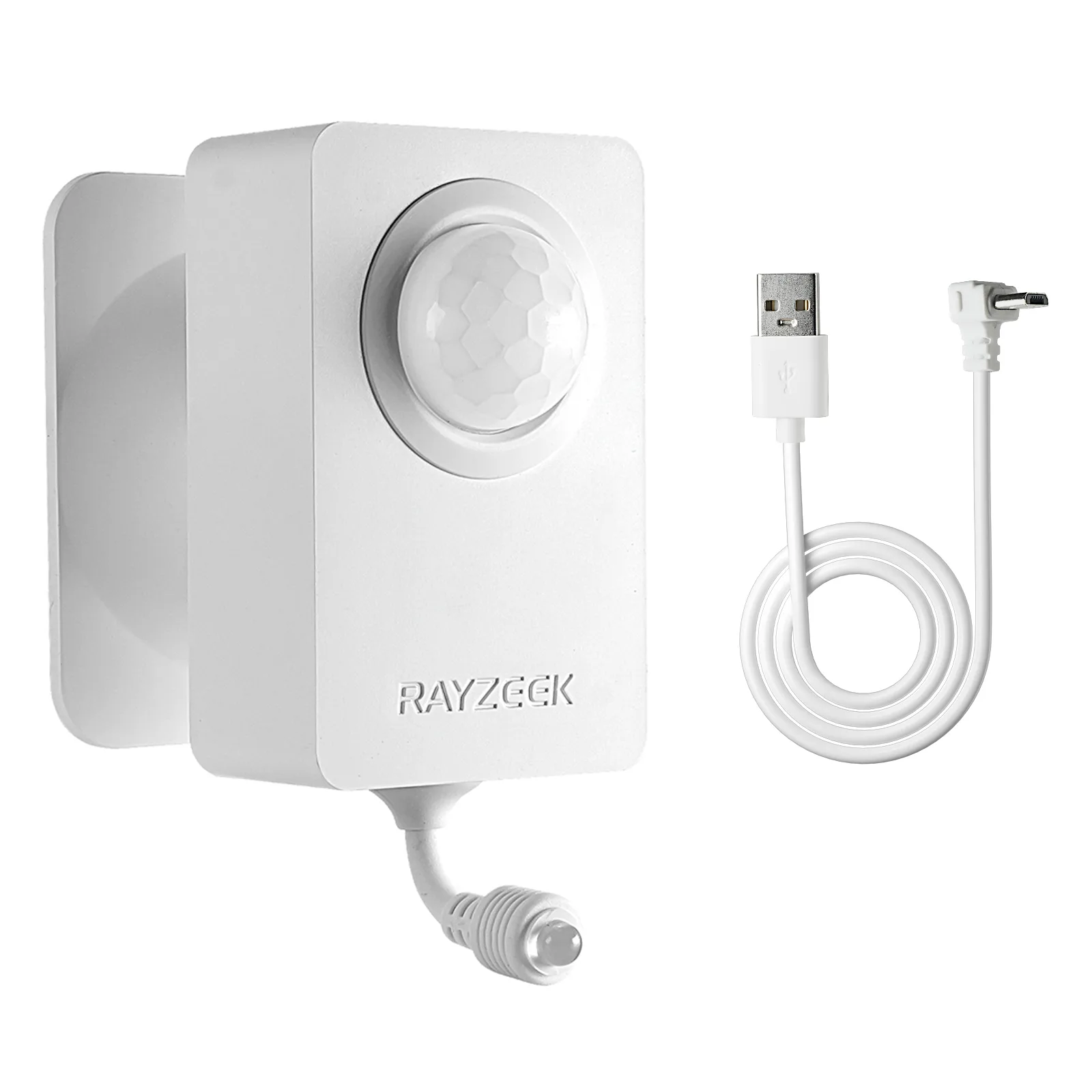
- Voltaje: 2 pilas AAA / 5 V CC (Micro USB)
- Modo Día/Noche
- Tiempo de retardo: 15min, 30min, 1h(por defecto), 2h
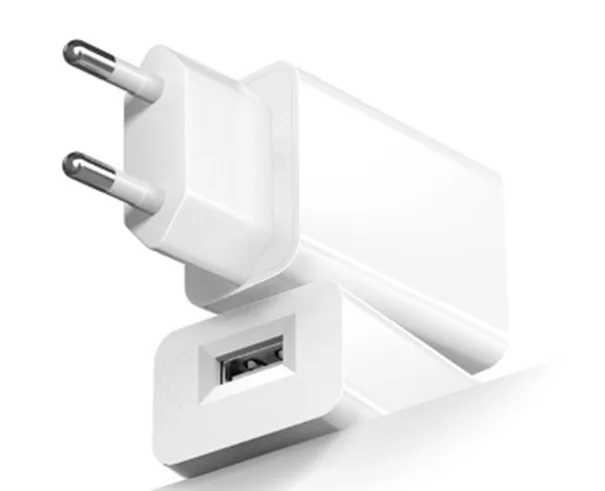
- Adaptador de corriente con enchufe europeo
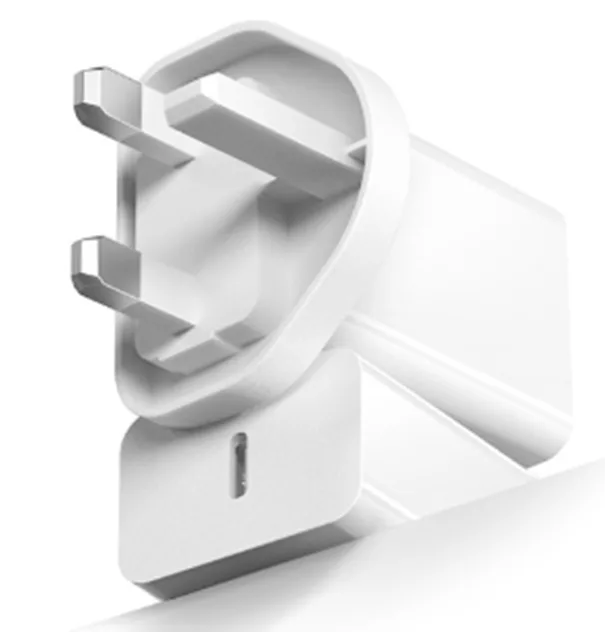
- Adaptador de corriente con enchufe del Reino Unido
La corriente puede visualizarse utilizando el ejemplo de un tubo largo lleno de bolas. Cuando se empuja una bola en un extremo del tubo, la bola del otro extremo es empujada casi instantáneamente, aunque ninguna de las bolas se mueva de forma significativa. Esto representa el flujo de carga en un circuito, donde el movimiento de un electrón provoca una reacción en cadena, dando lugar a la propagación de la carga por todo el circuito.
Preguntas frecuentes
¿Más corriente significa una bombilla más brillante?
No, la luminosidad de una bombilla viene determinada por su potencia, que se calcula mediante la fórmula P = I2R. Por lo tanto, la luminosidad de una bombilla depende tanto de la corriente como de la resistencia.
Diferencia entre tensión y corriente
El voltaje, también conocido como fuerza electromotriz, se refiere a la energía por unidad de carga. En términos más sencillos, el voltaje representa la disparidad de potencial eléctrico entre dos puntos concretos. Por otro lado, la corriente denota la velocidad a la que fluye la carga eléctrica.


