

Was ist Center Beam Candlepower (CBCP)?
Center Beam Candlepower (CBCP) ist die Lichtstärke in der Mitte des von einer Lampe oder Leuchte abgegebenen Lichtstrahls. Sie ist ein Maß für die Konzentration des Lichts im zentralen Bereich des Lichtstrahls. Der Punkt maximaler Lichtstärke in einem symmetrischen Lichtbündel befindet sich normalerweise in der Mitte. CBCP wird häufig in Candela (cd) angegeben und gilt als wichtiges Maß für die Ausrichtung der Beleuchtung in eine bestimmte Richtung.
Vielleicht sind Sie interessiert an

- PIR-Präsenzmelder für Deckenmontage mit potenzielfreiem Relaisausgang
- 12/24VDC oder 12/24VAC Niederspannungsversorgung
- Isolierte Relaiskontakte (COM, NO und NC) für EMS-, HKL- und Gebäudesteuerungseingänge

- Gleichspannung-Niederspannungs-Mikrowellen-Bewegungssensorschalter für Deckeneinbau
- 12 VDC / 24 VDC Eingang mit 10–30 VDC Bereich
- Maximaler Arbeitsstrom von 10 A mit einstellbarer Zeitverzögerung, Lux-Schwelle und Empfindlichkeit
- Mikrowellen-Bewegungssensorschalter für Deckeneinbau für höhere Lasten
- 100–265 VAC Netzspannungseingang, 10A-Modell
- 5,8-GHz-Mikrowellenerfassung mit einstellbarer Zeitverzögerung, Lux-Schwelle und Empfindlichkeit
- Mikrowellen-Bewegungssensorschalter für Deckeneinbau
- 100–265 VAC Netzspannungseingang, 5A-Modell
- 5,8-GHz-Mikrowellenerfassung mit einstellbarer Zeitverzögerung, Lux-Schwelle und Empfindlichkeit
- PIR-Präsenzmelder-Dimmer RZ037 für Deckenmontage für 220V Stromversorgung
- Maximaler Arbeitsstrom von 3 A mit 660 W Nennlast
- LUX-Taste steuert Lichtsensor EIN/AUS und benutzerdefinierte Dimmhelligkeit
- RZ037 PIR-Präsenzmelder-Dimmer für Deckenmontage bei 110V Spannung
- 3A maximaler Betriebsstrom bei 330W Nennlast
- LUX-Taste steuert Lichtsensor EIN/AUS und benutzerdefinierte Dimmhelligkeit

- Niedervolt-DC-Mikrowellen-Bewegungssenderschalter für Deckenmontage
- 12 VDC / 24 VDC Eingang mit 10–30 VDC Bereich
- Maximaler Arbeitsstrom von 10 A mit einstellbarer Zeitverzögerung, Lux-Schwelle und Empfindlichkeit
- Mikrowellen-Bewegungssenderschalter für Deckenmontage für höhere Lasten
- 100–265 VAC Netzspannungseingang, 10A-Modell
- 5,8-GHz-Mikrowellenerfassung mit einstellbarer Zeitverzögerung, Lux-Schwelle und Empfindlichkeit
- Mikrowellen-Bewegungssenderschalter für Deckenmontage
- 100–265 VAC Netzspannungseingang, 5A-Modell
- 5,8-GHz-Mikrowellenerfassung mit einstellbarer Zeitverzögerung, Lux-Schwelle und Empfindlichkeit

- Niedervolt-DC-PIR-Bewegungssenderschalter für Deckeneinbau
- 12 VDC / 24 VDC Eingang mit 10–30 VDC Bereich
- Maximaler Betriebsstrom 10A mit einstellbarer Ausschaltverzögerung, Lux-Schwelle und Empfindlichkeit

- PIR-Bewegungssenderschalter für Deckeneinbau für höhere Lasten
- 100–265 VAC Netzspannungseingang, 10A-Modell
- 360-Grad-Erfassung mit einstellbarer Ausschaltverzögerung, Lux-Schwelle und Empfindlichkeit
- PIR-Bewegungssenderschalter für Deckeneinbau
- 100–265 VAC Netzspannungseingang, 5A-Modell
- 360-Grad-Erfassung mit einstellbarer Ausschaltverzögerung, Lux-Schwelle und Empfindlichkeit

- Funk-Schalter- und Empfänger-Set für die Ein/Aus-Lichtsteuerung im Innenbereich
- 100-230VAC, 50/60Hz Empfänger mit 5A Nennstrom
- CR2032-betriebener Funk-Schalter mit 2,4GHz-Kommunikation
- Belegung (Auto-EIN/Auto-AUS)
- 12–24V DC (10–30VDC), bis zu 10A
- 180° Abdeckung, 8–12 m Durchmesser
- Zeitschaltung 15 s–30 min
- Lichtsensor aus/15/25/35 Lux
- Hohe/niedrige Empfindlichkeit
- Auto-ON/Auto-OFF Belegungsmodus
- 100–265V AC, 10A (Neutralleiter erforderlich)
- 360° Abdeckung; Erkennungsdurchmesser 8–12 m
- Zeitverzögerung 15 s–30 min; Lux AUS/15/25/35; Empfindlichkeit Hoch/Niedrig
- Auto-ON/Auto-OFF Belegungsmodus
- 100–265V AC, 5A (Neutralleiter erforderlich)
- 360° Abdeckung; Erkennungsdurchmesser 8–12 m
- Zeitverzögerung 15 s–30 min; Lux AUS/15/25/35; Empfindlichkeit Hoch/Niedrig

- 100V-230V Wechselspannung
- Übertragungsreichweite: bis zu 20m
- Drahtloser Bewegungssensor
- Festverdrahtete Steuerung
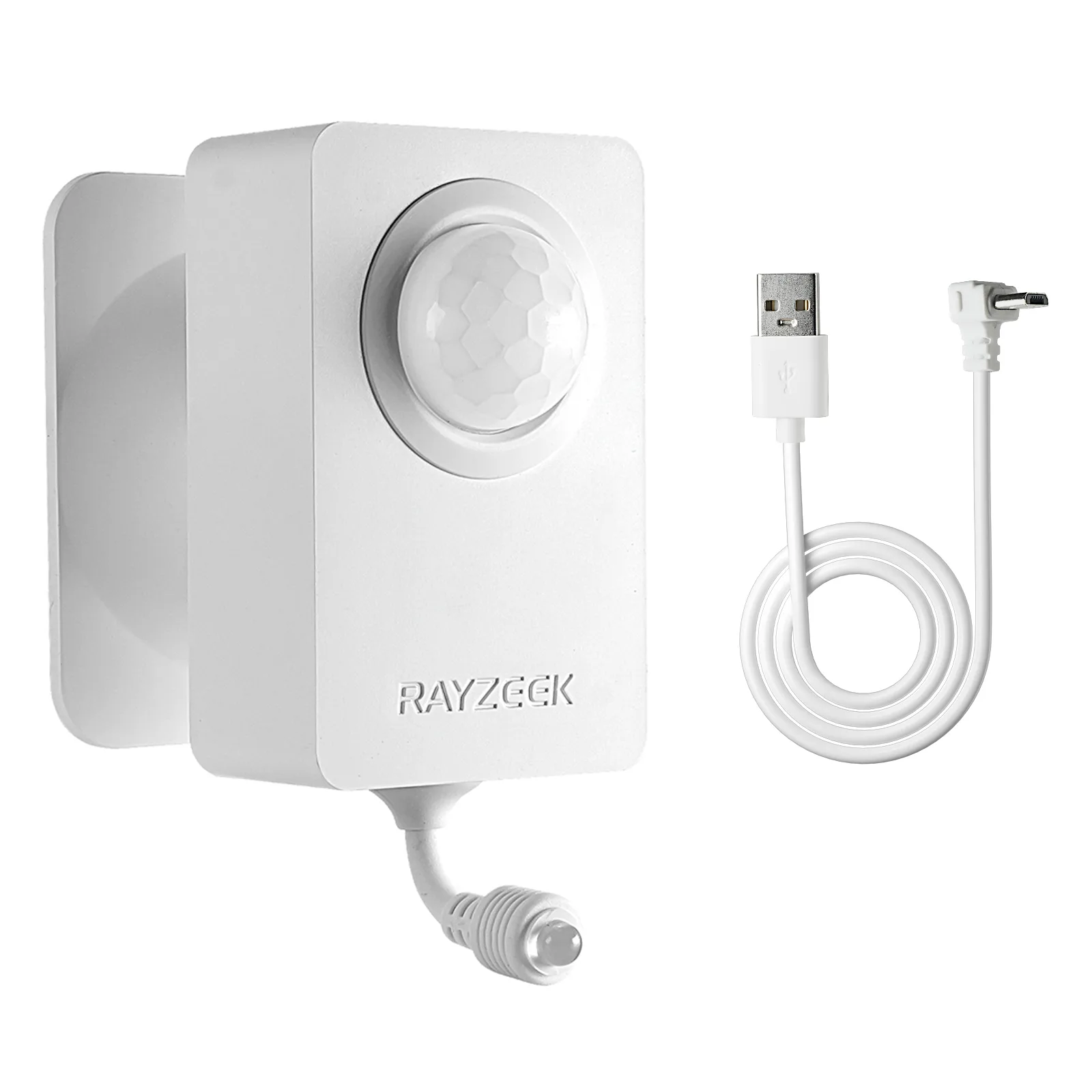
- Spannung: 2x AAA-Batterien / 5V DC (Micro-USB)
- Tag/Nacht-Modus
- Zeitverzögerung: 15min, 30min, 1h (Standard), 2h
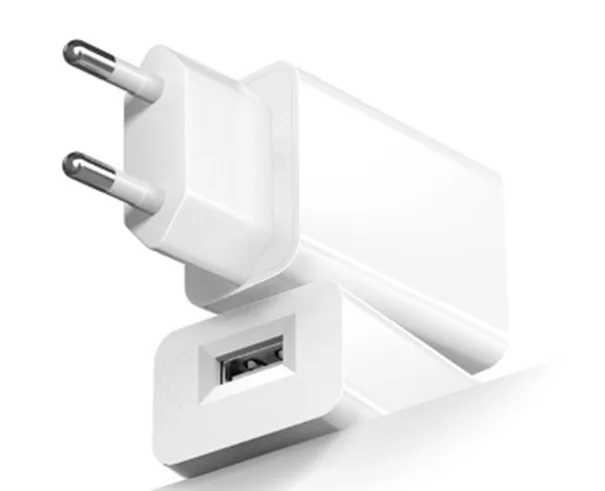
- EU-Steckernetzteil
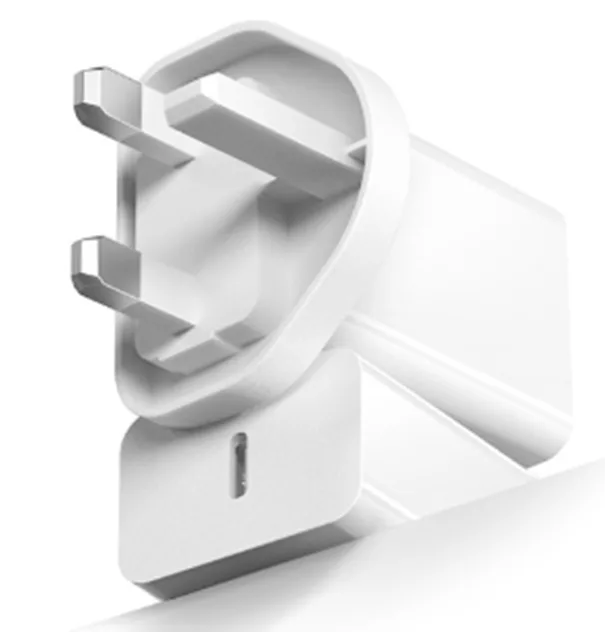
- UK-Steckernetzteil
Der CBCP-Wert gibt die Helligkeit und den Fokus der Lichtquelle an und ist daher besonders wichtig für Anwendungen, bei denen eine gerichtete Beleuchtung erforderlich ist. Zum Beispiel, Taschenlampen und Scheinwerfer haben in der Regel einen hohen CBCP-Wert, da sie das Licht in eine bestimmte Richtung bündeln sollen. Auf der anderen Seite, Leuchtstoffröhren haben in der Regel einen niedrigeren CBCP-Wert, da ihre Lichtleistung gleichmäßiger verteilt ist.


