O que é LED Edge-Lit
Um LED de iluminação lateral é um tipo de tela ou display com retroiluminação LED que utiliza lâmpadas posicionadas ao longo das bordas da tela para fornecer iluminação. Esse design permite uma tela elegante e fina, pois os LEDs não estão diretamente atrás da tela, mas sim ao redor de sua periferia. A principal característica dos LEDs de iluminação lateral é o uso de guias de luz, que ajudam a distribuir a luz emitida pelas lâmpadas de forma uniforme por toda a tela. Esses guias de luz garantem brilho uniforme e evitam áreas de iluminação desigual, resultando em uma experiência de visualização mais consistente. Ao posicionar os LEDs ao longo das bordas da tela, a luz é direcionada para o centro, criando um efeito mais suave em comparação com outros métodos de retroiluminação. Essa escolha de design também permite telas mais finas e melhor capacidade de resfriamento.
Talvez Você Esteja Interessado Em
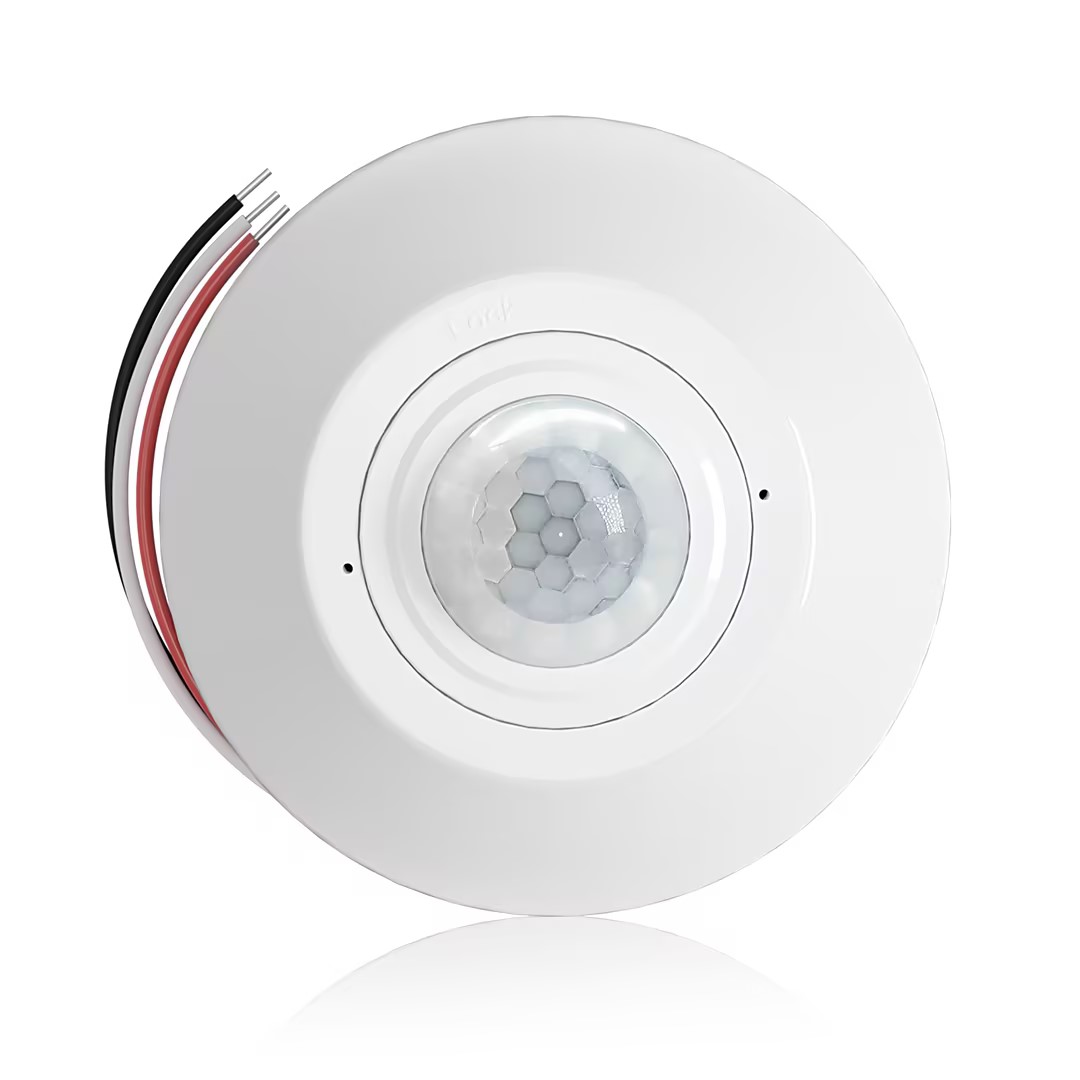
- Ceiling-mounted PIR occupancy sensor with dry-contact relay output
- 12/24VDC or 12/24VAC low-voltage supply
- COM, NO, and NC isolated relay contacts for EMS, HVAC, and building control inputs
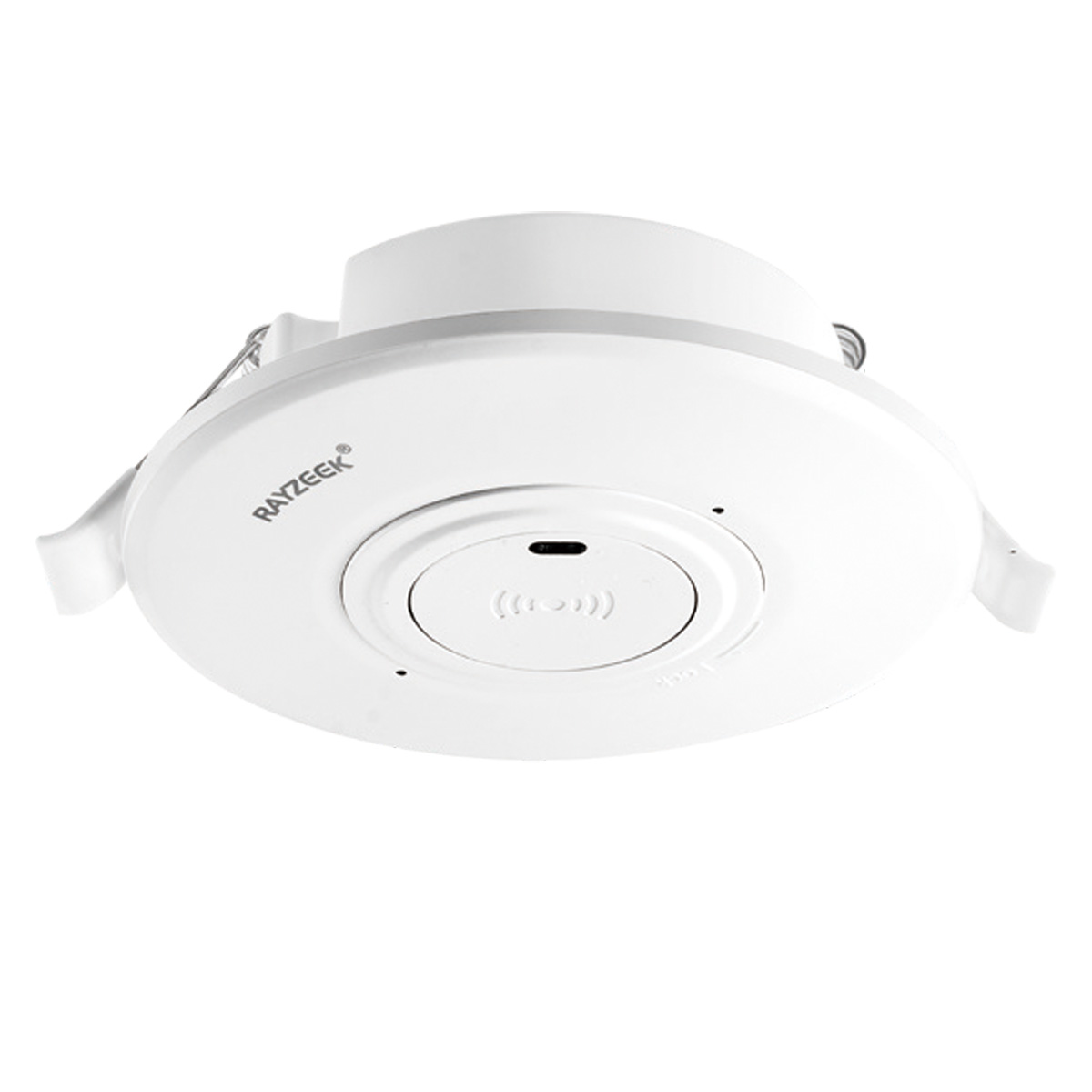
- Low-voltage DC recessed ceiling-mounted microwave motion sensor switch
- 12 VDC / 24 VDC input with 10-30 VDC range
- 10A max work current with adjustable time delay, Lux threshold, and sensitivity
- Higher-load recessed ceiling-mounted microwave motion sensor switch
- 100-265 VAC line-voltage input, 10A model
- 5.8 GHz microwave sensing with adjustable time delay, Lux threshold, and sensitivity
- Recessed ceiling-mounted microwave motion sensor switch
- 100-265 VAC line-voltage input, 5A model
- 5.8 GHz microwave sensing with adjustable time delay, Lux threshold, and sensitivity
- Ceiling-mounted RZ037 PIR occupancy sensor dimmer for 220V power
- 3A maximum working current with 660W rated load
- LUX button controls light-sensor ON/OFF and user-set dimming brightness
- Ceiling-mounted RZ037 PIR occupancy sensor dimmer for 110V power
- 3A maximum working current with 330W rated load
- LUX button controls light-sensor ON/OFF and user-set dimming brightness
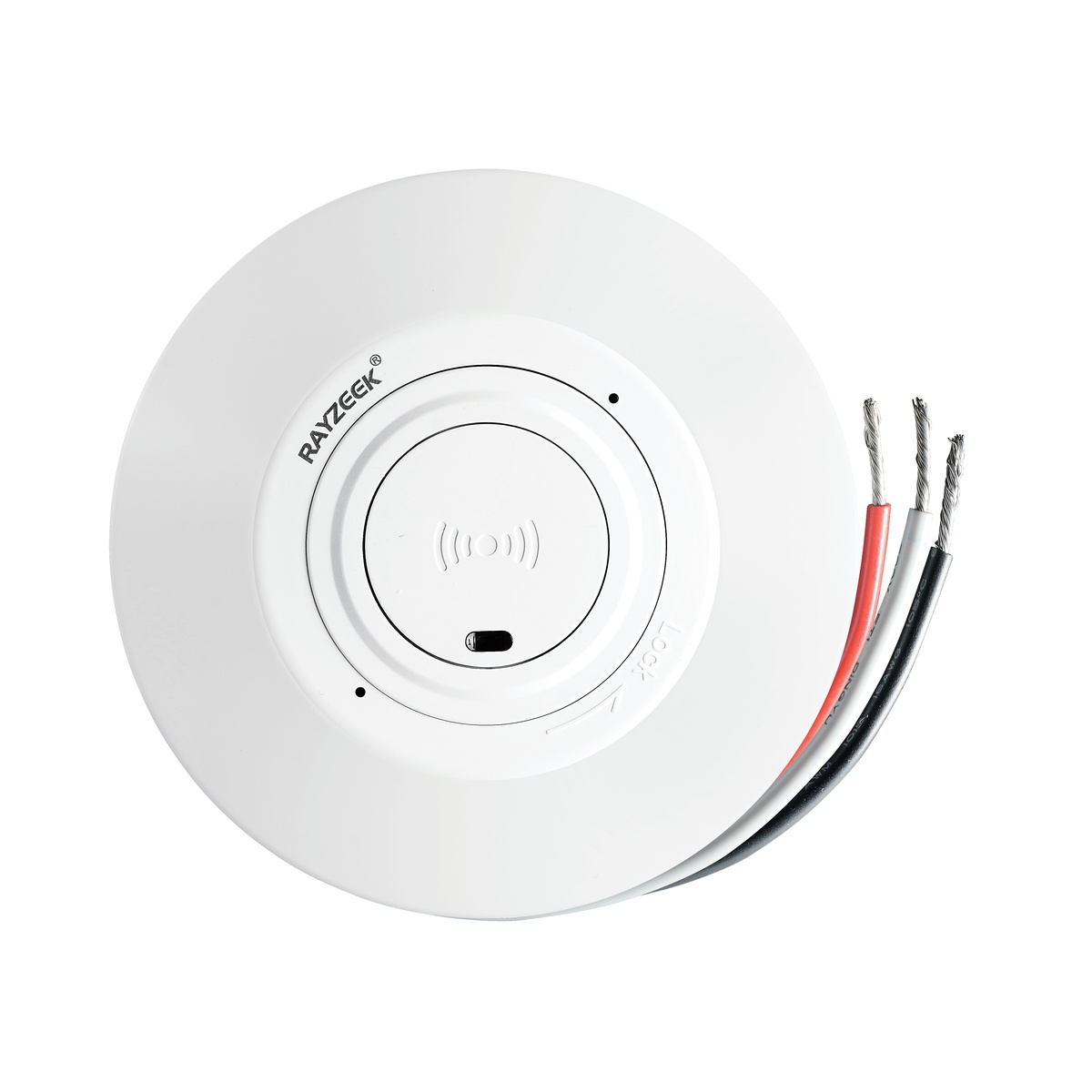
- Low-voltage DC ceiling-mounted microwave motion sensor switch
- 12 VDC / 24 VDC input with 10-30 VDC range
- 10A max work current with adjustable time delay, Lux threshold, and sensitivity
- Higher-load ceiling-mounted microwave motion sensor switch
- 100-265 VAC line-voltage input, 10A model
- 5.8 GHz microwave sensing with adjustable time delay, Lux threshold, and sensitivity
- Ceiling-mounted microwave motion sensor switch
- 100-265 VAC line-voltage input, 5A model
- 5.8 GHz microwave sensing with adjustable time delay, Lux threshold, and sensitivity
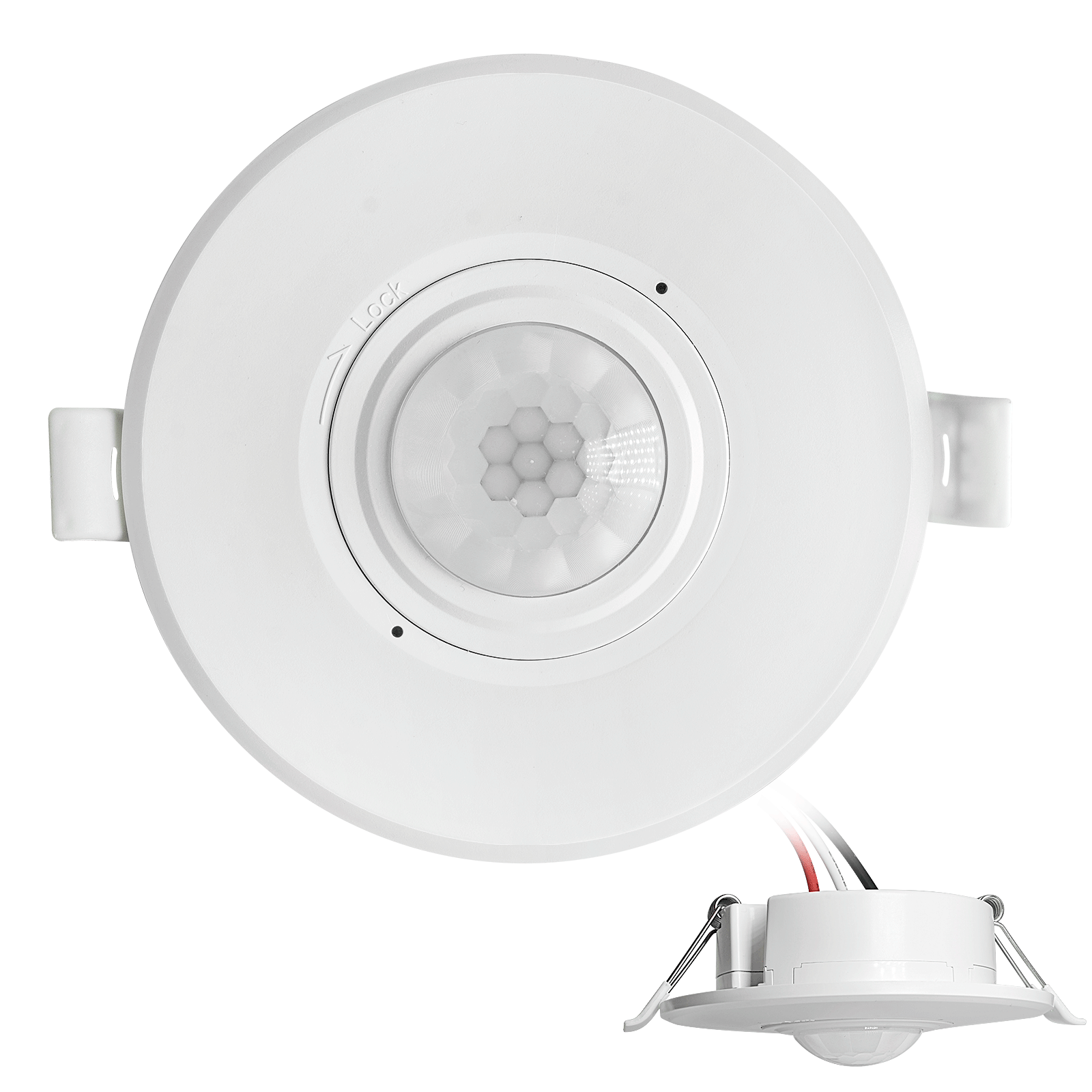
- Low-voltage DC recessed ceiling mount PIR motion sensor switch
- 12 VDC / 24 VDC input with 10-30 VDC range
- Max work current 10A with adjustable time delay, Lux threshold, and sensitivity
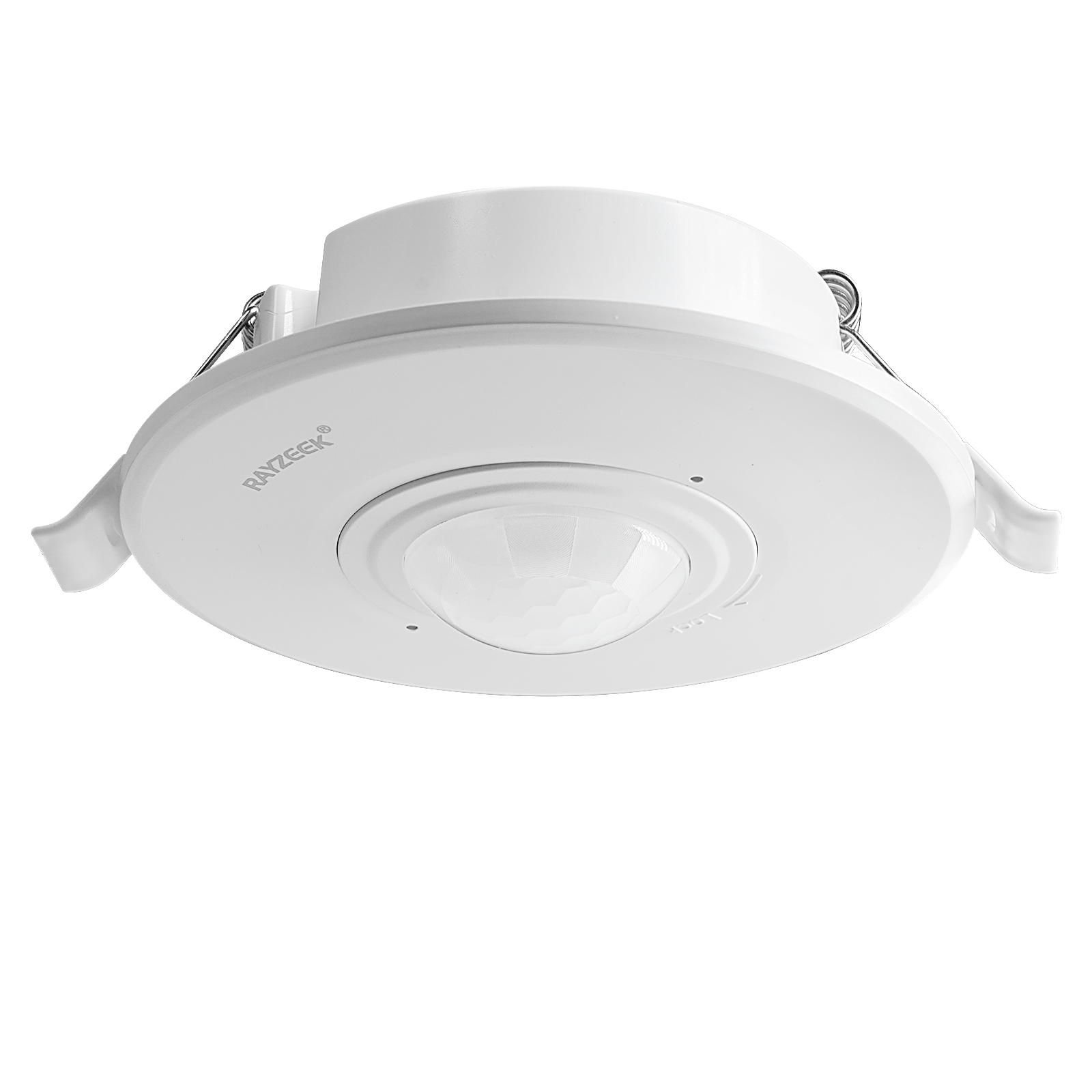
- Higher-load recessed ceiling mount PIR motion sensor switch
- 100-265 VAC line-voltage input, 10A model
- 360-degree detection with adjustable time delay, Lux threshold, and sensitivity
- Recessed ceiling mount PIR motion sensor switch
- 100-265 VAC line-voltage input, 5A model
- 360-degree detection with adjustable time delay, Lux threshold, and sensitivity
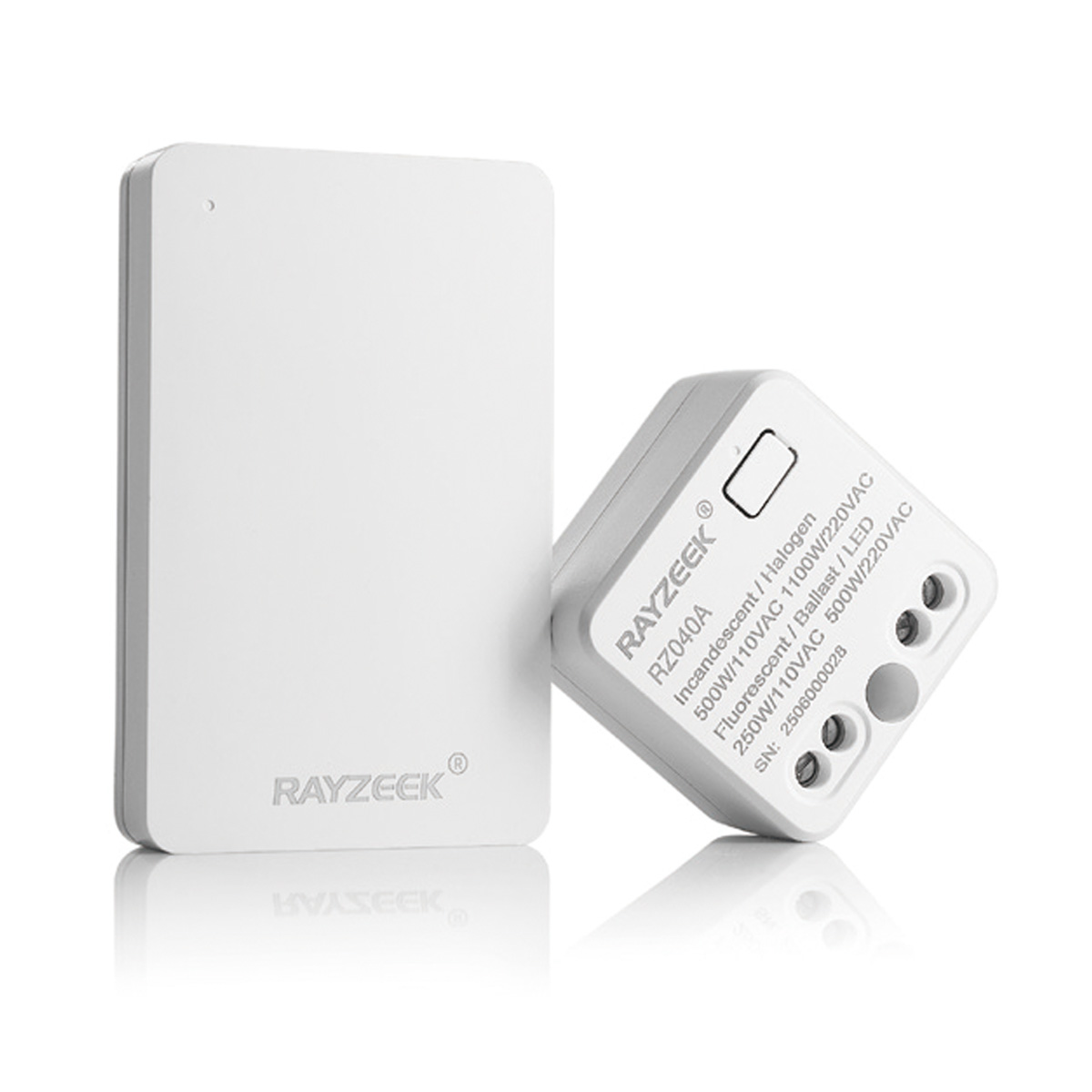
- Wireless switch and receiver kit for indoor ON/OFF lighting control
- 100-230VAC, 50/60Hz receiver with 5A rated current
- CR2032-powered wireless switch with 2.4GHz communication
- Ocupação (Auto-LIGAR/Auto-DESLIGAR)
- 12–24V DC (10–30VDC), até 10A
- Cobertura de 360°, diâmetro de 8–12 m
- Atraso de tempo 15 s–30 min
- Sensor de luz Desligado/15/25/35 Lux
- Sensibilidade Alta/Baixa
- Modo de ocupação Auto-ON/Auto-OFF
- 100–265V CA, 10A (neutro necessário)
- Cobertura de 360°; diâmetro de detecção de 8–12 m
- Retraso de tempo 15 s–30 min; Lux DESL/15/25/35; Sensibilidade Alta/Baixa
- Modo de ocupação Auto-ON/Auto-OFF
- 100–265V CA, 5A (neutro necessário)
- Cobertura de 360°; diâmetro de detecção de 8–12 m
- Retraso de tempo 15 s–30 min; Lux DESL/15/25/35; Sensibilidade Alta/Baixa
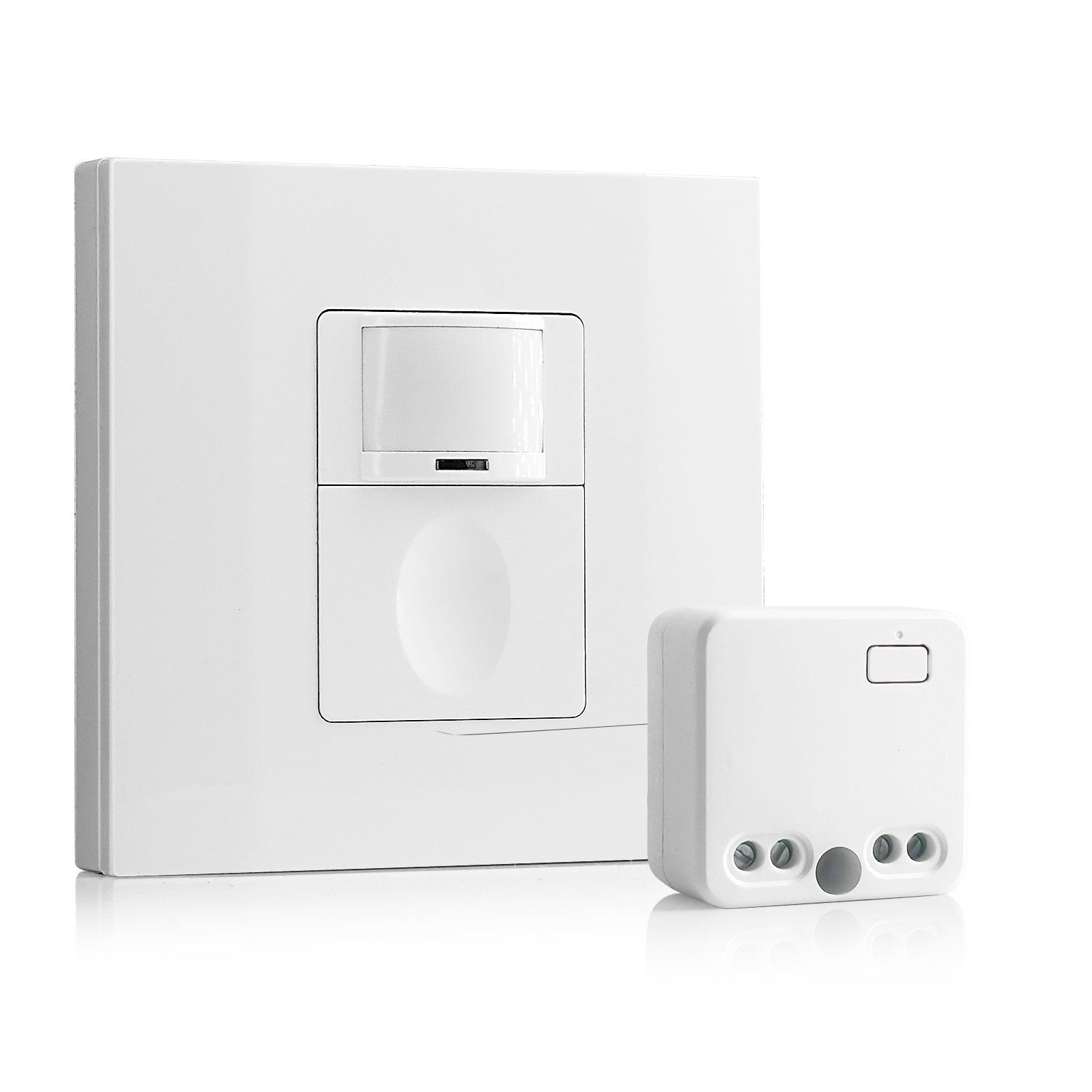
- 100V-230VAC
- Distância de Transmissão: até 20m
- Sensor de movimento sem fio
- Controle cabeado
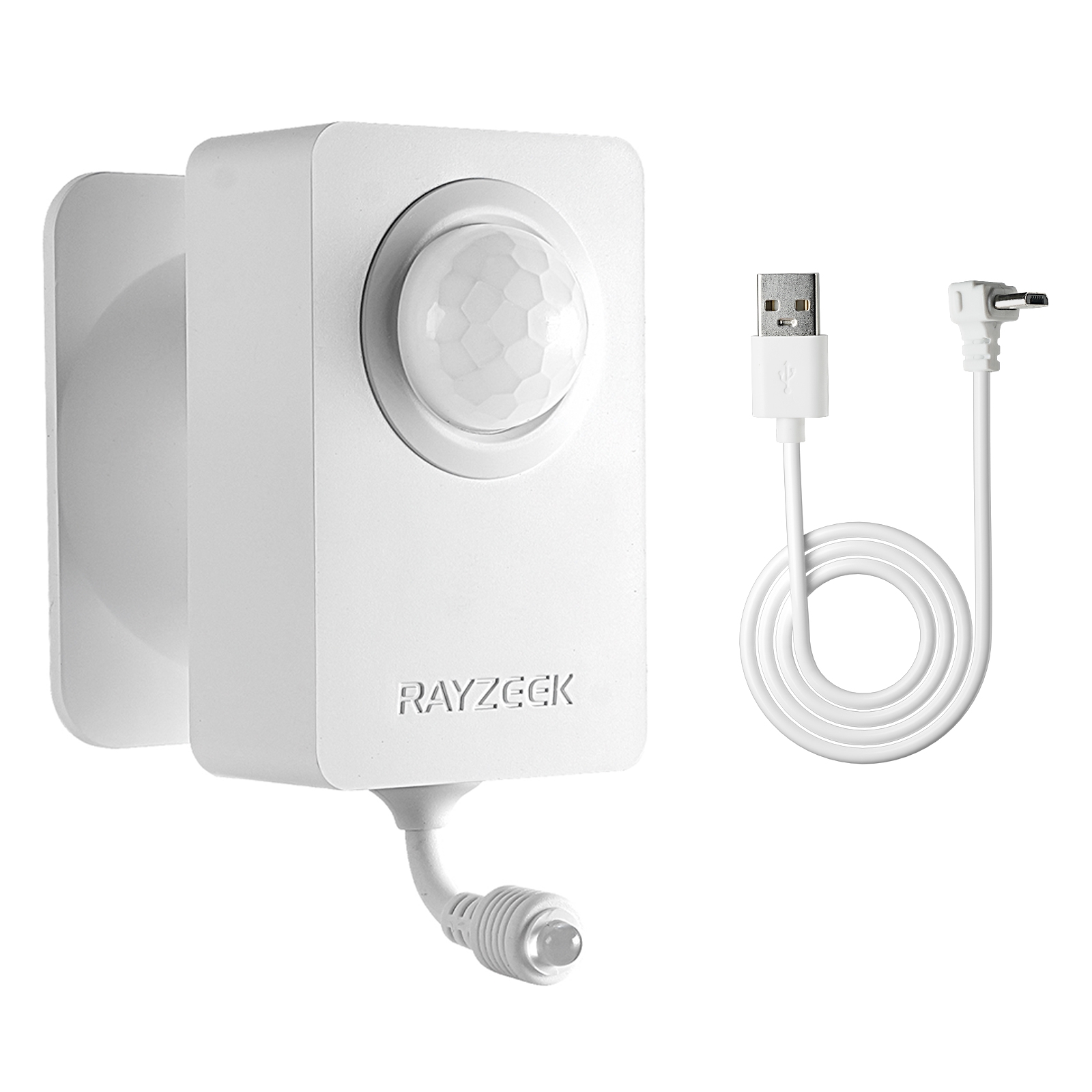
- Tensão: 2x Pilhas AAA / 5V DC (Micro USB)
- Modo Dia/Noite
- Atraso de tempo: 15min, 30min, 1h(padrão), 2h
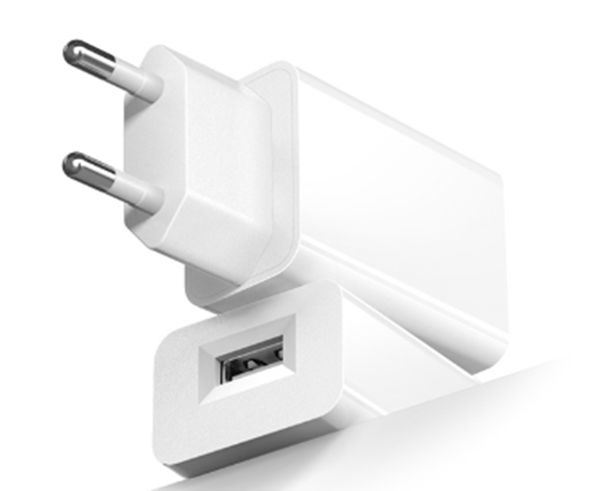
- Adaptador de energia com plugue EU
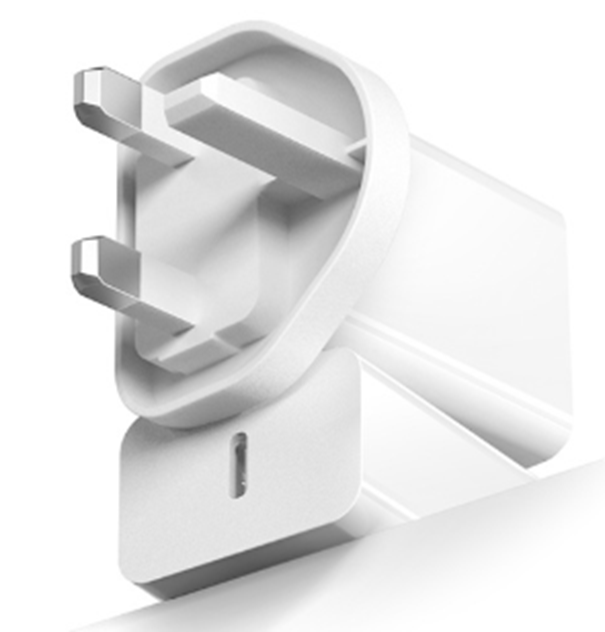
- Adaptador de energia com plugue UK
Perguntas Frequentes
Qual lâmpada LED oferece mais luz
Portanto, ao comparar uma lâmpada LED de 30 watts com uma lâmpada incandescente de 30 watts, a lâmpada LED fornecerá uma luz ou brilho significativamente maior. Na verdade, uma lâmpada LED de 60 watts pode ser tão brilhante que potencialmente pode cegá-lo. É por isso que usamos lúmens como medida de brilho para LEDs.
Quando não usar LED
Lâmpadas LED não devem ser usadas em luminárias fechadas que não proporcionam ventilação adequada. Isso porque a falta de ventilação pode levar ao superaquecimento, o que pode reduzir significativamente a vida útil da lâmpada. É importante notar que certas lâmpadas LED vêm com instruções aconselhando contra seu uso em ventiladores de teto fechados ou luminárias de varanda totalmente fechadas.