
Recursos
Accede y descarga nuestros últimos materiales y guías de soporte; Rayzeek te cubre desde la instalación hasta la resolución de problemas.
Perspectivas de Rayzeek
Las últimas tendencias en tecnología de sensores.
-

El problema del túnel oscuro: Iluminación de estanterías de bibliotecas sin penumbra
Lighting library stacks requires focusing on vertical surfaces, not floor brightness. The piece explains how batwing optics, proper sensor strategies, and dim-to-warm controls improve visibility, reduce glare, and…
-

La paradoja de la sala de paquetes: por qué los sensores “inteligentes” dejan a los residentes en la oscuridad
Rayzeek explains why typical package room sensors leave residents in the dark, and how Dual-Technology (PIR plus Ultrasonic) sensing keeps lights on when lockers block sight. The approach…
-
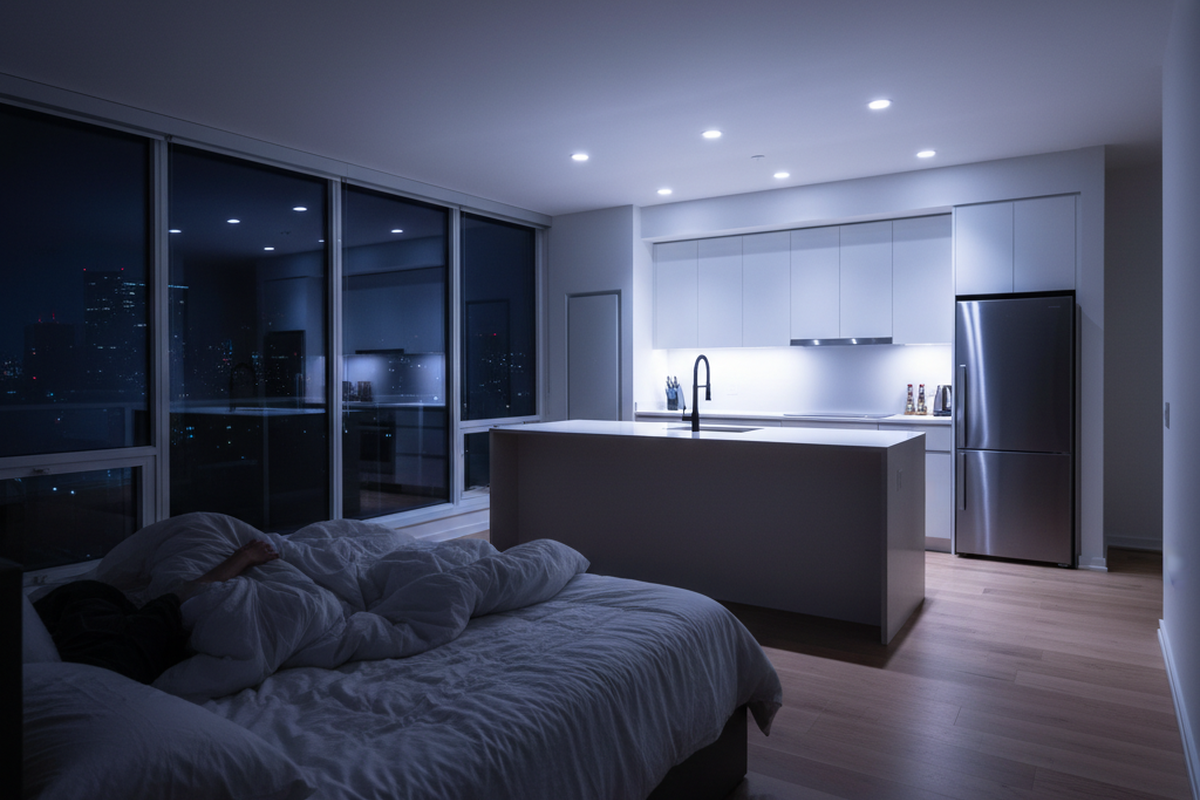
El Efecto Estadio: Recuperando la Oscuridad en el Estudio de Planta Abierta
Stadium-level lighting in open-plan studios disrupts sleep by flooding the space with glare. The remedy is practical: switch to vacancy mode, mask the sensor’s view, and favor warm-dim…
-

La Sala Oscura Clínica: Por Qué los Controles de Iluminación Estándar Fallan en la Atención Sanitaria
Rayzeek explains how standard energy sensors can plunge patient rooms into darkness, eroding trust in care. Dual-Technology sensors with vacancy-mode control keep lights on when needed, preserving privacy…
-
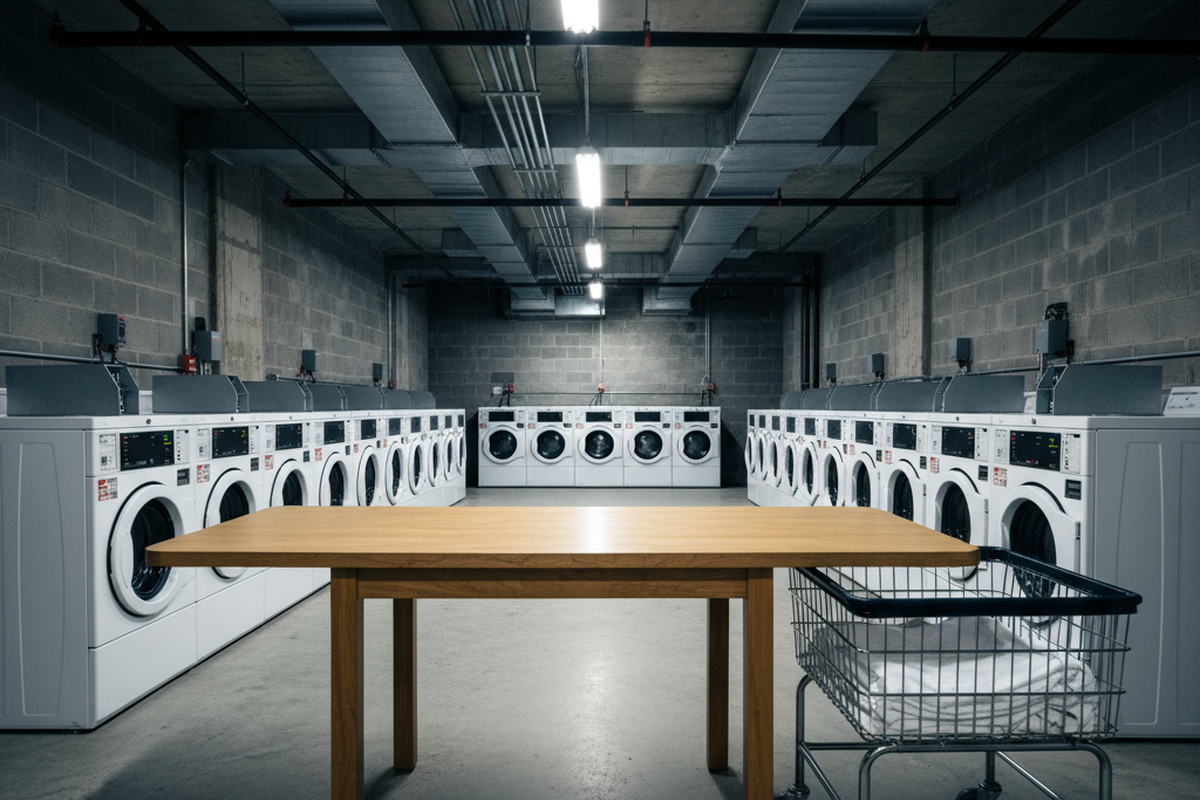
El Residente Invisible: Por Qué Las Luces De Tu Lavandería Siguen Apagándose En Las Personas Que Doblan
Rayzeek reveals why laundry room lights die during folding and how corner-mounted Dual-Tech sensors keep the space bright and safe. Cheap PIRs miss micro-motions and misread room activity,…
-
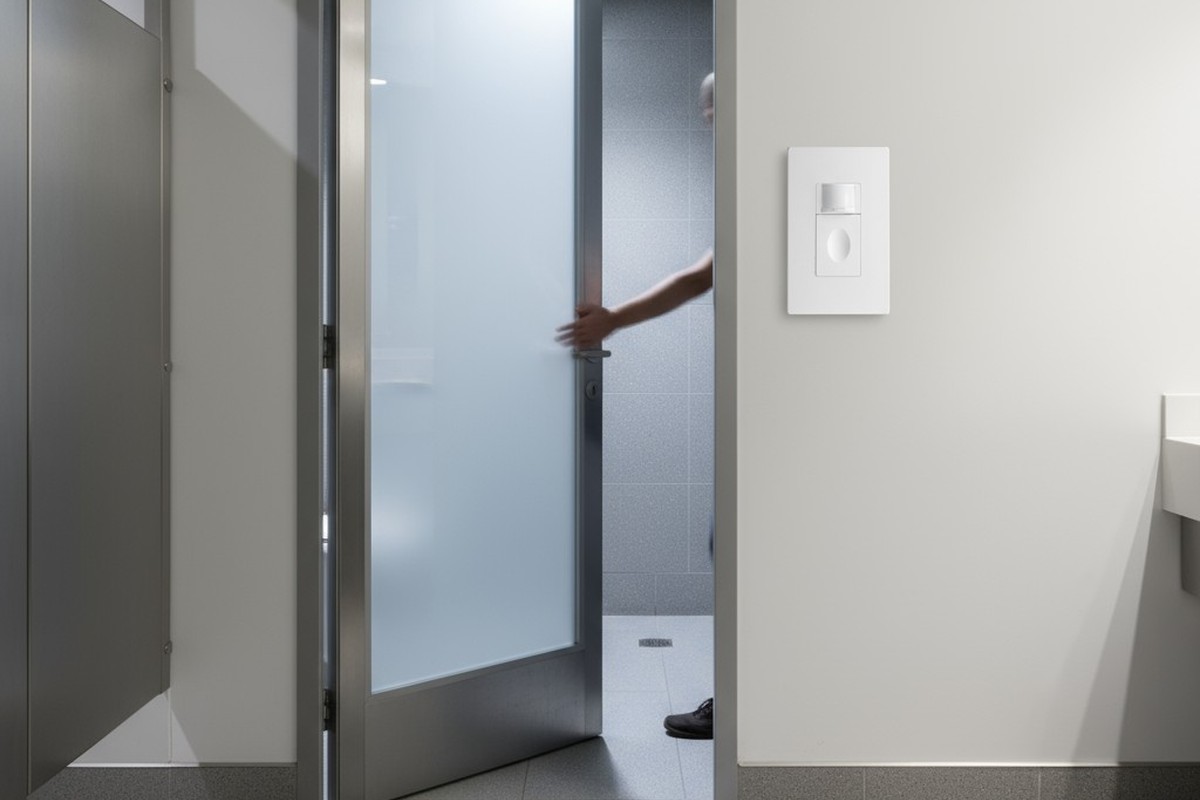
¿Qué es el retardo de tiempo de un sensor de movimiento y por qué importa?
A motion sensor’s time delay is a critical setting that balances energy efficiency with user comfort. Understanding how to calibrate this grace period prevents frustrating false-offs while ensuring…


