

O que é luz fraca
A luz fraca refere-se a uma situação em que o nível de luz ambiente é significativamente reduzido. Isto pode ocorrer em vários cenários, tais como ambientes interiores com pouca luz natural, ruas mal iluminadas à noite ou mesmo durante dias nublados. Na fotografia, as condições de pouca luz representam um desafio devido à disponibilidade limitada de fontes de luz. Os fotógrafos especializados em fotografia com pouca luz devem empregar técnicas específicas para captar imagens de alta qualidade nestes cenários pouco iluminados.
Talvez esteja interessado em

- Sensor de presença PIR para montagem no teto com saída de relé de contacto seco
- Alimentação de baixa tensão de 12/24VDC ou 12/24VAC
- Contactos de relé isolados COM, NO e NC para entradas de EMS, HVAC e controlo de edifícios

- Interruptor com sensor de movimento por micro-ondas de encastrar no teto de baixa tensão DC
- Entrada de 12 VDC / 24 VDC com intervalo de 10-30 VDC
- Corrente máxima de trabalho de 10A com temporização, limiar de Lux e sensibilidade ajustáveis
- Interruptor com sensor de movimento por micro-ondas de encastrar no teto para cargas mais elevadas
- Entrada de tensão de rede de 100-265 VAC, modelo de 10A
- Deteção por micro-ondas de 5,8 GHz com temporização, limiar de Lux e sensibilidade ajustáveis
- Interruptor com sensor de movimento por micro-ondas de encastrar no teto
- Entrada de tensão de rede de 100-265 VAC, modelo de 5A
- Deteção por micro-ondas de 5,8 GHz com temporização, limiar de Lux e sensibilidade ajustáveis
- Regulador de intensidade com sensor de presença PIR RZ037 para montagem no teto para alimentação de 220V
- Corrente máxima de trabalho de 3A com carga nominal de 660W
- O botão LUX controla o LIGADO/DESLIGADO do sensor de luz e a regulação da luminosidade definida pelo utilizador
- Regulador com sensor de presença PIR RZ037 para teto para alimentação de 110V
- Corrente de funcionamento máxima de 3A com carga nominal de 330W
- O botão LUX controla o LIGADO/DESLIGADO do sensor de luz e a regulação da luminosidade definida pelo utilizador

- Interruptor com sensor de movimento por micro-ondas de teto CC de baixa tensão
- Entrada de 12 VDC / 24 VDC com intervalo de 10-30 VDC
- Corrente máxima de trabalho de 10A com temporização, limiar de Lux e sensibilidade ajustáveis
- Interruptor com sensor de movimento por micro-ondas de teto para maior carga
- Entrada de tensão de rede de 100-265 VAC, modelo de 10A
- Deteção por micro-ondas de 5,8 GHz com temporização, limiar de Lux e sensibilidade ajustáveis
- Interruptor com sensor de movimento por micro-ondas de teto
- Entrada de tensão de rede de 100-265 VAC, modelo de 5A
- Deteção por micro-ondas de 5,8 GHz com temporização, limiar de Lux e sensibilidade ajustáveis

- Interruptor com sensor de movimento PIR de encastrar no teto CC de baixa tensão
- Entrada de 12 VDC / 24 VDC com intervalo de 10-30 VDC
- Corrente de funcionamento máxima de 10A com temporização, limiar de Lux e sensibilidade ajustáveis

- Interruptor com sensor de movimento PIR de encastrar no teto para maior carga
- Entrada de tensão de rede de 100-265 VAC, modelo de 10A
- Deteção de 360 graus com temporização, limiar de Lux e sensibilidade ajustáveis
- Interruptor com sensor de movimento PIR de encastrar no teto
- Entrada de tensão de rede de 100-265 VAC, modelo de 5A
- Deteção de 360 graus com temporização, limiar de Lux e sensibilidade ajustáveis

- Kit de recetor e interruptor sem fios para controlo de iluminação LIGAR/DESLIGAR no interior
- Recetor de 100-230VAC, 50/60Hz com corrente nominal de 5A
- Interruptor sem fios alimentado por CR2032 com comunicação de 2,4GHz
- Presença (Auto-LIGAR/Auto-DESLIGAR)
- 12–24V DC (10–30VDC), até 10A
- Cobertura de 360°, diâmetro de 8–12 m
- Atraso de tempo 15 s–30 min
- Sensor de luz Desligado/15/25/35 Lux
- Alta/Baixa sensibilidade
- Modo de ocupação Auto-ON/Auto-OFF
- 100–265V CA, 10A (neutro necessário)
- Cobrimento de 360°; diâmetro de detecção de 8–12 m
- Atraso de tempo 15 s–30 min; Lux DESL/15/25/35; Sensibilidade Alta/Baixa
- Modo de ocupação Auto-ON/Auto-OFF
- 100–265V AC, 5A (necessário neutro)
- Cobrimento de 360°; diâmetro de detecção de 8–12 m
- Atraso de tempo 15 s–30 min; Lux DESL/15/25/35; Sensibilidade Alta/Baixa

- 100V-230VAC
- Distância de Transmissão: até 20m
- Sensor de movimento sem fio
- Controle com fiação
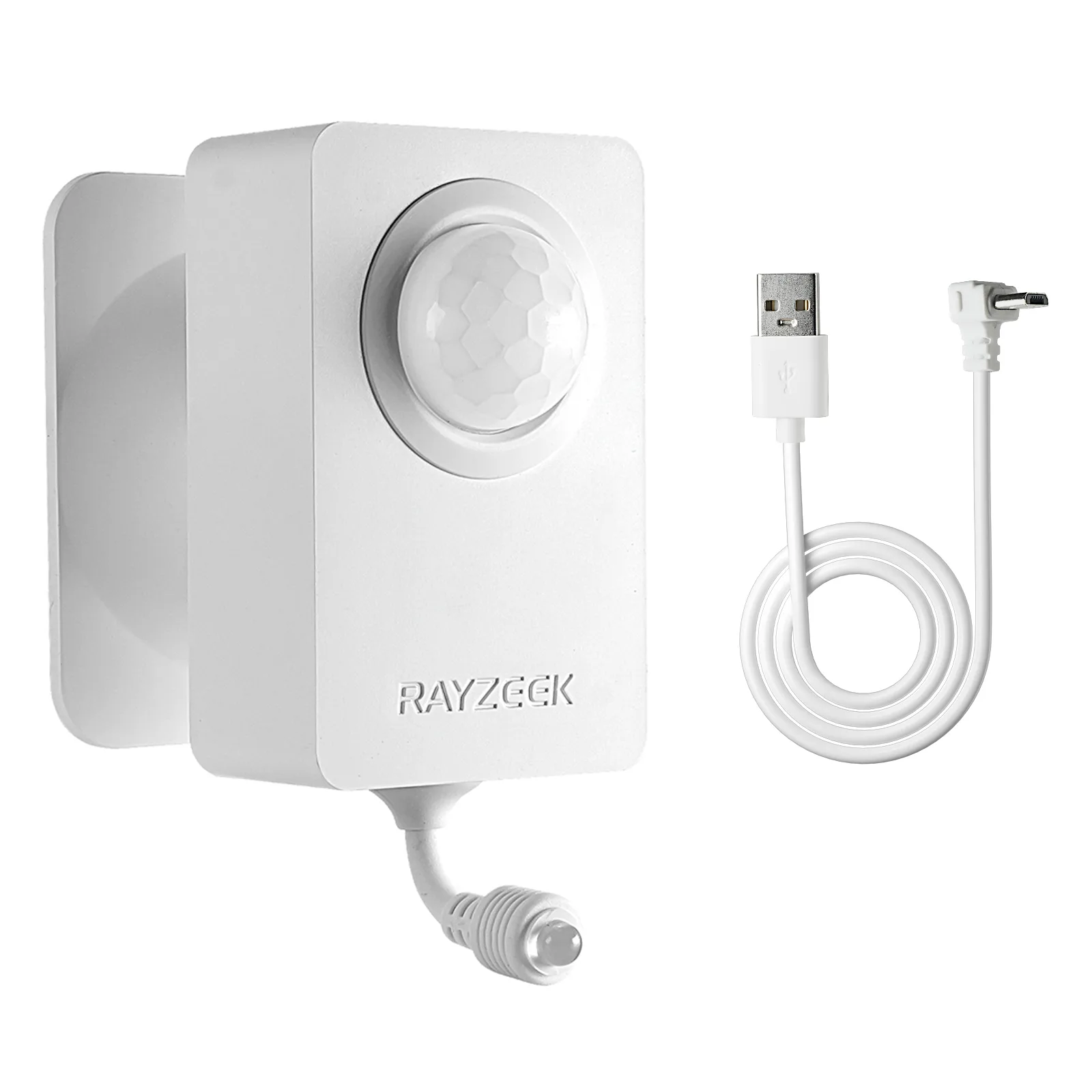
- Voltagem: 2x Pilhas AAA / 5V DC (Micro USB)
- Modo dia/noite
- Tempo de atraso: 15min, 30min, 1h (predefinição), 2h
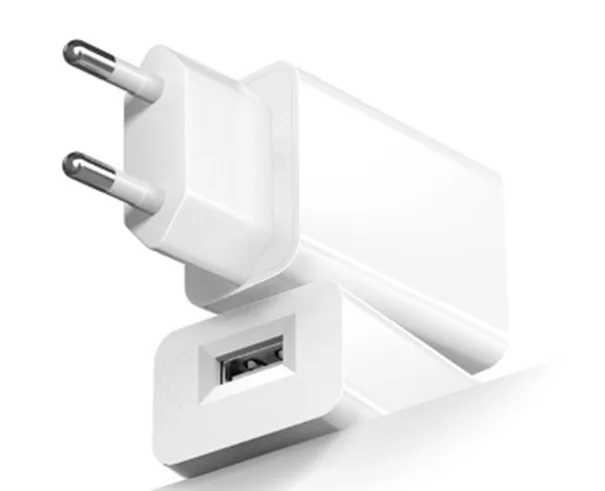
- Adaptador de alimentação com ficha da UE
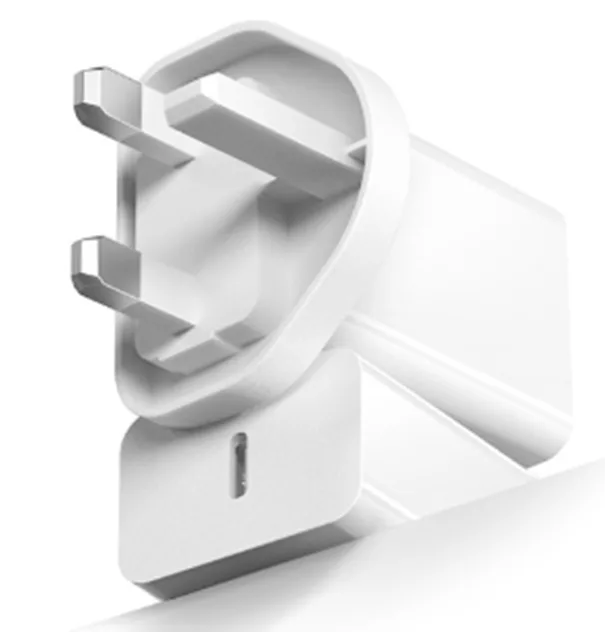
- Adaptador de alimentação com ficha do Reino Unido
Para ultrapassar a falta de luz, os fotógrafos recorrem frequentemente ao equipamento e a ajustes criativos. Podem utilizar objectivas mais rápidas com aberturas mais amplas para permitir a entrada de mais luz na câmara, melhorando a exposição global. O ajuste das definições ISO, que aumenta a sensibilidade do sensor da câmara à luz, também pode ajudar a captar mais detalhes nas áreas mais escuras da imagem. Além disso, os fotógrafos podem experimentar velocidades de obturação mais lentas para dar mais tempo à luz para chegar ao sensor, embora isto exija que a câmara esteja estabilizada para evitar a desfocagem do movimento.
Em alguns casos, os fotógrafos podem complementar a luz disponível utilizando equipamento de iluminação externo, como flashes ou reflectores. Estas ferramentas podem fornecer iluminação adicional à cena, compensando as condições de pouca luz e melhorando a qualidade geral da imagem.
Inspire-se nos portfólios de sensores de movimento Rayzeek.
Não encontra o que pretende? Não se preocupe. Há sempre formas alternativas de resolver os seus problemas. Talvez um dos nossos portefólios possa ajudar.


