
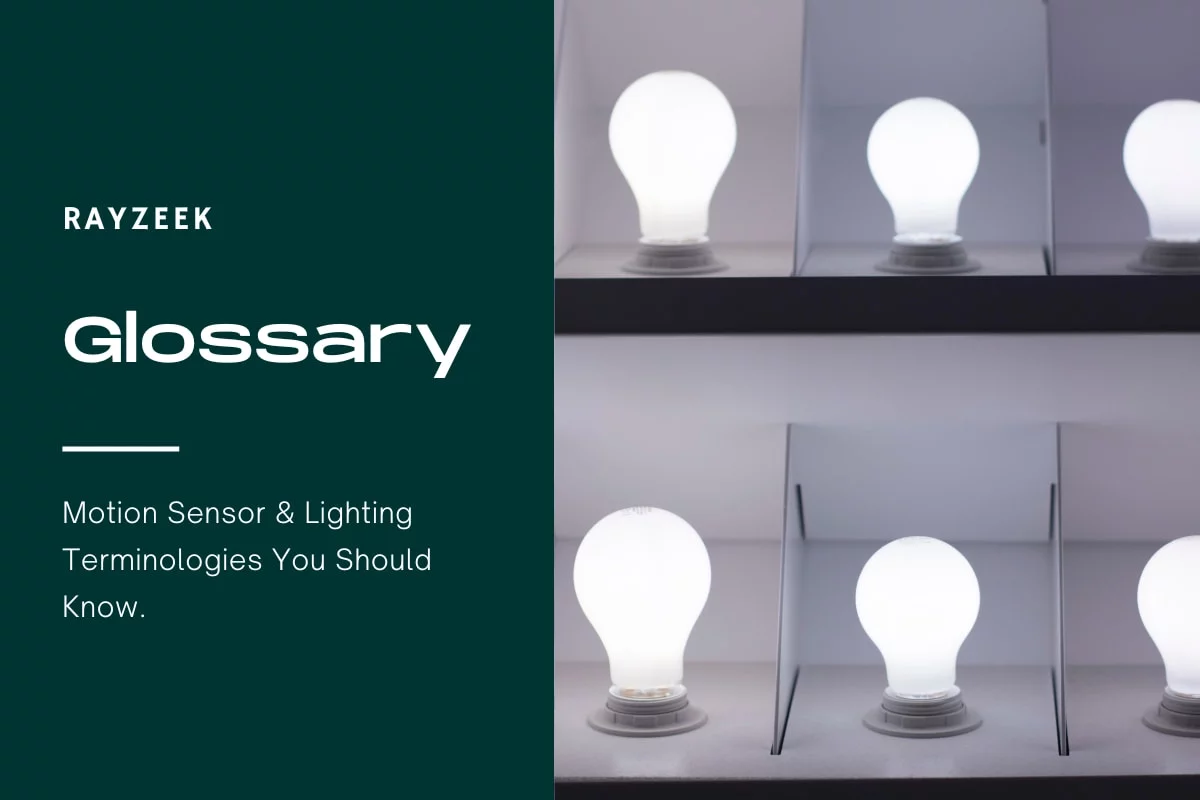
Qu'est-ce que la probabilité de confort visuel (PCV) ?
La probabilité de confort visuel (PCV) est un terme qui mesure l'acceptabilité de l'éblouissement d'inconfort dans un système d'éclairage. Elle est exprimée sous la forme d'un ratio, représenté en pourcentage, de personnes susceptibles de trouver acceptable le niveau d'éblouissement à un endroit et dans une direction donnés. Le PCV est étroitement lié à l'indice d'éblouissement d'inconfort (EAI).
Vous êtes peut-être intéressé par

- Détecteur de présence PIR pour montage au plafond avec sortie relais à contact sec
- Alimentation basse tension 12/24VDC ou 12/24VAC
- Contacts de relais isolés COM, NO et NC pour les entrées de GTE, CVC et contrôle du bâtiment

- Interrupteur avec détecteur de mouvement hyperfréquence encastrable au plafond basse tension CC
- Entrée 12 VDC / 24 VDC avec plage de 10-30 VDC
- Courant de fonctionnement maximal de 10A avec temporisation, seuil Lux et sensibilité réglables
- Interrupteur avec détecteur de mouvement hyperfréquence encastrable au plafond pour charge plus élevée
- Entrée de tension de secteur 100-265 VAC, modèle 10A
- Détection hyperfréquence 5,8 GHz avec temporisation, seuil Lux et sensibilité réglables
Interrupteur avec détecteur de mouvement hyperfréquence encastrable au plafond à 360 degrés RZ048-5A
- Interrupteur avec détecteur de mouvement hyperfréquence encastrable au plafond
- Entrée de tension de secteur 100-265 VAC, modèle 5A
- Détection hyperfréquence 5,8 GHz avec temporisation, seuil Lux et sensibilité réglables
- Variateur détecteur de présence PIR RZ037 pour montage au plafond pour alimentation 220V
- Courant de fonctionnement maximal de 3A avec charge nominale de 660W
- Le bouton LUX contrôle l'activation/désactivation du capteur de lumière et la luminosité de variation réglée par l'utilisateur
- Variateur d'intensité pour détecteur de présence PIR RZ037 de plafond pour alimentation 110V
- Courant de fonctionnement maximal de 3A avec charge nominale de 330W
- Le bouton LUX contrôle l'activation/désactivation du capteur de lumière et la luminosité de variation réglée par l'utilisateur

- Interrupteur avec détecteur de mouvement hyperfréquence de plafond basse tension CC
- Entrée 12 VDC / 24 VDC avec plage de 10-30 VDC
- Courant de fonctionnement maximal de 10A avec temporisation, seuil Lux et sensibilité réglables
- Interrupteur avec détecteur de mouvement hyperfréquence de plafond pour charges plus élevées
- Entrée de tension de secteur 100-265 VAC, modèle 10A
- Détection hyperfréquence 5,8 GHz avec temporisation, seuil Lux et sensibilité réglables
- Interrupteur avec détecteur de mouvement hyperfréquence de plafond
- Entrée de tension de secteur 100-265 VAC, modèle 5A
- Détection hyperfréquence 5,8 GHz avec temporisation, seuil Lux et sensibilité réglables

- Interrupteur avec détecteur de mouvement PIR encastré au plafond basse tension CC
- Entrée 12 VDC / 24 VDC avec plage de 10-30 VDC
- Courant de fonctionnement max. 10A avec temporisation, seuil Lux et sensibilité réglables

- Interrupteur avec détecteur de mouvement PIR encastré au plafond pour charges plus élevées
- Entrée de tension de secteur 100-265 VAC, modèle 10A
- Détection à 360 degrés avec temporisation, seuil Lux et sensibilité réglables
- Interrupteur avec détecteur de mouvement PIR encastré au plafond
- Entrée de tension de secteur 100-265 VAC, modèle 5A
- Détection à 360 degrés avec temporisation, seuil Lux et sensibilité réglables

- Kit interrupteur sans fil et récepteur pour la commande d'éclairage intérieur MARCHE/ARRÊT
- Récepteur 100-230VAC, 50/60Hz avec courant nominal de 5A
- Interrupteur sans fil alimenté par pile CR2032 avec communication 2.4GHz
- Présence (Auto-ON/Auto-OFF)
- 12–24V DC (10–30VDC), jusqu’à 10A
- Couverture à 360°, diamètre de 8–12 m
- Délai d’attente 15 s–30 min
- Capteur de lumière Désactivé/15/25/35 Lux
- Sensibilité Haute/Basse
- Mode d'occupation Auto-ON/Auto-OFF
- 100–265V AC, 10A (nécessite un neutre)
- Couverture à 360° ; diamètre de détection de 8 à 12 m
- Délai d'attente 15 s–30 min ; Lux ARRÊT/15/25/35 ; Sensibilité Haute/Basse
- Mode d'occupation Auto-ON/Auto-OFF
- 100–265V CA, 5A (neutre requis)
- Couverture à 360° ; diamètre de détection de 8 à 12 m
- Délai d'attente 15 s–30 min ; Lux ARRÊT/15/25/35 ; Sensibilité Haute/Basse

- 100V-230VAC
- Portée de transmission : jusqu’à 20m
- Capteur de mouvement sans fil
- Contrôle filaire
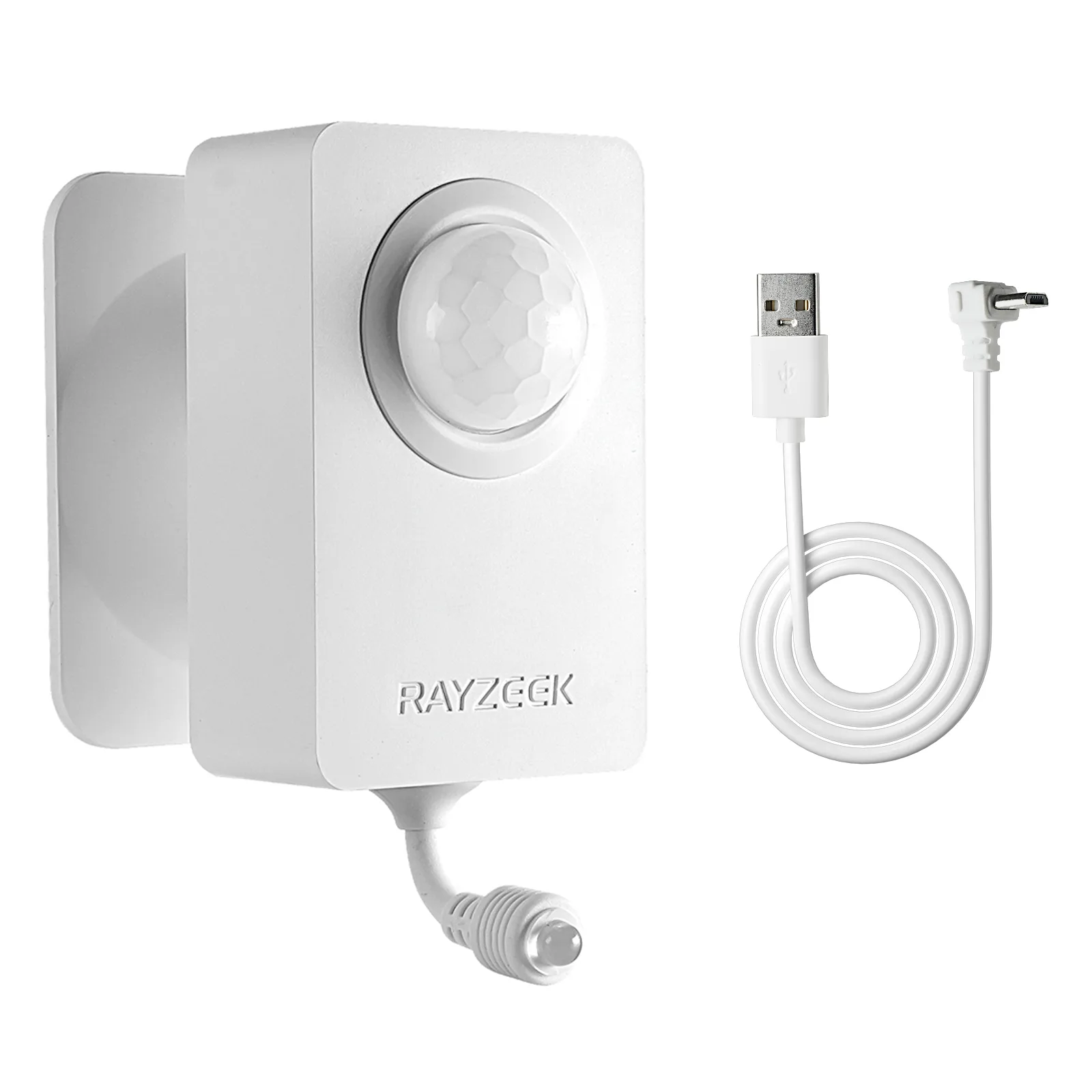
- Tension : 2 piles AAA/5 V CC (micro USB)
- Mode jour/nuit
- Délai de temporisation : 15min, 30min, 1h (par défaut), 2h
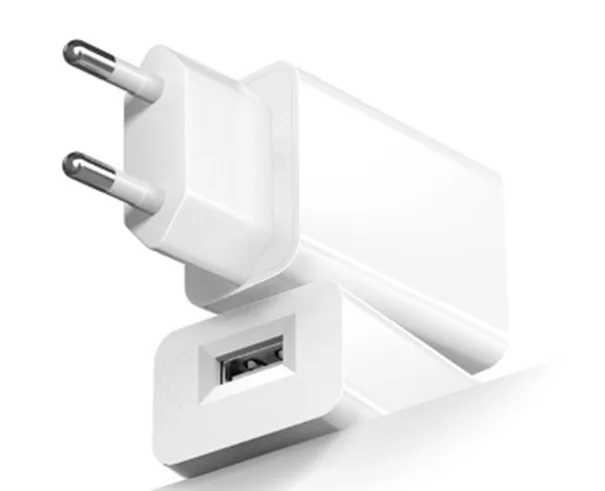
- Adaptateur secteur à prise européenne
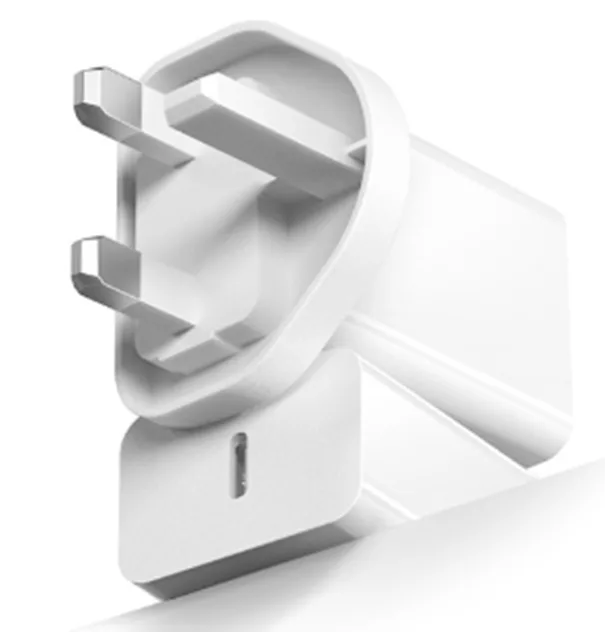
- Adaptateur secteur à prise britannique
L'objectif du PCV est d'évaluer le confort visuel ressenti par les individus lorsqu'ils regardent un système d'éclairage. L'éblouissement d'inconfort fait référence à l'interférence avec la vision causée par un éclairage excessif, qui peut conduire à l'inconfort et à la réduction des performances visuelles. En calculant le pourcentage d'utilisateurs qui devraient trouver le niveau d'éblouissement acceptable, le VCP fournit une mesure quantitative du confort visuel global fourni par un système d'éclairage.


