
Cos'è la probabilità di comfort visivo (VCP)
La probabilità di comfort visivo (VCP) è un termine che misura l'accettabilità dell'abbagliamento fastidioso in un sistema di illuminazione. Si esprime come un rapporto, rappresentato in percentuale, di persone che probabilmente ritengono accettabile il livello di abbagliamento in una specifica posizione e direzione. Il VCP è strettamente correlato al Discomfort Glare Rating (DGR).
Forse siete interessati a

- Sensore di presenza PIR da soffitto con uscita relè a contatto pulito
- Alimentazione a bassa tensione 12/24VDC o 12/24VAC
- Contatti relè isolati COM, NO e NC per ingressi EMS, HVAC e di controllo degli edifici

- Interruttore sensore di movimento a microonde da incasso a soffitto a bassa tensione DC
- Ingresso 12 VDC / 24 VDC con intervallo 10-30 VDC
- Corrente di lavoro massima di 10A con ritardo temporale, soglia Lux e sensibilità regolabili
- Interruttore sensore di movimento a microonde da incasso a soffitto per carichi più elevati
- Ingresso a tensione di rete 100-265 VAC, modello da 10A
- Rilevamento a microonde a 5.8 GHz con ritardo temporale, soglia Lux e sensibilità regolabili
- Interruttore sensore di movimento a microonde da incasso a soffitto
- Ingresso a tensione di rete 100-265 VAC, modello da 5A
- Rilevamento a microonde a 5.8 GHz con ritardo temporale, soglia Lux e sensibilità regolabili
- Dimmer sensore di presenza PIR da soffitto RZ037 per alimentazione a 220V
- Corrente di lavoro massima di 3A con carico nominale di 660W
- Il pulsante LUX controlla l'ON/OFF del sensore di luce e la luminosità di attenuazione impostata dall'utente
- Dimmer con sensore di presenza PIR da soffitto RZ037 per alimentazione a 110 V
- Corrente di lavoro massima di 3 A con carico nominale di 330 W
- Il pulsante LUX controlla l'ON/OFF del sensore di luce e la luminosità di attenuazione impostata dall'utente

- Interruttore con sensore di movimento a microonde da soffitto a bassa tensione CC
- Ingresso 12 VDC / 24 VDC con intervallo 10-30 VDC
- Corrente di lavoro massima di 10A con ritardo temporale, soglia Lux e sensibilità regolabili
- Interruttore con sensore di movimento a microonde da soffitto per carichi più elevati
- Ingresso a tensione di rete 100-265 VAC, modello da 10A
- Rilevamento a microonde a 5.8 GHz con ritardo temporale, soglia Lux e sensibilità regolabili
- Interruttore con sensore di movimento a microonde da soffitto
- Ingresso a tensione di rete 100-265 VAC, modello da 5A
- Rilevamento a microonde a 5.8 GHz con ritardo temporale, soglia Lux e sensibilità regolabili

- Interruttore con sensore di movimento PIR da incasso a soffitto a bassa tensione CC
- Ingresso 12 VDC / 24 VDC con intervallo 10-30 VDC
- Corrente massima di lavoro di 10 A con ritardo spegnimento, soglia Lux e sensibilità regolabili

- Interruttore con sensore di movimento PIR da incasso a soffitto per carichi più elevati
- Ingresso a tensione di rete 100-265 VAC, modello da 10A
- Rilevamento a 360 gradi con ritardo spegnimento, soglia Lux e sensibilità regolabili
- Interruttore con sensore di movimento PIR da incasso a soffitto
- Ingresso a tensione di rete 100-265 VAC, modello da 5A
- Rilevamento a 360 gradi con ritardo spegnimento, soglia Lux e sensibilità regolabili

- Kit interruttore wireless e ricevitore per il controllo dell'illuminazione ON/OFF da interno
- Ricevitore 100-230 VAC, 50/60 Hz con corrente nominale di 5 A
- Interruttore wireless alimentato da CR2032 con comunicazione a 2,4 GHz
- Occupazione (Auto-ON/Auto-OFF)
- 12–24V DC (10–30VDC), fino a 10A
- Copertura a 360°, diametro 8–12 m
- Ritardo temporale 15 s–30 min
- Sensore di luce Spento/15/25/35 Lux
- Sensibilità Alta/Bassa
- Modalità di occupazione Auto-ON/Auto-OFF
- 100–265V CA, 10A (neutro richiesto)
- Copertura di 360°; diametro di rilevamento 8–12 m
- Ritardo temporale 15 s–30 min; Lux SPENTO/15/25/35; Sensibilità Alta/Bassa
- Modalità di occupazione Auto-ON/Auto-OFF
- 100–265V AC, 5A (fase neutra richiesta)
- Copertura di 360°; diametro di rilevamento 8–12 m
- Ritardo temporale 15 s–30 min; Lux SPENTO/15/25/35; Sensibilità Alta/Bassa

- 100V-230VAC
- Distanza di trasmissione: fino a 20m
- Sensore di movimento wireless
- Controllo cablato
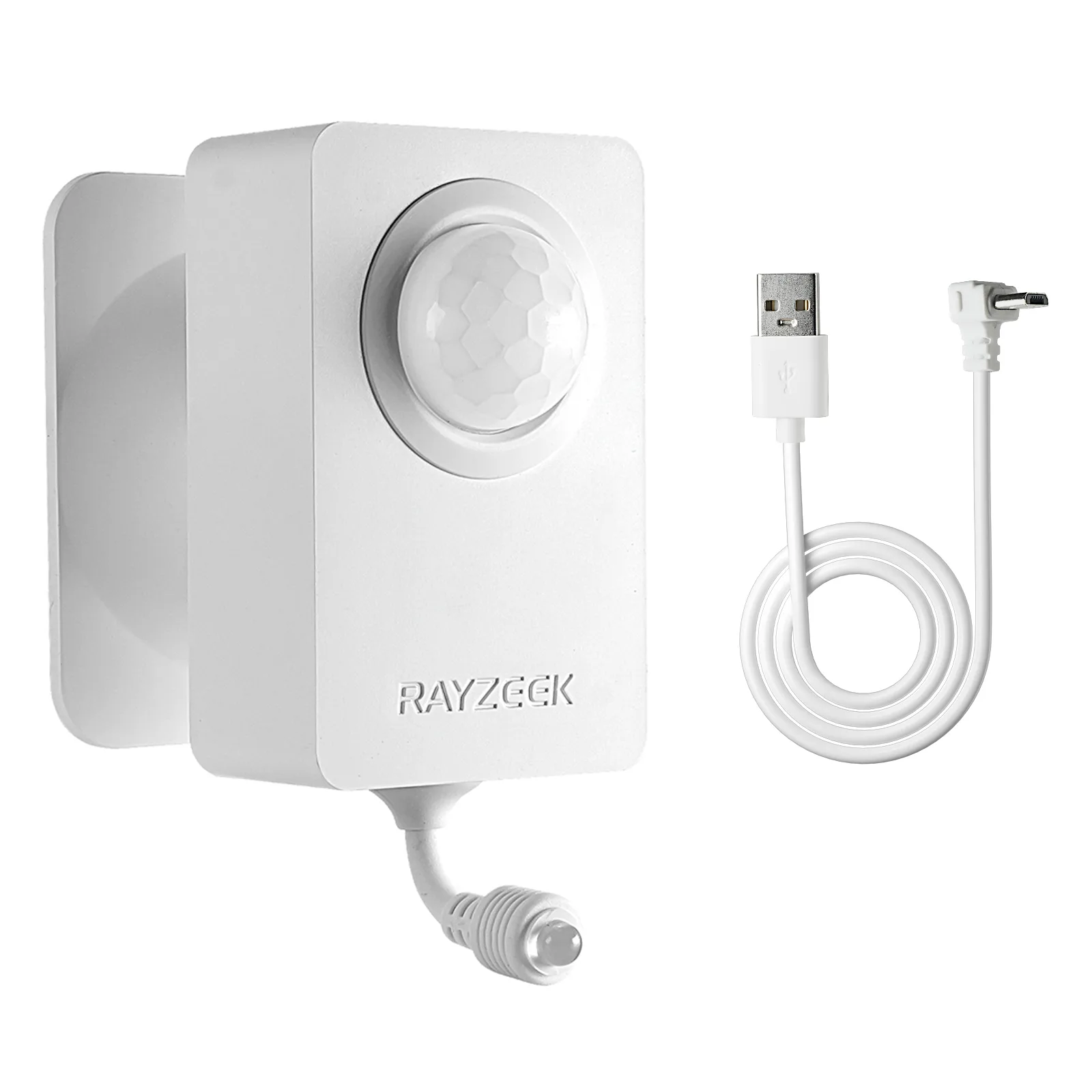
- Voltaggio: 2 batterie AAA / 5 V CC (Micro USB)
- Modalità giorno/notte
- Ritardo: 15min, 30min, 1h (default), 2h
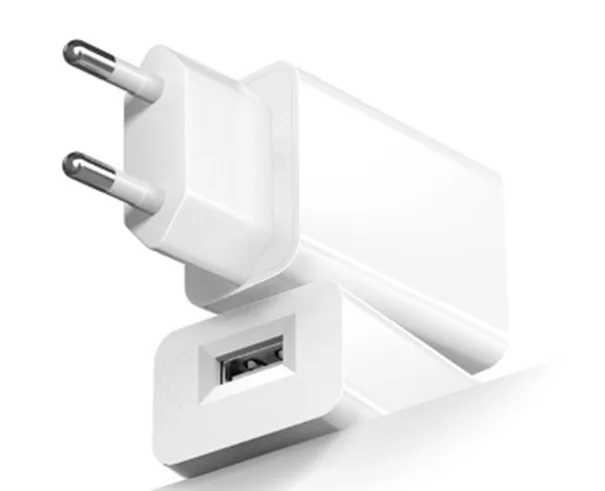
- Adattatore di alimentazione con spina EU
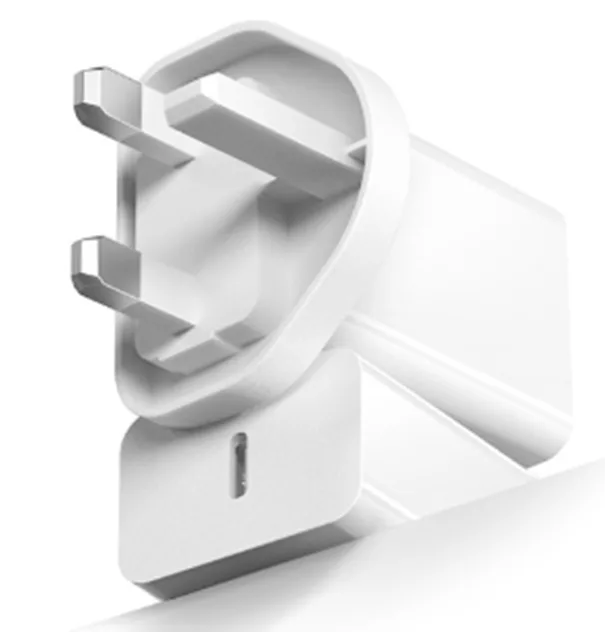
- Adattatore di alimentazione con spina UK
Lo scopo del VCP è quello di valutare il comfort visivo percepito dalle persone durante la visione di un sistema di illuminazione. Il discomfort dell'abbagliamento si riferisce all'interferenza con la visione causata da un'illuminazione eccessiva, che può causare disagio e riduzione delle prestazioni visive. Calcolando la percentuale di utenti che dovrebbero trovare accettabile il livello di abbagliamento, il VCP fornisce una misura quantitativa del comfort visivo complessivo offerto da un sistema di illuminazione.


