Qué es la fijación totalmente blindada
Una luminaria totalmente apantallada es un tipo de luminaria o tubo luminoso diseñado e instalado de forma que dirige toda la luz emitida por debajo del plano horizontal. Esto significa que no se proyecta ninguna luz por encima de la dirección horizontal, tanto si se origina directamente del lámparatubo o elemento difusor, o indirectamente a través de reflexión o refracción de cualquier parte del accesorio.
Tal vez le interese
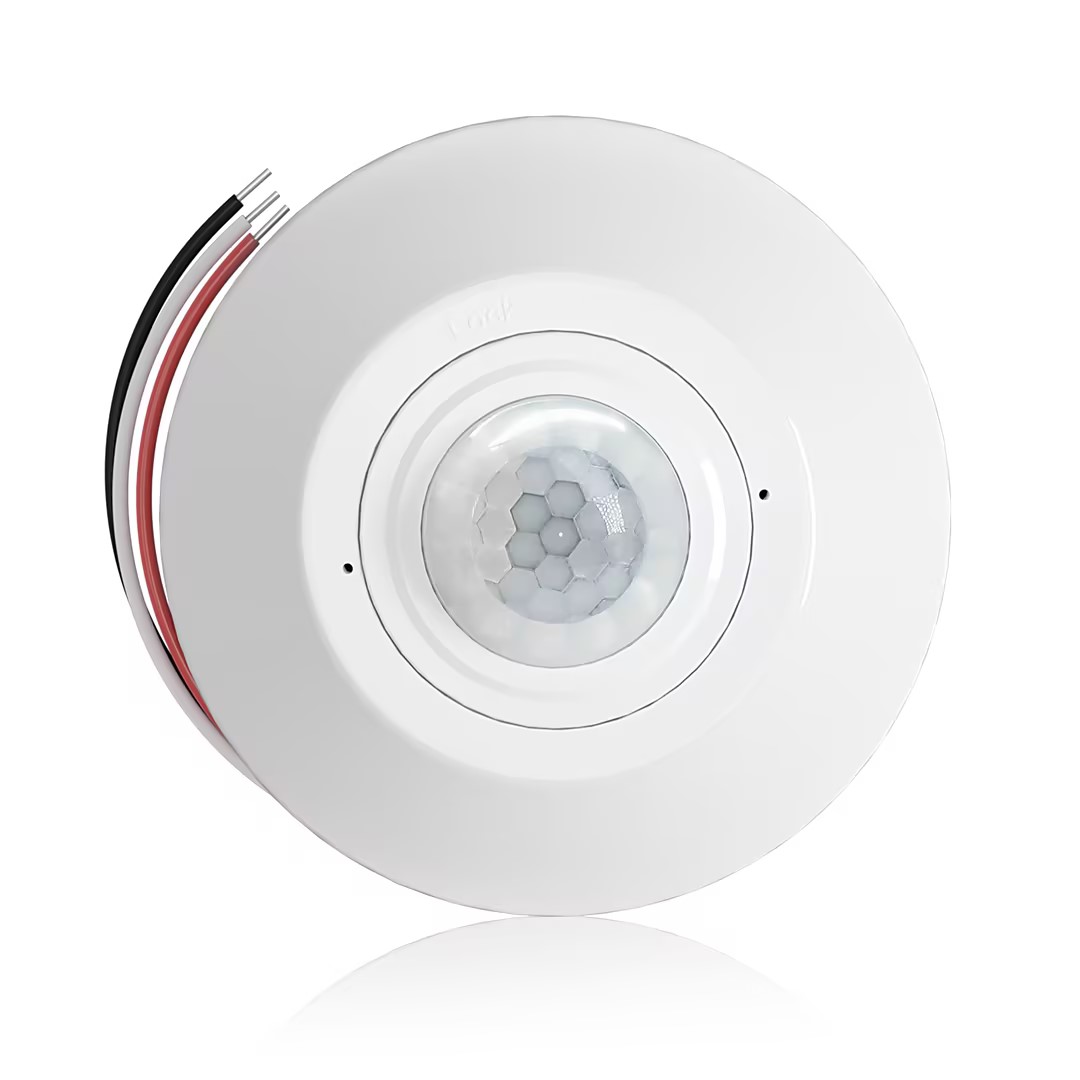
- Ceiling-mounted PIR occupancy sensor with dry-contact relay output
- 12/24VDC or 12/24VAC low-voltage supply
- COM, NO, and NC isolated relay contacts for EMS, HVAC, and building control inputs
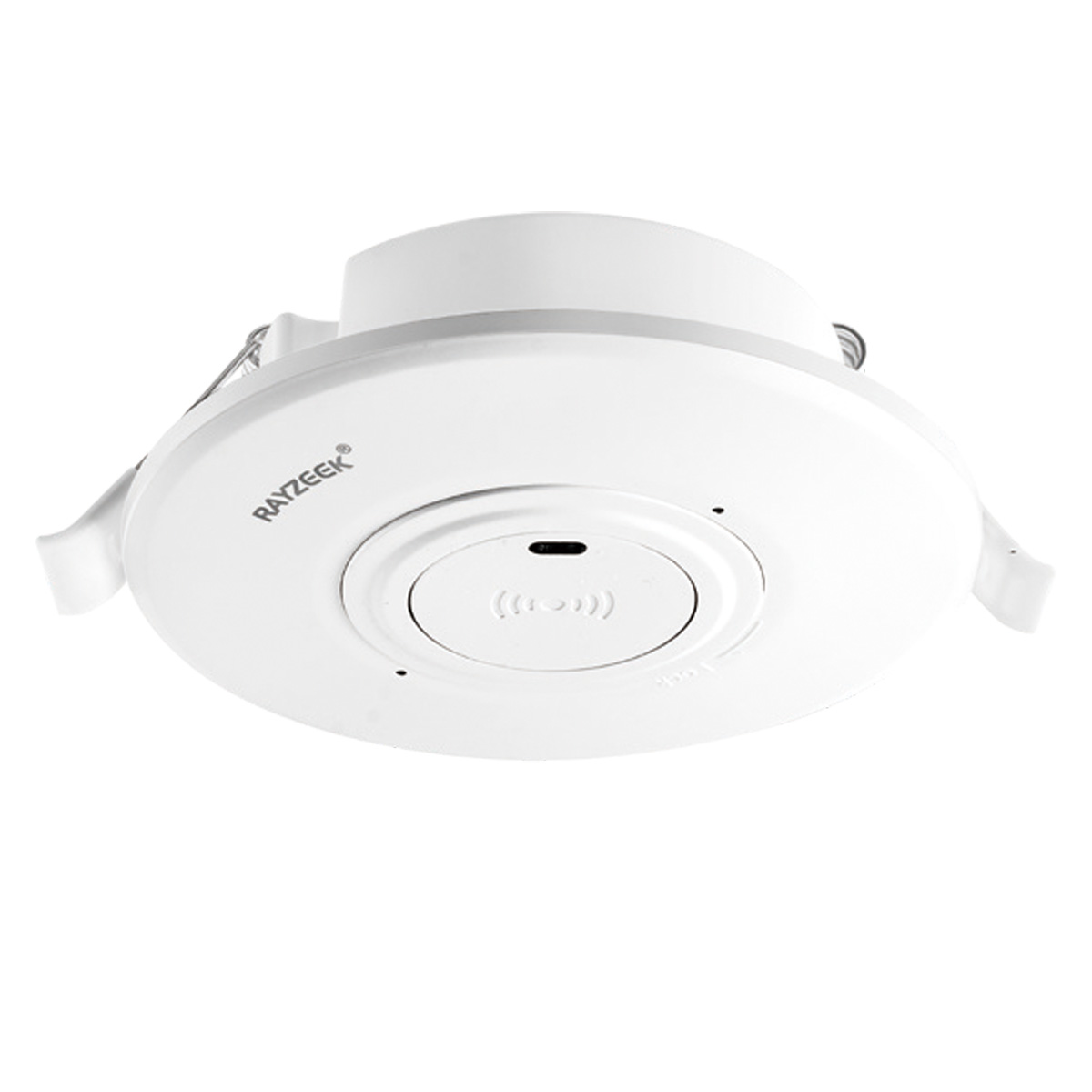
- Low-voltage DC recessed ceiling-mounted microwave motion sensor switch
- 12 VDC / 24 VDC input with 10-30 VDC range
- 10A max work current with adjustable time delay, Lux threshold, and sensitivity
- Higher-load recessed ceiling-mounted microwave motion sensor switch
- 100-265 VAC line-voltage input, 10A model
- 5.8 GHz microwave sensing with adjustable time delay, Lux threshold, and sensitivity
- Recessed ceiling-mounted microwave motion sensor switch
- 100-265 VAC line-voltage input, 5A model
- 5.8 GHz microwave sensing with adjustable time delay, Lux threshold, and sensitivity
- Ceiling-mounted RZ037 PIR occupancy sensor dimmer for 220V power
- 3A maximum working current with 660W rated load
- LUX button controls light-sensor ON/OFF and user-set dimming brightness
- Ceiling-mounted RZ037 PIR occupancy sensor dimmer for 110V power
- 3A maximum working current with 330W rated load
- LUX button controls light-sensor ON/OFF and user-set dimming brightness
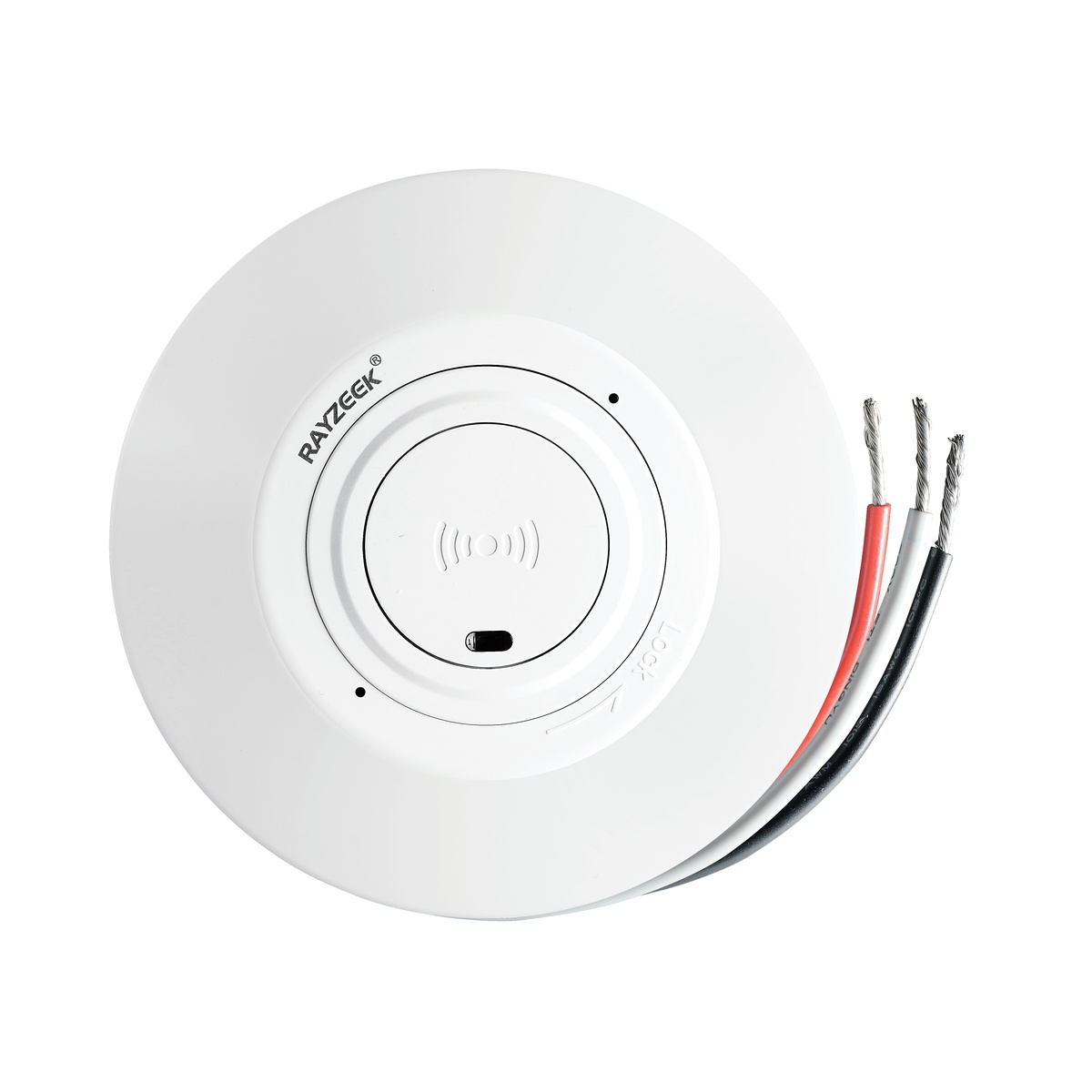
- Low-voltage DC ceiling-mounted microwave motion sensor switch
- 12 VDC / 24 VDC input with 10-30 VDC range
- 10A max work current with adjustable time delay, Lux threshold, and sensitivity
- Higher-load ceiling-mounted microwave motion sensor switch
- 100-265 VAC line-voltage input, 10A model
- 5.8 GHz microwave sensing with adjustable time delay, Lux threshold, and sensitivity
- Ceiling-mounted microwave motion sensor switch
- 100-265 VAC line-voltage input, 5A model
- 5.8 GHz microwave sensing with adjustable time delay, Lux threshold, and sensitivity
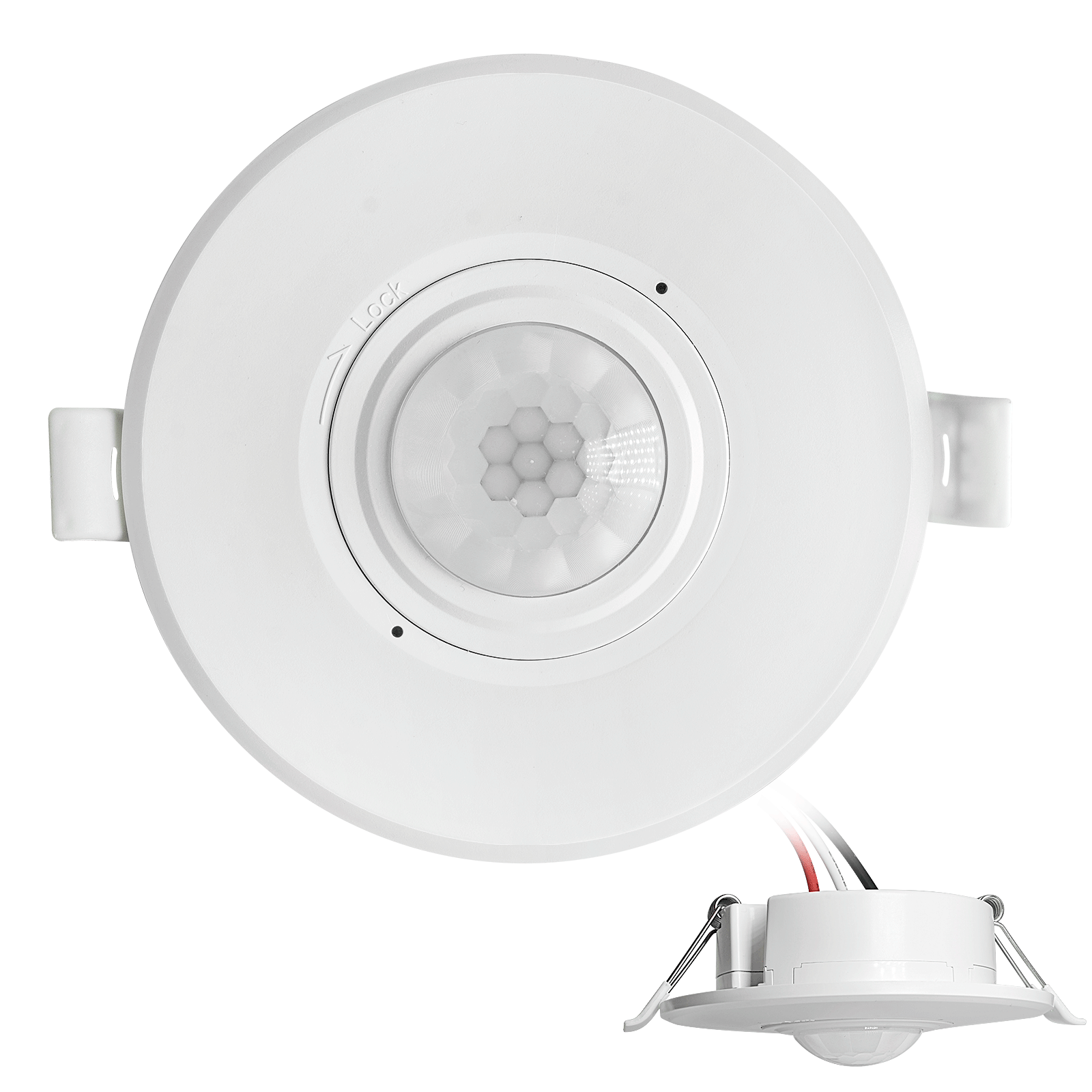
- Low-voltage DC recessed ceiling mount PIR motion sensor switch
- 12 VDC / 24 VDC input with 10-30 VDC range
- Max work current 10A with adjustable time delay, Lux threshold, and sensitivity
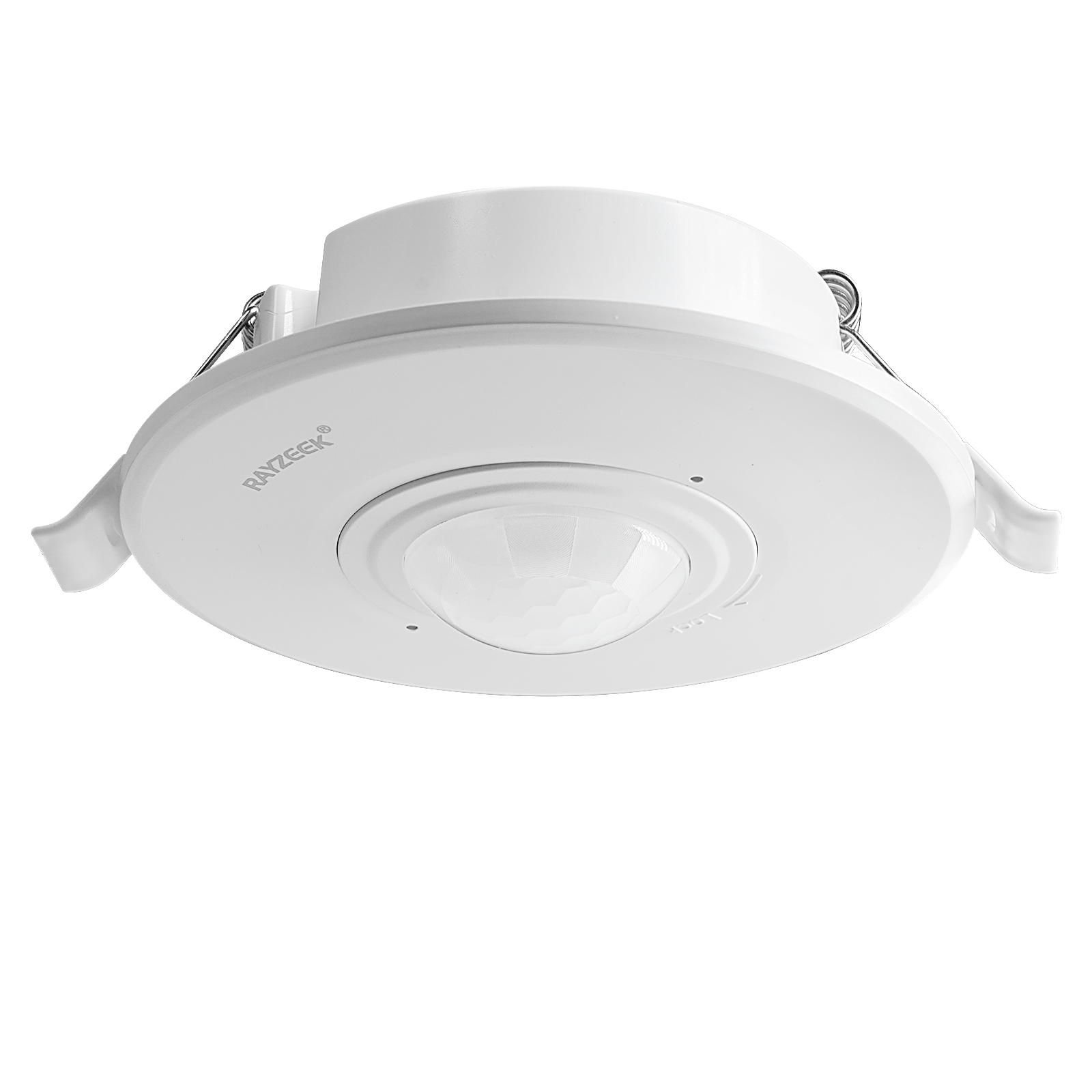
- Higher-load recessed ceiling mount PIR motion sensor switch
- 100-265 VAC line-voltage input, 10A model
- 360-degree detection with adjustable time delay, Lux threshold, and sensitivity
- Recessed ceiling mount PIR motion sensor switch
- 100-265 VAC line-voltage input, 5A model
- 360-degree detection with adjustable time delay, Lux threshold, and sensitivity
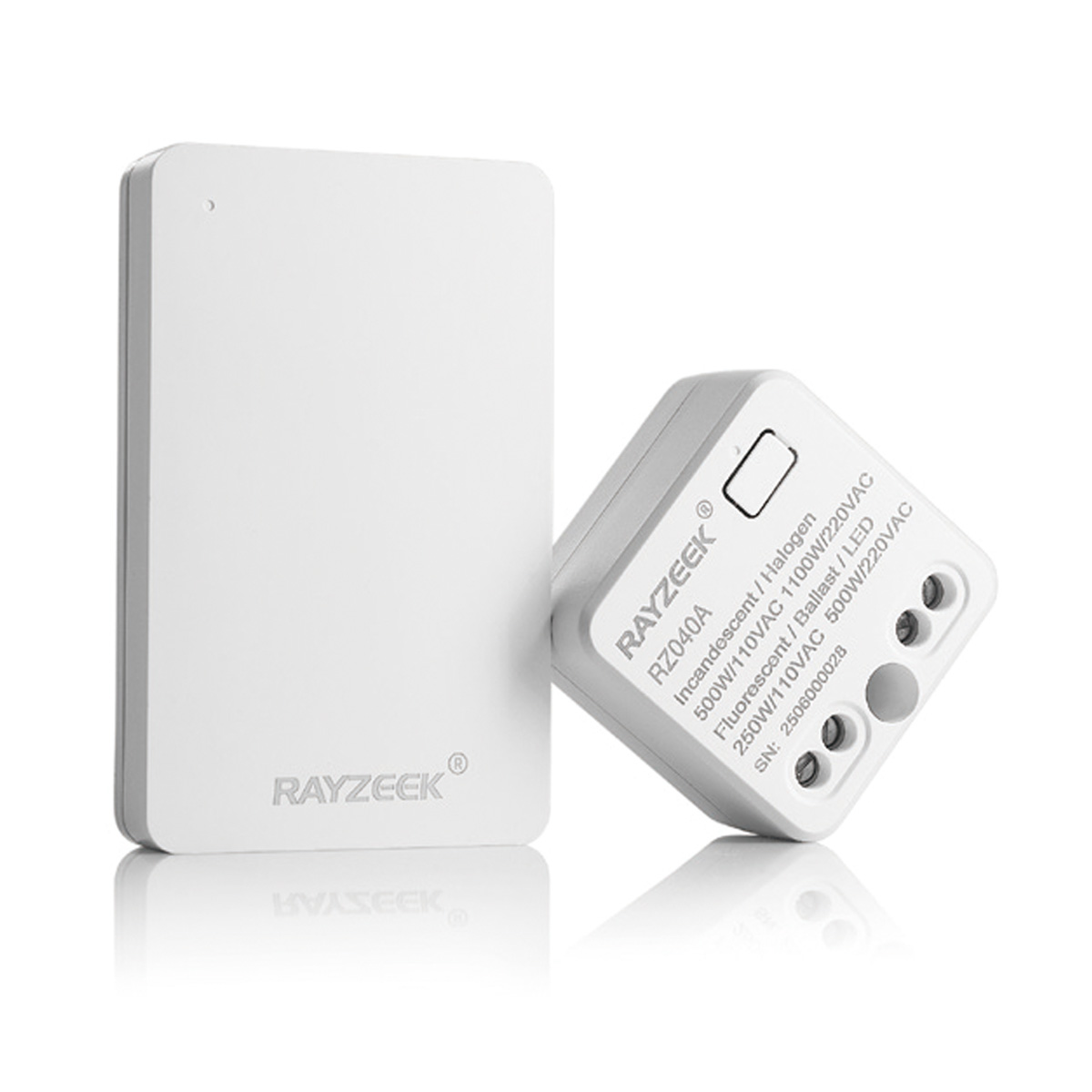
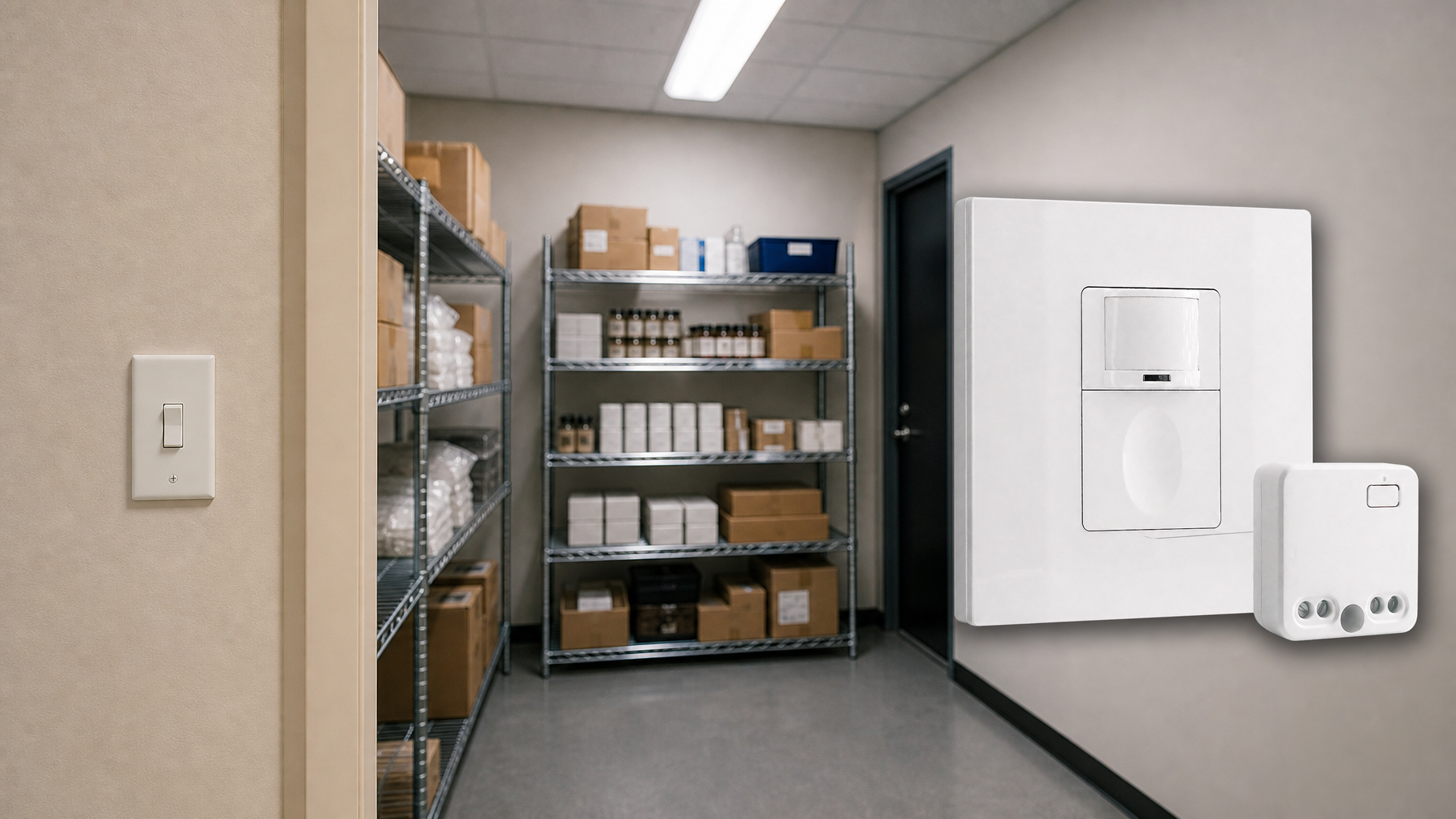
- Wireless switch and receiver kit for indoor ON/OFF lighting control
- 100-230VAC, 50/60Hz receiver with 5A rated current
- CR2032-powered wireless switch with 2.4GHz communication
- Ocupación (Encendido automático/Apagado automático)
- 12–24V DC (10–30VDC), hasta 10A
- Cobertura de 360°, diámetro de 8–12 m
- Retardo de tiempo 15 s–30 min
- Sensor de luz Apagado/15/25/35 Lux
- Alta/Baja sensibilidad
- Modo de ocupación Auto-ON/Auto-OFF
- 100–265V CA, 10A (se requiere neutro)
- Cobertura de 360°; diámetro de detección de 8–12 m
- Retardo de tiempo 15 s–30 min; Lux APAGADO/15/25/35; Sensibilidad Alta/Baja
- Modo de ocupación Auto-ON/Auto-OFF
- 100–265V AC, 5A (se requiere neutro)
- Cobertura de 360°; diámetro de detección de 8–12 m
- Retardo de tiempo 15 s–30 min; Lux APAGADO/15/25/35; Sensibilidad Alta/Baja
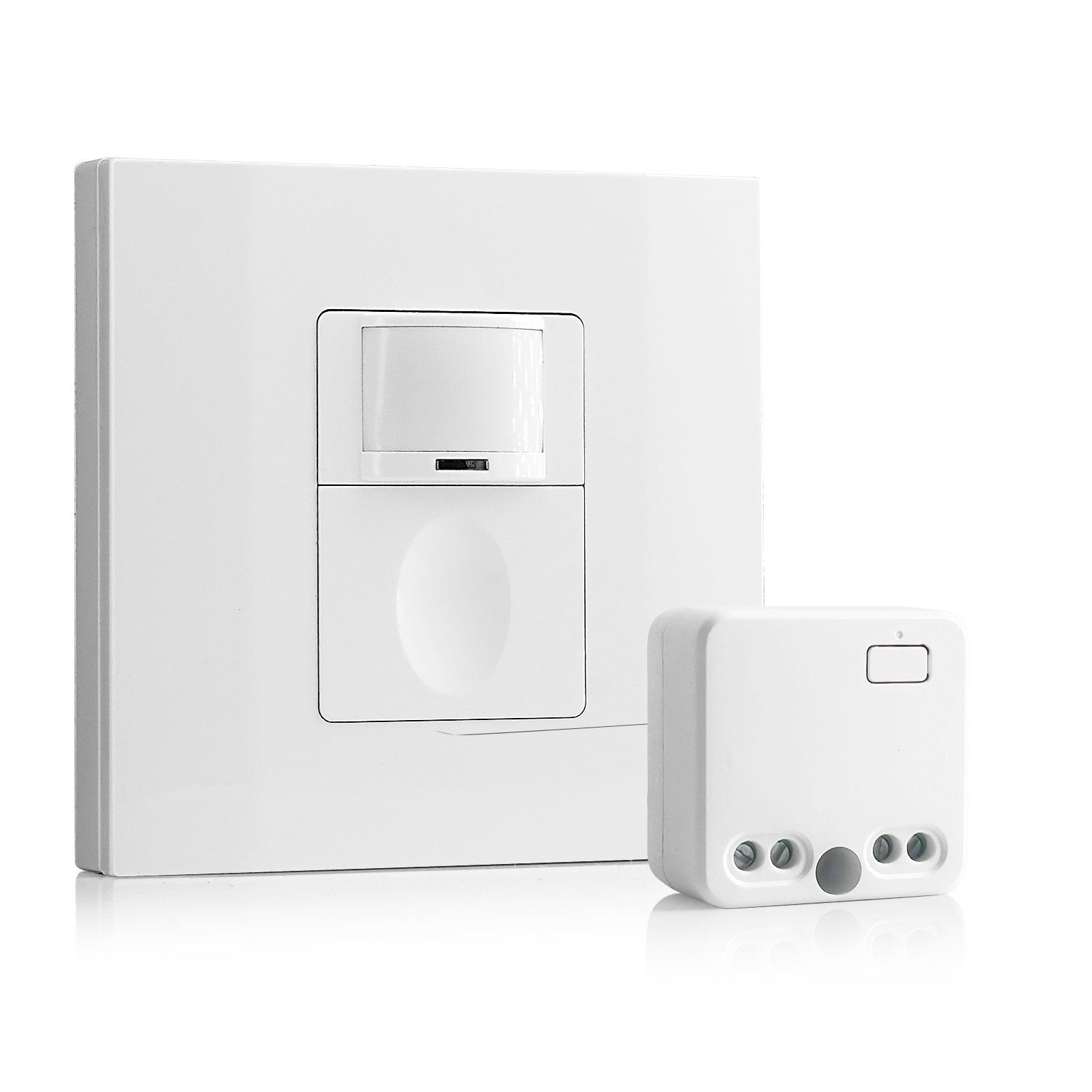
- 100V-230VAC
- Distancia de transmisión: hasta 20m
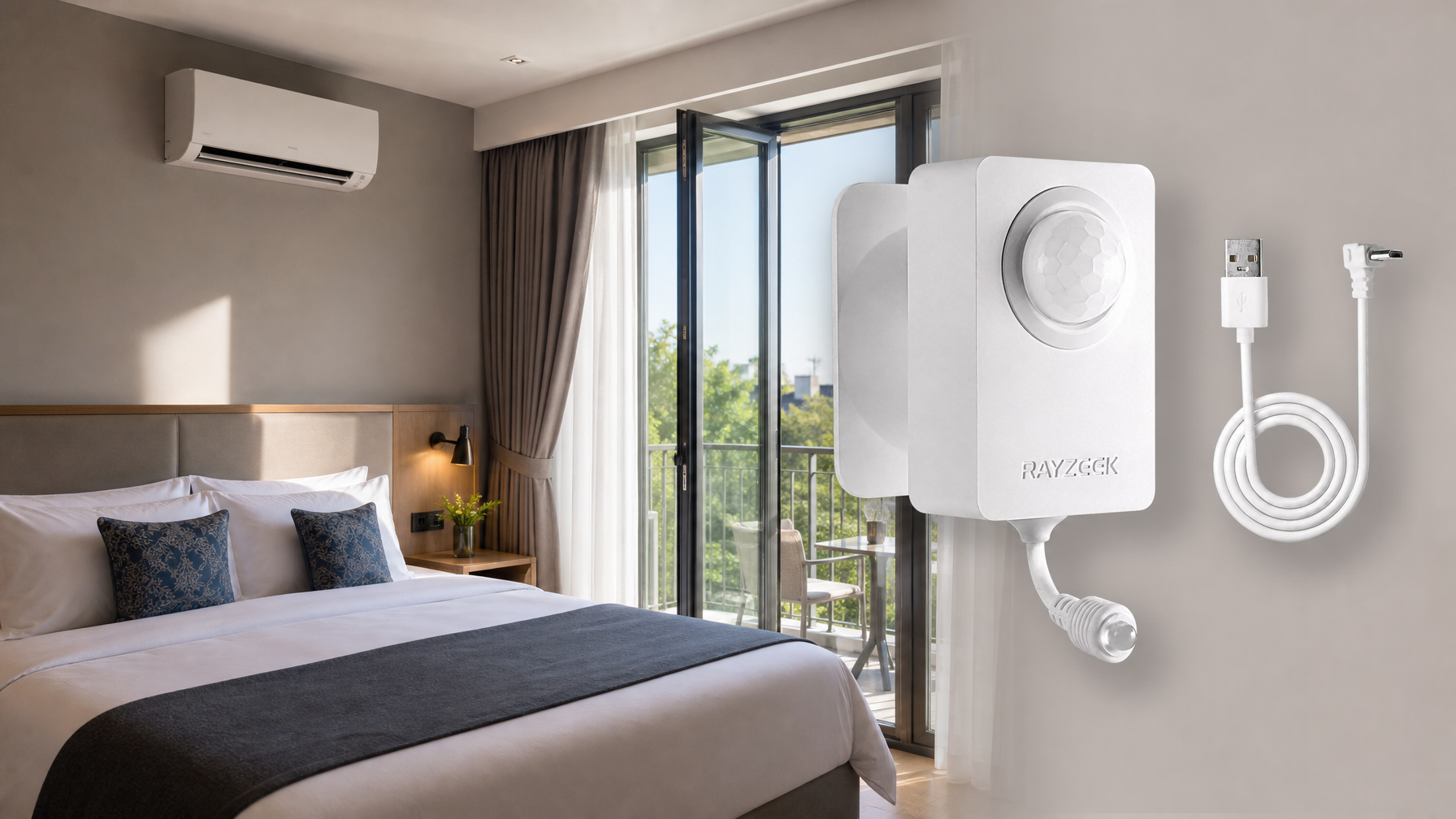
- Sensor de movimiento inalámbrico
- Control cableado
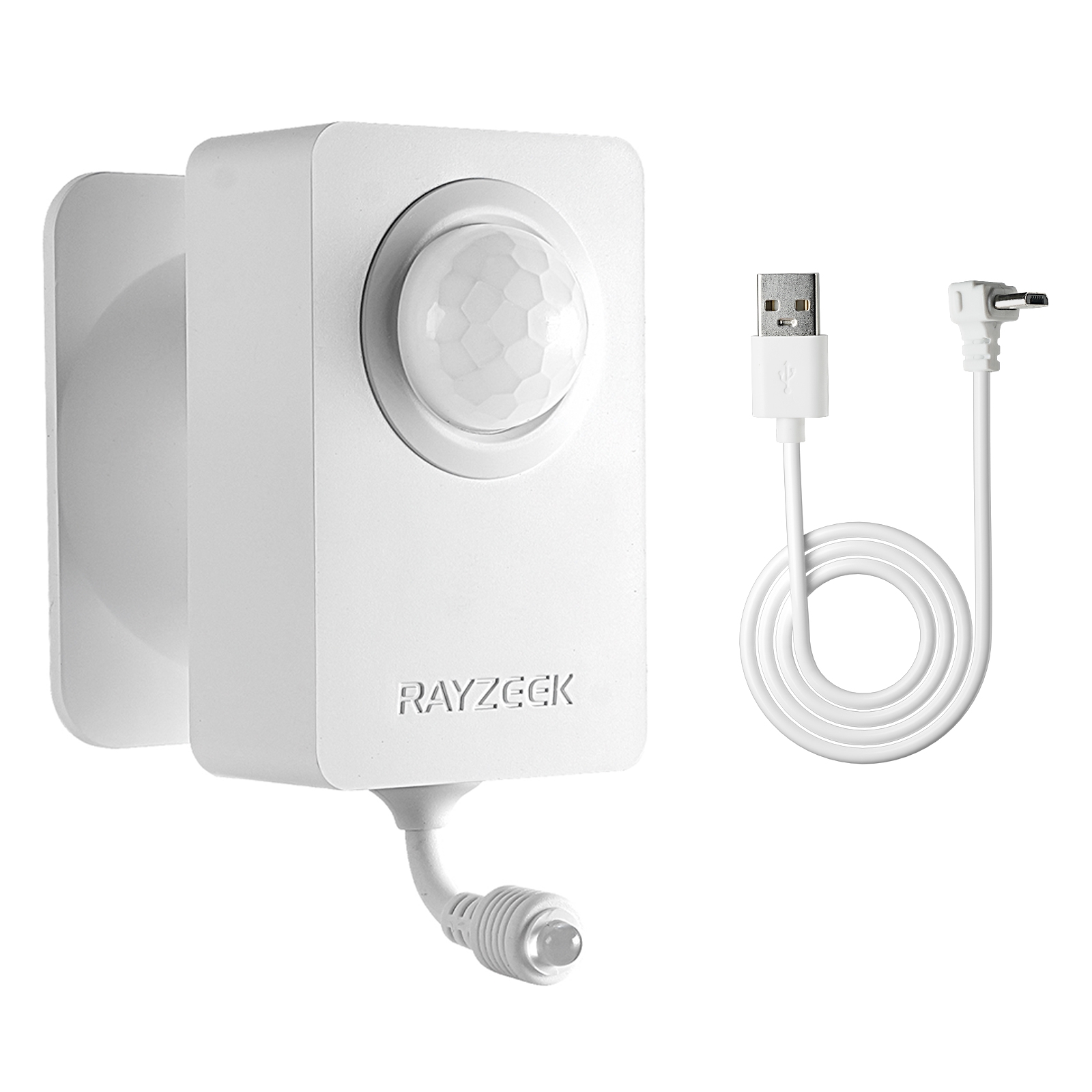
- Voltaje: 2 pilas AAA / 5 V CC (Micro USB)
- Modo Día/Noche
- Tiempo de retardo: 15min, 30min, 1h(por defecto), 2h
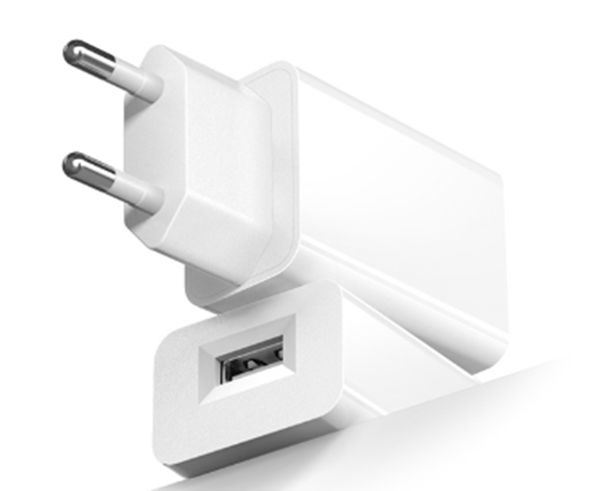
- Adaptador de corriente con enchufe europeo
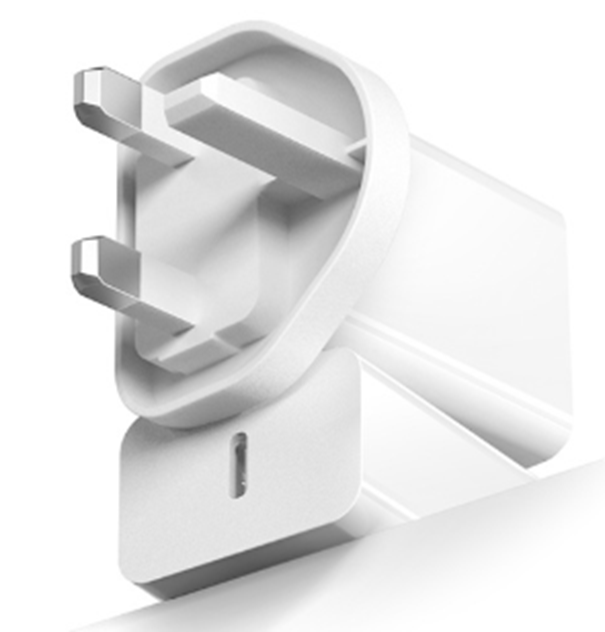
- Adaptador de corriente con enchufe del Reino Unido
Para determinar si una luminaria está totalmente apantallada, no debe tener lámparas visibles, superficies reflectantes ni cubiertas de lentes (transparentes o prismáticas) cuando se mira desde arriba o directamente desde el lateral, desde cualquier ángulo alrededor de la luminaria o el tubo. En esencia, la luminaria debe estar cerrada en la parte superior y montada de forma que la abertura inferior sea horizontal.
El objetivo principal de una luminaria totalmente apantallada es minimizar la contaminación lumínica y reducir el deslumbramiento. Al dirigir toda la salida de luz por debajo del plano horizontal, ayuda a evitar que la luz se derrame hacia el cielo o cause molestias a los residentes o conductores cercanos. Esto es especialmente importante en zonas donde se desea preservar el cielo oscuro, como observatorios o barrios residenciales.
Inspírese con las carteras de sensores de movimiento Rayzeek.
¿No encuentra lo que busca? No se preocupe. Siempre hay formas alternativas de resolver sus problemas. Quizá una de nuestras carteras pueda ayudarle.
Preguntas frecuentes
¿Por qué se recomiendan las luminarias totalmente apantalladas?
Una luminaria totalmente apantallada está diseñada de tal forma que la fuente de luz no es visible para las personas o la fauna que se encuentran cerca. Al utilizar iluminación totalmente apantallada, puede evitar de forma eficaz la intrusión de luz en la propiedad de sus vecinos y minimizar tanto el deslumbramiento como el resplandor del cielo.
¿Cuál es la diferencia entre las luces apantalladas y las no apantalladas?
Las luces no apantalladas, a diferencia de las apantalladas, no sólo dirigen la luz hacia el suelo por motivos de seguridad. Al contrario, permiten que la luz se disperse en varias direcciones. Por otro lado, las luces totalmente apantalladas, también denominadas "luces de corte total" o "luces FCO", se consideran la opción óptima para las luminarias respetuosas con el cielo nocturno.