O que é a bateria de reserva de emergência
A bateria de reserva de emergência refere-se a uma caraterística comummente encontrada em luminárias que assegura o funcionamento contínuo durante cortes ou falhas de energia. Quando um edifício sofre uma perda de energia regular, as luminárias equipadas com esta capacidade mudam para o modo de emergência, utilizando baterias de reserva para fornecer iluminação para áreas de segurança chave, rotas de fuga e equipamento de segurança. Estas baterias de reserva são concebidas para alimentar luzes de emergência, sinais de saída, ou ambos, durante um período mínimo de 90 minutos.
Talvez esteja interessado em
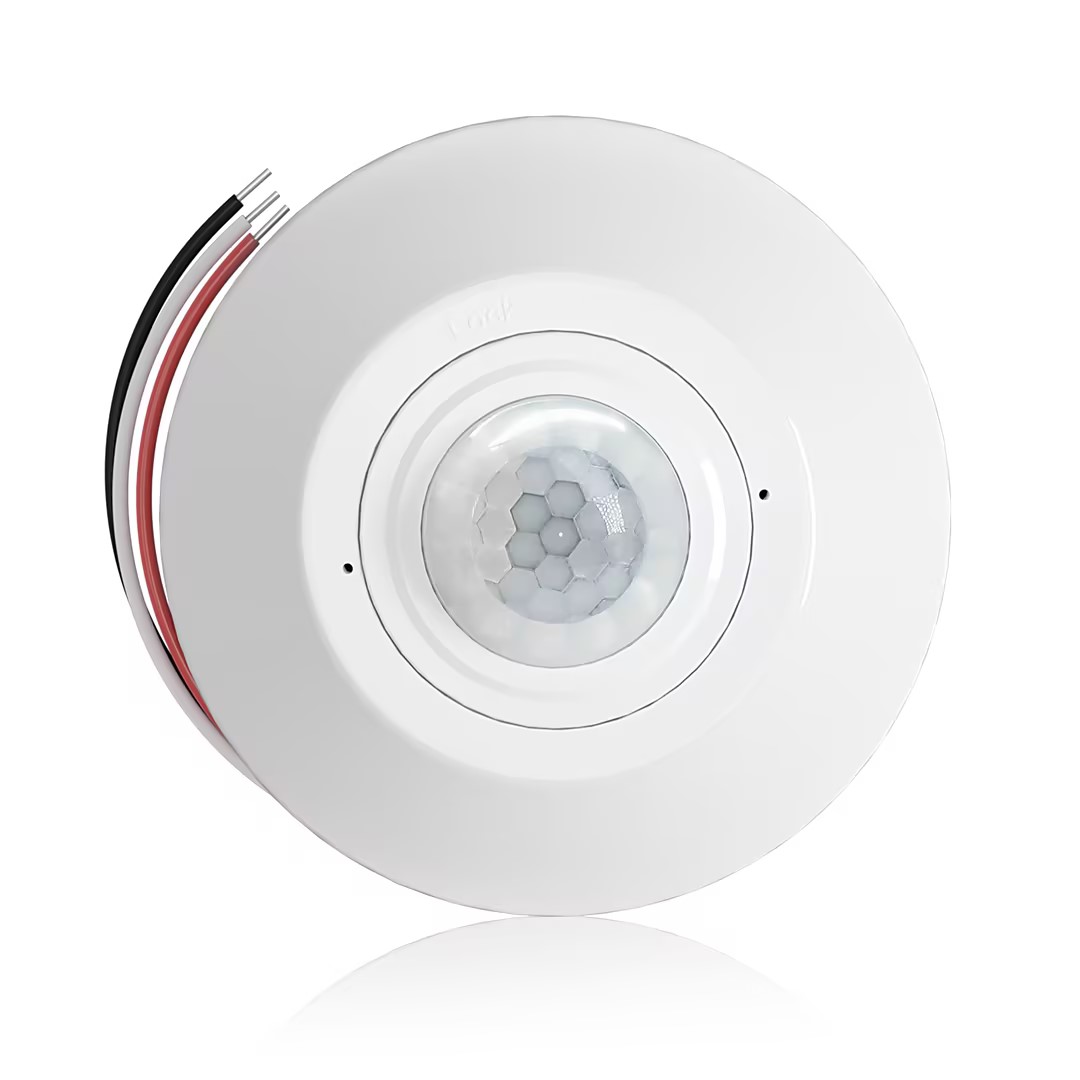
- Ceiling-mounted PIR occupancy sensor with dry-contact relay output
- 12/24VDC or 12/24VAC low-voltage supply
- COM, NO, and NC isolated relay contacts for EMS, HVAC, and building control inputs
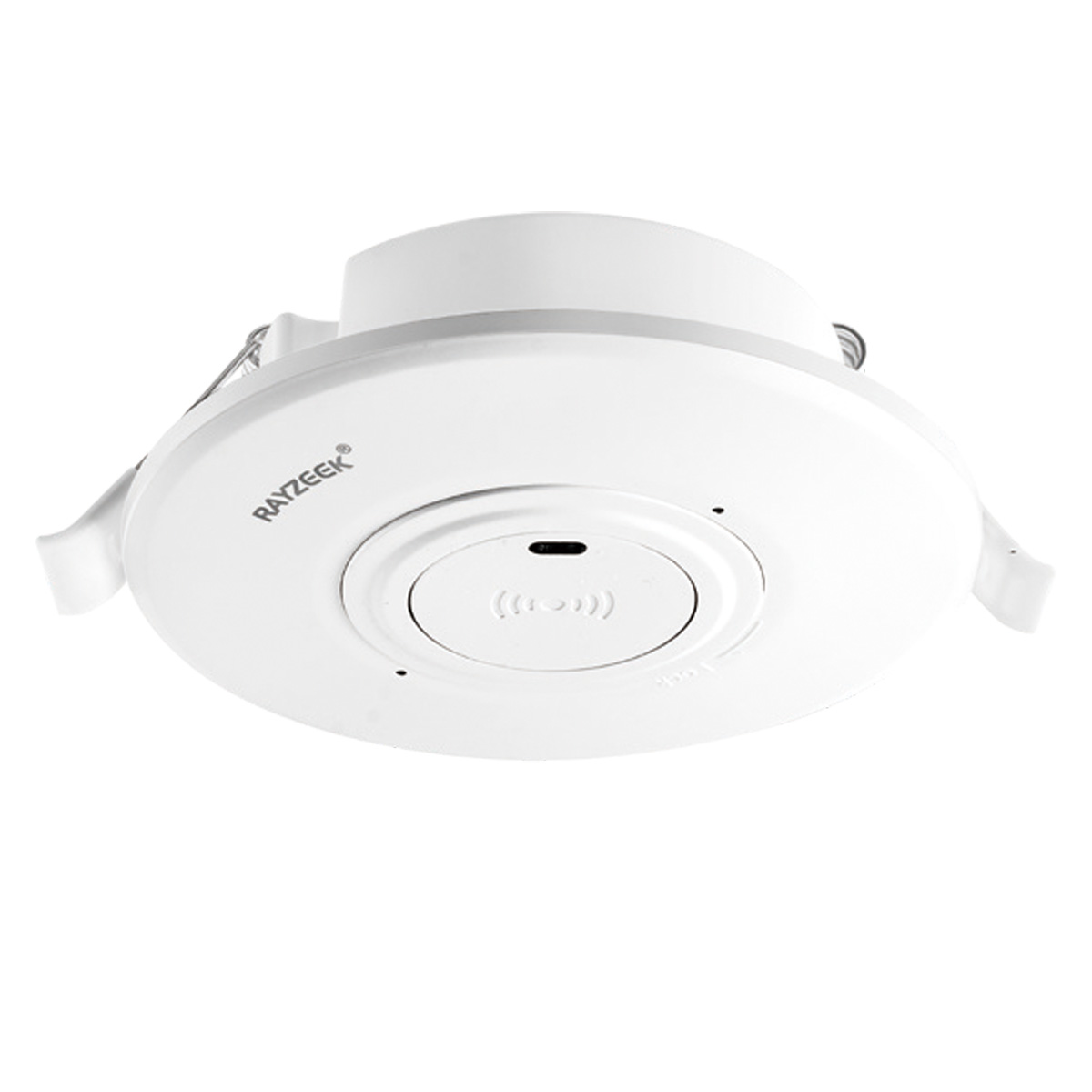
- Low-voltage DC recessed ceiling-mounted microwave motion sensor switch
- 12 VDC / 24 VDC input with 10-30 VDC range
- 10A max work current with adjustable time delay, Lux threshold, and sensitivity
- Higher-load recessed ceiling-mounted microwave motion sensor switch
- 100-265 VAC line-voltage input, 10A model
- 5.8 GHz microwave sensing with adjustable time delay, Lux threshold, and sensitivity
- Recessed ceiling-mounted microwave motion sensor switch
- 100-265 VAC line-voltage input, 5A model
- 5.8 GHz microwave sensing with adjustable time delay, Lux threshold, and sensitivity
- Ceiling-mounted RZ037 PIR occupancy sensor dimmer for 220V power
- 3A maximum working current with 660W rated load
- LUX button controls light-sensor ON/OFF and user-set dimming brightness
- Ceiling-mounted RZ037 PIR occupancy sensor dimmer for 110V power
- 3A maximum working current with 330W rated load
- LUX button controls light-sensor ON/OFF and user-set dimming brightness
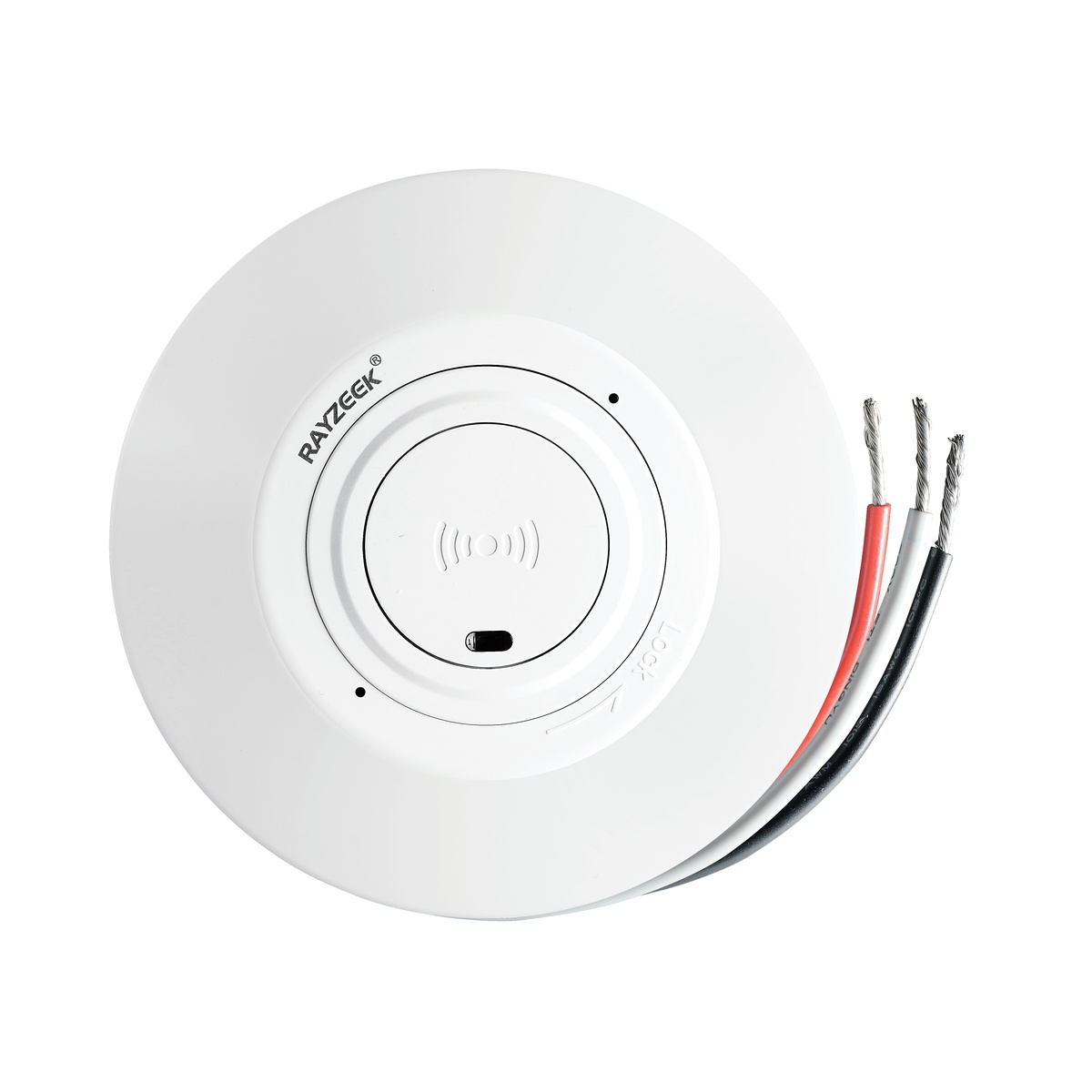
- Low-voltage DC ceiling-mounted microwave motion sensor switch
- 12 VDC / 24 VDC input with 10-30 VDC range
- 10A max work current with adjustable time delay, Lux threshold, and sensitivity
- Higher-load ceiling-mounted microwave motion sensor switch
- 100-265 VAC line-voltage input, 10A model
- 5.8 GHz microwave sensing with adjustable time delay, Lux threshold, and sensitivity
- Ceiling-mounted microwave motion sensor switch
- 100-265 VAC line-voltage input, 5A model
- 5.8 GHz microwave sensing with adjustable time delay, Lux threshold, and sensitivity
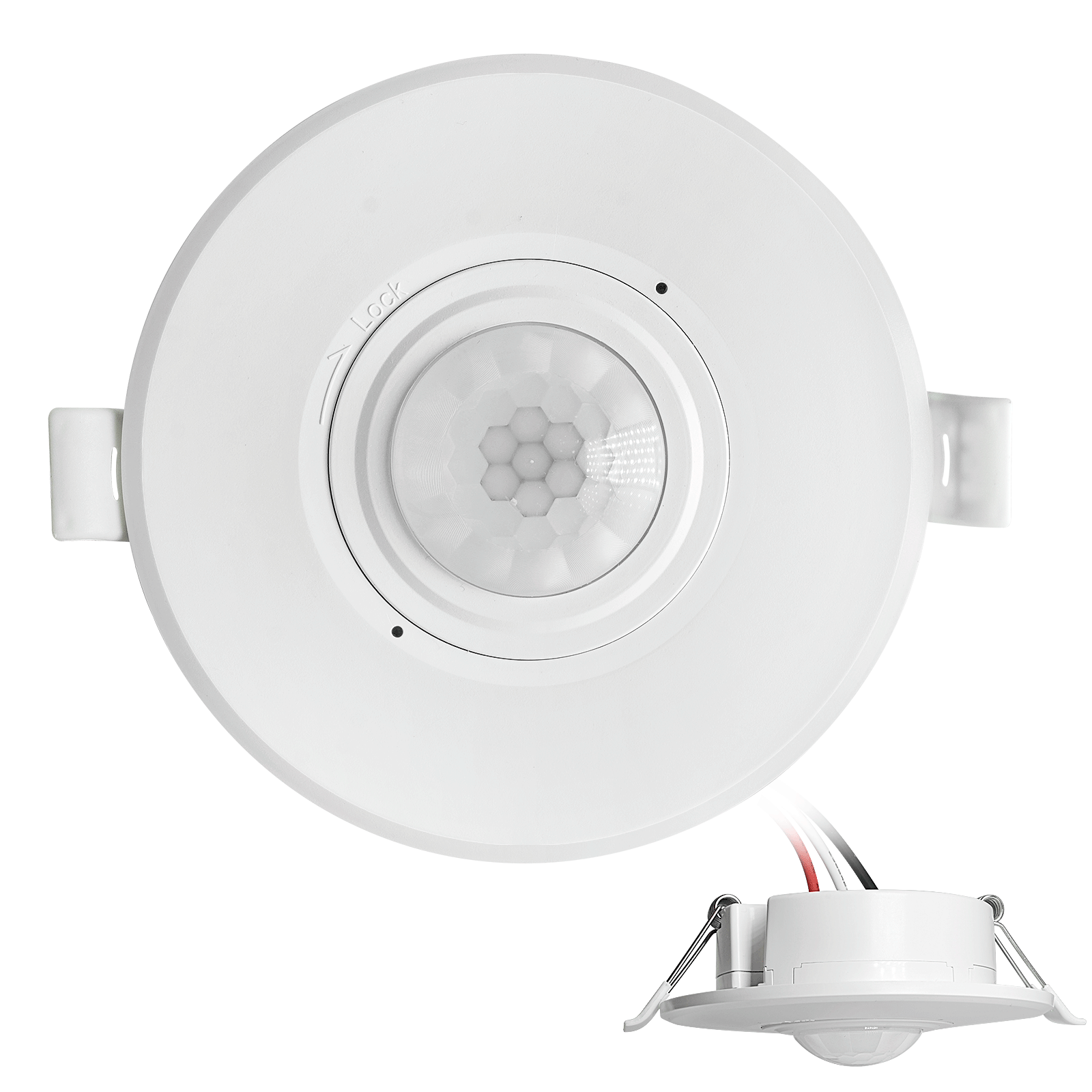
- Low-voltage DC recessed ceiling mount PIR motion sensor switch
- 12 VDC / 24 VDC input with 10-30 VDC range
- Max work current 10A with adjustable time delay, Lux threshold, and sensitivity
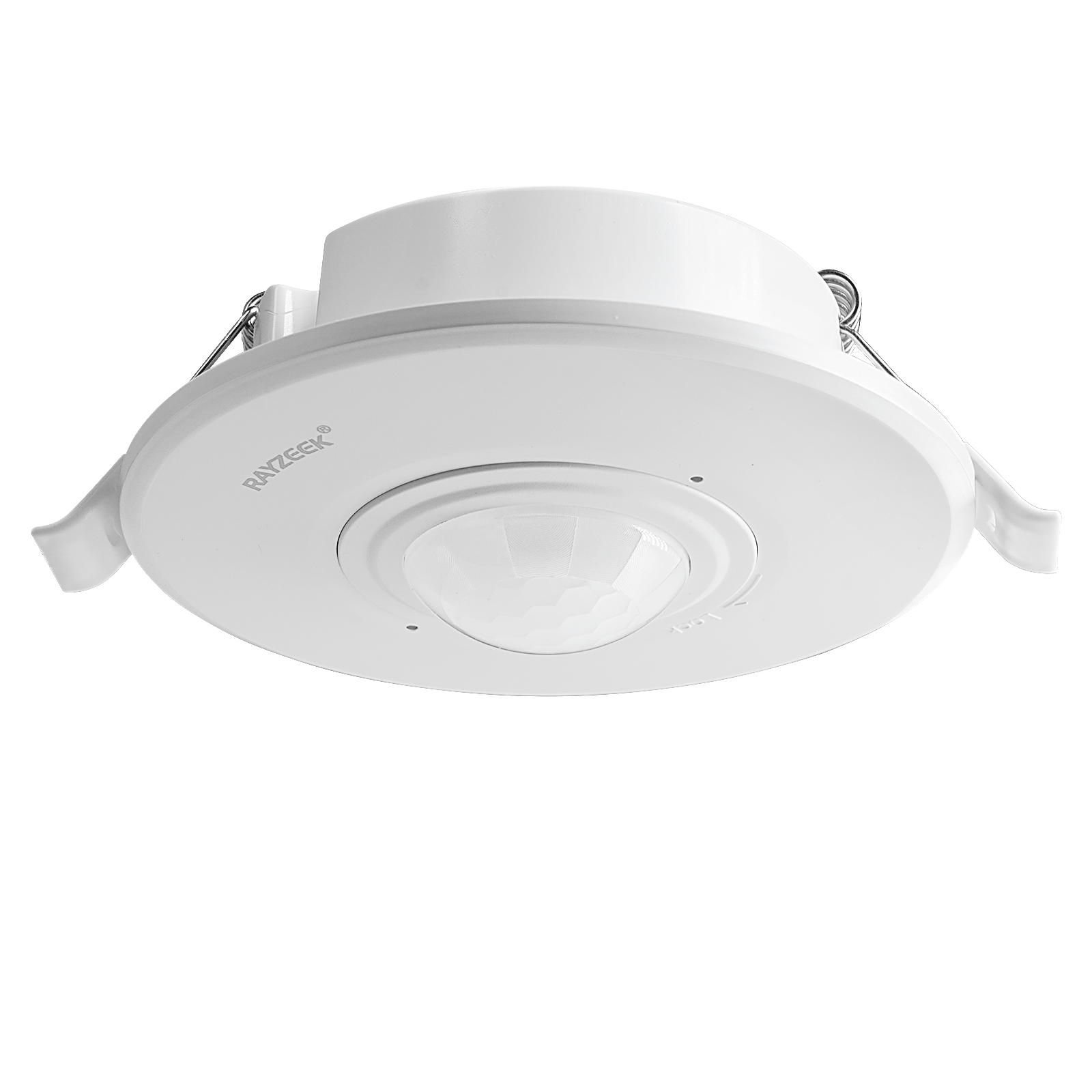
- Higher-load recessed ceiling mount PIR motion sensor switch
- 100-265 VAC line-voltage input, 10A model
- 360-degree detection with adjustable time delay, Lux threshold, and sensitivity
- Recessed ceiling mount PIR motion sensor switch
- 100-265 VAC line-voltage input, 5A model
- 360-degree detection with adjustable time delay, Lux threshold, and sensitivity
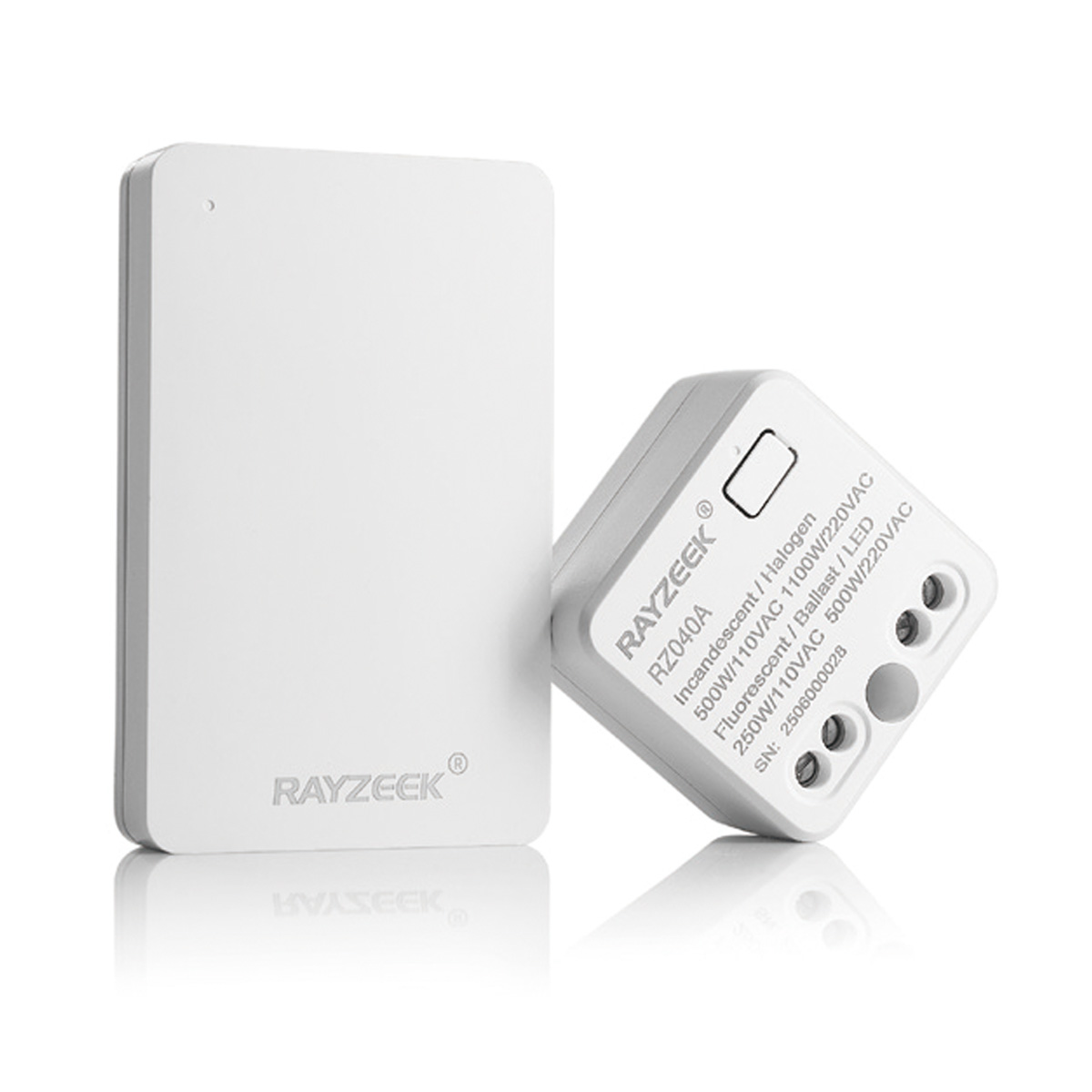
- Wireless switch and receiver kit for indoor ON/OFF lighting control
- 100-230VAC, 50/60Hz receiver with 5A rated current
- CR2032-powered wireless switch with 2.4GHz communication
- Presença (Auto-LIGAR/Auto-DESLIGAR)
- 12–24V DC (10–30VDC), até 10A
- Cobertura de 360°, diâmetro de 8–12 m
- Atraso de tempo 15 s–30 min
- Sensor de luz Desligado/15/25/35 Lux
- Alta/Baixa sensibilidade
- Modo de ocupação Auto-ON/Auto-OFF
- 100–265V CA, 10A (neutro necessário)
- Cobrimento de 360°; diâmetro de detecção de 8–12 m
- Atraso de tempo 15 s–30 min; Lux DESL/15/25/35; Sensibilidade Alta/Baixa
- Modo de ocupação Auto-ON/Auto-OFF
- 100–265V AC, 5A (necessário neutro)
- Cobrimento de 360°; diâmetro de detecção de 8–12 m
- Atraso de tempo 15 s–30 min; Lux DESL/15/25/35; Sensibilidade Alta/Baixa
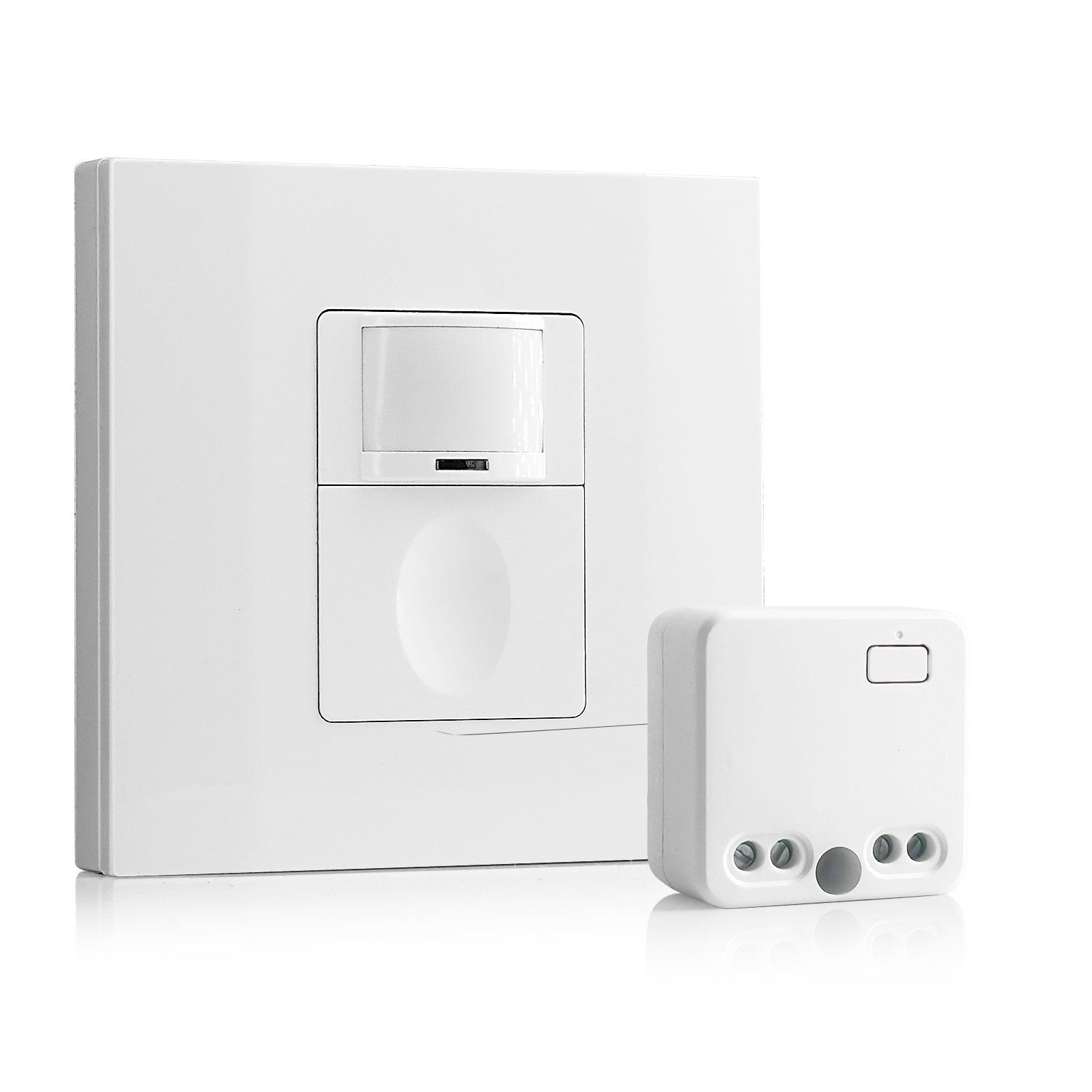
- 100V-230VAC
- Distância de Transmissão: até 20m
- Sensor de movimento sem fio
- Controle com fiação
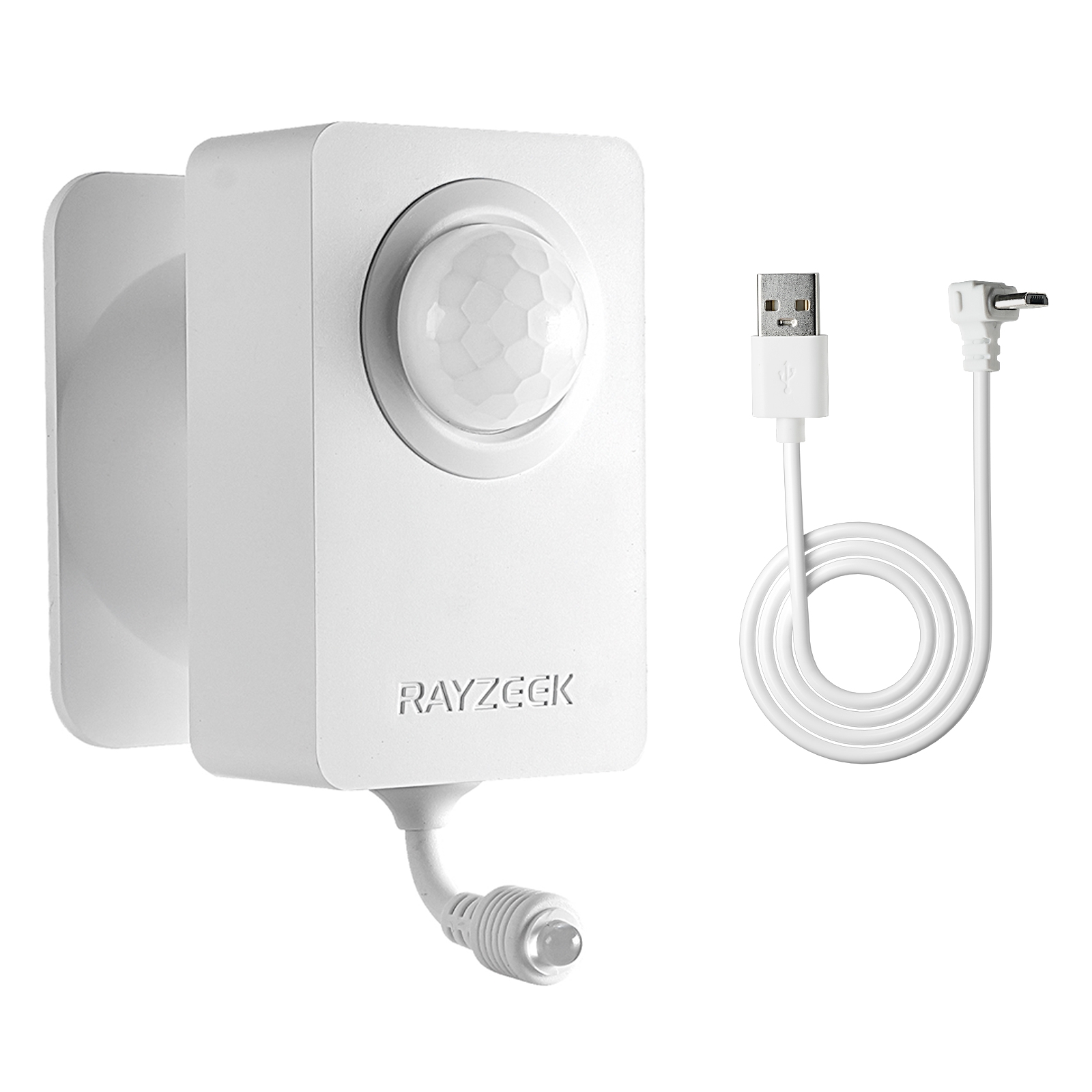
- Voltagem: 2x Pilhas AAA / 5V DC (Micro USB)
- Modo dia/noite
- Tempo de atraso: 15min, 30min, 1h (predefinição), 2h
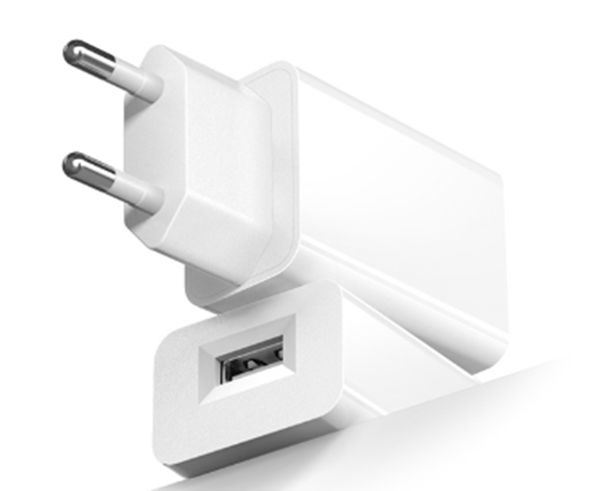
- Adaptador de alimentação com ficha da UE
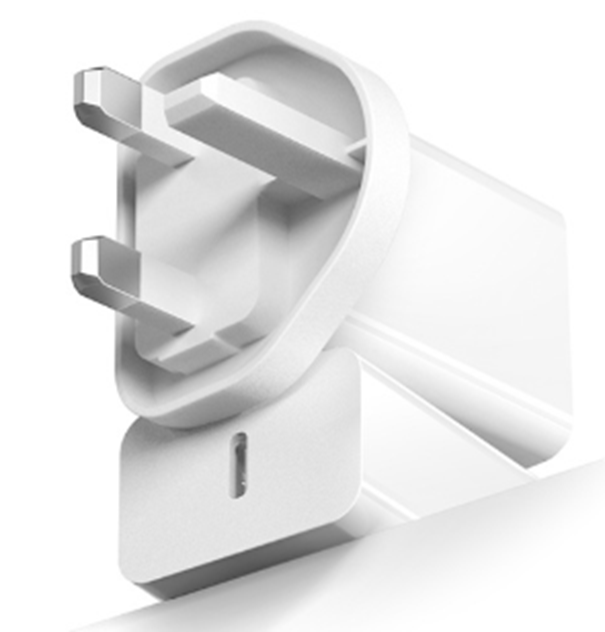
- Adaptador de alimentação com ficha do Reino Unido
As luzes de emergência com bateria de reserva não só são cruciais para a segurança dos edifícios, como também são necessárias para cumprir códigos municipais e UL na América do Norte. São particularmente necessários em edifícios privados e comerciais, onde os sinais de saída operados por bateria são obrigatórios há muitos anos. Estas luminárias estão disponíveis em várias opções para se adaptarem a diferentes ambientes, incluindo condições adversas ou húmidas.