
Che cos'è la Luce Fantasma
Una luce fantasma è un termine che descrive una singola lampada che viene lasciata illuminata sul palco quando il teatro non è in uso. Il lume fantasma è una misura di sicurezza che previene incidenti e infortuni nel teatro vuoto e buio. La tradizione del lume fantasma affonda le sue radici nella credenza che i teatri siano abitati da fantasmi, e si ritiene che lasciare una luce sul palco allontani questi spiriti. È anche visto come un simbolo di cura e rispetto all'interno della comunità teatrale, a significare che anche durante i periodi di inattività, il personale del teatro si prende cura l'uno dell'altro. La luce fantasma è in genere una soluzione a basso costo per mantenere il palcoscenico minimamente illuminato durante i periodi di non spettacolo, garantendo la sicurezza di coloro che possono entrare in teatro.
Forse siete interessati a
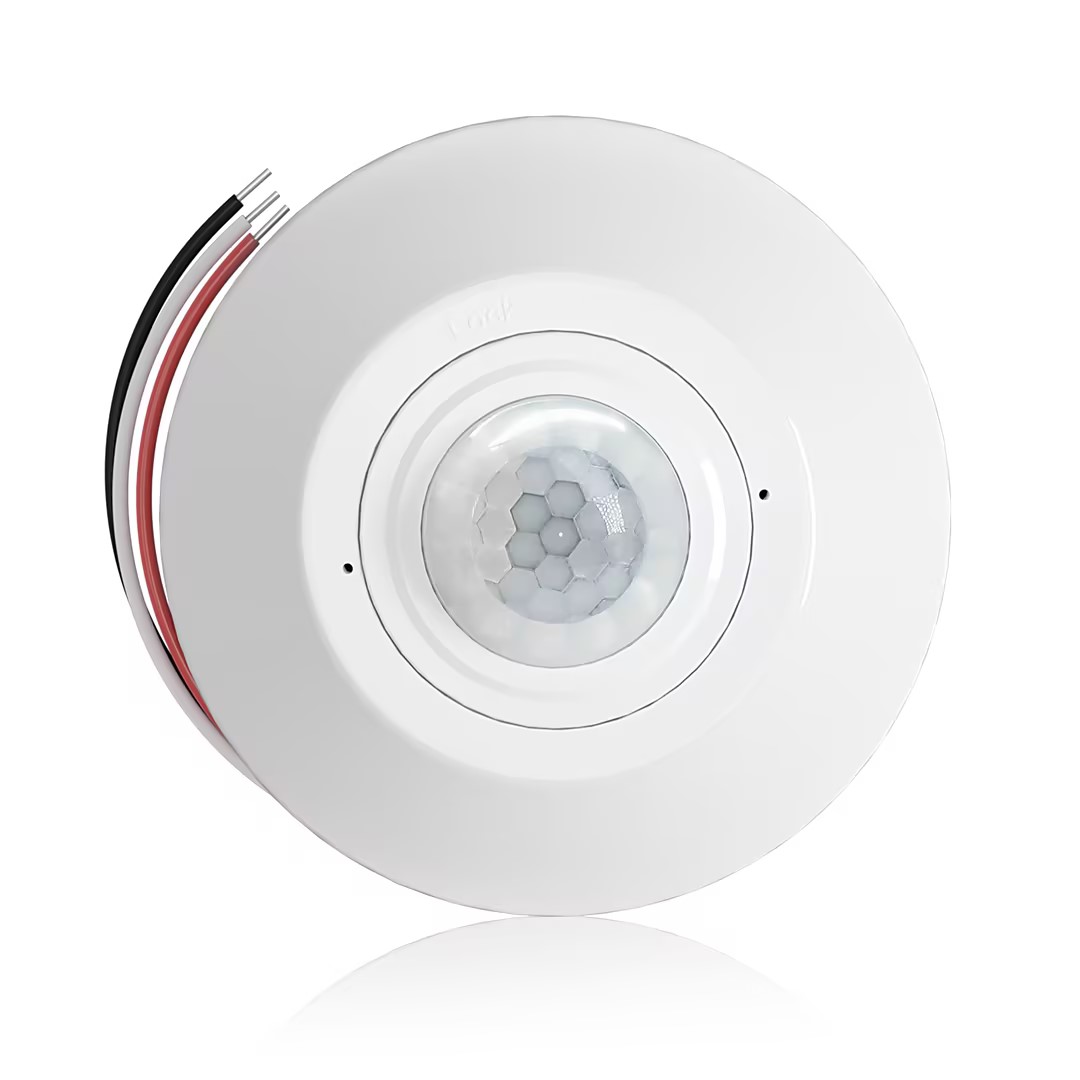
- Ceiling-mounted PIR occupancy sensor with dry-contact relay output
- 12/24VDC or 12/24VAC low-voltage supply
- COM, NO, and NC isolated relay contacts for EMS, HVAC, and building control inputs
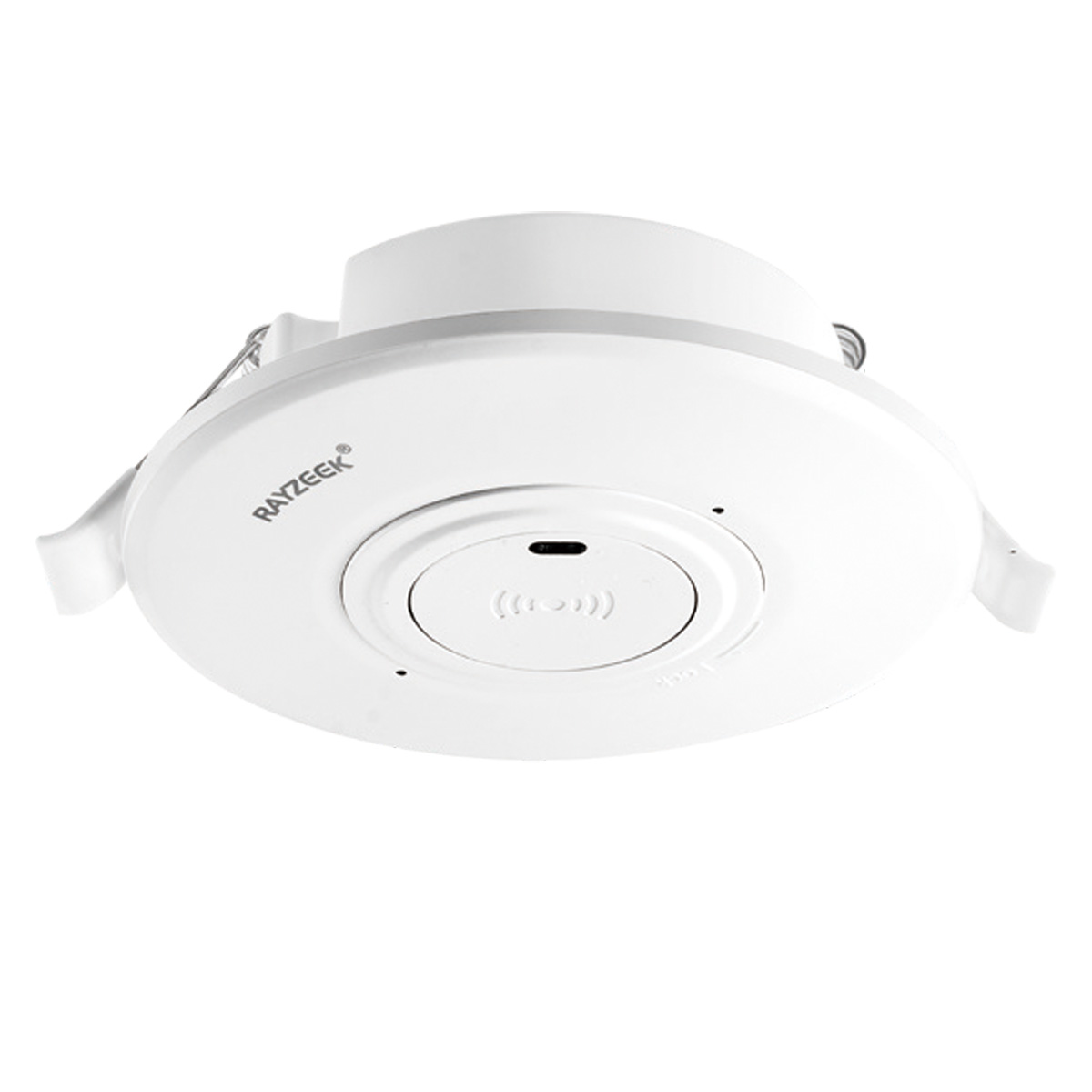
- Low-voltage DC recessed ceiling-mounted microwave motion sensor switch
- 12 VDC / 24 VDC input with 10-30 VDC range
- 10A max work current with adjustable time delay, Lux threshold, and sensitivity
- Higher-load recessed ceiling-mounted microwave motion sensor switch
- 100-265 VAC line-voltage input, 10A model
- 5.8 GHz microwave sensing with adjustable time delay, Lux threshold, and sensitivity
- Recessed ceiling-mounted microwave motion sensor switch
- 100-265 VAC line-voltage input, 5A model
- 5.8 GHz microwave sensing with adjustable time delay, Lux threshold, and sensitivity
- Ceiling-mounted RZ037 PIR occupancy sensor dimmer for 220V power
- 3A maximum working current with 660W rated load
- LUX button controls light-sensor ON/OFF and user-set dimming brightness
- Ceiling-mounted RZ037 PIR occupancy sensor dimmer for 110V power
- 3A maximum working current with 330W rated load
- LUX button controls light-sensor ON/OFF and user-set dimming brightness
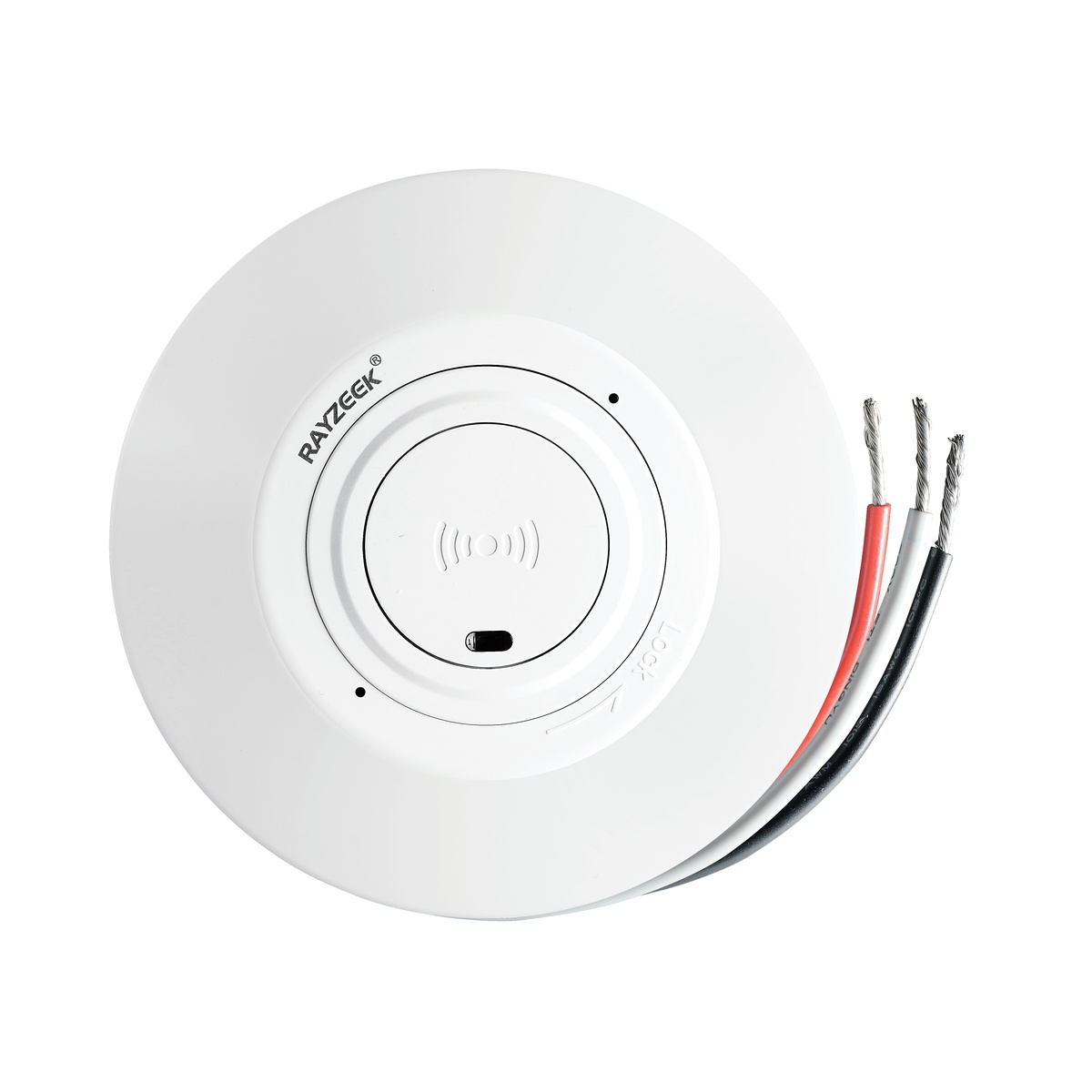
- Low-voltage DC ceiling-mounted microwave motion sensor switch
- 12 VDC / 24 VDC input with 10-30 VDC range
- 10A max work current with adjustable time delay, Lux threshold, and sensitivity
- Higher-load ceiling-mounted microwave motion sensor switch
- 100-265 VAC line-voltage input, 10A model
- 5.8 GHz microwave sensing with adjustable time delay, Lux threshold, and sensitivity
- Ceiling-mounted microwave motion sensor switch
- 100-265 VAC line-voltage input, 5A model
- 5.8 GHz microwave sensing with adjustable time delay, Lux threshold, and sensitivity
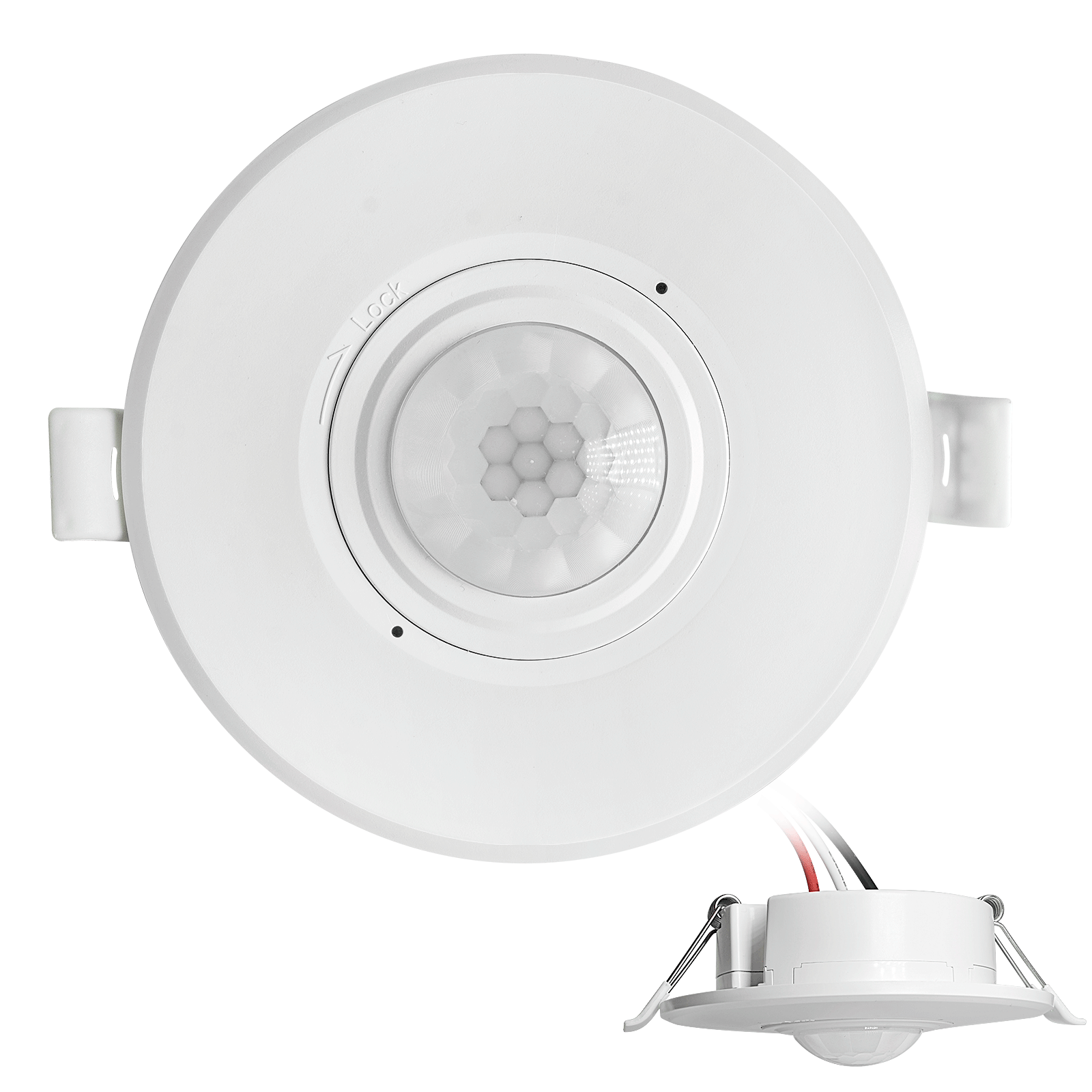
- Low-voltage DC recessed ceiling mount PIR motion sensor switch
- 12 VDC / 24 VDC input with 10-30 VDC range
- Max work current 10A with adjustable time delay, Lux threshold, and sensitivity
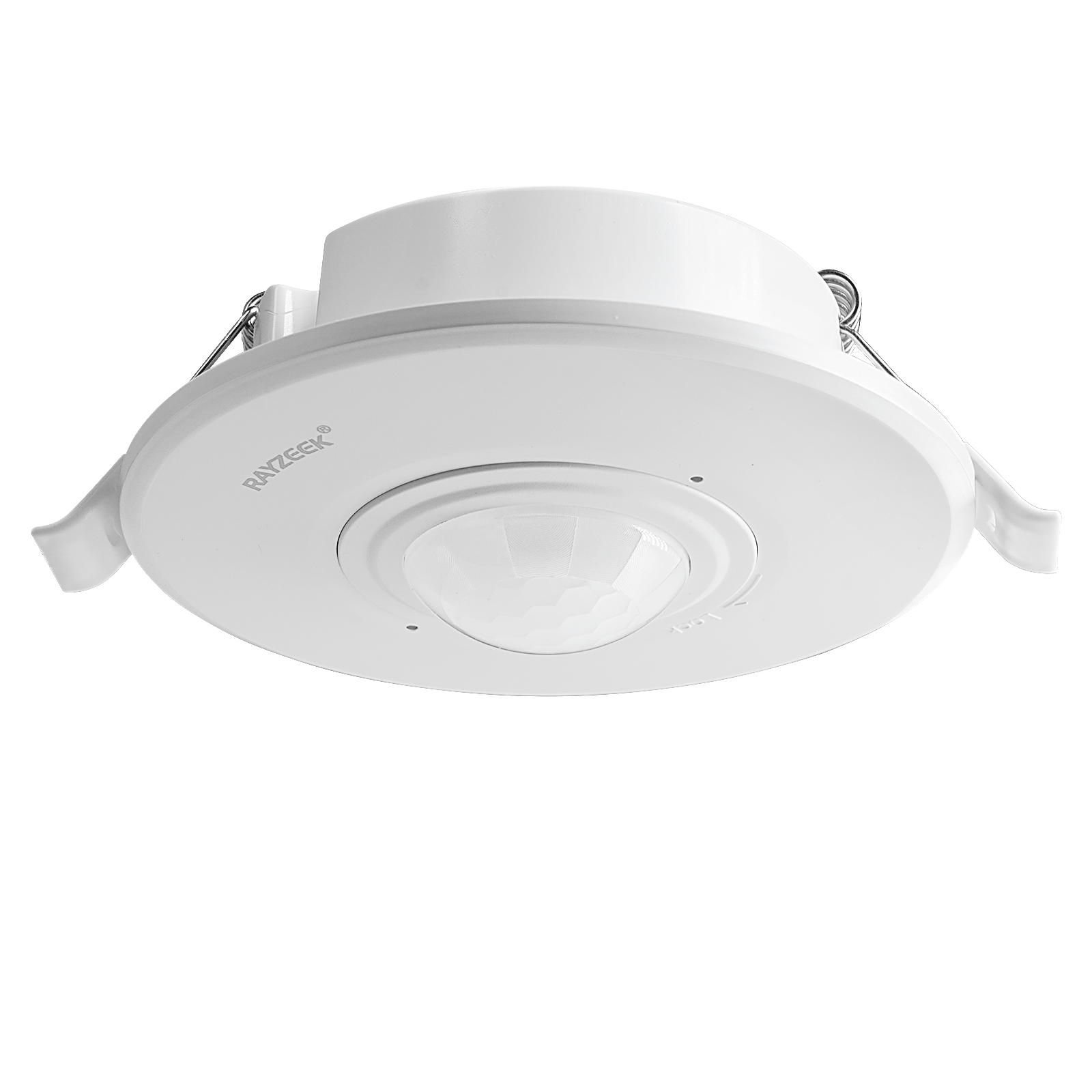
- Higher-load recessed ceiling mount PIR motion sensor switch
- 100-265 VAC line-voltage input, 10A model
- 360-degree detection with adjustable time delay, Lux threshold, and sensitivity
- Recessed ceiling mount PIR motion sensor switch
- 100-265 VAC line-voltage input, 5A model
- 360-degree detection with adjustable time delay, Lux threshold, and sensitivity
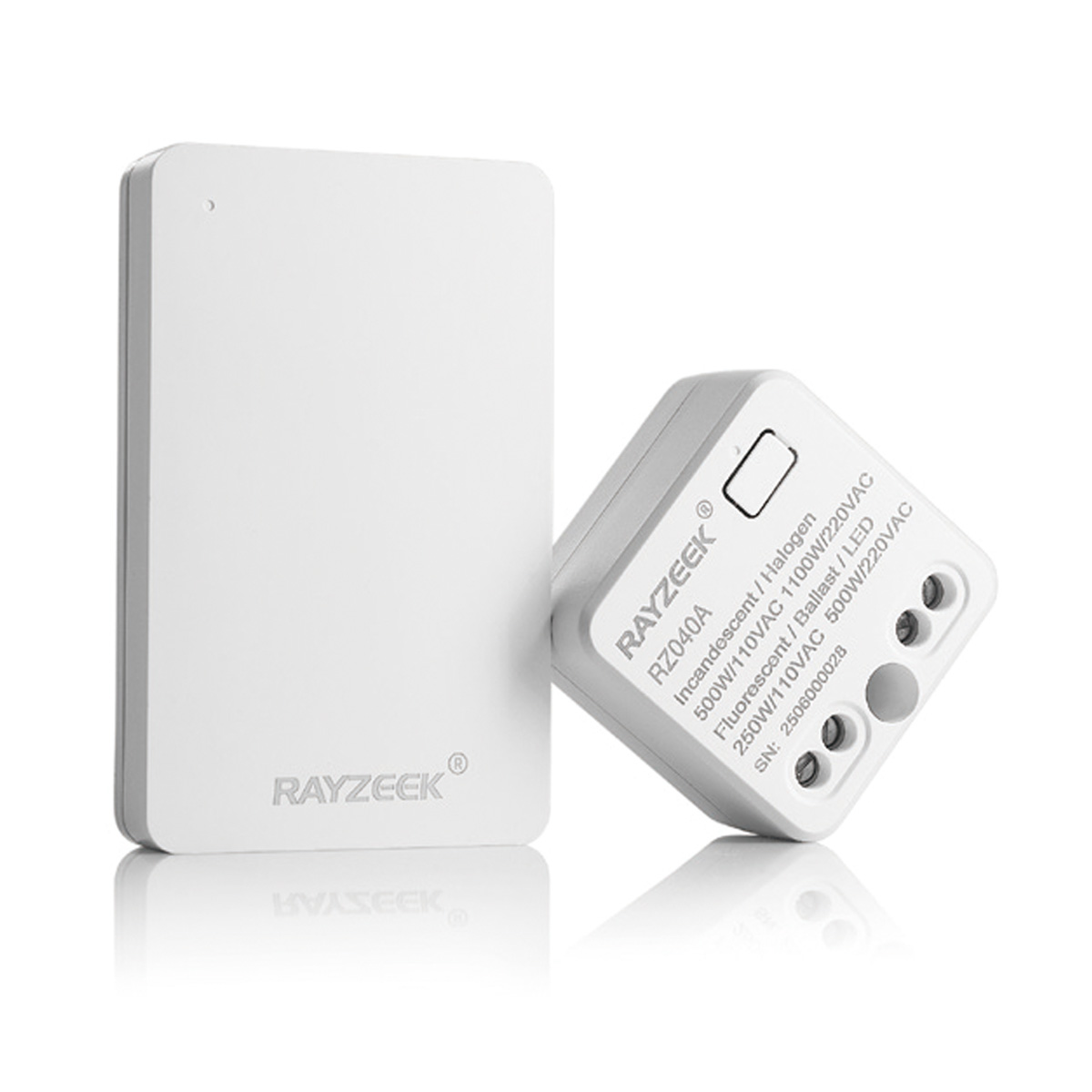
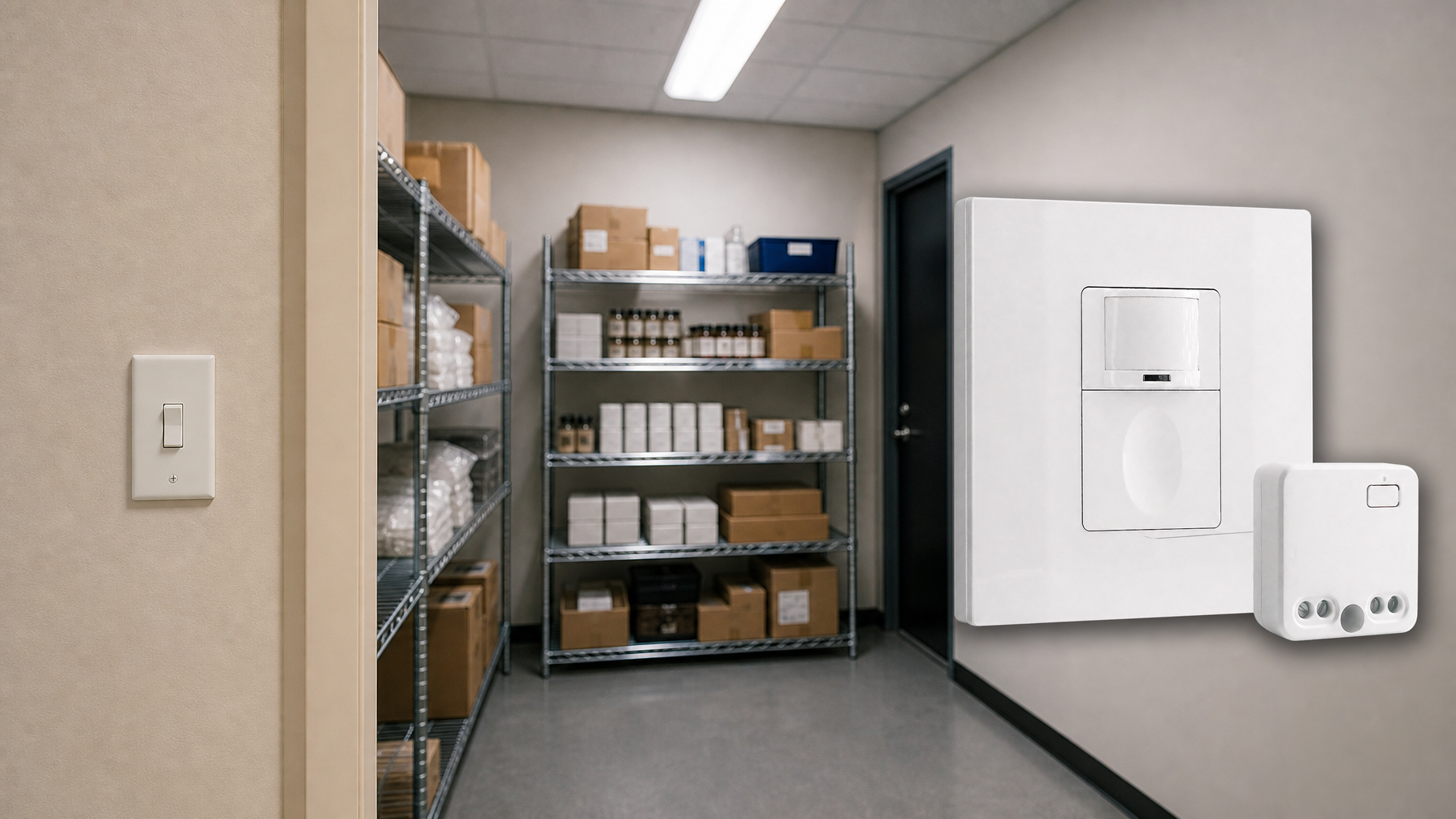
- Wireless switch and receiver kit for indoor ON/OFF lighting control
- 100-230VAC, 50/60Hz receiver with 5A rated current
- CR2032-powered wireless switch with 2.4GHz communication
- Occupazione (Auto-ON/Auto-OFF)
- 12–24V DC (10–30VDC), fino a 10A
- Copertura a 360°, diametro 8–12 m
- Ritardo temporale 15 s–30 min
- Sensore di luce Spento/15/25/35 Lux
- Sensibilità Alta/Bassa
- Modalità di occupazione Auto-ON/Auto-OFF
- 100–265V CA, 10A (neutro richiesto)
- Copertura di 360°; diametro di rilevamento 8–12 m
- Ritardo temporale 15 s–30 min; Lux SPENTO/15/25/35; Sensibilità Alta/Bassa
- Modalità di occupazione Auto-ON/Auto-OFF
- 100–265V AC, 5A (fase neutra richiesta)
- Copertura di 360°; diametro di rilevamento 8–12 m
- Ritardo temporale 15 s–30 min; Lux SPENTO/15/25/35; Sensibilità Alta/Bassa
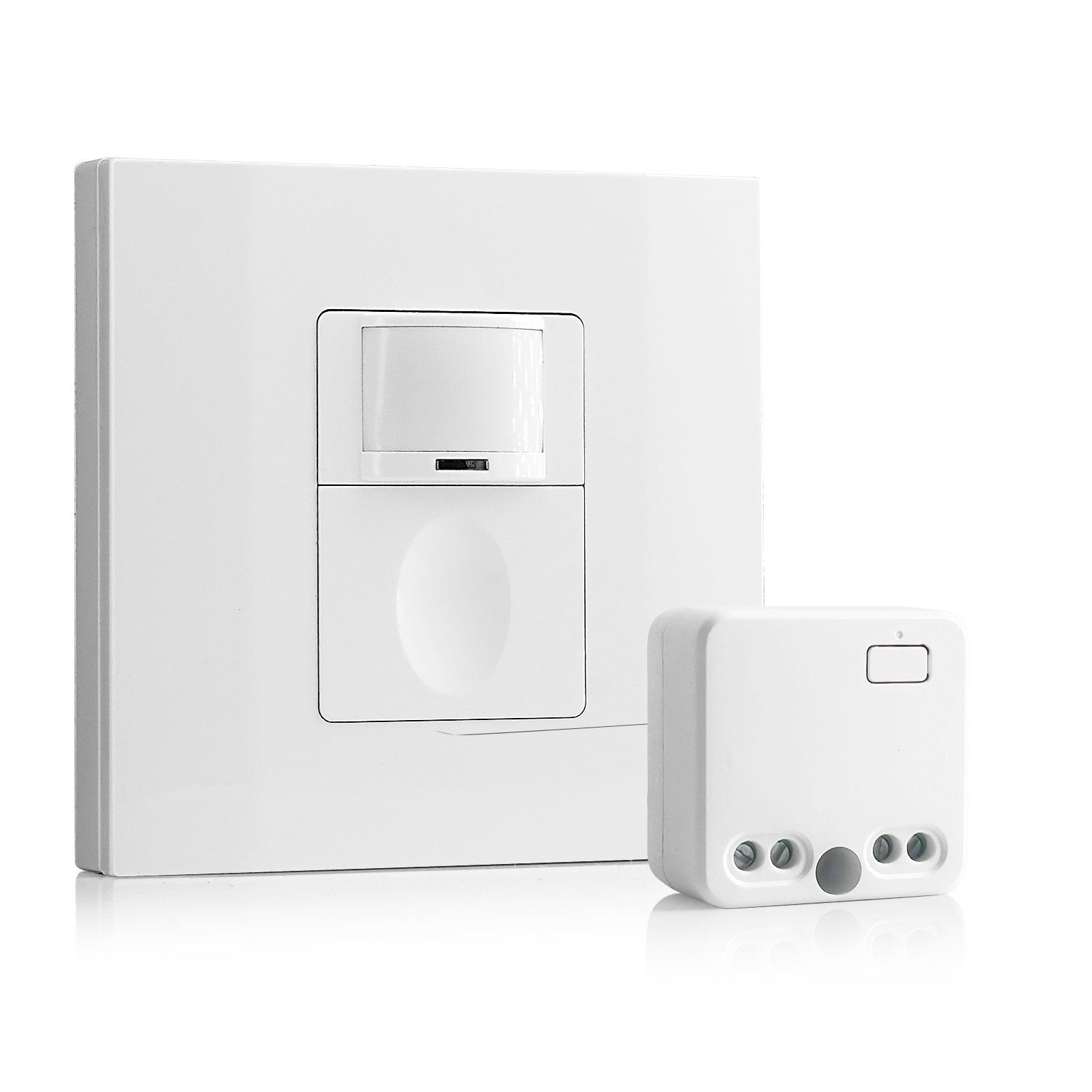
- 100V-230VAC
- Distanza di trasmissione: fino a 20m
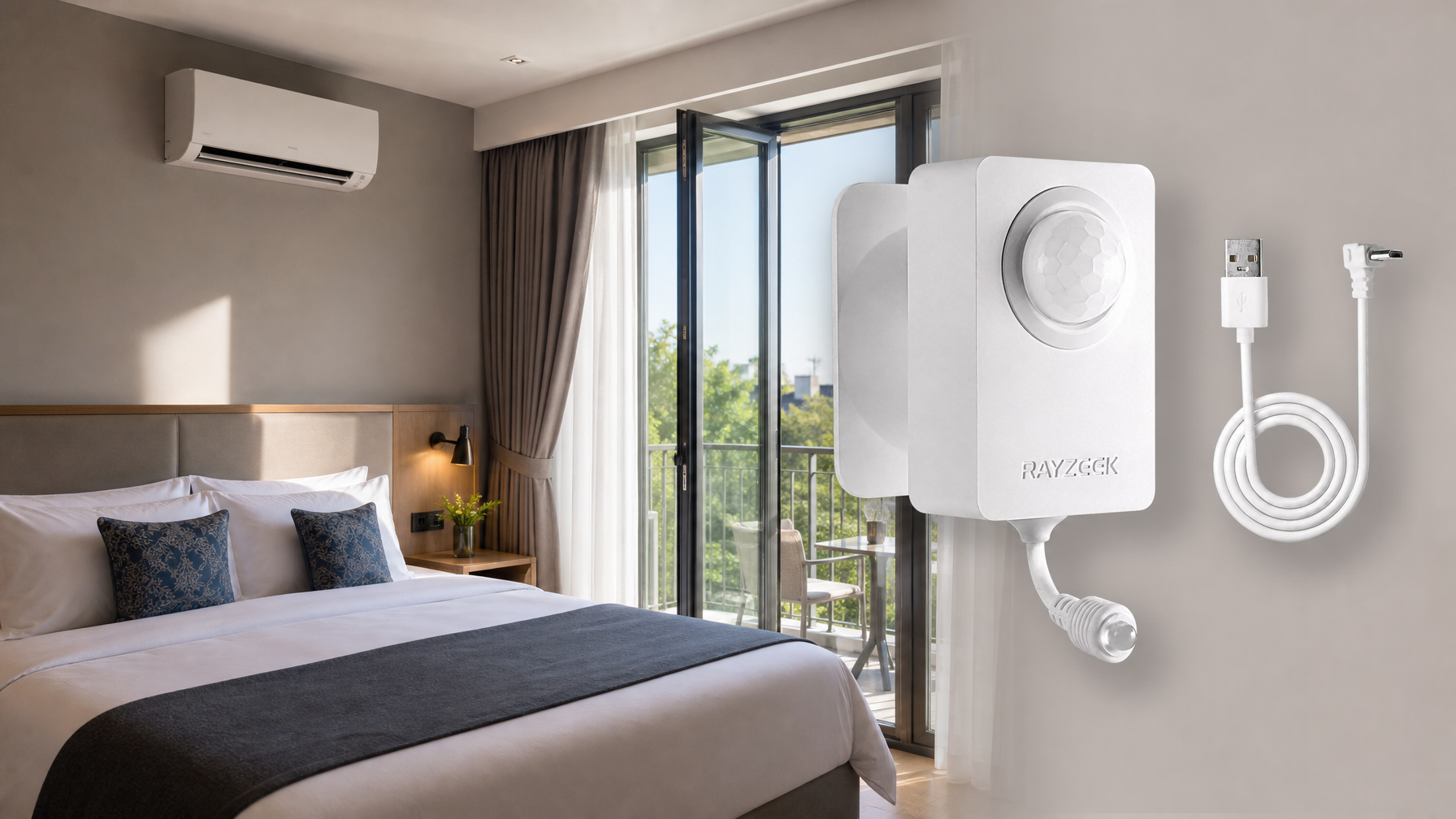
- Sensore di movimento wireless
- Controllo cablato
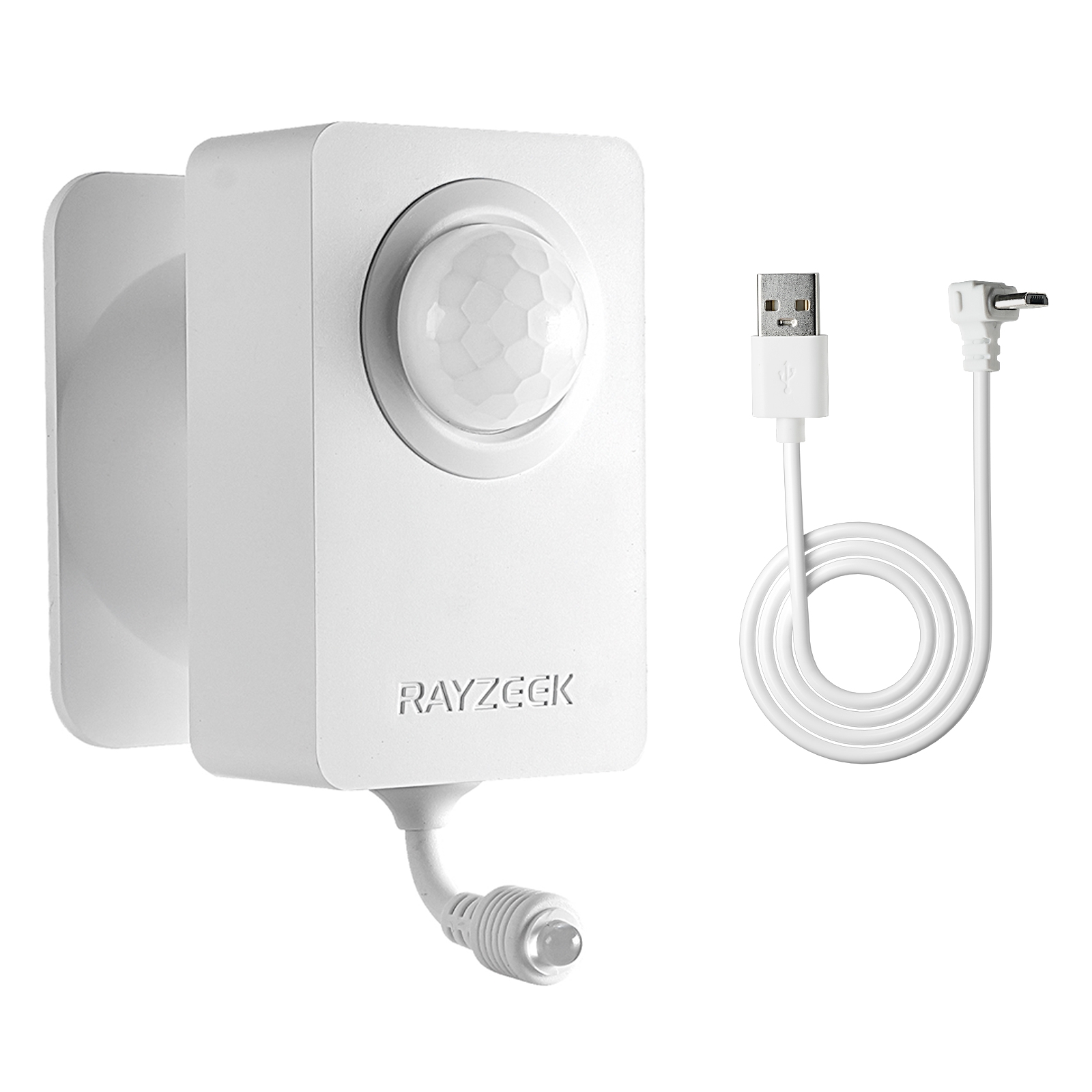
- Voltaggio: 2 batterie AAA / 5 V CC (Micro USB)
- Modalità giorno/notte
- Ritardo: 15min, 30min, 1h (default), 2h
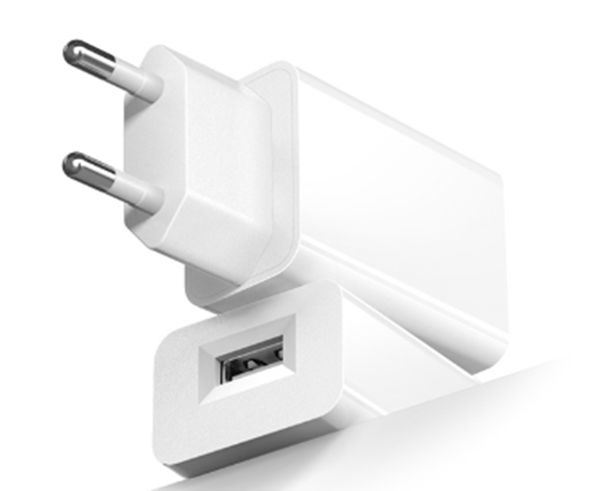
- Adattatore di alimentazione con spina EU
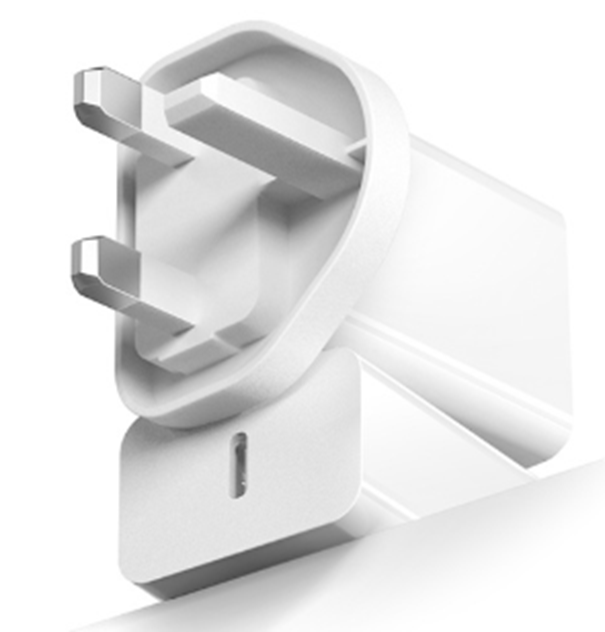
- Adattatore di alimentazione con spina UK
Domande frequenti
Qual è l'origine della luce fantasma
L'origine della luce fantasma non è ben documentata, ma ci sono diverse teorie che circondano i suoi inizi. Secondo lo studioso di teatro James Fisher nel suo libro Historical Dictionary of American Theater: Beginnings, il termine "luce fantasma" è nato all'epoca dei teatri illuminati a gas, dove si usavano luci a gas poco luminose per alleviare la pressione sulle valvole del gas.