
Co to jest częstotliwość
W oświetleniu częstotliwość to szybkość, z jaką fala świetlna oscyluje lub cykli na sekundę. Jest to podstawowa cecha używana do opisywania różnych rodzajów światła w ramach widmo elektromagnetyczne. Mierzona w hercach (Hz), częstotliwość reprezentuje liczbę powtórzeń fali, które występują w danym okresie czasu. Zależność między częstotliwością a długością fali jest odwrotna, co oznacza, że mniejsza długość fali odpowiada wyższej częstotliwości, podczas gdy większa długość fali odpowiada niższej częstotliwości. Zależność ta jest niezbędna do zrozumienia zachowania i właściwości światła.
Może jesteś zainteresowany

- Ceiling-mounted PIR occupancy sensor with dry-contact relay output
- 12/24VDC or 12/24VAC low-voltage supply
- COM, NO, and NC isolated relay contacts for EMS, HVAC, and building control inputs

- Low-voltage DC recessed ceiling-mounted microwave motion sensor switch
- 12 VDC / 24 VDC input with 10-30 VDC range
- 10A max work current with adjustable time delay, Lux threshold, and sensitivity
- Higher-load recessed ceiling-mounted microwave motion sensor switch
- 100-265 VAC line-voltage input, 10A model
- 5.8 GHz microwave sensing with adjustable time delay, Lux threshold, and sensitivity
- Recessed ceiling-mounted microwave motion sensor switch
- 100-265 VAC line-voltage input, 5A model
- 5.8 GHz microwave sensing with adjustable time delay, Lux threshold, and sensitivity
- Ceiling-mounted RZ037 PIR occupancy sensor dimmer for 220V power
- 3A maximum working current with 660W rated load
- LUX button controls light-sensor ON/OFF and user-set dimming brightness
- Ceiling-mounted RZ037 PIR occupancy sensor dimmer for 110V power
- 3A maximum working current with 330W rated load
- LUX button controls light-sensor ON/OFF and user-set dimming brightness

- Low-voltage DC ceiling-mounted microwave motion sensor switch
- 12 VDC / 24 VDC input with 10-30 VDC range
- 10A max work current with adjustable time delay, Lux threshold, and sensitivity
- Higher-load ceiling-mounted microwave motion sensor switch
- 100-265 VAC line-voltage input, 10A model
- 5.8 GHz microwave sensing with adjustable time delay, Lux threshold, and sensitivity
- Ceiling-mounted microwave motion sensor switch
- 100-265 VAC line-voltage input, 5A model
- 5.8 GHz microwave sensing with adjustable time delay, Lux threshold, and sensitivity

- Low-voltage DC recessed ceiling mount PIR motion sensor switch
- 12 VDC / 24 VDC input with 10-30 VDC range
- Max work current 10A with adjustable time delay, Lux threshold, and sensitivity

- Higher-load recessed ceiling mount PIR motion sensor switch
- 100-265 VAC line-voltage input, 10A model
- 360-degree detection with adjustable time delay, Lux threshold, and sensitivity
- Recessed ceiling mount PIR motion sensor switch
- 100-265 VAC line-voltage input, 5A model
- 360-degree detection with adjustable time delay, Lux threshold, and sensitivity

- Wireless switch and receiver kit for indoor ON/OFF lighting control
- 100-230VAC, 50/60Hz receiver with 5A rated current
- CR2032-powered wireless switch with 2.4GHz communication
- Obecność (Auto-WŁ/Auto-WY)
- 12–24V DC (10–30VDC), do 10A
- Zasięg 360°, średnica 8–12 m
- Opóźnienie czasowe 15 s–30 min
- Czujnik światła Wył/15/25/35 Lux
- Wysoka/Niska czułość
- Tryb zajętości Auto-ON/Auto-OFF
- 100–265V AC, 10A (neutralny wymaga się)
- Zasięg 360°; średnica wykrywania 8–12 m
- Opóźnienie czasowe 15 s–30 min; Lux OFF/15/25/35; czułość Wysoka/Niska
- Tryb zajętości Auto-ON/Auto-OFF
- 100–265V AC, 5A (wymagane neutralne)
- Zasięg 360°; średnica wykrywania 8–12 m
- Opóźnienie czasowe 15 s–30 min; Lux OFF/15/25/35; czułość Wysoka/Niska

- 100V-230V AC
- Dystans transmisji: do 20m
- Bezprzewodowy czujnik ruchu
- Sterowanie przewodowe
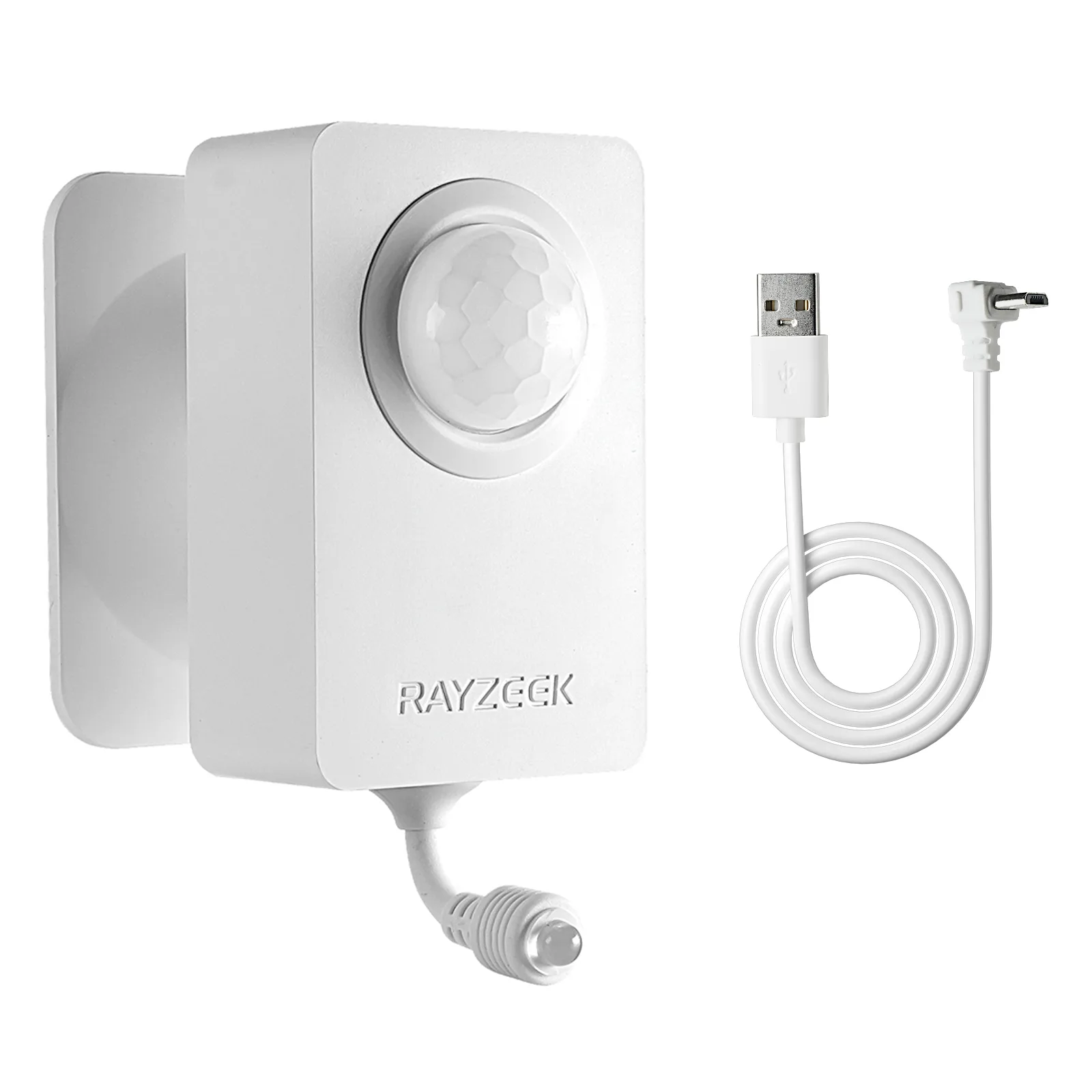
- Napięcie: 2x baterie AAA / 5V DC (Micro USB)
- Tryb dzienny/nocny
- Opóźnienie czasowe: 15min, 30min, 1h(domyślnie), 2h
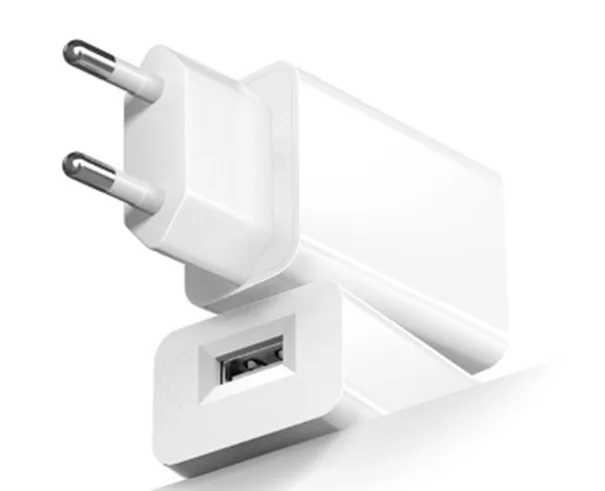
- Zasilacz z wtyczką UE
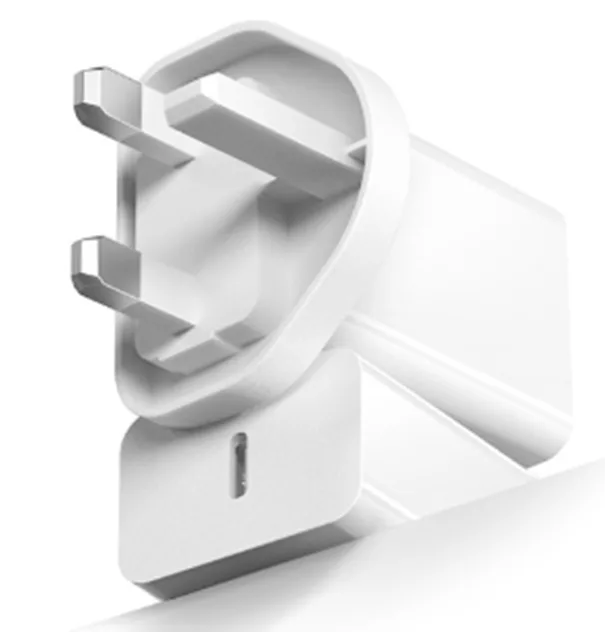
- Zasilacz UK
Częstotliwość jest bezpośrednio związana z energią światła. Wyższe częstotliwości odpowiadają wyższej energii, podczas gdy niższe częstotliwości odpowiadają niższej energii. Zależność ta jest zgodna ze zrozumieniem, że krótsze fale (wyższa częstotliwość) są związane ze światłem o wyższej energii, takim jak ultrafiolet lub promieniowanie rentgenowskie, podczas gdy dłuższe fale (niższa częstotliwość) są związane ze światłem o niższej energii, takim jak podczerwień lub fale radiowe.


