什么是 OLED
OLED 是有机发光二极管(Organic Light Emitting Diode)的缩写。它是照明行业用于普通照明和汽车应用的一种技术。OLED 照明面板由夹在两个电极之间的碳基有机材料薄层组成。当 直流电 在这种情况下,光会通过一种叫做电致发光的过程发射出来。
您在寻找移动式节能解决方案吗?
如需了解完整的 PIR 移动传感器、移动启动节能产品、移动传感器开关和占用/空闲商业解决方案,请联系我们。
OLED 照明具有均匀的光线发射,这意味着光线均匀地分布在面板的整个表面。这就产生了一种无热点的宽广、低眩光照明光源。OLED 面板还以其超薄、轻巧的外形著称,因此用途广泛,适用于各种应用。
有机发光二极管发出的光的颜色由面板中使用的有机分子结构决定。这使得发光颜色多种多样,使设计师能够创造出定制的照明解决方案。对于白光,可使用精心挑选的有机材料混合物来实现所需的光谱。
有机发光二极管照明具有节能等优点,因为它不需要扩散器或散热器等额外组件。它也很环保,因为不含汞等有毒材料。此外,OLED 面板可以有选择性地处理,从而可以通过运动和灯光进行品牌宣传。
也许您感兴趣的是
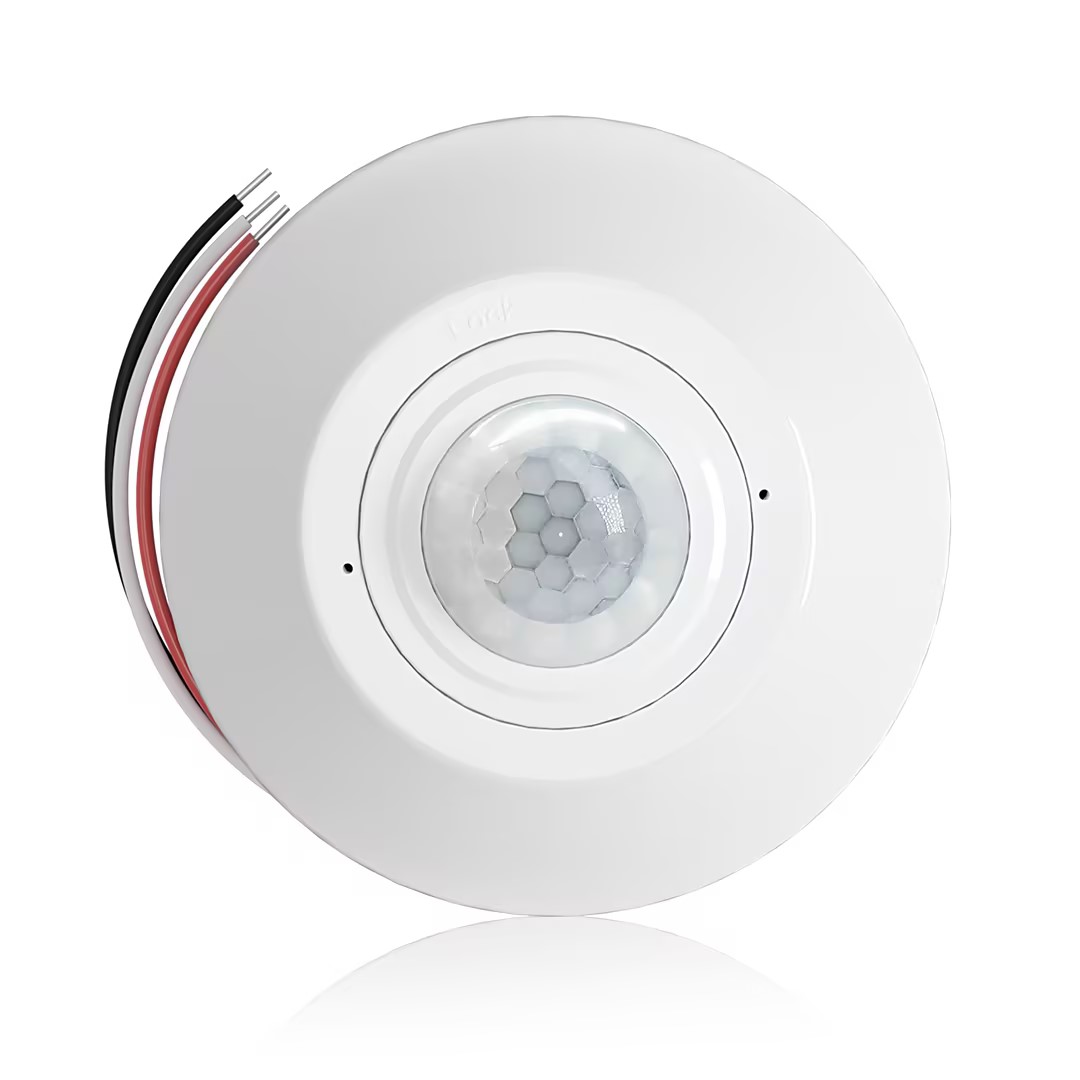
- Ceiling-mounted PIR occupancy sensor with dry-contact relay output
- 12/24VDC or 12/24VAC low-voltage supply
- COM, NO, and NC isolated relay contacts for EMS, HVAC, and building control inputs
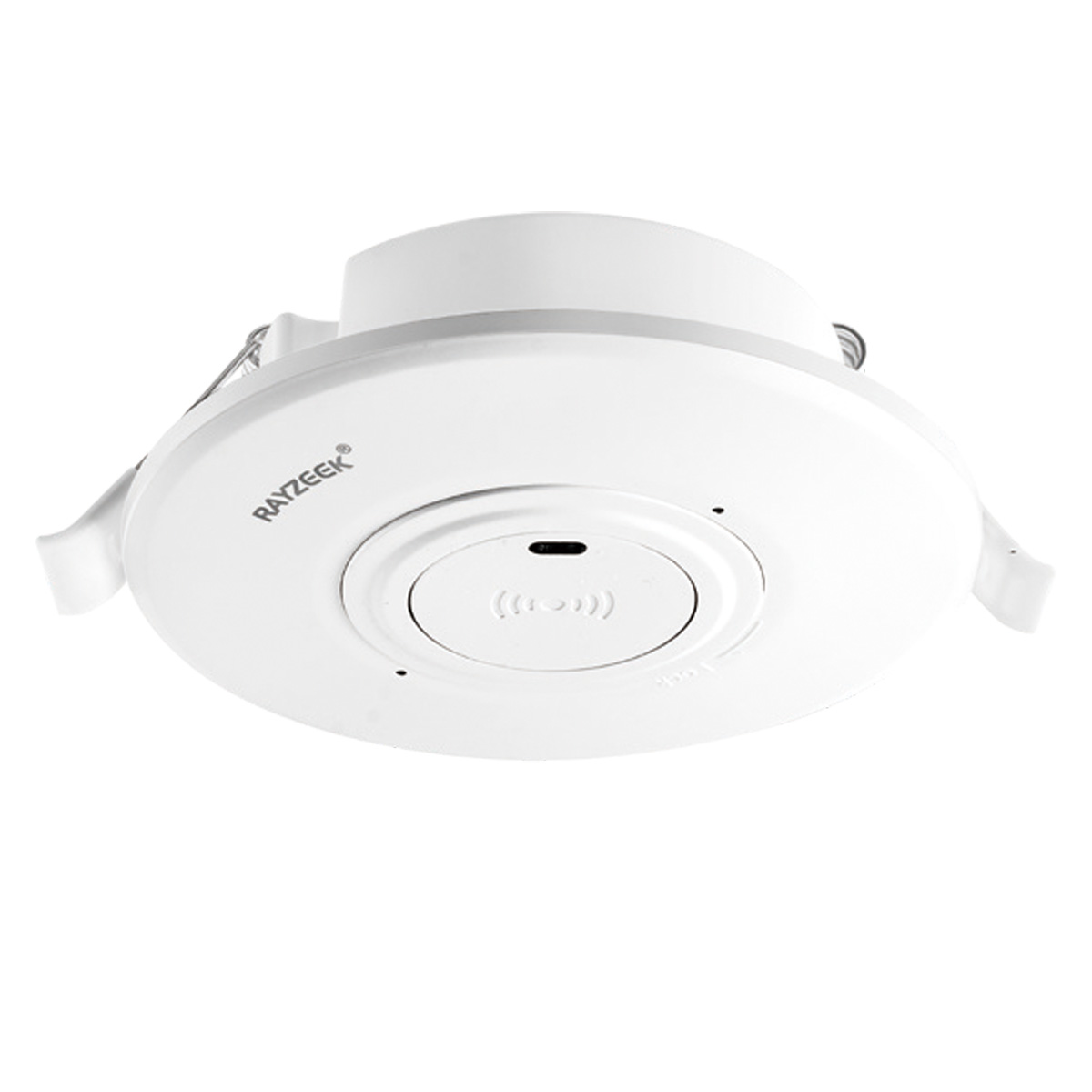
- Low-voltage DC recessed ceiling-mounted microwave motion sensor switch
- 12 VDC / 24 VDC input with 10-30 VDC range
- 10A max work current with adjustable time delay, Lux threshold, and sensitivity
- Higher-load recessed ceiling-mounted microwave motion sensor switch
- 100-265 VAC line-voltage input, 10A model
- 5.8 GHz microwave sensing with adjustable time delay, Lux threshold, and sensitivity
- Recessed ceiling-mounted microwave motion sensor switch
- 100-265 VAC line-voltage input, 5A model
- 5.8 GHz microwave sensing with adjustable time delay, Lux threshold, and sensitivity
- Ceiling-mounted RZ037 PIR occupancy sensor dimmer for 220V power
- 3A maximum working current with 660W rated load
- LUX button controls light-sensor ON/OFF and user-set dimming brightness
- Ceiling-mounted RZ037 PIR occupancy sensor dimmer for 110V power
- 3A maximum working current with 330W rated load
- LUX button controls light-sensor ON/OFF and user-set dimming brightness
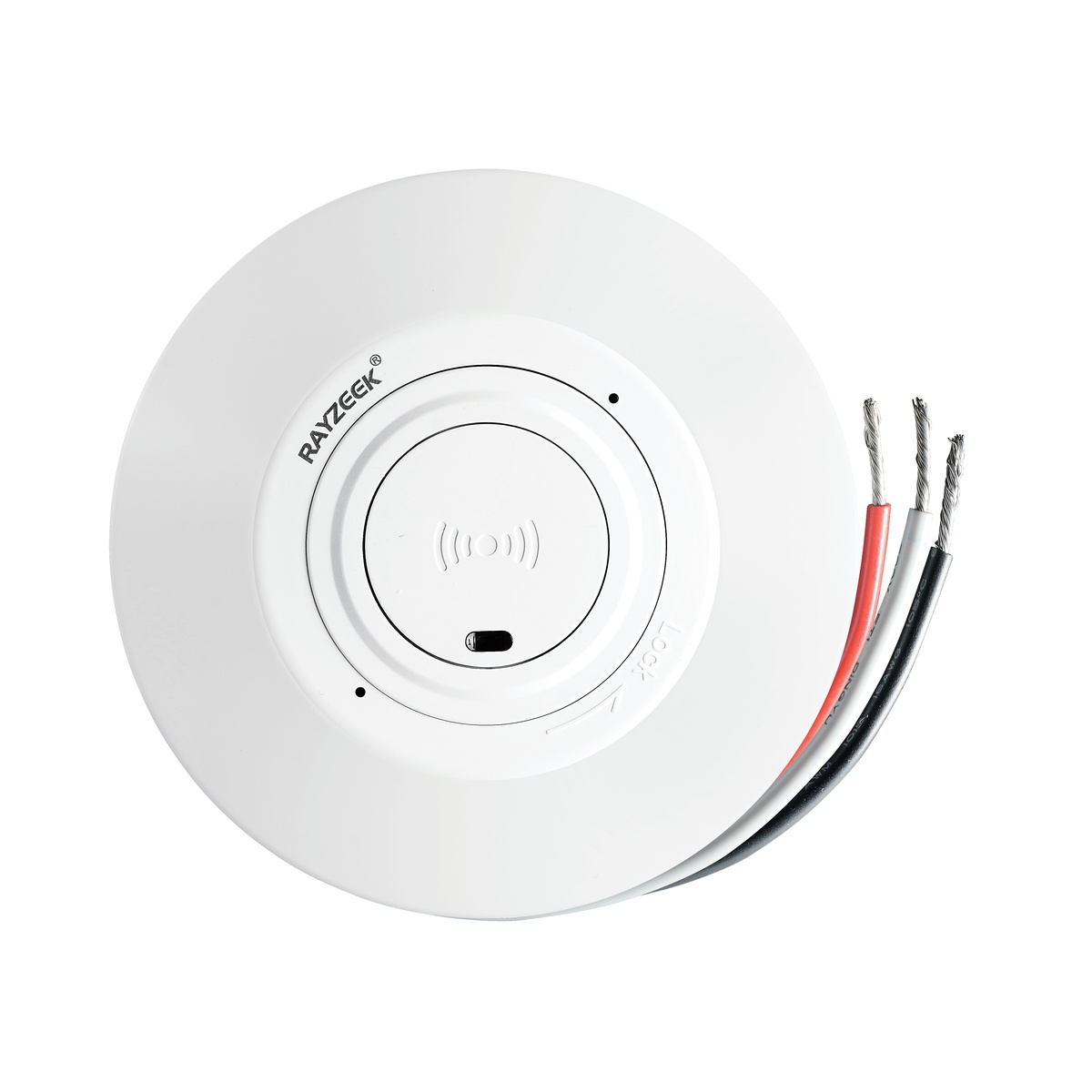
- Low-voltage DC ceiling-mounted microwave motion sensor switch
- 12 VDC / 24 VDC input with 10-30 VDC range
- 10A max work current with adjustable time delay, Lux threshold, and sensitivity
- Higher-load ceiling-mounted microwave motion sensor switch
- 100-265 VAC line-voltage input, 10A model
- 5.8 GHz microwave sensing with adjustable time delay, Lux threshold, and sensitivity
- Ceiling-mounted microwave motion sensor switch
- 100-265 VAC line-voltage input, 5A model
- 5.8 GHz microwave sensing with adjustable time delay, Lux threshold, and sensitivity
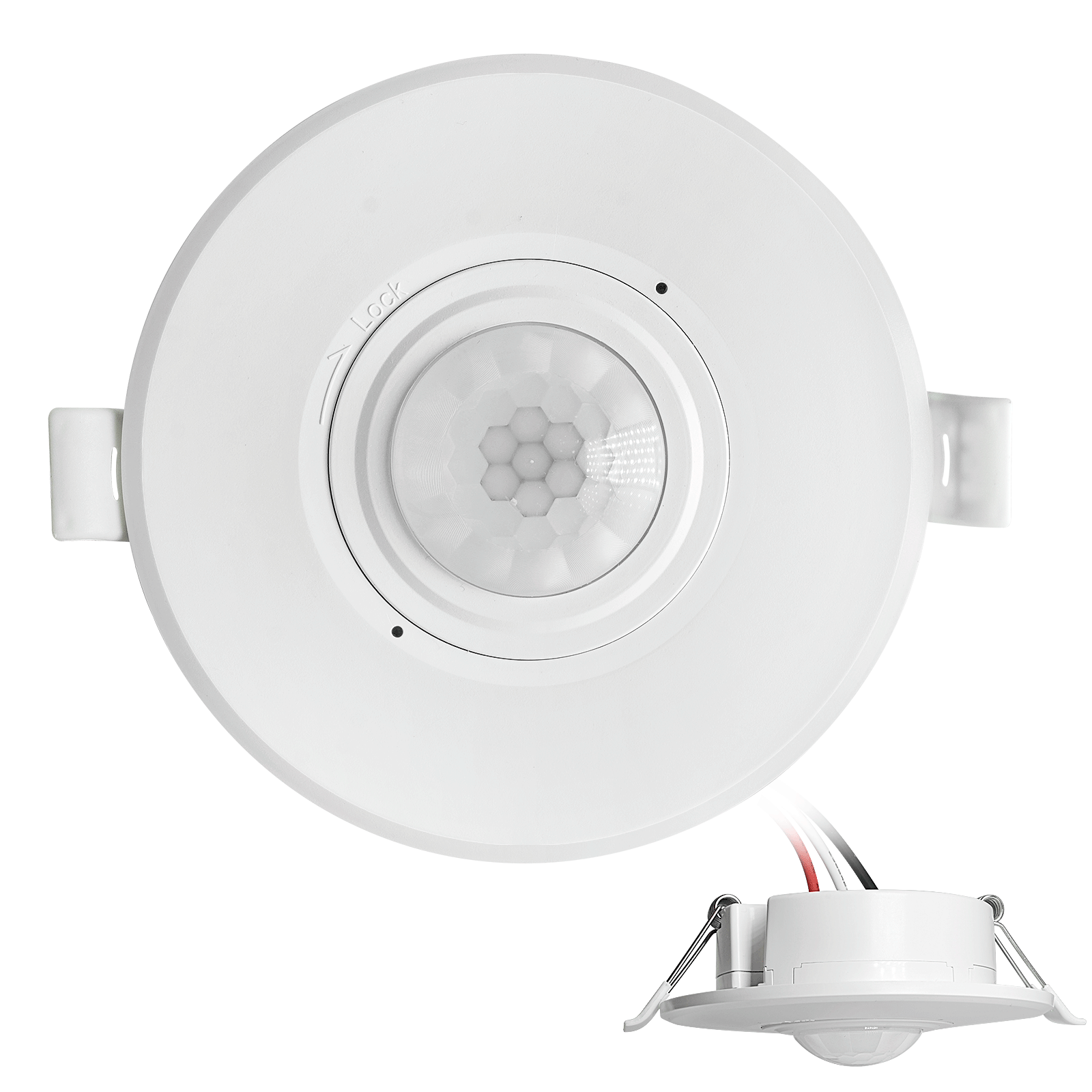
- Low-voltage DC recessed ceiling mount PIR motion sensor switch
- 12 VDC / 24 VDC input with 10-30 VDC range
- Max work current 10A with adjustable time delay, Lux threshold, and sensitivity
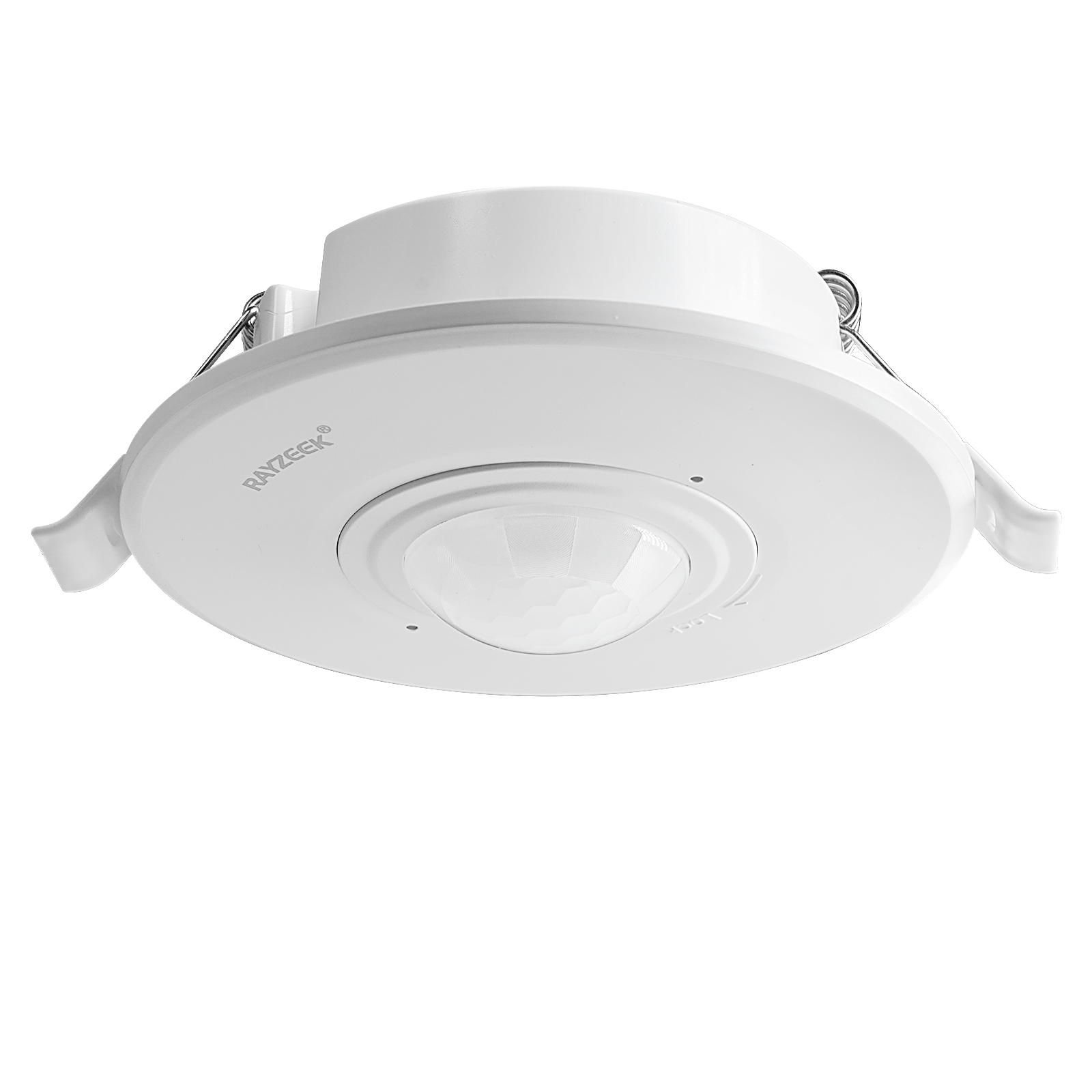
- Higher-load recessed ceiling mount PIR motion sensor switch
- 100-265 VAC line-voltage input, 10A model
- 360-degree detection with adjustable time delay, Lux threshold, and sensitivity
- Recessed ceiling mount PIR motion sensor switch
- 100-265 VAC line-voltage input, 5A model
- 360-degree detection with adjustable time delay, Lux threshold, and sensitivity
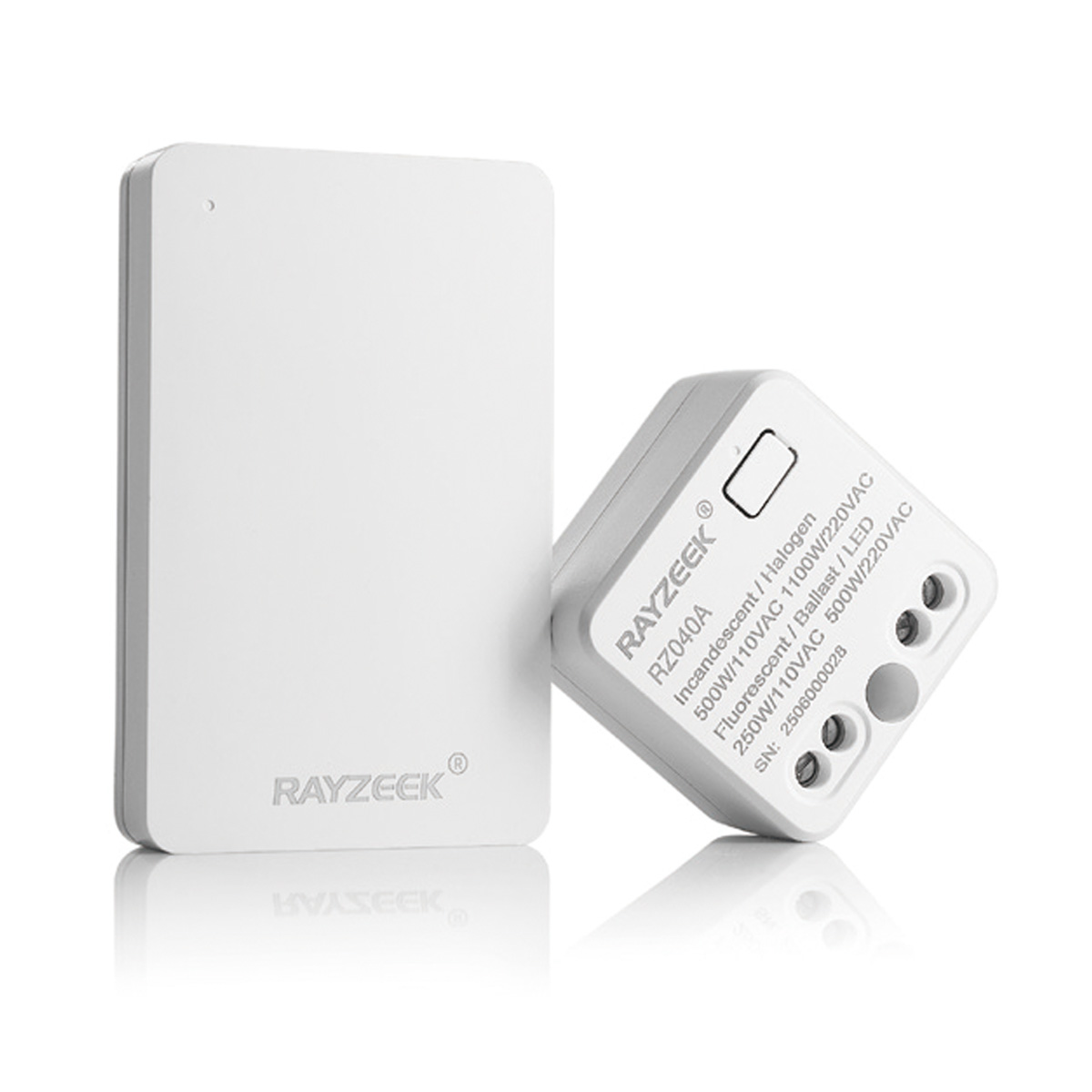
- Wireless switch and receiver kit for indoor ON/OFF lighting control
- 100-230VAC, 50/60Hz receiver with 5A rated current
- CR2032-powered wireless switch with 2.4GHz communication
- 占用(自動開/自動關)
- 12–24V 直流(10–30VDC),最大 10A
- 360° 覆蓋範圍,直徑 8–12 米
- 延遲時間 15 秒–30 分鐘
- 光感測器關/15/25/35 Lux
- 高/低感度
- 自动开启/自动关闭占用模式
- 100–265V交流,10A(需要中性線)
- 360° 覆蓋範圍;8–12 米探測直徑
- 時間延遲 15 秒–30 分鐘;Lux OFF/15/25/35;感度 高/低
- 自动开启/自动关闭占用模式
- 100–265V AC,5A(需要中性線)
- 360° 覆蓋範圍;8–12 米探測直徑
- 時間延遲 15 秒–30 分鐘;Lux OFF/15/25/35;感度 高/低
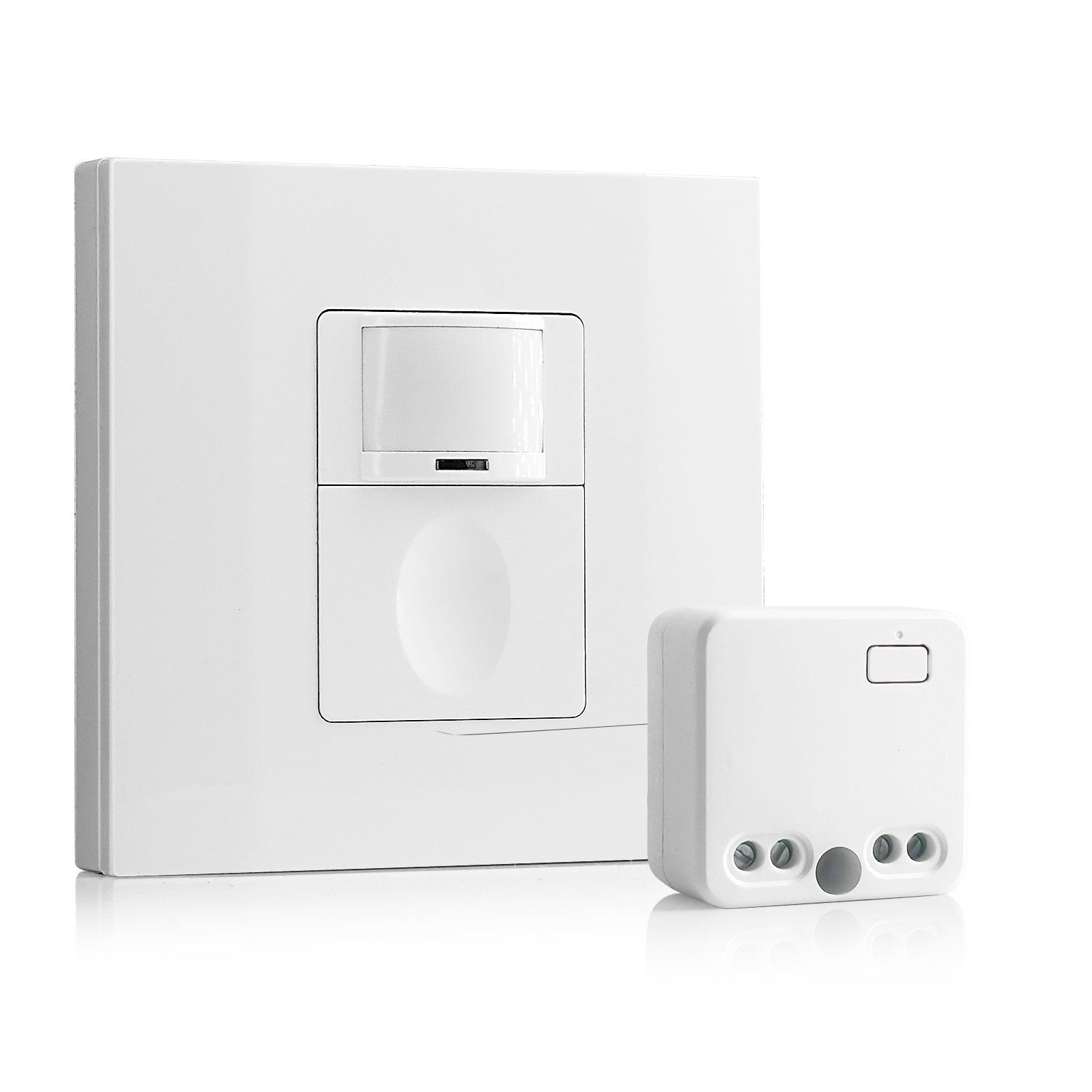
- 100V-230VAC
- 傳輸距離:最多20米
- 無線運動感應器
- 有線控制
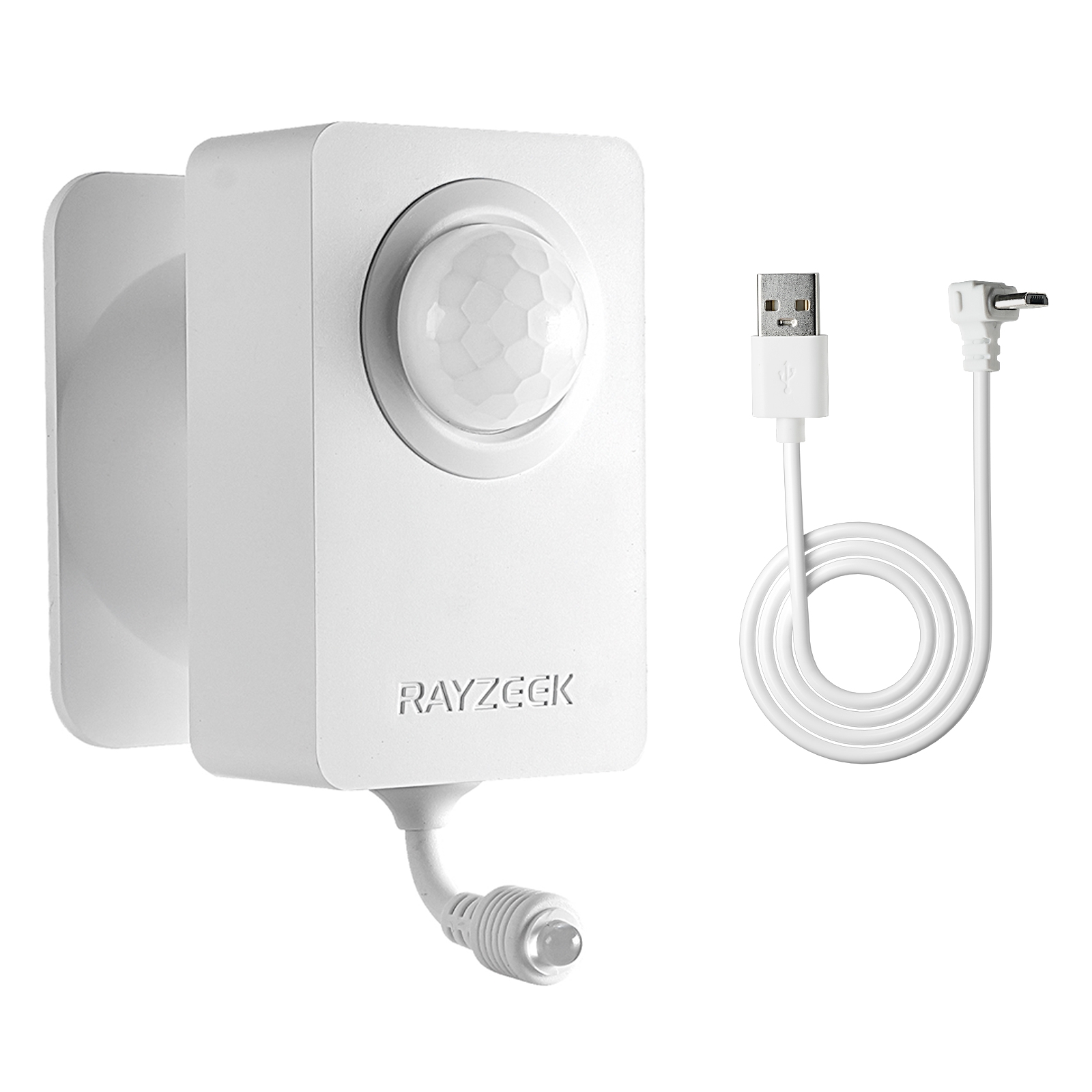
- 電壓:2x AAA 電池 / 5V DC (Micro USB)
- 日/夜模式
- 时间延迟:15分钟、30分钟、1小时(默认)、2小时
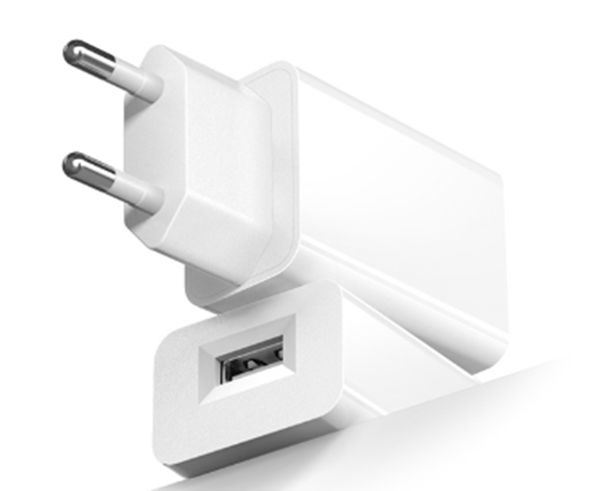
- 歐盟插頭電源轉接器
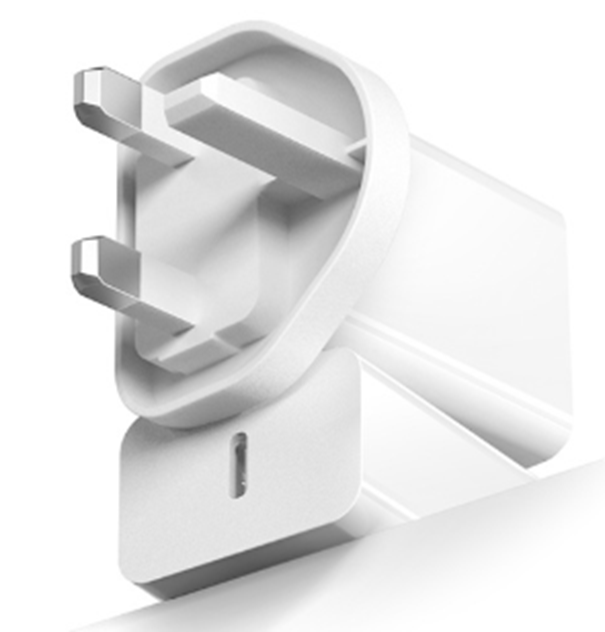
- 英國插頭電源轉接器
常見問題
LED 和 OLED 哪个更护眼
就眼睛健康而言,OLED 显示器比 LED/LCD 面板更胜一筹。这是因为 OLED 显示器发出的蓝光只有 LED 显示器的一半,而这对于减少高能量视觉光造成的潜在危害至关重要。因此,必须优先考虑尽可能减少蓝光,使 OLED 显示器成为保护眼睛的更好选择。
OLED 在照明领域的意义
OLED 是有机发光二极管(organic LEDs)的缩写,表示这些照明设备的主要成分是碳衍生的有机材料。与从小点发光的传统 LED 不同,OLED 是以片状形式制造的,因此是漫射光源。
LED 和 OLED 照明有什么区别?
传统的 LED 通常涂有黄色荧光粉,而 OLED 则使用有机化合物。在环保方面,由于不含紫外线,有机发光二极管被认为比 LED 更具优势。此外,有机发光二极管的显色指数(CRI)达到 90 或更高,可与自然阳光媲美。
OLED 照明有哪些优势
与低效的白炽灯相比,OLEDWorks 面板的使用寿命要长得多,是白炽灯的 30 多倍。研究和测试表明,OLED 照明正变得与 LED 一样高效,后者的效率已经提高了 80%。这凸显了 OLED 照明与传统灯泡相比在节能方面的明显优势。
OLED 照明的缺点是什么?
除了上述 OLED 照明的优点外,还有一些缺点需要考虑。缺点之一是与其他一些显示技术相比,寿命相对较短。这种较短的寿命主要归因于 OLED 照明中使用的蓝色有机材料,不过目前正在不断改进。此外,OLED 照明在阳光直射下的可读性可能较差。
OLED 对眼睛是好是坏
简单地说,OLED 显示屏有益于眼睛健康。它们能提供更自然的照明、更好的色彩对比度和更广泛的色彩范围。
OLED 和 LED 哪个画质更好?
LED 显示器可显示高达 4K 的分辨率,而 OLED 显示器则始终以该像素数为起点。在画质方面,由于 OLED 能够单独控制每个像素,因此通常能提供更好的性能,从而增强对比度,更准确地表现色彩,并改善图像中明暗区域的呈现。
LED 和 OLED 哪个好
一般来说,OLED 显示器的最大亮度低于 LED 显示器。OLED 显示器的光输出(通常以尼特为单位)通常达到约 1,000 尼特的峰值。而 LED 显示器则可以达到更高的亮度,从 5000 到 8000 尼特不等。