
อะไรคือ Die-Cast
Die-Cast เป็นกระบวนการผลิตที่ใช้สร้าง โคมไฟ LED. กระบวนการนี้ ซึ่งเรียกว่าการหล่อด้วย die casting เกี่ยวข้องกับการใช้โลหะผสมทองแดง สังกะสี หรืออลูมิเนียม เพื่อผลิตโคมไฟที่มีความแม่นยำเชิงมิติยอดเยี่ยมและความต้องการการกลึงเพิ่มเติมน้อยที่สุด การหล่อด้วย die casting เป็นวิธีที่มีประสิทธิภาพสูง ซึ่งรับประกันว่าสินค้าสุดท้ายจะตรงตามข้อกำหนดที่ต้องการโดยไม่จำเป็นต้องทำงานหลังการผลิตมาก มันเหมาะอย่างยิ่งสำหรับการผลิตจำนวนมากของโคมไฟ LED ที่ซับซ้อนและประณีตในต้นทุนที่คุ้มค่า
โคมไฟ die-cast มักทำจากอลูมิเนียมเนื่องจากมีน้ำหนักเบา ทำให้เหมาะสำหรับ การใช้งานแสงสว่างต่าง ๆ. นอกจากนี้ อลูมิเนียมยังไม่เป็นพิษ ทำให้เป็นตัวเลือกที่ปลอดภัยสำหรับสิ่งแวดล้อมในร่ม กระบวนการหล่อด้วย die casting ใช้แม่พิมพ์ที่นำกลับมาใช้ใหม่ได้ทำจากโลหะ ซึ่งถูกเติมเต็มด้วยแรงโน้มถ่วง และในบางกรณี ก็ใช้สุญญากาศหรือแรงดันแก๊ส วิธีนี้ช่วยให้สามารถสร้างโคมไฟที่มีรายละเอียดแม่นยำและดีไซน์ซับซ้อน
อาจสนใจคุณใน

- เซนเซอร์ตรวจจับความเคลื่อนไหว PIR แบบติดเพดานพร้อมเอาต์พุตพอร์ตส่งสัญญาณรีเลย์แบบหน้าสัมผัสแห้ง (Dry Contact)
- แหล่งจ่ายไฟแรงดันต่ำ 12/24VDC หรือ 12/24VAC
- หน้าสัมผัสรีเลย์แบบแยก COM, NO และ NC สำหรับสัญญาณอินพุตของระบบบริหารจัดการพลังงาน (EMS), ระบบทำความเย็นความร้อนและระบายอากาศ (HVAC) และระบบควบคุมอาคาร

- สวิตช์เซนเซอร์ตรวจจับความเคลื่อนไหวคลื่นไมโครเวฟแบบฝังเพดาน แรงดันกระแสตรงต่ำ
- อินพุต 12 VDC / 24 VDC พร้อมช่วงแรงดันไฟ 10-30 VDC
- กระแสไฟฟ้าทำงานสูงสุด 10A พร้อมระบบปรับตั้งเวลาหน่วง, ค่าความสว่าง Lux และความไวในการตรวจจับ
- สวิตช์เซนเซอร์ตรวจจับความเคลื่อนไหวคลื่นไมโครเวฟแบบฝังเพดาน สำหรับโหลดสูง
- อินพุตแรงดันไฟสายส่ง 100-265 VAC รุ่น 10A
- ระบบตรวจจับด้วยคลื่นไมโครเวฟ 5.8 GHz พร้อมระบบปรับตั้งเวลาหน่วง, ค่าความสว่าง Lux และความไวในการตรวจจับ
- สวิตช์เซนเซอร์ตรวจจับความเคลื่อนไหวคลื่นไมโครเวฟแบบฝังเพดาน
- อินพุตแรงดันไฟสายส่ง 100-265 VAC รุ่น 5A
- ระบบตรวจจับด้วยคลื่นไมโครเวฟ 5.8 GHz พร้อมระบบปรับตั้งเวลาหน่วง, ค่าความสว่าง Lux และความไวในการตรวจจับ
- สวิตช์หรี่ไฟพร้อมเซนเซอร์ตรวจจับความเคลื่อนไหว RZ037 PIR ติดเพดาน สำหรับระบบไฟ 220V
- กระแสไฟฟ้าทำงานสูงสุด 3A รองรับพาวเวอร์โหลดสูงสุด 660W
- ปุ่ม LUX ควบคุมการเปิด/ปิดเซนเซอร์วัดแสง และปรับระดับความสว่างหรี่ไฟตามความต้องการของผู้ใช้
- สวิตช์หรี่ไฟเซนเซอร์ตรวจจับการเคลื่อนไหว PIR แบบติดเพดาน รุ่น RZ037 สำหรับไฟฟ้า 110V
- กระแสไฟฟ้าทำงานสูงสุด 3A พร้อมโหลดพิกัด 330W
- ปุ่ม LUX ควบคุมการเปิด/ปิดเซนเซอร์วัดแสง และปรับระดับความสว่างหรี่ไฟตามความต้องการของผู้ใช้

- สวิตช์เซนเซอร์ตรวจจับการเคลื่อนไหวไมโครเวฟแบบติดเพดาน แรงดันไฟฟ้าต่ำ DC
- อินพุต 12 VDC / 24 VDC พร้อมช่วงแรงดันไฟ 10-30 VDC
- กระแสไฟฟ้าทำงานสูงสุด 10A พร้อมระบบปรับตั้งเวลาหน่วง, ค่าความสว่าง Lux และความไวในการตรวจจับ
- สวิตช์เซนเซอร์ตรวจจับการเคลื่อนไหวไมโครเวฟแบบติดเพดาน สำหรับโหลดสูงขึ้น
- อินพุตแรงดันไฟสายส่ง 100-265 VAC รุ่น 10A
- ระบบตรวจจับด้วยคลื่นไมโครเวฟ 5.8 GHz พร้อมระบบปรับตั้งเวลาหน่วง, ค่าความสว่าง Lux และความไวในการตรวจจับ
- สวิตช์เซนเซอร์ตรวจจับการเคลื่อนไหวไมโครเวฟแบบติดเพดาน
- อินพุตแรงดันไฟสายส่ง 100-265 VAC รุ่น 5A
- ระบบตรวจจับด้วยคลื่นไมโครเวฟ 5.8 GHz พร้อมระบบปรับตั้งเวลาหน่วง, ค่าความสว่าง Lux และความไวในการตรวจจับ

- สวิตช์เซนเซอร์ตรวจจับการเคลื่อนไหว PIR แบบฝังเพดาน แรงดันไฟฟ้าต่ำ DC
- อินพุต 12 VDC / 24 VDC พร้อมช่วงแรงดันไฟ 10-30 VDC
- กระแสไฟฟ้าทำงานสูงสุด 10A พร้อมระบบปรับตั้งเวลาหน่วง ค่าความสว่าง (Lux) และความไวในการตรวจจับ

- สวิตช์เซนเซอร์ตรวจจับการเคลื่อนไหว PIR แบบฝังเพดาน สำหรับโหลดสูงขึ้น
- อินพุตแรงดันไฟสายส่ง 100-265 VAC รุ่น 10A
- การตรวจจับครอบคลุม 360 องศา พร้อมระบบปรับตั้งเวลาหน่วง ค่าความสว่าง (Lux) และความไวในการตรวจจับ
- สวิตช์เซนเซอร์ตรวจจับการเคลื่อนไหว PIR แบบฝังเพดาน
- อินพุตแรงดันไฟสายส่ง 100-265 VAC รุ่น 5A
- การตรวจจับครอบคลุม 360 องศา พร้อมระบบปรับตั้งเวลาหน่วง ค่าความสว่าง (Lux) และความไวในการตรวจจับ

- ชุดสวิตช์และตัวรับสัญญาณไร้สายสำหรับควบคุมการเปิด/ปิดไฟภายในอาคาร
- ตัวรับสัญญาณ 100-230VAC, 50/60Hz พร้อมกระแสไฟฟ้าพิกัด 5A
- CR2032-powered wireless switch with 2.4GHz communication
- การใช้งาน (เปิดอัตโนมัติ/ปิดอัตโนมัติ)
- 12–24V DC (10–30VDC), สูงสุด 10A
- ครอบคลุม 360°, เส้นผ่านศูนย์กลาง 8–12 เมตร
- ดีเลย์เวลา 15 วินาที–30 นาที
- เซ็นเซอร์ไฟไหม้ ปิด/15/25/35 ลักซ์
- ความไวสูง/ต่ำ
- โหมดอัตโนมัติเปิด/ปิดอัตโนมัติ
- 100–265V AC, 10A (จำเป็นต้องมีสายดิน)
- ครอบคลุม 360°; เส้นผ่านศูนย์กลางการตรวจจับ 8–12 เมตร
- เวลาหน่วง 15 วินาที–30 นาที; Lux ปิด/15/25/35; ความไวสูง/ต่ำ
- โหมดอัตโนมัติเปิด/ปิดอัตโนมัติ
- 100–265V AC, 5A (จำเป็นต้องใช่สายดิน)
- ครอบคลุม 360°; เส้นผ่านศูนย์กลางการตรวจจับ 8–12 เมตร
- เวลาหน่วง 15 วินาที–30 นาที; Lux ปิด/15/25/35; ความไวสูง/ต่ำ

- แรงดันไฟฟ้า 100V-230VAC
- ระยะส่งข้อมูล: สูงสุด 20m
- เซ็นเซอร์ตรวจจับการเคลื่อนไหวแบบไร้สาย
- การควบคุมแบบมีสาย
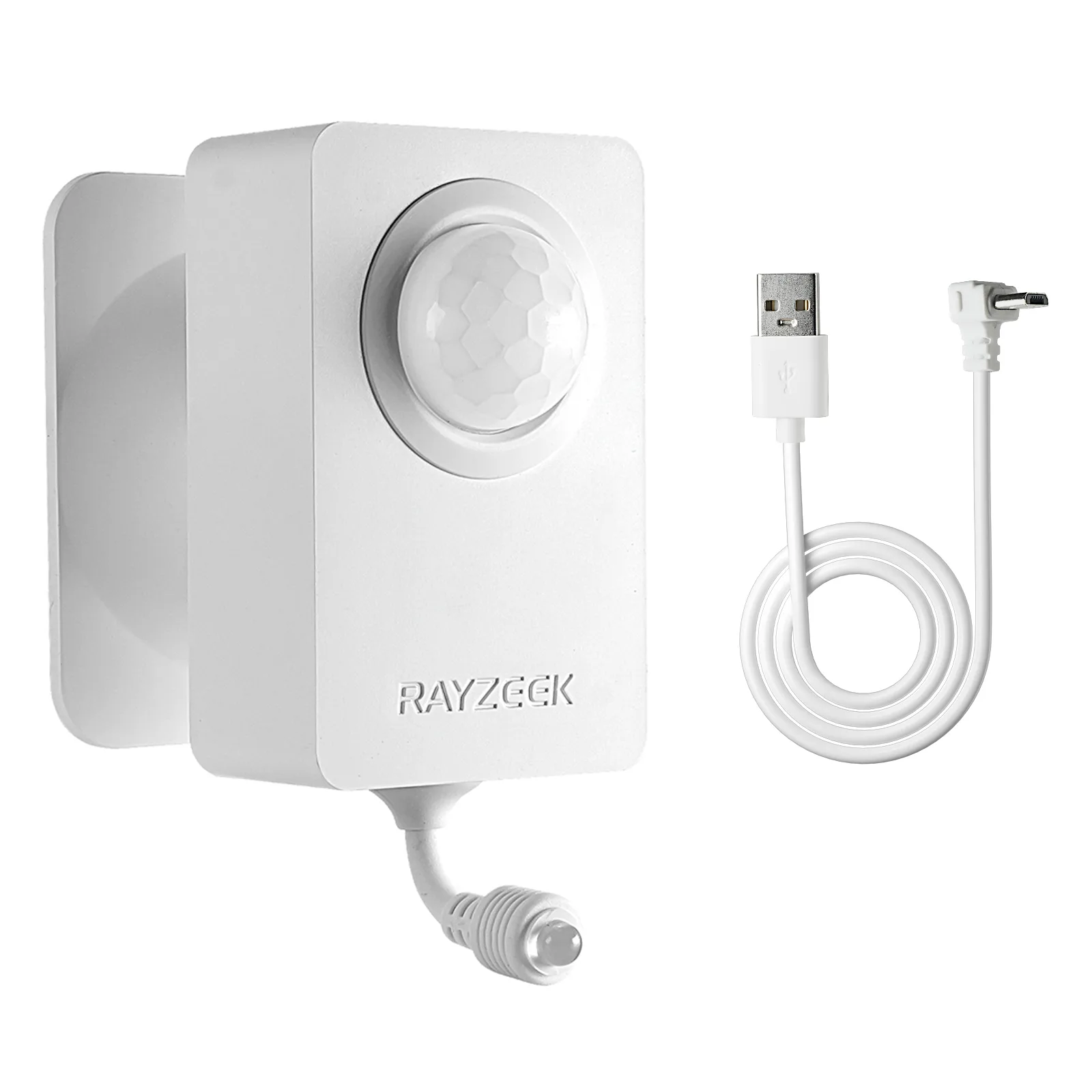
- แรงดันไฟฟ้า: แบตเตอรี่ AAA 2 ก้อน / 5V DC (Micro USB)
- โหมดกลางวัน/กลางคืน
- ดีเลย์เวลา: 15 นาที, 30 นาที, 1 ชม. (ค่าเริ่มต้น), 2 ชม.
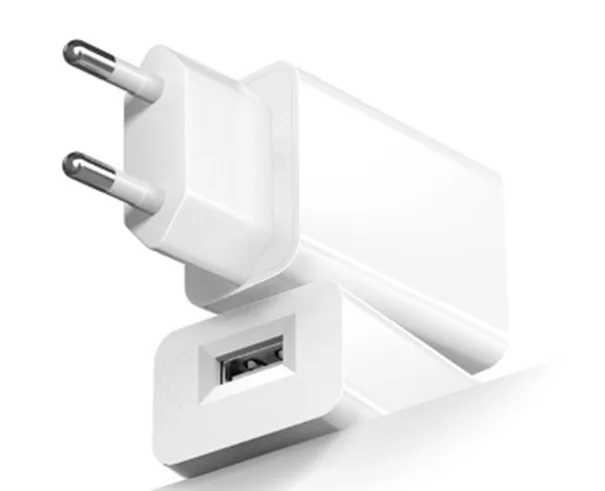
- อะแดปเตอร์ไฟปลั๊ก EU
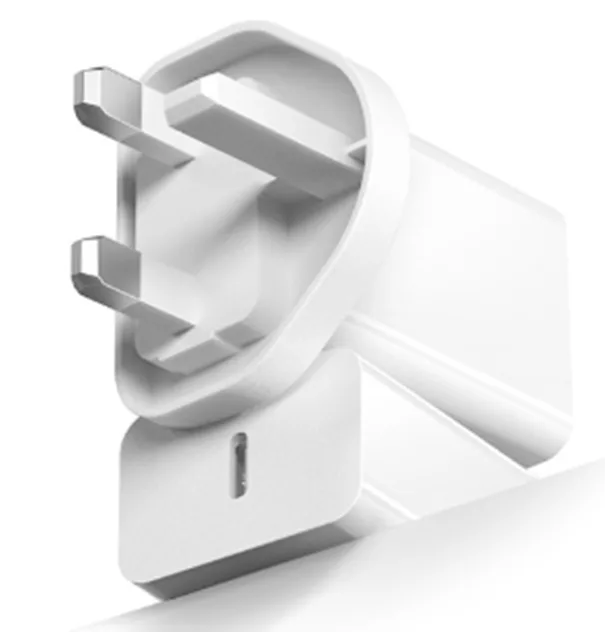
- อะแดปเตอร์ไฟปลั๊ก UK
คำถามที่พบบ่อย
วัตถุประสงค์ของการหล่อด้วย die
การหล่อด้วย die มีวัตถุประสงค์หลายอย่าง เช่น การผลิตชิ้นส่วนสำหรับอุตสาหกรรมยานยนต์ การผลิตฮาร์ดแวร์ตกแต่ง และการสร้างชิ้นส่วนขนาดเล็กจำนวนมาก ควรสังเกตว่าชิ้นส่วน die-cast ถูกใช้อย่างแพร่หลายในการผลิตสินค้าหลากหลาย โดยมักไม่รู้ว่าทำจากโลหะ die-cast ตัวอย่างสินค้าสำเร็จรูป เช่น ล็อคและเฟือง เป็นตัวอย่างของสิ่งของที่พบได้ทั่วไปที่ผลิตด้วยกระบวนการนี้
ความแตกต่างระหว่างการหล่อและ die cast คืออะไร
ในขณะที่อลูมิเนียมหล่อเกี่ยวข้องกับการใช้อลูมิเนียมหลอมในกระบวนการหล่อเพื่อสร้างชิ้นส่วนอลูมิเนียม การหล่อด้วย die cast เป็นวิธีการหล่อที่ใช้แรงดันสูงในการหล่อด้วยวัตถุดิบหลัก ความแตกต่างหลักระหว่างสองวิธีนี้อยู่ที่วัสดุที่ใช้ในการหล่อผลิตภัณฑ์
ทำไมเรียกว่าการหล่อด้วย die
กระบวนการนี้เรียกว่าการหล่อด้วย die เพราะเกี่ยวข้องกับการใช้แม่พิมพ์ แม่พิมพ์เหล่านี้เป็นแม่พิมพ์เหล็กที่สร้างขึ้นโดยการกลึง CNC โลหะเหลวถูกฉีดเข้าไปในแม่พิมพ์ ซึ่งประกอบด้วยสองส่วน: ส่วนคงที่ ซึ่งอยู่กับที่และเชื่อมต่อกับเครื่องหล่อ และส่วนที่เคลื่อนที่ได้
มีการหล่อด้วย die สามประเภทอะไรบ้าง
ในการผลิตชิ้นส่วนโลหะผสมเบา มีเทคโนโลยีที่ใช้กันอย่างแพร่หลายสามแบบคือ การหล่อด้วยแรงดันสูง การหล่อด้วยแรงโน้มถ่วง และการหล่อด้วยแรงดันต่ำ วิธีทั้งสามนี้ช่วยให้สามารถผลิตชิ้นส่วนถาวรได้ โดยแรงโน้มถ่วงและแรงดันต่ำยังสามารถรองรับกระบวนการหล่อกึ่งถาวรได้
มีสองประเภทหลักของการหล่อด้วย die อะไรบ้าง
กระบวนการหล่อขึ้นรูปสองประเภทหลักคือการหล่อด้วยเตาอุ่นและการหล่อด้วยเตาเย็น การแปรผันเพิ่มเติมของสองประเภทนี้รวมถึงการหล่อด้วยแรงดันต่ำและการหล่อด้วยสุญญากาศ


