
การระบายความร้อนคืออะไร
การระบายความร้อนเป็นกระบวนการถ่ายเทและกระจายความร้อนที่เกิดจากส่วนประกอบไฟ เช่น ชิป LED ไปยังสิ่งแวดล้อมรอบข้างอย่างมีประสิทธิภาพ เพื่อรักษาอุณหภูมิการทำงานให้อยู่ในระดับที่เหมาะสม ในอุตสาหกรรมไฟ การระบายความร้อนช่วยให้ประสิทธิภาพ ประสิทธิภาพ, และอายุการใช้งานของไฟ LED
รับแรงบันดาลใจจากพอร์ตโฟลิโอเซ็นเซอร์ตรวจจับการเคลื่อนไหว Rayzeek
ไม่พบสิ่งที่คุณต้องการใช่ไหม? ไม่ต้องกังวล ยังมีวิธีทางเลือกเสมอที่จะช่วยแก้ปัญหาของคุณ บางทีพอร์ตโฟลิโอของเราอาจช่วยได้
ไฟ LED สร้างความร้อนเป็นผลมาจากการเปลี่ยนพลังงานไฟฟ้าเป็นพลังงานแสง ต่างจากหลอดไฟแบบดั้งเดิมที่เป็นหลอดไส้หรือหลอดฟลูออเรสเซนต์ ซึ่งปล่อยพลังงานจำนวนมากเป็นแสงอินฟราเรดและมีประสิทธิภาพพลังงานต่ำ LED แทบจะเปลี่ยนพลังงานไฟฟ้าทั้งหมด (ยกเว้นพลังงานที่ใช้โดย แสงที่มองเห็นได้) เป็นความร้อน การแปลงพลังงานสูงของ LED ทำให้เกิดความร้อนจำนวนมาก
หากความร้อนนี้ไม่ได้รับการระบายอย่างมีประสิทธิภาพ อาจนำไปสู่การเพิ่มขึ้นของอุณหภูมิจ junction และลดอายุการใช้งานของ LED อุณหภูมิของจุดเชื่อมต่อ LED มีความสัมพันธ์โดยตรงกับผลลัพธ์แสงและอายุการใช้งาน เมื่ออุณหภูมิของจุดเชื่อมต่อ LED สูง การปล่อยแสงจะลดลง และอายุการใช้งานของ LED ก็สั้นลง ดังนั้น การระบายความร้อนอย่างมีประสิทธิภาพจึงเป็นสิ่งสำคัญเพื่อรักษาอุณหภูมิของจุดเชื่อมต่อให้อยู่ในขอบเขตที่ยอมรับได้ และเพื่อให้แน่ใจว่าประสิทธิภาพและอายุการใช้งานของไฟ LED เป็นไปอย่างดีที่สุด
มีการใช้วิธีการระบายความร้อนหลายวิธีในอุตสาหกรรมไฟเพื่ออำนวยความสะดวกในการถ่ายเทและกระจายความร้อน วิธีการเหล่านี้รวมถึงการใช้ฮีทซิงค์ ซึ่งออกแบบมาเพื่อดูดซับและกระจายความร้อนออกจาก ชิป LEDฮีทซิงค์มักทำจากวัสดุที่นำความร้อนดี เช่น อะลูมิเนียมหรือทองแดง และออกแบบให้มีซี่หรือโครงสร้างอื่น ๆ เพื่อเพิ่มพื้นที่ผิวสำหรับการถ่ายเทความร้อน
อาจสนใจคุณใน

- เซนเซอร์ตรวจจับความเคลื่อนไหว PIR แบบติดเพดานพร้อมเอาต์พุตพอร์ตส่งสัญญาณรีเลย์แบบหน้าสัมผัสแห้ง (Dry Contact)
- แหล่งจ่ายไฟแรงดันต่ำ 12/24VDC หรือ 12/24VAC
- หน้าสัมผัสรีเลย์แบบแยก COM, NO และ NC สำหรับสัญญาณอินพุตของระบบบริหารจัดการพลังงาน (EMS), ระบบทำความเย็นความร้อนและระบายอากาศ (HVAC) และระบบควบคุมอาคาร

- สวิตช์เซนเซอร์ตรวจจับความเคลื่อนไหวคลื่นไมโครเวฟแบบฝังเพดาน แรงดันกระแสตรงต่ำ
- อินพุต 12 VDC / 24 VDC พร้อมช่วงแรงดันไฟ 10-30 VDC
- กระแสไฟฟ้าทำงานสูงสุด 10A พร้อมระบบปรับตั้งเวลาหน่วง, ค่าความสว่าง Lux และความไวในการตรวจจับ
- สวิตช์เซนเซอร์ตรวจจับความเคลื่อนไหวคลื่นไมโครเวฟแบบฝังเพดาน สำหรับโหลดสูง
- อินพุตแรงดันไฟสายส่ง 100-265 VAC รุ่น 10A
- ระบบตรวจจับด้วยคลื่นไมโครเวฟ 5.8 GHz พร้อมระบบปรับตั้งเวลาหน่วง, ค่าความสว่าง Lux และความไวในการตรวจจับ
- สวิตช์เซนเซอร์ตรวจจับความเคลื่อนไหวคลื่นไมโครเวฟแบบฝังเพดาน
- อินพุตแรงดันไฟสายส่ง 100-265 VAC รุ่น 5A
- ระบบตรวจจับด้วยคลื่นไมโครเวฟ 5.8 GHz พร้อมระบบปรับตั้งเวลาหน่วง, ค่าความสว่าง Lux และความไวในการตรวจจับ
- สวิตช์หรี่ไฟพร้อมเซนเซอร์ตรวจจับความเคลื่อนไหว RZ037 PIR ติดเพดาน สำหรับระบบไฟ 220V
- กระแสไฟฟ้าทำงานสูงสุด 3A รองรับพาวเวอร์โหลดสูงสุด 660W
- ปุ่ม LUX ควบคุมการเปิด/ปิดเซนเซอร์วัดแสง และปรับระดับความสว่างหรี่ไฟตามความต้องการของผู้ใช้
- สวิตช์หรี่ไฟเซนเซอร์ตรวจจับการเคลื่อนไหว PIR แบบติดเพดาน รุ่น RZ037 สำหรับไฟฟ้า 110V
- กระแสไฟฟ้าทำงานสูงสุด 3A พร้อมโหลดพิกัด 330W
- ปุ่ม LUX ควบคุมการเปิด/ปิดเซนเซอร์วัดแสง และปรับระดับความสว่างหรี่ไฟตามความต้องการของผู้ใช้

- สวิตช์เซนเซอร์ตรวจจับการเคลื่อนไหวไมโครเวฟแบบติดเพดาน แรงดันไฟฟ้าต่ำ DC
- อินพุต 12 VDC / 24 VDC พร้อมช่วงแรงดันไฟ 10-30 VDC
- กระแสไฟฟ้าทำงานสูงสุด 10A พร้อมระบบปรับตั้งเวลาหน่วง, ค่าความสว่าง Lux และความไวในการตรวจจับ
- สวิตช์เซนเซอร์ตรวจจับการเคลื่อนไหวไมโครเวฟแบบติดเพดาน สำหรับโหลดสูงขึ้น
- อินพุตแรงดันไฟสายส่ง 100-265 VAC รุ่น 10A
- ระบบตรวจจับด้วยคลื่นไมโครเวฟ 5.8 GHz พร้อมระบบปรับตั้งเวลาหน่วง, ค่าความสว่าง Lux และความไวในการตรวจจับ
- สวิตช์เซนเซอร์ตรวจจับการเคลื่อนไหวไมโครเวฟแบบติดเพดาน
- อินพุตแรงดันไฟสายส่ง 100-265 VAC รุ่น 5A
- ระบบตรวจจับด้วยคลื่นไมโครเวฟ 5.8 GHz พร้อมระบบปรับตั้งเวลาหน่วง, ค่าความสว่าง Lux และความไวในการตรวจจับ

- สวิตช์เซนเซอร์ตรวจจับการเคลื่อนไหว PIR แบบฝังเพดาน แรงดันไฟฟ้าต่ำ DC
- อินพุต 12 VDC / 24 VDC พร้อมช่วงแรงดันไฟ 10-30 VDC
- กระแสไฟฟ้าทำงานสูงสุด 10A พร้อมระบบปรับตั้งเวลาหน่วง ค่าความสว่าง (Lux) และความไวในการตรวจจับ

- สวิตช์เซนเซอร์ตรวจจับการเคลื่อนไหว PIR แบบฝังเพดาน สำหรับโหลดสูงขึ้น
- อินพุตแรงดันไฟสายส่ง 100-265 VAC รุ่น 10A
- การตรวจจับครอบคลุม 360 องศา พร้อมระบบปรับตั้งเวลาหน่วง ค่าความสว่าง (Lux) และความไวในการตรวจจับ
- สวิตช์เซนเซอร์ตรวจจับการเคลื่อนไหว PIR แบบฝังเพดาน
- อินพุตแรงดันไฟสายส่ง 100-265 VAC รุ่น 5A
- การตรวจจับครอบคลุม 360 องศา พร้อมระบบปรับตั้งเวลาหน่วง ค่าความสว่าง (Lux) และความไวในการตรวจจับ

- ชุดสวิตช์และตัวรับสัญญาณไร้สายสำหรับควบคุมการเปิด/ปิดไฟภายในอาคาร
- ตัวรับสัญญาณ 100-230VAC, 50/60Hz พร้อมกระแสไฟฟ้าพิกัด 5A
- CR2032-powered wireless switch with 2.4GHz communication
- การใช้งาน (เปิดอัตโนมัติ/ปิดอัตโนมัติ)
- 12–24V DC (10–30VDC), สูงสุด 10A
- ครอบคลุม 360°, เส้นผ่านศูนย์กลาง 8–12 เมตร
- ดีเลย์เวลา 15 วินาที–30 นาที
- เซ็นเซอร์ไฟไหม้ ปิด/15/25/35 ลักซ์
- ความไวสูง/ต่ำ
- โหมดอัตโนมัติเปิด/ปิดอัตโนมัติ
- 100–265V AC, 10A (จำเป็นต้องมีสายดิน)
- ครอบคลุม 360°; เส้นผ่านศูนย์กลางการตรวจจับ 8–12 เมตร
- เวลาหน่วง 15 วินาที–30 นาที; Lux ปิด/15/25/35; ความไวสูง/ต่ำ
- โหมดอัตโนมัติเปิด/ปิดอัตโนมัติ
- 100–265V AC, 5A (จำเป็นต้องใช่สายดิน)
- ครอบคลุม 360°; เส้นผ่านศูนย์กลางการตรวจจับ 8–12 เมตร
- เวลาหน่วง 15 วินาที–30 นาที; Lux ปิด/15/25/35; ความไวสูง/ต่ำ

- แรงดันไฟฟ้า 100V-230VAC
- ระยะส่งข้อมูล: สูงสุด 20m
- เซ็นเซอร์ตรวจจับการเคลื่อนไหวแบบไร้สาย
- การควบคุมแบบมีสาย
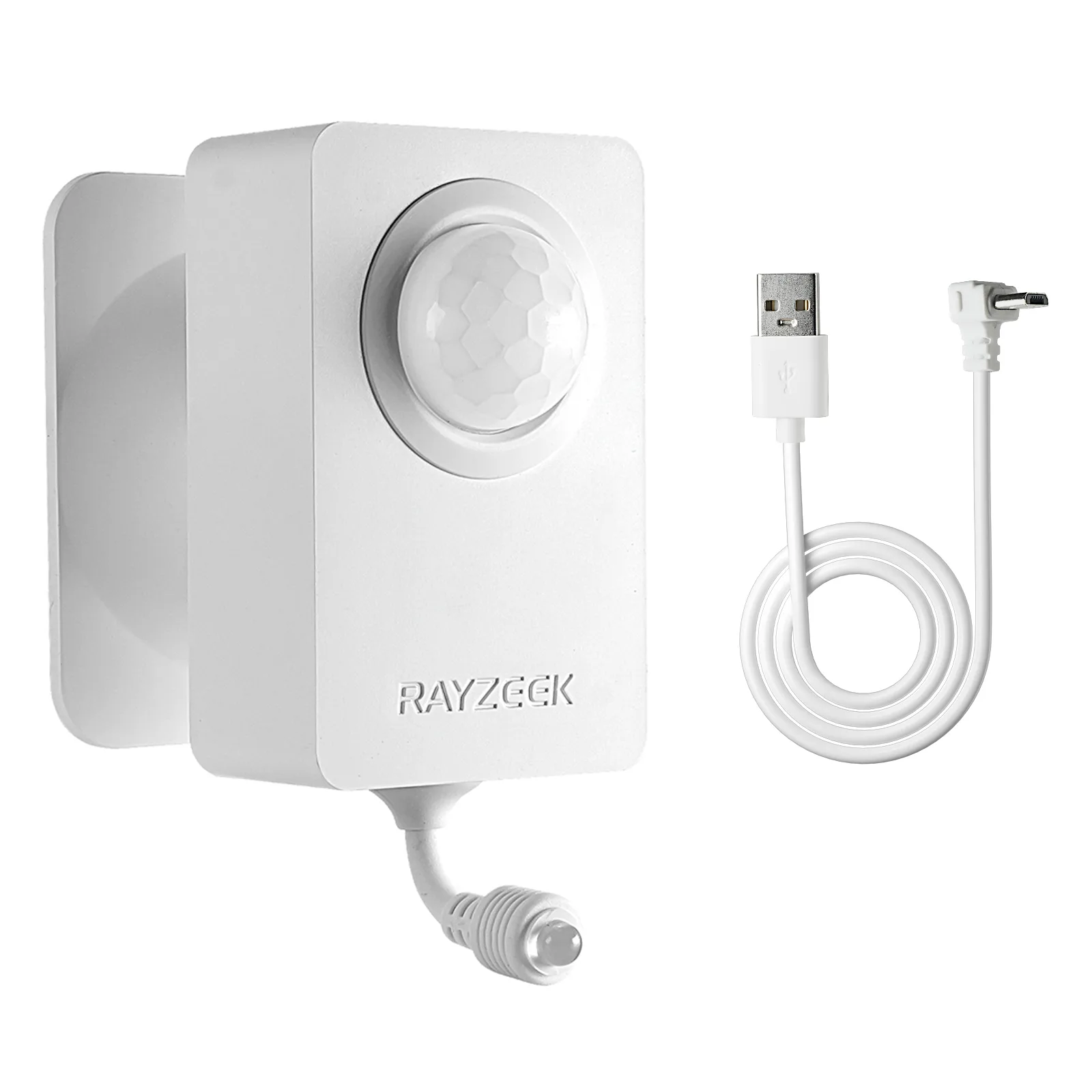
- แรงดันไฟฟ้า: แบตเตอรี่ AAA 2 ก้อน / 5V DC (Micro USB)
- โหมดกลางวัน/กลางคืน
- ดีเลย์เวลา: 15 นาที, 30 นาที, 1 ชม. (ค่าเริ่มต้น), 2 ชม.
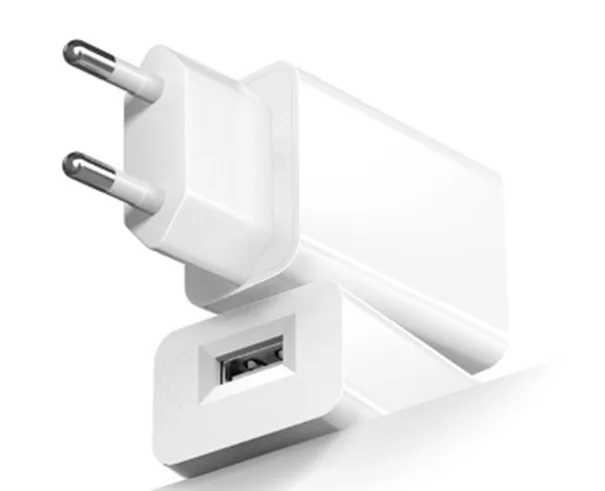
- อะแดปเตอร์ไฟปลั๊ก EU
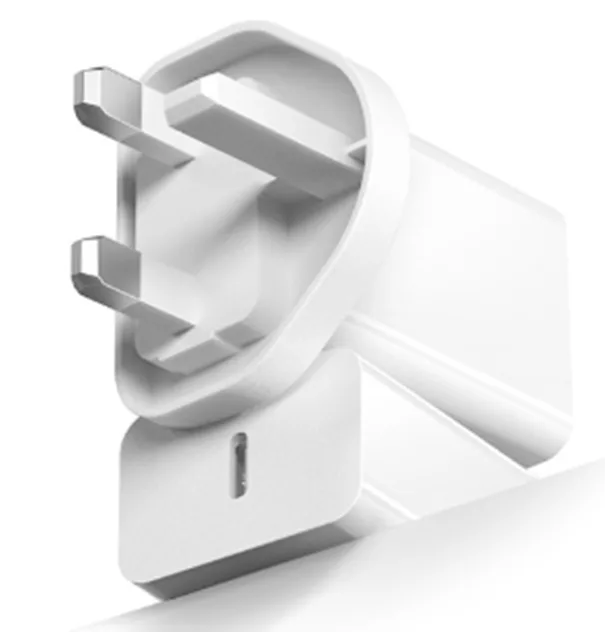
- อะแดปเตอร์ไฟปลั๊ก UK
นอกจากฮีทซิงค์แล้ว ปัจจัยอื่น ๆ เช่น วัสดุเชื่อมต่อความร้อนและการออกแบบการจัดการความร้อนก็มีส่วนช่วยในการระบายความร้อนอย่างมีประสิทธิภาพ วัสดุเชื่อมต่อความร้อนถูกใช้เพื่อปรับปรุงการติดต่อทางความร้อนระหว่างชิป LED กับฮีทซิงค์ เพื่อให้การนำความร้อนเป็นไปอย่างมีประสิทธิภาพ การออกแบบการจัดการความร้อนของระบบไฟเกี่ยวข้องกับการพิจารณาเช่น การไหลของอากาศ การระบายอากาศ และการจัดวาง LED กับฮีทซิงค์โดยรวมเพื่ออำนวยความสะดวกในการระบายความร้อน


