กฎโคไซน์คืออะไร
กฎโคไซน์ ซึ่งรู้จักกันในชื่อกฎโคไซน์ของแลมบ์ลาร์ หรือกฎการปล่อยรังสีด้วยโคไซน์ เป็นหลักการพื้นฐานในอุตสาหกรรมแสงสว่าง มันระบุว่าความเข้มของรังสีจากพื้นผิวที่สะท้อนแบบกระจายอย่างสมบูรณ์แบบนั้นเป็นสัดส่วนโดยตรงกับโคไซน์ของมุมระหว่างทิศทางของแสงที่ตกกระทบและแนวปกติของพื้นผิว กฎนี้ ซึ่งตั้งชื่อตาม Johann Heinrich Lambert ศึกษาในด้านออปติคส์และมีบทบาทสำคัญในการเข้าใจว่าจะแจกจ่ายแสงอย่างไรและส่งผลต่อการส่องสว่างของพื้นผิวอย่างไร
กฎโคไซน์ของการส่องสว่างถูกใช้เพื่อคำนวณ ค่าความส่องสว่าง (หรือรังสีฉาย) บนพื้นผิวโดยอิงจากมุมของการตกกระทบ มันให้ความสัมพันธ์ทางคณิตศาสตร์ที่กำหนดปริมาณของแสงที่ตกบนพื้นผิวโดยพิจารณามุมที่แสงตกกระทบกับพื้นผิว โดยการปรับปรุงตำแหน่งและทิศทางของแหล่งกำเนิดแสง นักออกแบบและวิศวกรด้านแสงสว่างสามารถบรรลุเป้าหมายของระดับการส่องสว่างที่ต้องการและความเป็นเนื้อเดียวกันบนพื้นผิว ระดับการส่องสว่างที่ต้องการ และความสม่ำเสมอบนพื้นผิว
อาจสนใจคุณใน
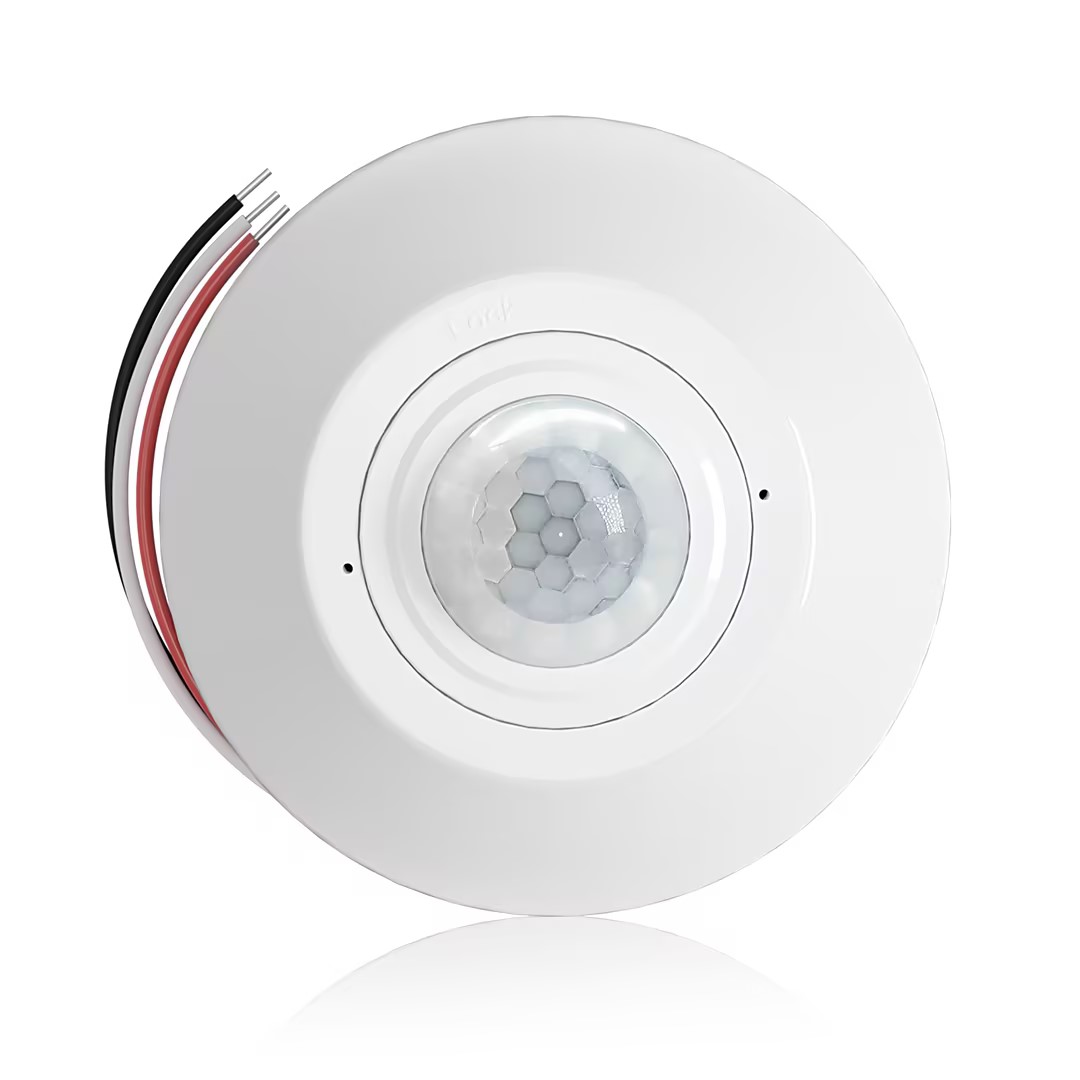
- Ceiling-mounted PIR occupancy sensor with dry-contact relay output
- 12/24VDC or 12/24VAC low-voltage supply
- COM, NO, and NC isolated relay contacts for EMS, HVAC, and building control inputs
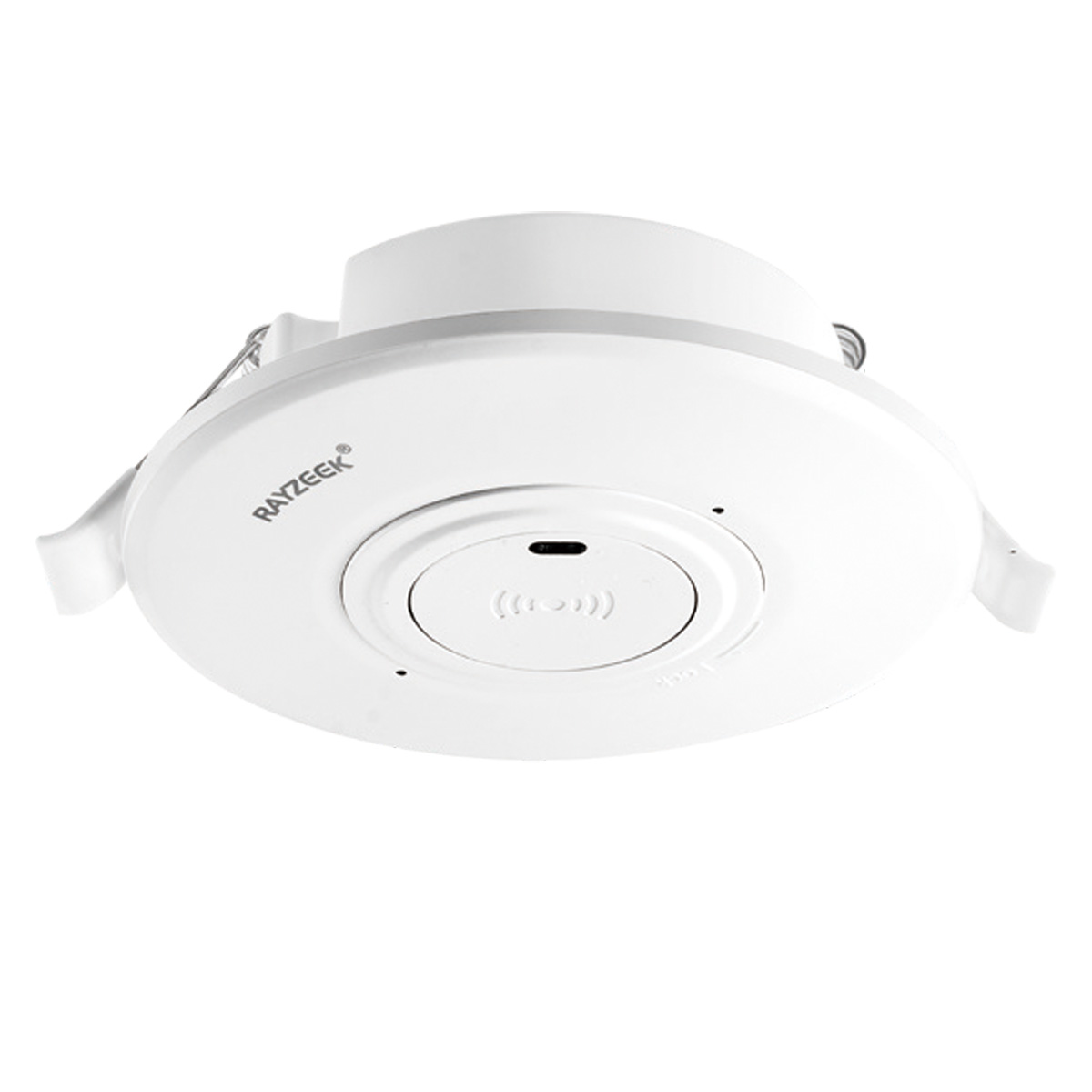
- Low-voltage DC recessed ceiling-mounted microwave motion sensor switch
- 12 VDC / 24 VDC input with 10-30 VDC range
- 10A max work current with adjustable time delay, Lux threshold, and sensitivity
- Higher-load recessed ceiling-mounted microwave motion sensor switch
- 100-265 VAC line-voltage input, 10A model
- 5.8 GHz microwave sensing with adjustable time delay, Lux threshold, and sensitivity
- Recessed ceiling-mounted microwave motion sensor switch
- 100-265 VAC line-voltage input, 5A model
- 5.8 GHz microwave sensing with adjustable time delay, Lux threshold, and sensitivity
- Ceiling-mounted RZ037 PIR occupancy sensor dimmer for 220V power
- 3A maximum working current with 660W rated load
- LUX button controls light-sensor ON/OFF and user-set dimming brightness
- Ceiling-mounted RZ037 PIR occupancy sensor dimmer for 110V power
- 3A maximum working current with 330W rated load
- LUX button controls light-sensor ON/OFF and user-set dimming brightness
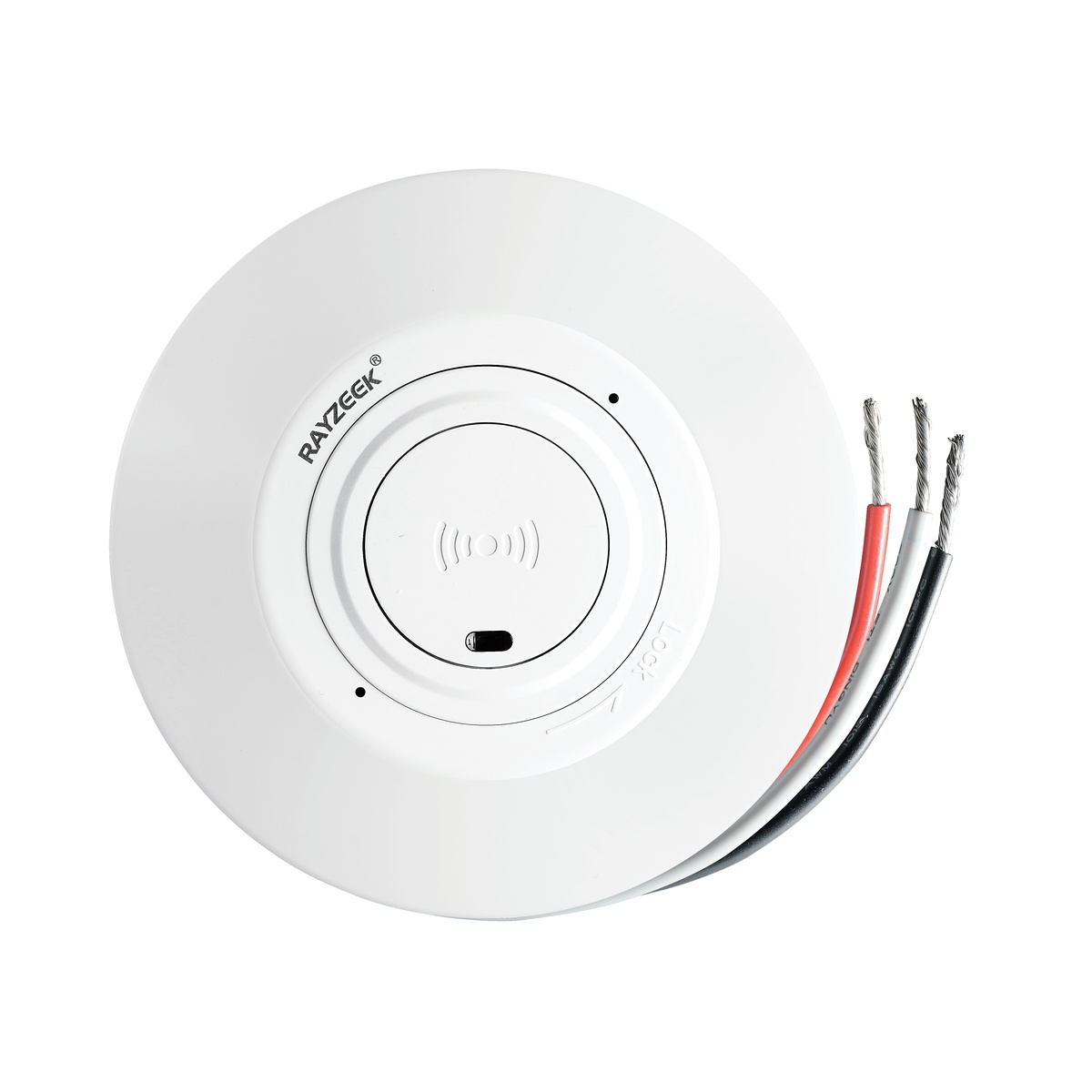
- Low-voltage DC ceiling-mounted microwave motion sensor switch
- 12 VDC / 24 VDC input with 10-30 VDC range
- 10A max work current with adjustable time delay, Lux threshold, and sensitivity
- Higher-load ceiling-mounted microwave motion sensor switch
- 100-265 VAC line-voltage input, 10A model
- 5.8 GHz microwave sensing with adjustable time delay, Lux threshold, and sensitivity
- Ceiling-mounted microwave motion sensor switch
- 100-265 VAC line-voltage input, 5A model
- 5.8 GHz microwave sensing with adjustable time delay, Lux threshold, and sensitivity
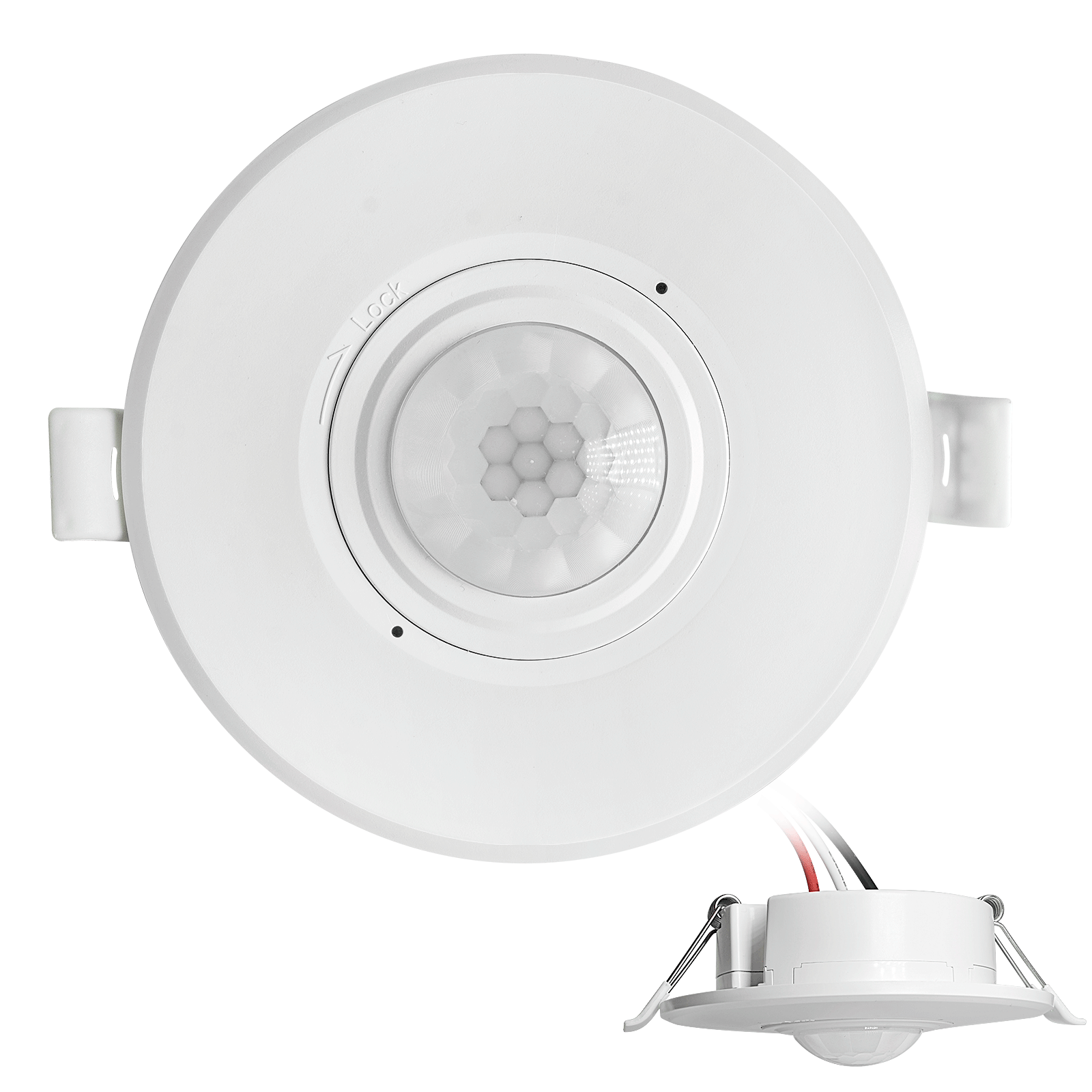
- Low-voltage DC recessed ceiling mount PIR motion sensor switch
- 12 VDC / 24 VDC input with 10-30 VDC range
- Max work current 10A with adjustable time delay, Lux threshold, and sensitivity
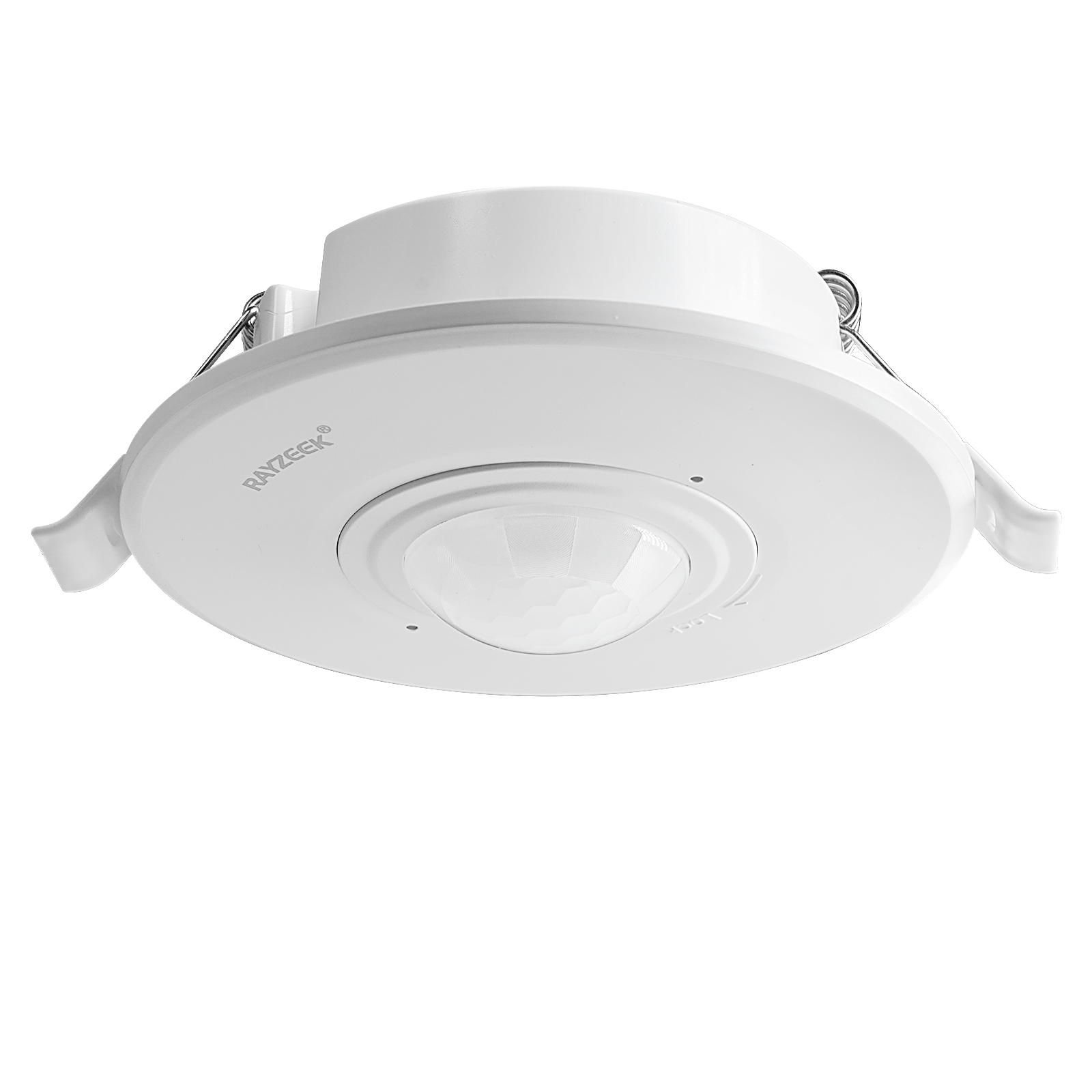
- Higher-load recessed ceiling mount PIR motion sensor switch
- 100-265 VAC line-voltage input, 10A model
- 360-degree detection with adjustable time delay, Lux threshold, and sensitivity
- Recessed ceiling mount PIR motion sensor switch
- 100-265 VAC line-voltage input, 5A model
- 360-degree detection with adjustable time delay, Lux threshold, and sensitivity
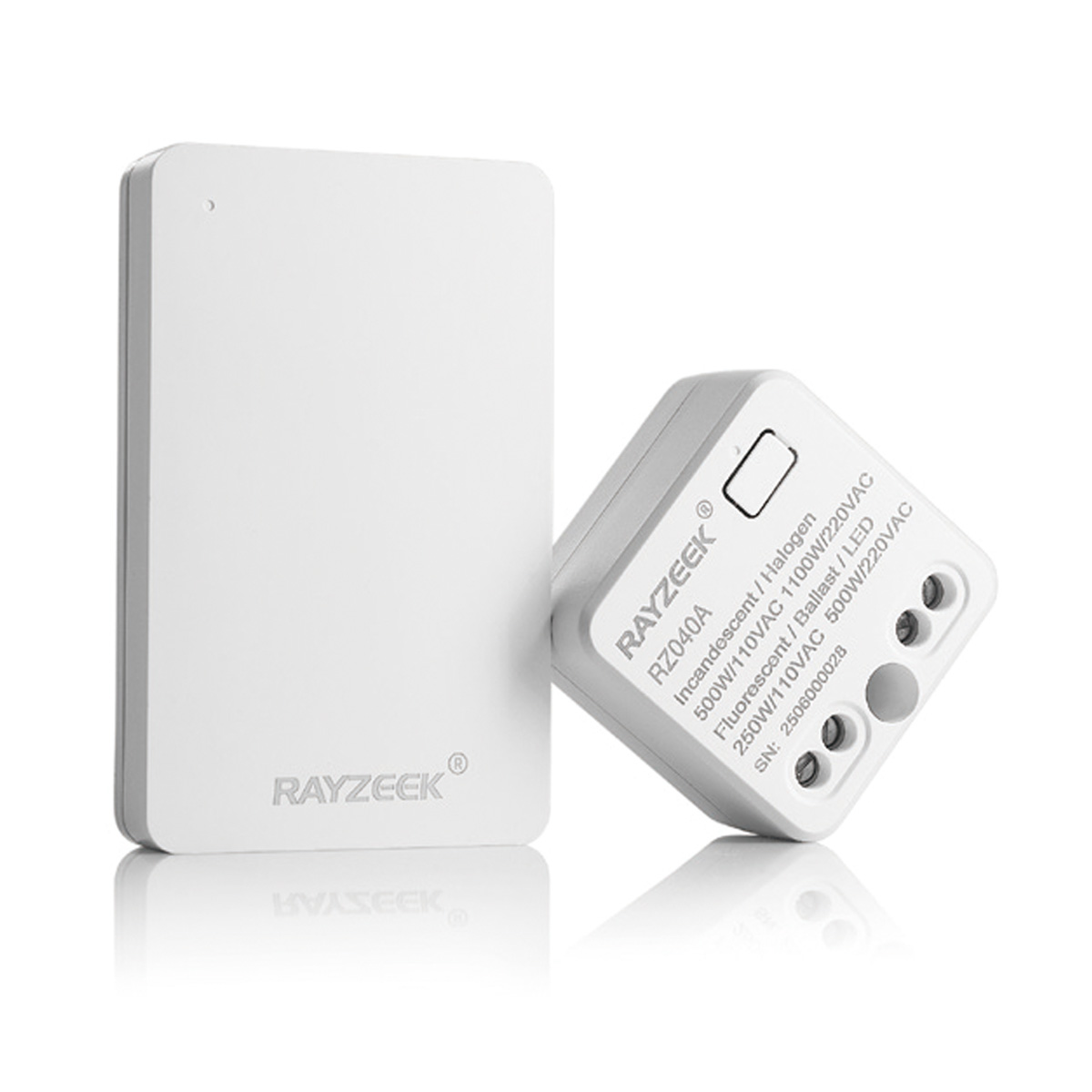
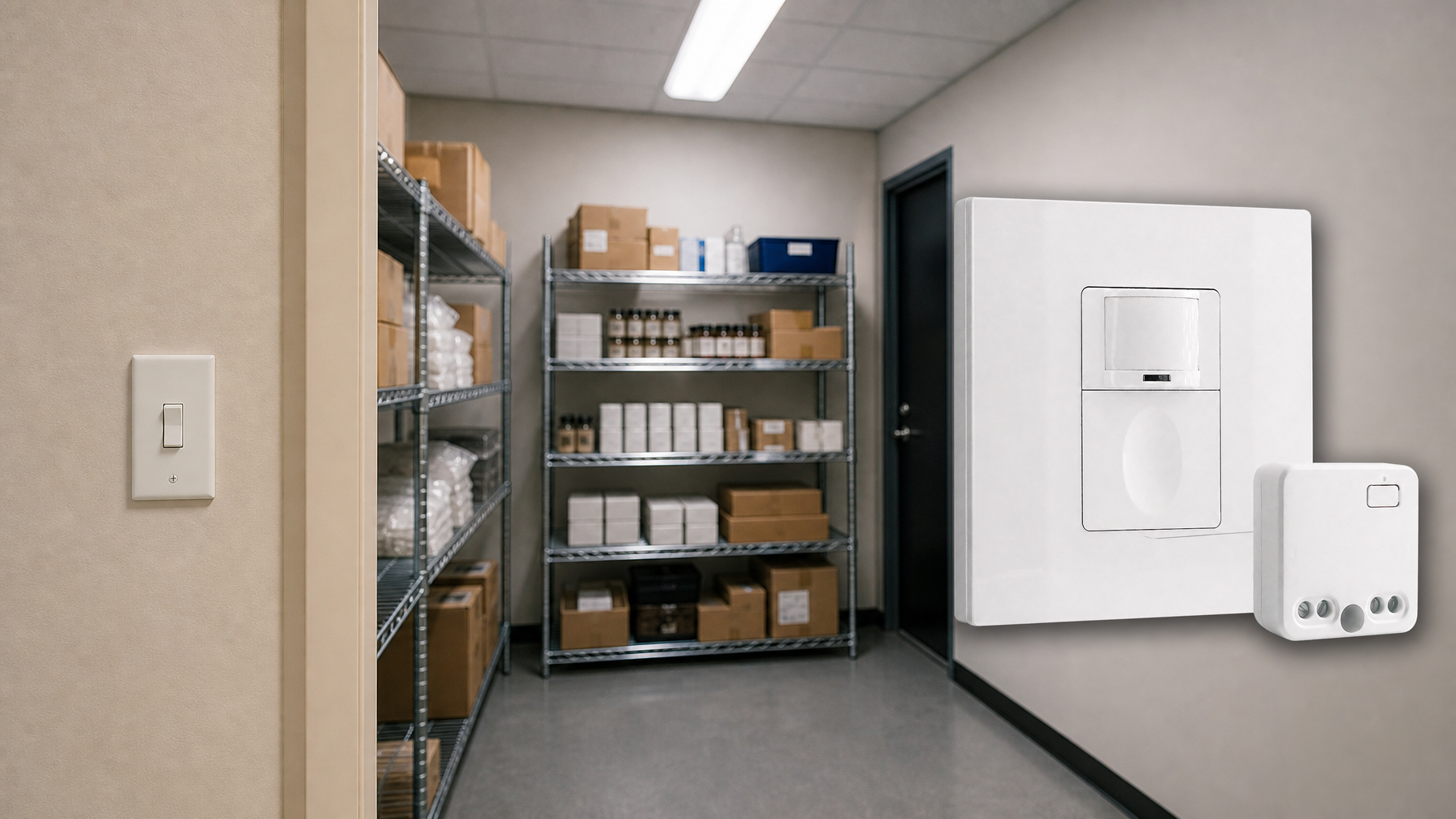
- Wireless switch and receiver kit for indoor ON/OFF lighting control
- 100-230VAC, 50/60Hz receiver with 5A rated current
- CR2032-powered wireless switch with 2.4GHz communication
- การใช้งาน (เปิดอัตโนมัติ/ปิดอัตโนมัติ)
- 12–24V DC (10–30VDC), สูงสุด 10A
- ครอบคลุม 360°, เส้นผ่านศูนย์กลาง 8–12 เมตร
- ดีเลย์เวลา 15 วินาที–30 นาที
- เซ็นเซอร์ไฟไหม้ ปิด/15/25/35 ลักซ์
- ความไวสูง/ต่ำ
- โหมดอัตโนมัติเปิด/ปิดอัตโนมัติ
- 100–265V AC, 10A (จำเป็นต้องมีสายดิน)
- ครอบคลุม 360°; เส้นผ่านศูนย์กลางการตรวจจับ 8–12 เมตร
- เวลาหน่วง 15 วินาที–30 นาที; Lux ปิด/15/25/35; ความไวสูง/ต่ำ
- โหมดอัตโนมัติเปิด/ปิดอัตโนมัติ
- 100–265V AC, 5A (จำเป็นต้องใช่สายดิน)
- ครอบคลุม 360°; เส้นผ่านศูนย์กลางการตรวจจับ 8–12 เมตร
- เวลาหน่วง 15 วินาที–30 นาที; Lux ปิด/15/25/35; ความไวสูง/ต่ำ
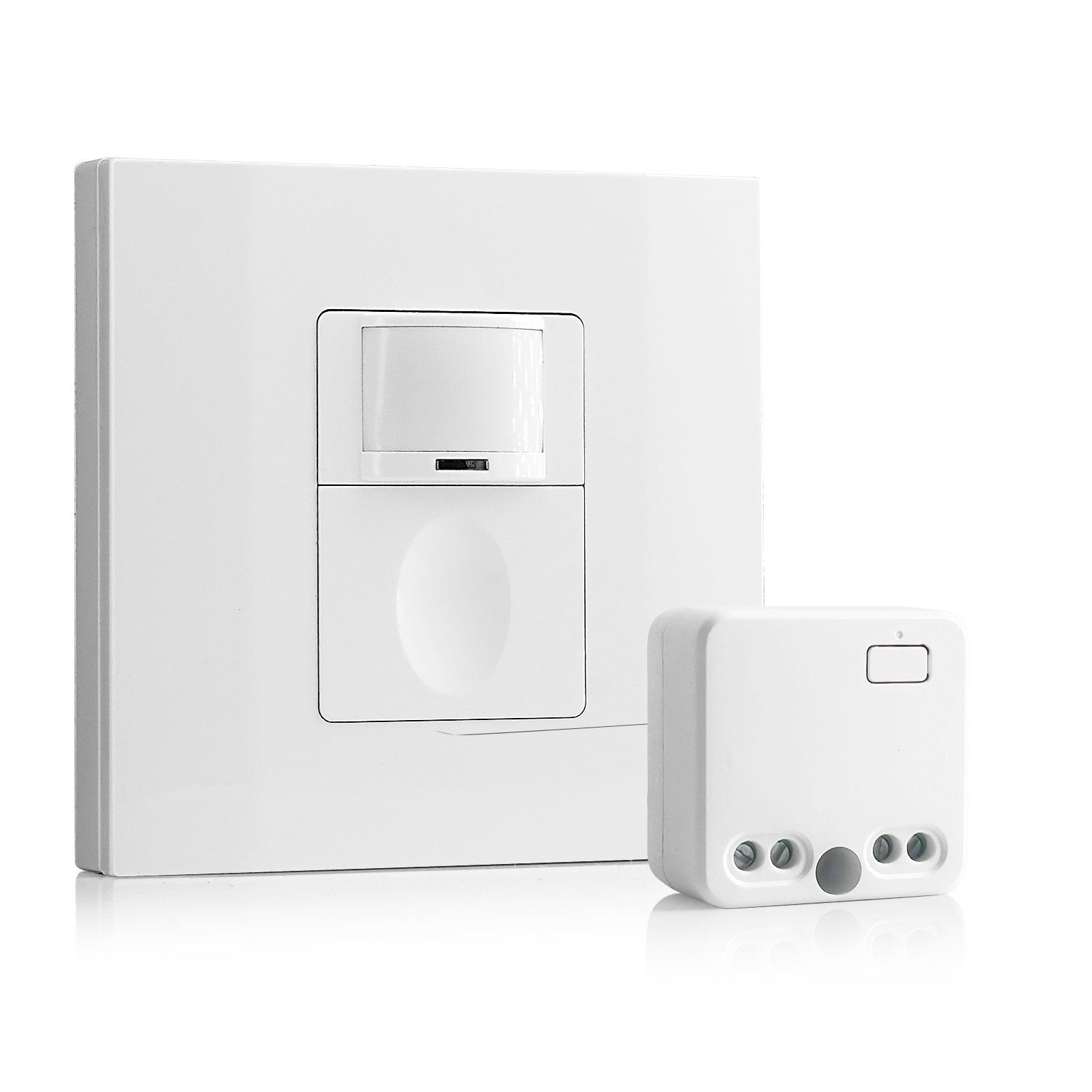
- แรงดันไฟฟ้า 100V-230VAC
- ระยะส่งข้อมูล: สูงสุด 20m
- เซ็นเซอร์ตรวจจับการเคลื่อนไหวแบบไร้สาย
- การควบคุมแบบมีสาย
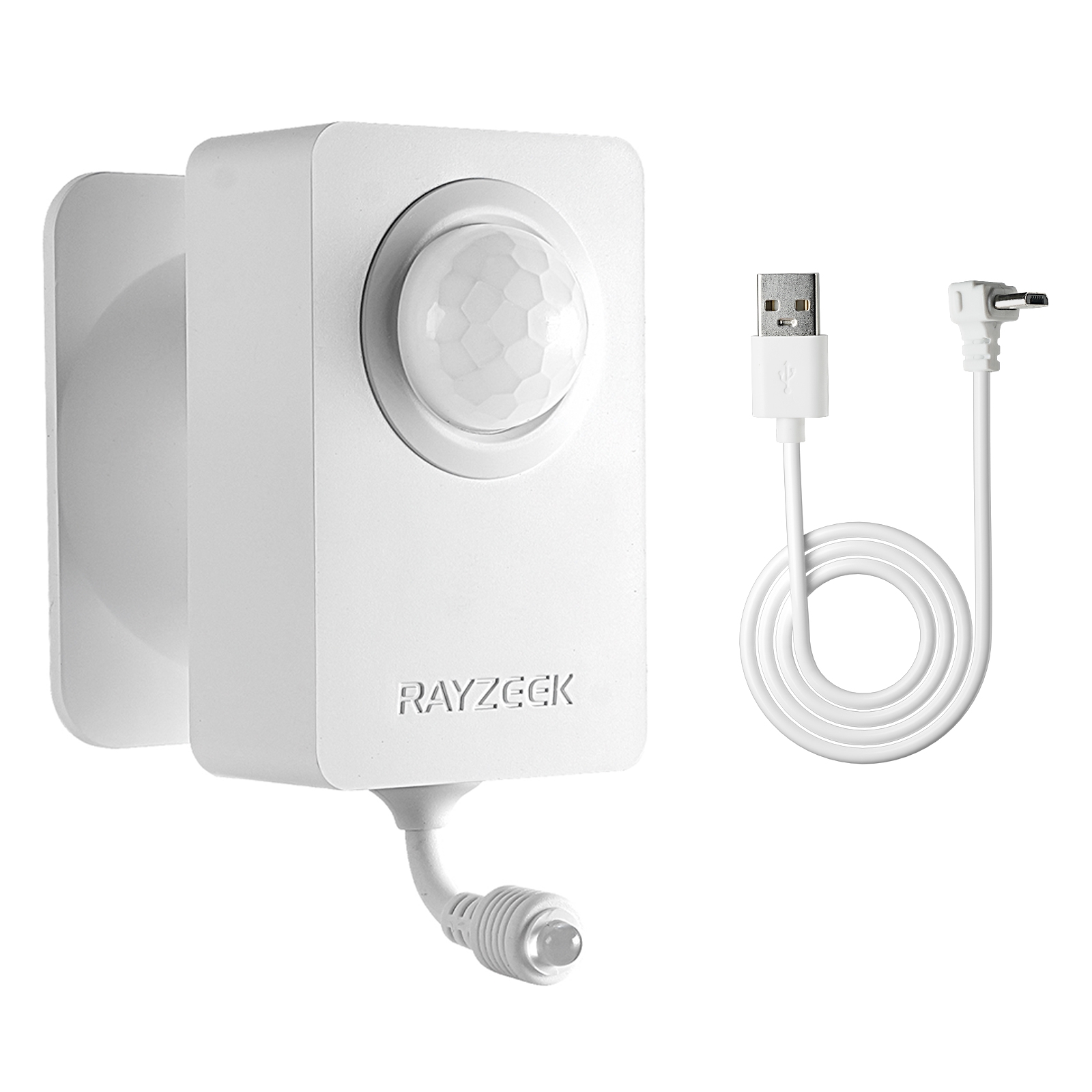
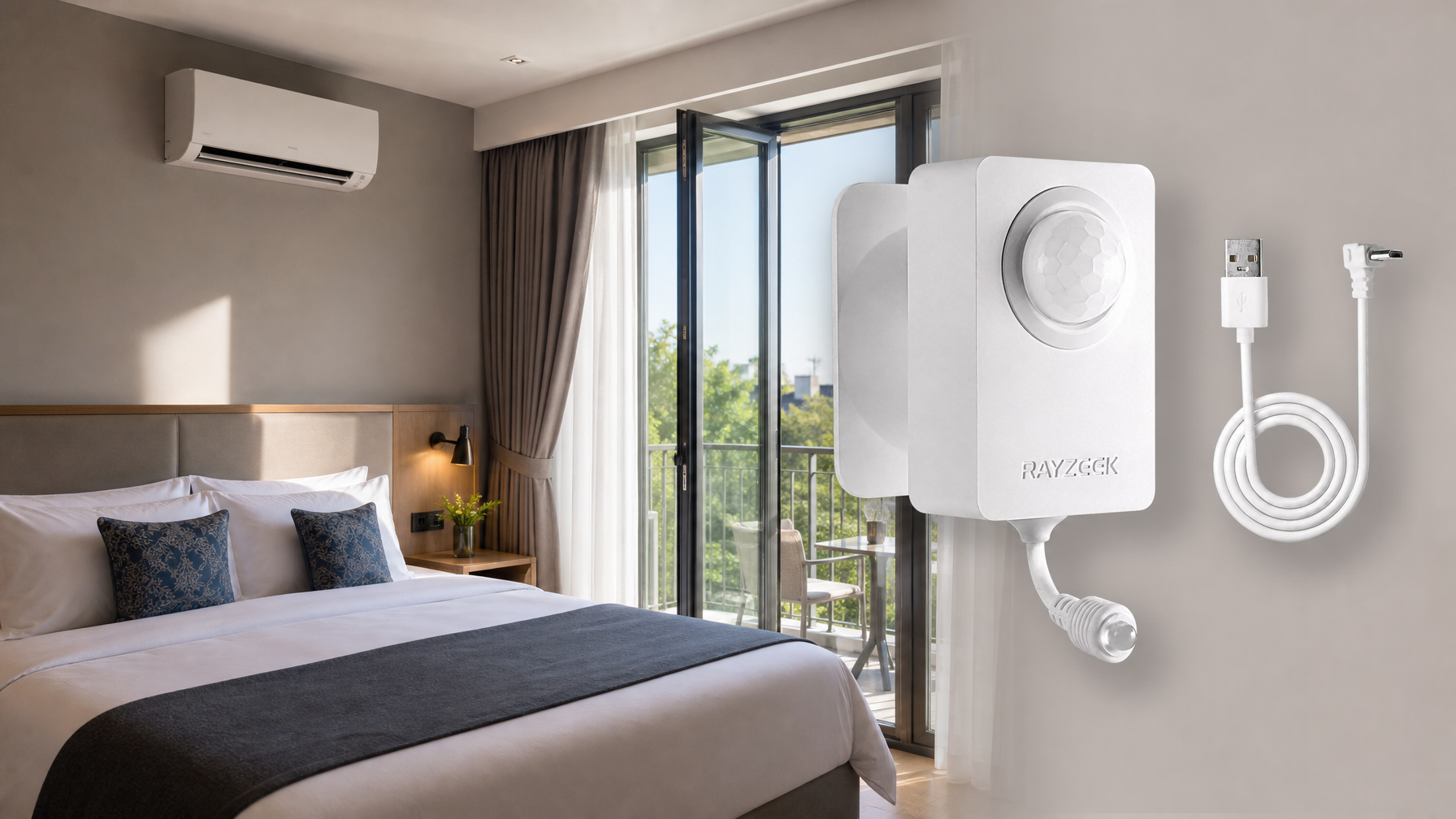
- แรงดันไฟฟ้า: แบตเตอรี่ AAA 2 ก้อน / 5V DC (Micro USB)
- โหมดกลางวัน/กลางคืน
- ดีเลย์เวลา: 15 นาที, 30 นาที, 1 ชม. (ค่าเริ่มต้น), 2 ชม.
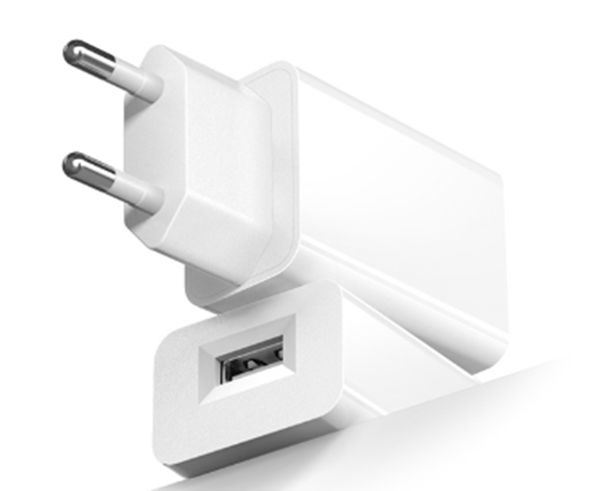
- อะแดปเตอร์ไฟปลั๊ก EU
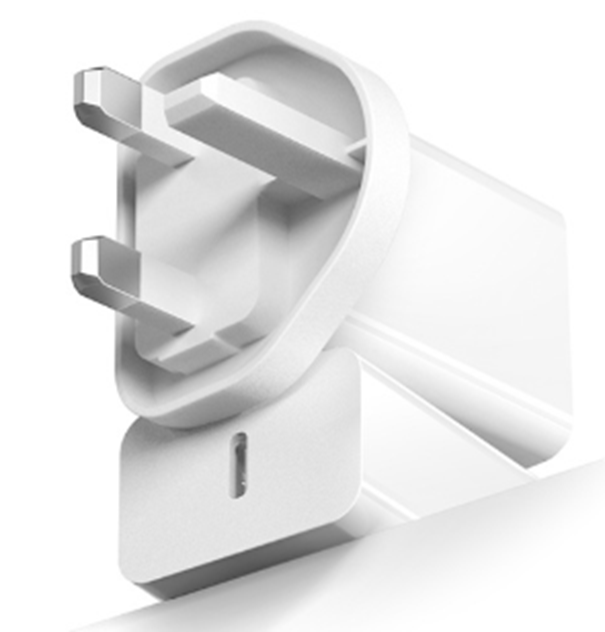
- อะแดปเตอร์ไฟปลั๊ก UK
กฎโคไซน์ของการส่องสว่างเป็นแนวคิดสำคัญในอุตสาหกรรมแสงสว่าง เนื่องจากช่วยในการออกแบบและดำเนินการระบบแสงสว่าง มันอนุญาตให้คำนวณความสว่างโดยอิงจากมุมของการตกกระทบ ซึ่งช่วยให้สามารถปรับปรุงสภาพแสงสำหรับการใช้งานต่าง ๆ การเข้าใจกฎโคไซน์เป็นสิ่งสำคัญสำหรับการบรรลุผลลัพธ์ด้านแสงสว่างที่มีประสิทธิภาพและมีประสิทธิผล โซลูชันด้านแสงสว่างที่มีประสิทธิภาพและมีประสิทธิผล.
รับแรงบันดาลใจจากพอร์ตโฟลิโอเซ็นเซอร์ตรวจจับการเคลื่อนไหว Rayzeek
ไม่พบสิ่งที่คุณต้องการใช่ไหม? ไม่ต้องกังวล ยังมีวิธีทางเลือกเสมอที่จะช่วยแก้ปัญหาของคุณ บางทีพอร์ตโฟลิโอของเราอาจช่วยได้
คำถามที่พบบ่อย
ความแตกต่างระหว่างไซน์และโคไซน์คืออะไร
ไซน์และโคไซน์ ซึ่งรู้จักกันในชื่อ sin(θ) และ cos(θ) เป็นฟังก์ชันทางคณิตศาสตร์ที่อธิบายสัดส่วนของด้านในสามเหลี่ยมมุมฉาก โดยเฉพาะอย่างยิ่ง sin(θ) แสดงอัตราส่วนของความยาวของด้านตรงข้ามมุม θ ต่อความยาวของด้านตรงข้ามมุมฉาก ในขณะที่ cos(θ) แสดงอัตราส่วนของความยาวของด้านติดกับมุม θ ต่อความยาวของด้านตรงข้ามมุมฉาก